
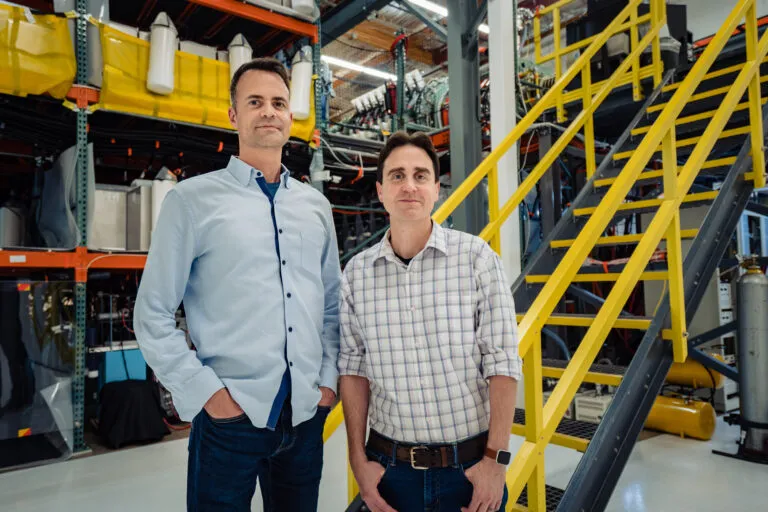
The Endless Loop of Energy Use and the Climate Crisis
We stand at the intersection of unprecedented challenge and change. At its center exists an uncomfortable but undeniable, powerful link: "energy and the climate crisis." Through this link, we can clearly see how the supply, demand, and use of the energy we consume in daily life are connected to the Earth's future. Our energy system still depends heavily on fossil fuels. The use of fossil fuels such as oil, coal, and natural gas is a major cause of greenhouse-gas emissions, and even though we know this brings global warming and extreme weather anomalies, converting to alternatives is not easy. Weather anomalies — droughts, torrential rains, typhoons — are directly affecting our lives. Converting the way we use energy in a sustainable direction is clearly an essential measure for responding to the climate crisis.
But the energy transition is bound up in a very complexly intertwined value system. The use of sustainable energy is a concept that cannot but be considered in various directions — economic, social, technological, and more. This complexity is making the process of finding solutions to the climate crisis exhausting and difficult. Meanwhile, the climate crisis has become reality. Helion Energy's (hereafter "Helion Energy") approach to solving this situation is worthy of attention. With the potential to provide sustainable and nearly limitless energy through nuclear-fusion technology, Helion Energy presents an innovative solution to the existing energy problem.
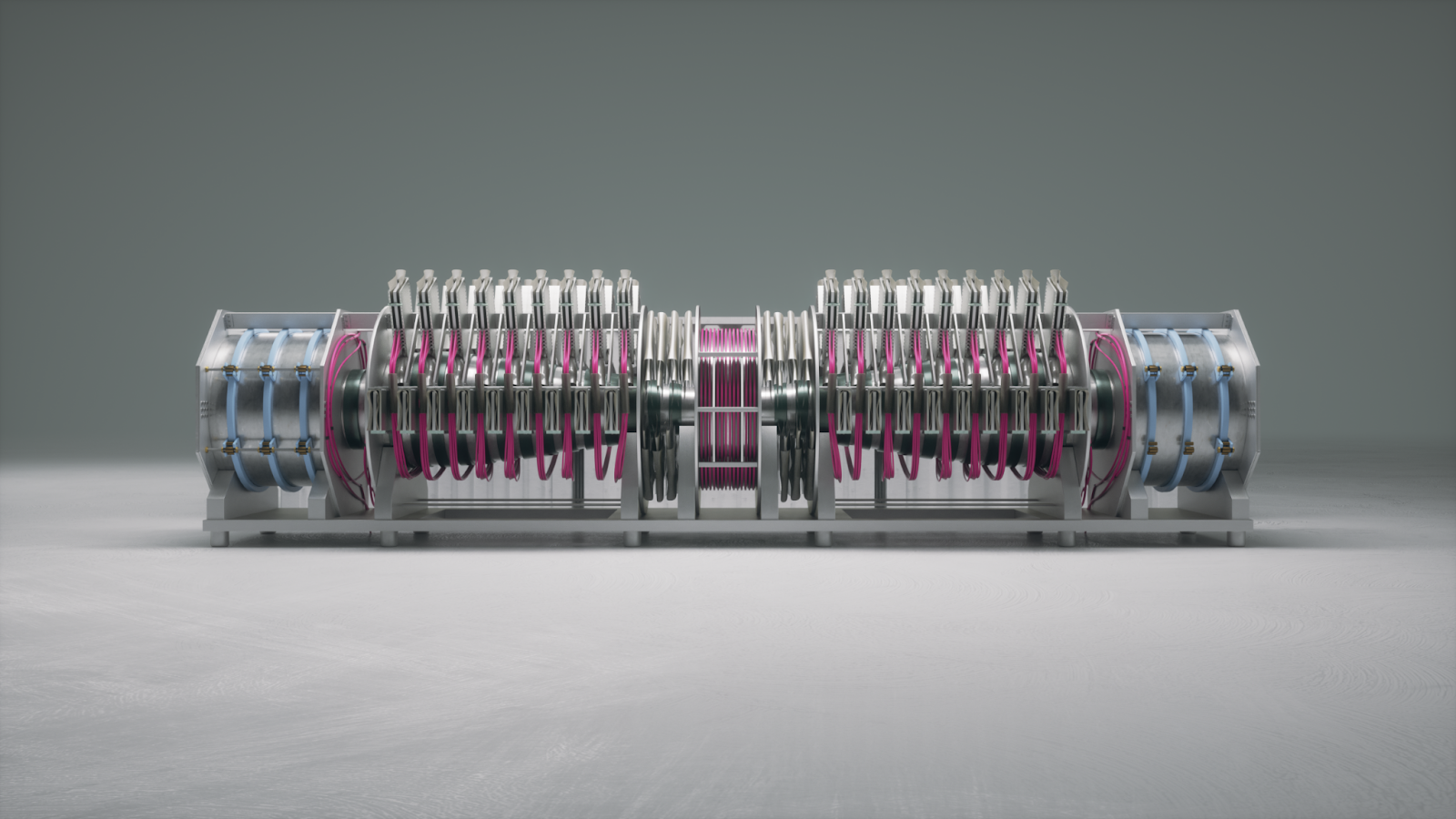
[Helion Energy's fusion technology © Helion Energy]
Helion Energy: Can Practical Nuclear Fusion Become a Stable Energy Source?
Helion Energy developed a compact fusion reactor, raising to a practical level the nuclear-fusion technology that has, until now, struggled to be commercialized because of size and cost. The reactor they developed is designed with a simple design so that it can reach commercial energy production within a short time. With technology that stably maintains and controls the fusion reaction in the reactor, Helion Energy becomes able to use the energy generated in this process. Technically, this energy emits no greenhouse gases and minimizes the nuclear-waste problem as well. In this way, Helion Energy seeks to create a sustainable and stable energy source.
*Plasma state: when gas is heated to an ultra-high temperature, atomic nuclei and electrons separate so that positive ions and electrons exist in nearly equal amounts, resulting in an electrically neutral state.
With this technology, which is expected to be used in various fields — power generation as well as industrial heat supply, and even energy supply in the aerospace field — Helion Energy announced a notable achievement in 2023. It signed an innovative contract to supply Microsoft with electricity produced at its first fusion power plant. This power plant aims to begin operation by 2028, and is set to produce more than 50 MW (an amount of power that can meet the electricity demand of about 70,000 households). An important milestone in the field of commercially executed fusion-energy generation has been created. Microsoft, too, chose an important strategy for achieving the carbon-negative goal it presented for 2030.
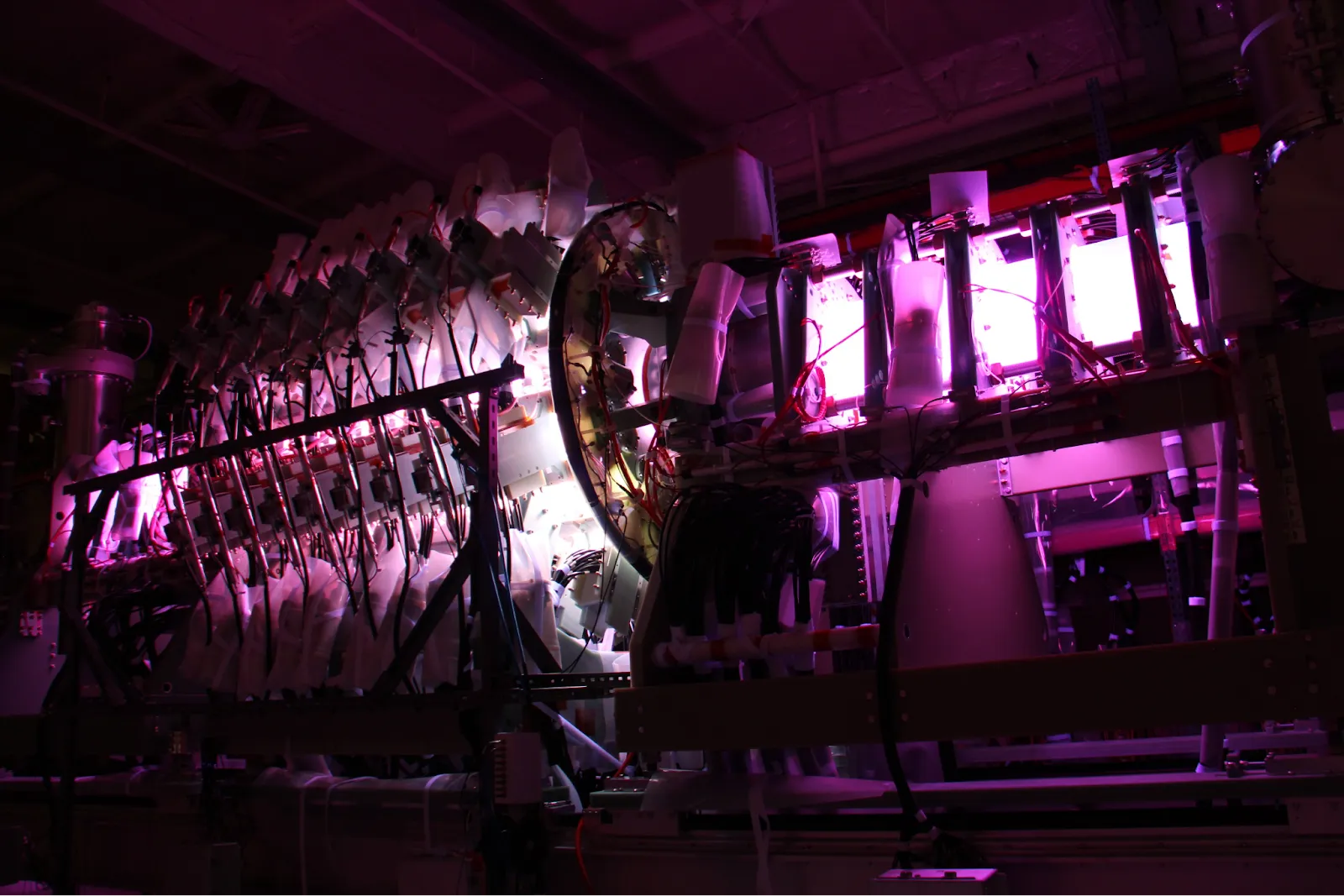
[An experimental machine that produces electricity directly through faster-speed reactions, using strengthened magnets to improve fusion conditions © Helion Energy]
The Attention Gathering Around Helion Energy in 2024
The prototype of the seventh reactor Helion Energy is currently developing is set to demonstrate electricity-production capability within 2024. The new model, which will show Helion Energy's continuous progress, is expected to go beyond the achievement of the sixth prototype — which drew attention by succeeding in practical fusion-energy generation, including successfully reaching a plasma temperature of 100 million degrees — and to create an important turning point in energy production.
Nuclear power, once remembered as a weapon of war, is being used as a weapon to end the climate crisis. In this age accustomed to fossil fuels, it is presenting an innovative solution and preparing to take the stage as a new energy supplier. Will Helion Energy's seventh prototype in 2024 usher in the age of pure electricity? Let us watch with interest in climate-change response and clean-energy production.
by Editor L