
A circular economy is a sustainable economic model that aims to minimize waste by efficiently using, recycling, and regenerating resources. It stands in contrast to the conventional linear economy — characterized by a one-way flow from resource extraction through production, consumption, and disposal — by incorporating regeneration and recycling into the process. Beyond environmental protection, the circular economy offers economic and social benefits including resource conservation.
Efforts toward a circular economy begin at the product design stage, where companies work to minimize waste generation and prevent pollution from the outset. Products and materials must be recycled to extend the lifespan of resources and reduce waste. Practical efforts to restore or maintain the regenerative capacity of the ecosystems that underpin all resources are also necessary.
South Korea, a resource-scarce nation, is actively embracing the circular economy as part of its response to environmental challenges. The national strategy was set in motion in 2018, when the Ministry of Environment and relevant ministries announced the First Basic Plan for Resource Circulation to transition the country's economic and social structure toward a circular model. In 2022, the Act on the Promotion of a Circular Economy Society was enacted, establishing the framework for a stable transition. Companies are now applying circular economy principles by adopting environmentally friendly product design and production methods. The circular economy is becoming an indispensable paradigm across society for achieving sustainable development.
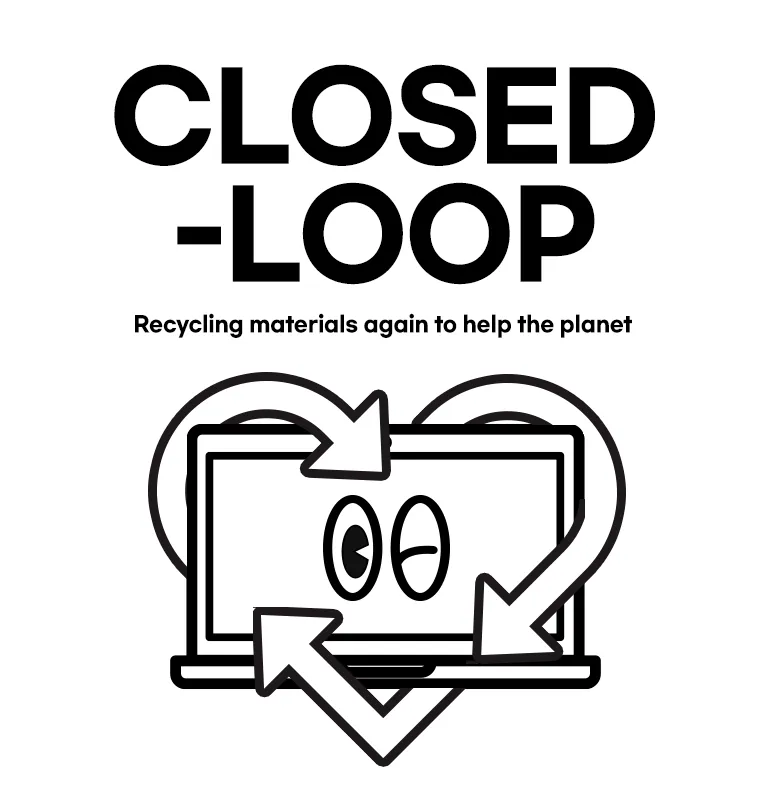
[Circular Economy ⓒESG.ONL]
by Editor O
[Reference Article] Carbon Footprint