
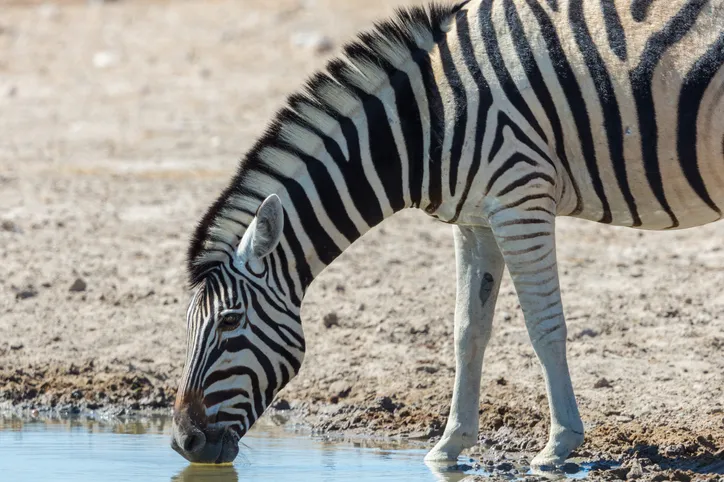
Zebras, always appearing as extras in African savanna documentaries, are now rapidly disappearing for certain species — yet they remain familiar to us as the symbol of sub-Saharan Africa thanks to their black-and-white stripes. January 31, ‘International Zebra Day,’ was established in 2014 to raise awareness of the importance of protecting zebras and their habitats and to encourage action for ecosystem conservation. Let us learn about International Zebra Day, which opens the first of the nearly 100 international commemorative days for the protection of endangered flora and fauna throughout the year.
Three Species of Zebras Facing Different Survival Realities
Zebras are broadly divided into three species according to their coat pattern, stripe arrangement, and habitat: the Plains Zebra found across eastern and southern Africa, the Mountain Zebra inhabiting only the arid highlands of Namibia and South Africa, and the Grevy’s Zebra seen in the forests of Kenya and Ethiopia. Among these, the Plains Zebra is known to have the largest population at over 250,000, yet it has declined by 25% since 1992 and is currently classified as ‘Near Threatened’ on the IUCN Red List. The Grevy’s Zebra, which inhabits only Kenya and Ethiopia, numbers fewer than 3,100 individuals, and its extinction has already been declared in Somalia and Sudan — a staggering 80% decline since the 1970s.
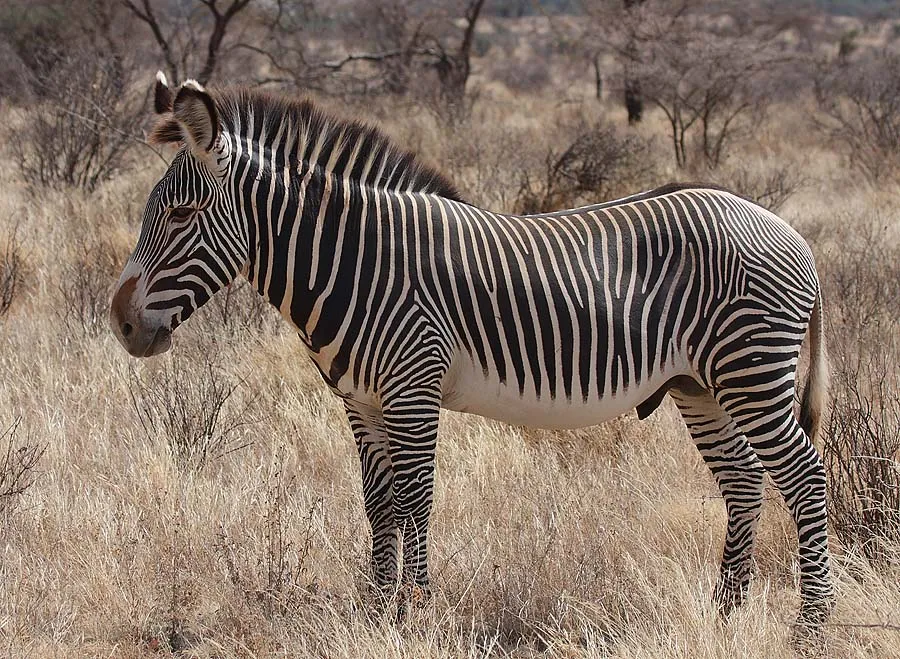
[Grevy’s Zebra Ⓟ Wikipedia]
What is at least hopeful is the news that the Mountain Zebra, especially the Cape Mountain Zebra, which had nearly gone extinct in the 1930s, increased to approximately 5,693 individuals as of 2023 thanks to the devoted efforts of conservation organizations. The Mountain Zebra National Park, established in 1937, played a key role in saving the Cape Mountain Zebra from the threat of extinction.
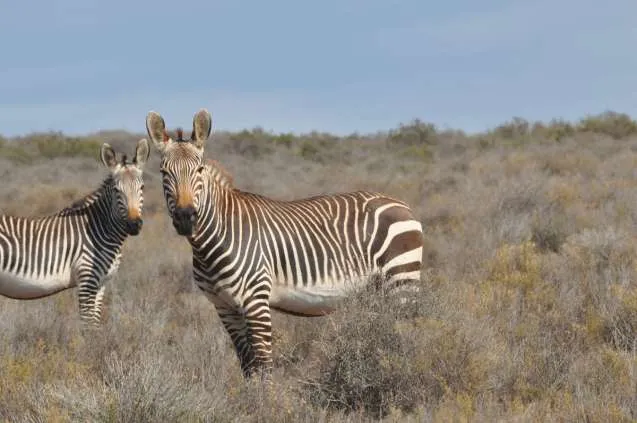
[Cape Mountain Zebra Ⓟ AfricanBudgetSafaris]
Why Ecosystem Keystone Zebras Are Disappearing
The causes of the zebra’s decline are similar to those of other wild animals: extreme drought due to climate change, habitat loss from the expansion of agriculture and grazing lands, and poaching for meat and hides. Particularly as agriculture has spread and irrigation facilities have increased, the water volume of Kenya’s Ewaso Ng’iro River has sharply decreased by over 90%, causing chronic water shortages for the animals of the African savanna.
The zebra’s trademark stripes are not simply for looks. They are the product of evolution for survival. When zebras gather in herds, their stripes create dizzying light reflections under intense sunlight, causing visual confusion for predators and ultimately making it difficult for them to pinpoint their prey precisely. The stripes are also known to have the effect of repelling insects that cling to their backs. Yet to humans, those stripes were considered a requirement for fine leather, and became one of the causes placing zebras at risk of extinction.
The reason zebras must not disappear is not simply because they are ‘cute.’ Zebras are a keystone species that maintains the balance of the ecosystem. By primarily consuming tall, tough grasses, they make it easier for smaller animals to access short, nutrient-rich grasses. While plant diversity is promoted in this way, the seeds spread through zebra droppings further enrich the plant species of the habitat. Moreover, as a primary food source for predators, zebras play an important role in the food chain, so if they disappear, the entire grassland ecosystem could collapse.
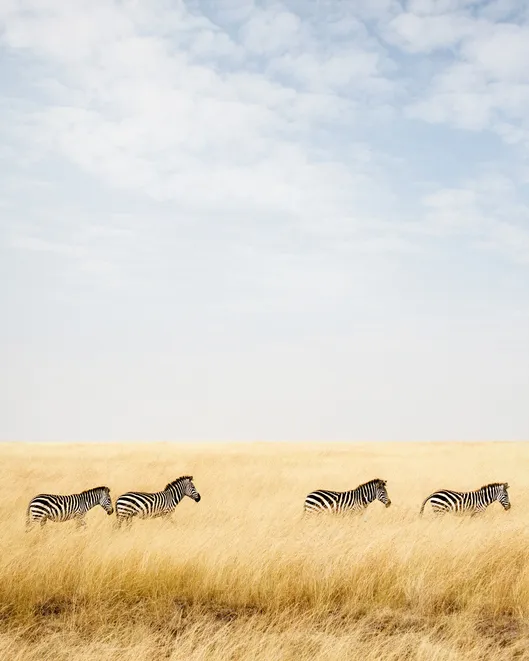
[Zebras of the savanna Ⓟ getty images]
There are nearly 100 international commemorative days for the protection of endangered flora and fauna throughout the year, yet the environment around us is becoming an increasingly unstable refuge for life, including humans. There are countless ways we can contribute to animal and plant protection, from efforts to conserve habitats to supporting conservation organizations. On January 31, International Zebra Day, why not broaden our interest? Small actions such as sharing posts about zebra protection on social media or donating to wildlife conservation organizations can together protect the zebra.
by Editor L