

Wherever you go these days, talk of the ‘Dubai Chewy Cookie’ (hereinafter Du-Cheon-Coo) can be heard. People willingly engage in open runs and wait in long lines to get their hands on one. This unfamiliar dessert, which harmonizes crispy kadaif, savory pistachio, and chewy marshmallow, has gone beyond being a mere food item to become a cultural phenomenon. But there is a fact we have overlooked, intoxicated by the flashy visuals and sweet taste: the ‘uncomfortable truth’ left behind by the ingredients that crossed the globe to complete this single piece.
The popularity of Du-Cheon-Coo has gone beyond scarcity to lead to market distortion. As the supply of the key ingredients — kadaif and pistachio — cannot keep up with demand, prices have skyrocketed. Some businesses and consumers complain of fatigue from dessert inflation fueled by industry collusion or the pretext of rising costs. Let us examine the questions we missed, buried in the consumer psychology of ‘it’s trendy so I have to try it’ — where these ingredients came from and how they reached our tables.
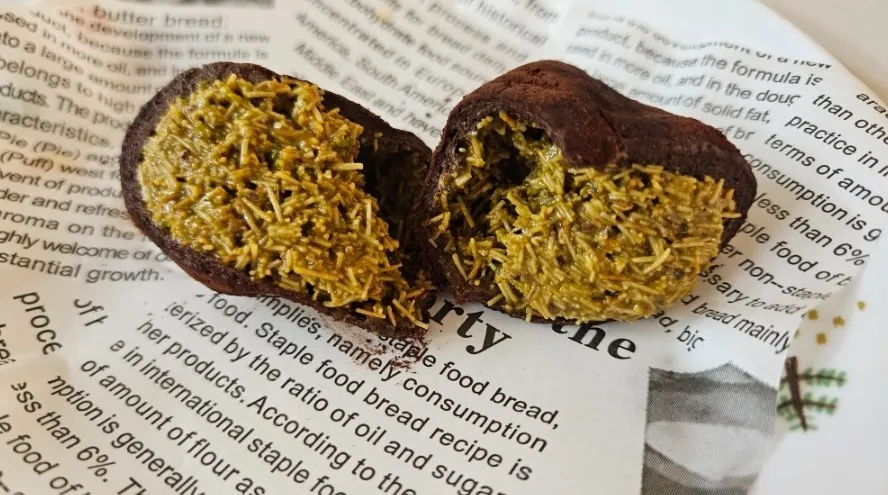
[Dubai Chewy Cookie © Newsen Talk]
The Pistachio Craze: The Environmental Cost Behind It
Pistachio, the key ingredient of Du-Cheon-Coo, has been on a steady upward popularity trend. From 2023, the franchise beverage and bakery industries began utilizing pistachio as an ingredient in drinks and croissants. In the same year, Capital Press (an American agricultural newspaper) reported that California’s pistachio economy was booming and projected further expansion. Then in December 2023, a Dubai chocolate video posted on TikTok by influencer Maria Vehera went viral, sparking the global Dubai chocolate craze, which led to the current Du-Cheon-Coo trend.
The market is moving quickly to catch up with demand. According to the Administrative Committee for Pistachios, pistachio trees are increasing by approximately 35,000 each year in California alone, the largest growing region. Environmental costs are hidden here too.
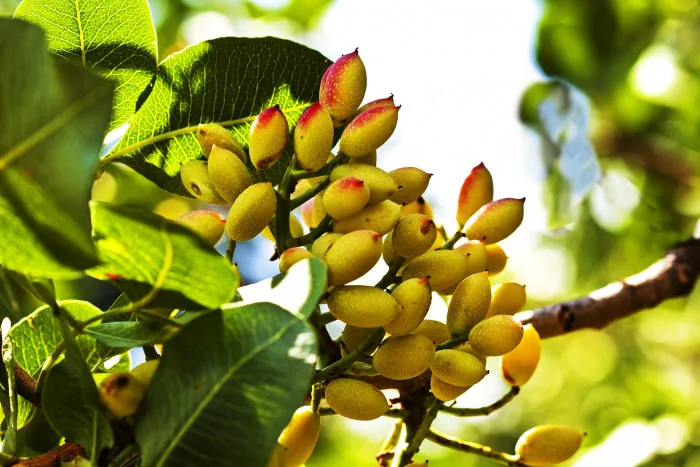
[Pistachio Tree © Treeinfo]
The amount of water consumed to obtain 1 kg of pistachios reaches a staggering 10,000 liters. The main growing regions, California and the Middle East, already face severe drought and groundwater depletion. Furthermore, the method of large-scale monoculture cultivation causes soil degradation and loss of biodiversity, while the excessive use of chemical fertilizers to meet increased demand leads to water pollution. Pistachio consumption, which has surged globally under the name of a trend, is even impacting the environment.
Carbon from Transportation, Waste from Consumption
What is easily overlooked is the environmental cost embedded in the import process of the ingredients. The core ingredients of Du-Cheon-Coo — pistachio, kadaif, marshmallow, and others — mostly rely on imports. The longer the distance food travels from its place of origin to reach consumers, the proportionally greater the environmental burden.
According to the Korea Rural Economic Institute, imported agricultural products emit far more carbon dioxide in the transportation process than domestic ones. Imported grapes leave 4.4 times more carbon than domestic ones, and kiwis leave 3.3 times more. As of 2019, the carbon dioxide emissions from South Korea’s food imports amounted to approximately 11.46 million tons, a figure exceeding half of the emissions from the entire domestic agricultural production sector. A single thoughtlessly enjoyed bite of Du-Cheon-Coo contains the massive carbon emitted while crossing the Pacific Ocean from the other side of the planet.
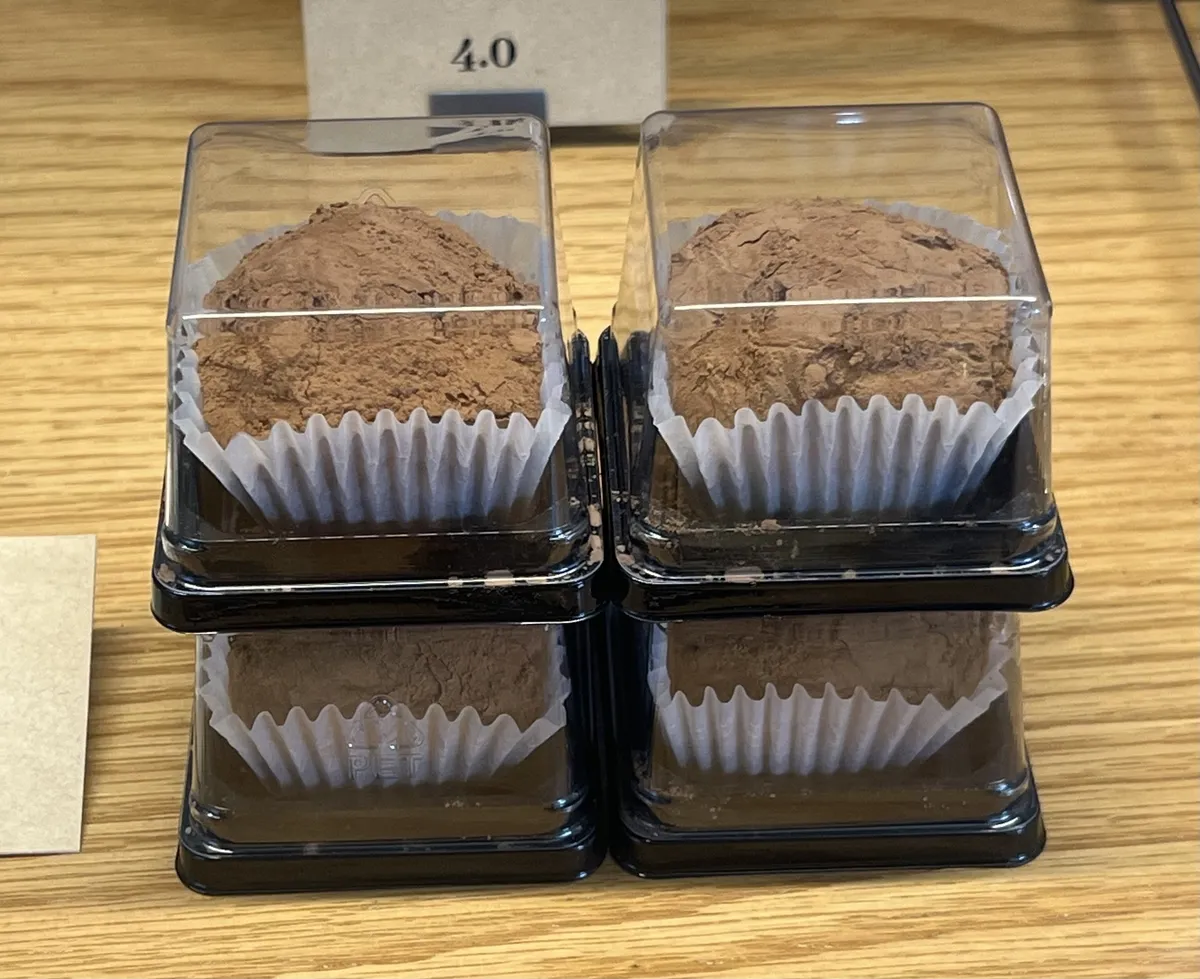
[Packaged Dubai Chewy Cookie © Yonhap News]
And the Du-Cheon-Coo made in this way is delivered to consumers surrounded by disposable items. To handle the explosive demand, most stores handling Du-Cheon-Coo focus on packaged sales. The plastic boxes, vinyl shopping bags, and cooling packs used to package a single cookie are discarded intact as waste after a single use. In effect, we are discharging waste that will not decompose for hundreds of years for the sake of a moment’s sweetness.
Enjoying rare ingredients from across the world airlifted in real time is an unprecedented privilege enjoyed by modern humanity. However, as the UN Food and Agriculture Organization (FAO) has pointed out, 33% of global greenhouse gas emissions originate from the food system. The reason the European Union is pursuing the ‘Farm to Fork’ strategy for carbon neutrality is that the sustainability of food is directly tied to our survival.
The money paid for a single Du-Cheon-Coo may not simply be the price of taste, but a debt incurred for drawing forward the Earth’s resources. We need to maintain awareness of the real cost we are paying amid the sweet trend.
by Editor N