
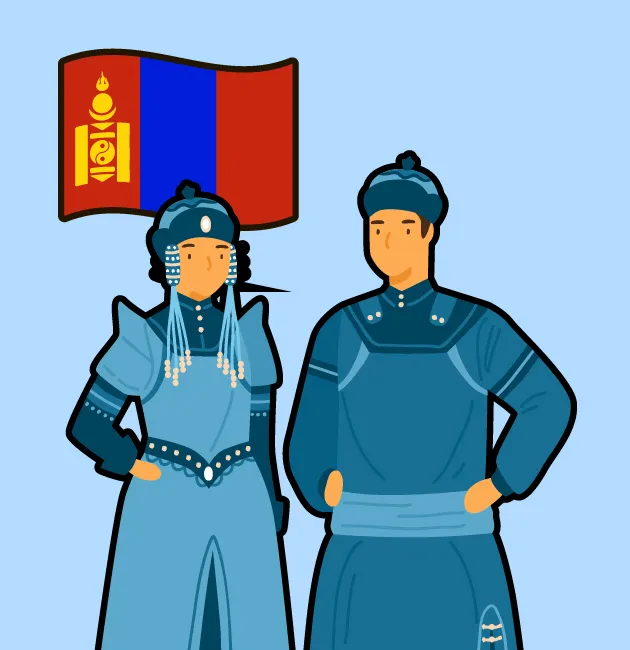
The Netflix variety show ‘Physical: Asia’ drew global attention. Riding on the popularity of the previous installment ‘Physical 100,’ the newly produced Physical: Asia entered the global Top 10 for three consecutive weeks after its first release on October 28, recording 2.5 million viewing hours from November 10 to 16. As a national competition in which eight countries — South Korea, Mongolia, Indonesia, Japan, Thailand, Turkey, the Philippines, and Australia — flew their flags, it drew great interest not only from the participating nations but from sports fans around the world.
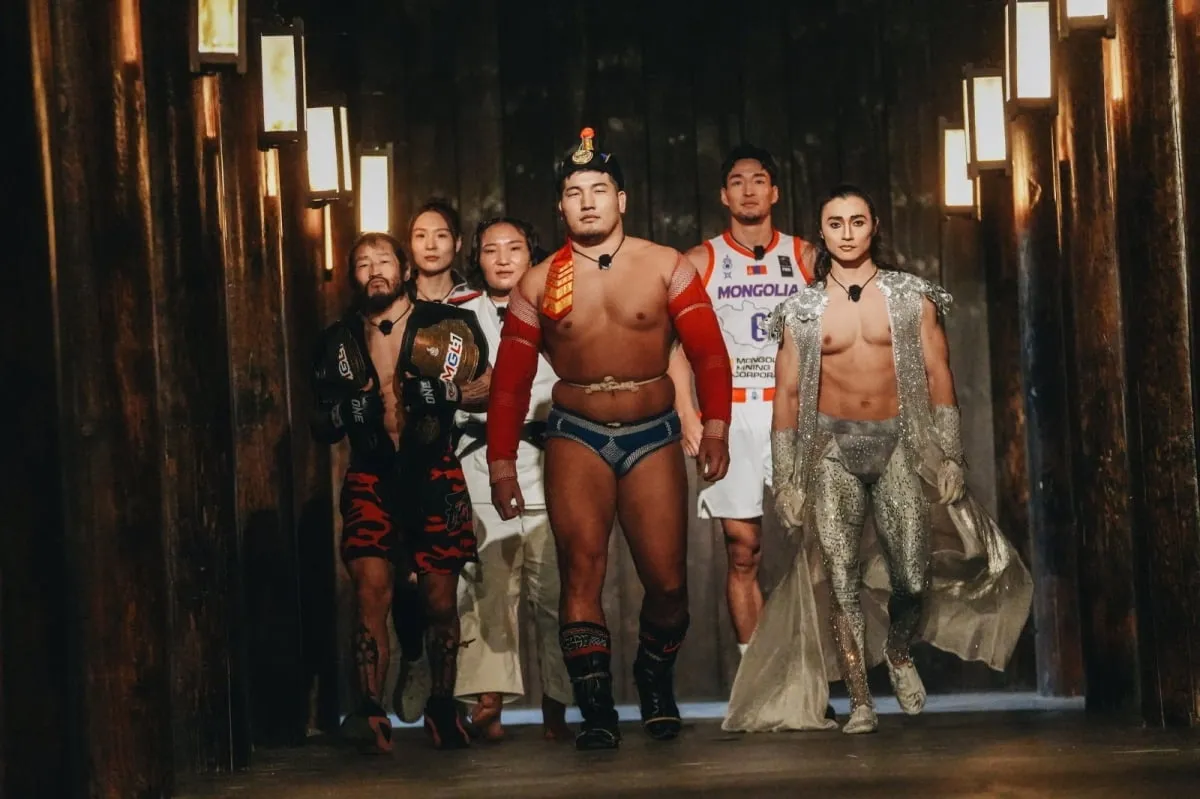
[Physical: Asia Mongolia Team Ⓟ Netflix]
Team Mongolia, Elevated to National Heroes
South Korea took the victory. However, there was a team that garnered as heated a response as Korea from this program: the Mongolia team. Centered around Erkhenbayar Bayarsaikhan, a champion of Mongolia’s traditional wrestling ‘Bukh,’ the Mongolia team captured the hearts of viewers with their humble and sincere attitude and outstanding strategy. Former Mongolian President Tsakhiagiin Elbegdorj came out to cheer them on, and the Mongolian media covered the team’s performance. Mongolian viewers sent enthusiastic support by posting proof shots of group viewings on large screens on social media, and after the program ended, the members of the Mongolia team were elevated to national heroes and were invited to commemorative events including Genghis Khan’s birthday. Chinbat Undram, Minister of Culture, Sports and Tourism, acknowledged it as a matter of national interest, calling Physical: Asia “a program I watch every week with my son” and stating that it “not only elevates Mongolia’s honor but will also be a great help to the tourism industry.”
Mongolia, Close to Us: The Current ‘Strategic Partnership’
Mongolia is a country linguistically and culturally close to us. There are children born with Mongolian spots, and we are similar in appearance to the extent of being difficult to distinguish. Since the establishment of diplomatic relations in 1990, bilateral relations developed into a ‘Comprehensive Partnership’ in 2011 and further to a ‘Strategic Partnership’ in 2021. The trade volume, which was USD 2.71 million at the time of establishing ties, showed a more than 200-fold increase to USD 570 million in 2024. Korean companies, noting Mongolia’s abundant mineral resources, entered the mining, wholesale and retail, and construction industries, and in Mongolia, approximately 50,000 Mongolian nationals migrated to South Korea in search of work. Among these, about 11,000 Mongolians are employed, working in manufacturing, agriculture, construction, and the like, forming one axis of the Korean economy.

[Mongolia’s ‘Orgil’ Store Displaying Homeplus Private Brand Products Ⓟ Homeplus]
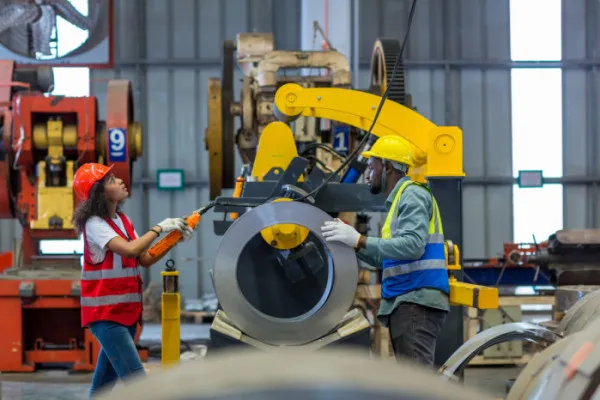
The Mongolia team, who received the interest and affection of Koreans through Physical: Asia — yet the environment for Mongolians working in South Korea, especially workers, is marked by both light and shadow. As of 2024, approximately 2.6 million foreign nationals reside in South Korea, of which one million are employed workers. While not a small number, the labor conditions they face are often poor. Representative issues include wage arrears, low wages below the minimum wage, long working hours, and industrial accidents. Particularly regarding Mongolian workers, the issue of industrial accidents cannot go unmentioned. Tragic news stemming from poor environments — such as the fatal fall at a Seoul apartment construction site in April 2025 and the fatal fall at a Gangwon-do waste recycling company in November — continues without end.
Housing conditions and health insurance are also problematic. Approximately 65% of employed workers reside in employer-provided accommodations, but 40% of these are illegal temporary structures or provisional lodging. Seventy percent of migrant workers in agriculture and fisheries live in illegal buildings and work under the daily threat of accidents. The health insurance enrollment rate is also only 60%, leaving weak preparation for emergency situations.
[Foreign Workers Working in South Korea Ⓟ gettyimages]
The perseverance and outstanding physical strength that we saw from the Mongolia team in Physical: Asia are virtues they also demonstrate at Korean labor sites. Yet while we enthusiastically applaud them in the program, are we not indifferent to, and at times prejudiced against, the problems of migrant workers we encounter in everyday life? If the cheers we sent to their impressive appearance in Physical: Asia expand into interest in Mongolian migrant workers, we will be able to coexist with them and create a better future.
by Editor N