
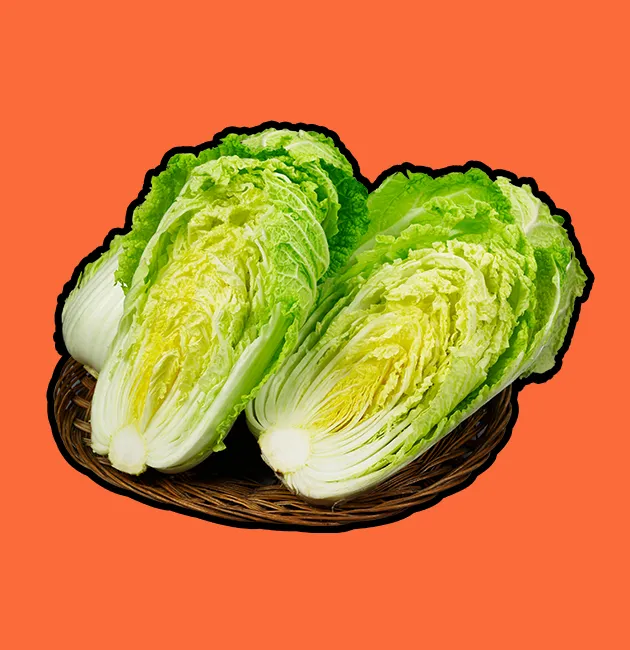
Cabbage prices surged this summer due to the heatwave and drought to the point of acquiring the nickname ‘gold cabbage.’ In mid-August, the price per head of cabbage exceeded KRW 7,000, and consumers, with the burden growing, could not help but worry about cabbage prices with the approaching kimchi-making season.
Due to the drought and heatwave in August and frequent rain in September, cabbage shipments decreased to a certain level. In this situation, the government actively intervened in the market starting around Chuseok, securing an all-time high of 35,500 tons of available supply and releasing it to the market in phases to stabilize the kimchi-making season supply. Furthermore, it injected a budget of KRW 50 billion to support discount sales of cabbage. Through December 3, discount events were held at large and small/medium-sized marts on all kimchi ingredient items.
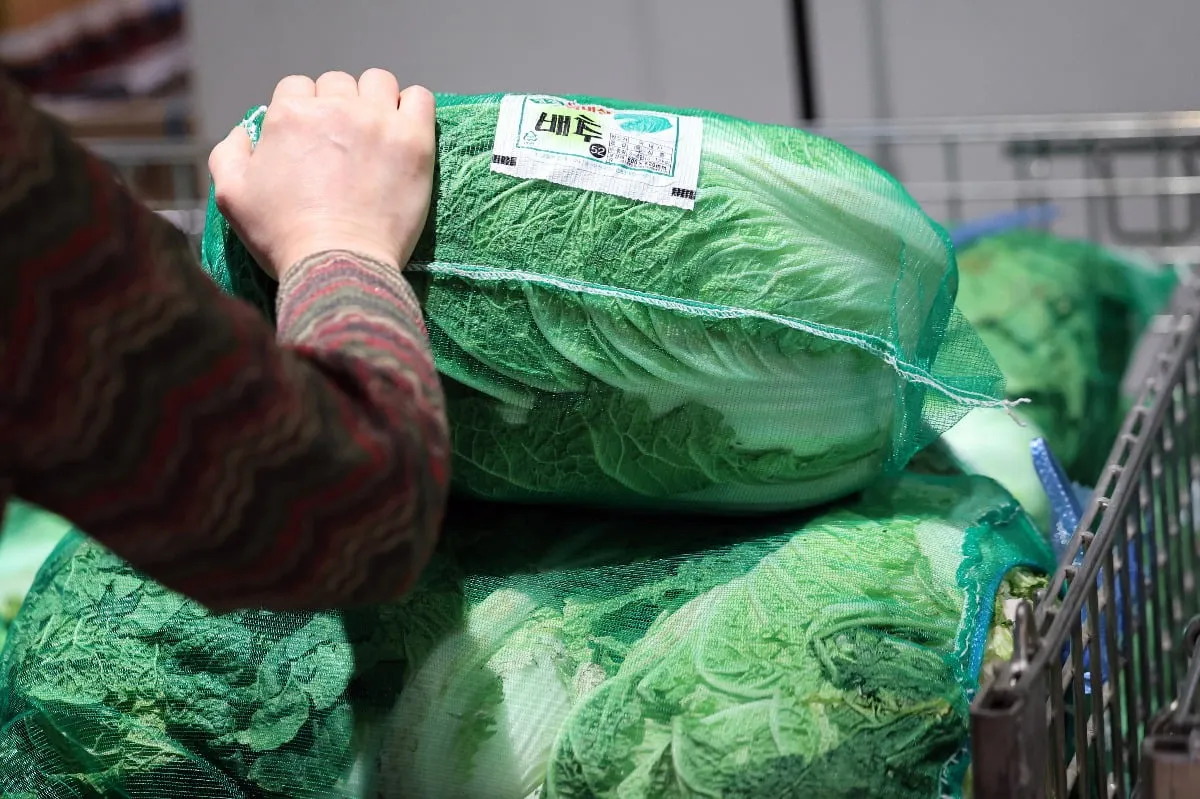
[Kimchi-Making Season Cabbage Ⓟ News1]
Stabilization of Cabbage Prices and Reduction of Kimchi-Making Costs Through Government Response
Thanks to the effect of these policies, cabbage prices dropped sharply in November. The retail price, which had been KRW 6,844 a month earlier, fell by half to KRW 3,392. The smooth supply of cabbage was also aided by the fact that the autumn cultivation area increased by 2.5% compared to the previous year.
As a result, the cost of making kimchi for a family of four was approximately KRW 210,000, about KRW 12,000 lower than last year. As the prices of other kimchi ingredients such as radish, garlic, and onion also fell together, the burden on consumers was reduced.
The Climate Crisis Continues, with Ripple Effects Reaching Other Crop Cultivation
While cabbage prices are showing stabilization thanks to government measures, crop cultivation continues to be hit by the climate crisis. Lettuce production decreased due to poor weather such as frequent rain in October, and although the government increased imports to prevent a sharp rise in lettuce prices, keeping them stable, the damage from this autumn’s rainy season was so extensive that the supply of lettuce in Hoengseong-gun, Gangwon-do, a major production area, can hardly be described as stable.
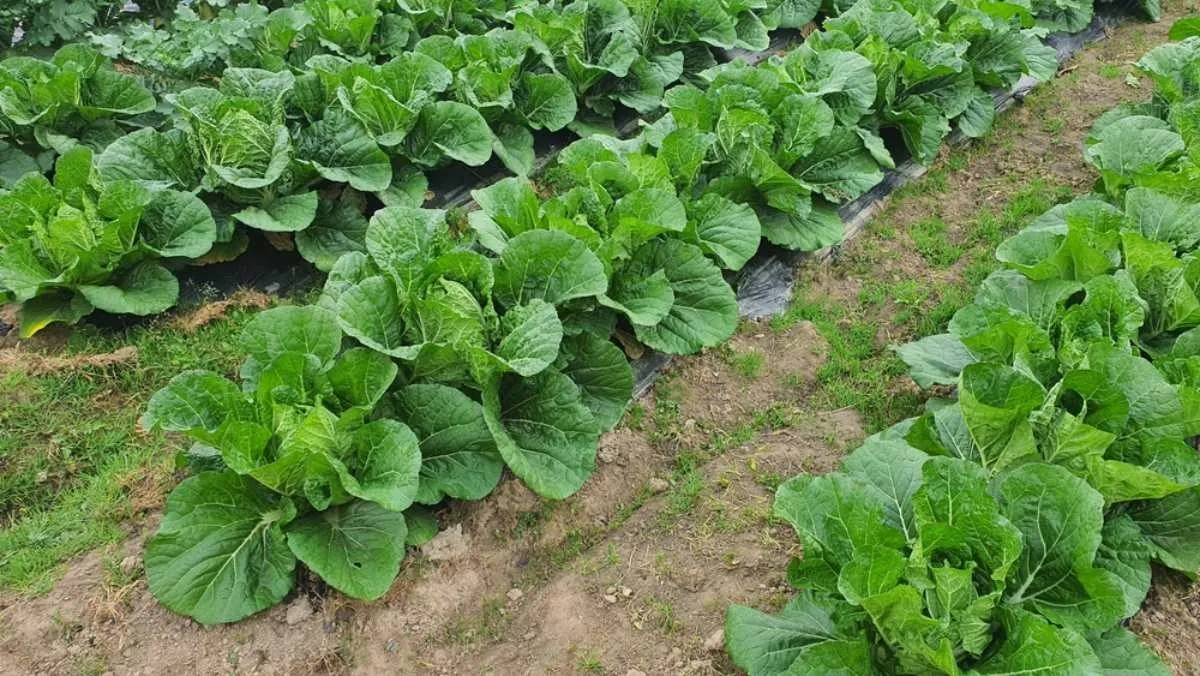
[Lettuce Reference Photo Ⓟ gettyimages]
Beyond lettuce, the phenomenon in which the prices of key raw materials such as tomatoes and oranges become unstable due to climate change is repeating. Had it not been for government intervention this time, the uncertainty in the supply of the vegetables and fruit we routinely eat would have been much more serious. If climate changes and sudden temperature fluctuations — different from before, like the snow that recently fell at heavy snow levels in a short span — occur again, the volatility of food ingredient prices could grow even greater.
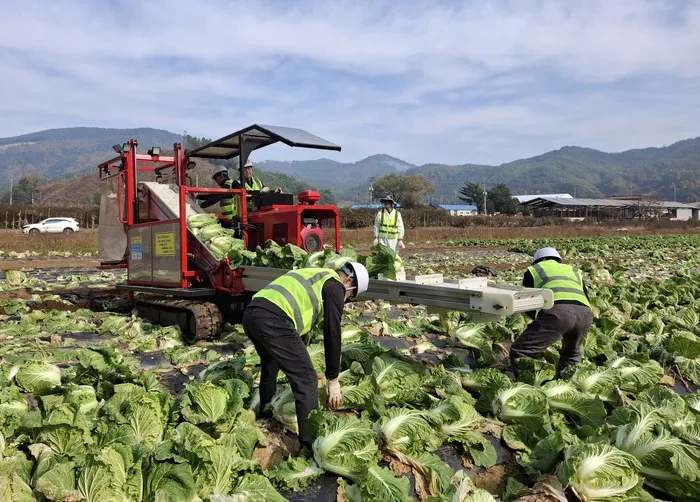
[Cabbage Field in Yeoryang-myeon, Jeongseon-gun, Gangwon-do Ⓟ Gangwon State Agricultural Research and Extension Services/Yonhap News]
Time for Efforts Toward Crop Cultivation Amid the Climate Crisis
Meanwhile, an increasing number of farms are converting from unstable highland cabbage to other crops such as apples and cabbages. Although various measures are being discussed, including the cultivation of heat-resistant cabbage varieties, customized cultivation strategies by variety, and Genome Editing (GEO) technology, these are likely to be stopgap measures in the end.
Amid the annually intensifying abnormal weather, the real crisis we face is not the price of a single head of cabbage but the fact that the entire agricultural ecosystem is being shaken. The ‘gold cabbage’ controversy that repeats every kimchi-making season is not a simple seasonal issue but a warning sign showing how the climate crisis threatens our everyday lives. In the face of abnormal weather in which diverse anomalies occur regardless of the speed of our adaptation, urgent measures are needed.
by Editor N