
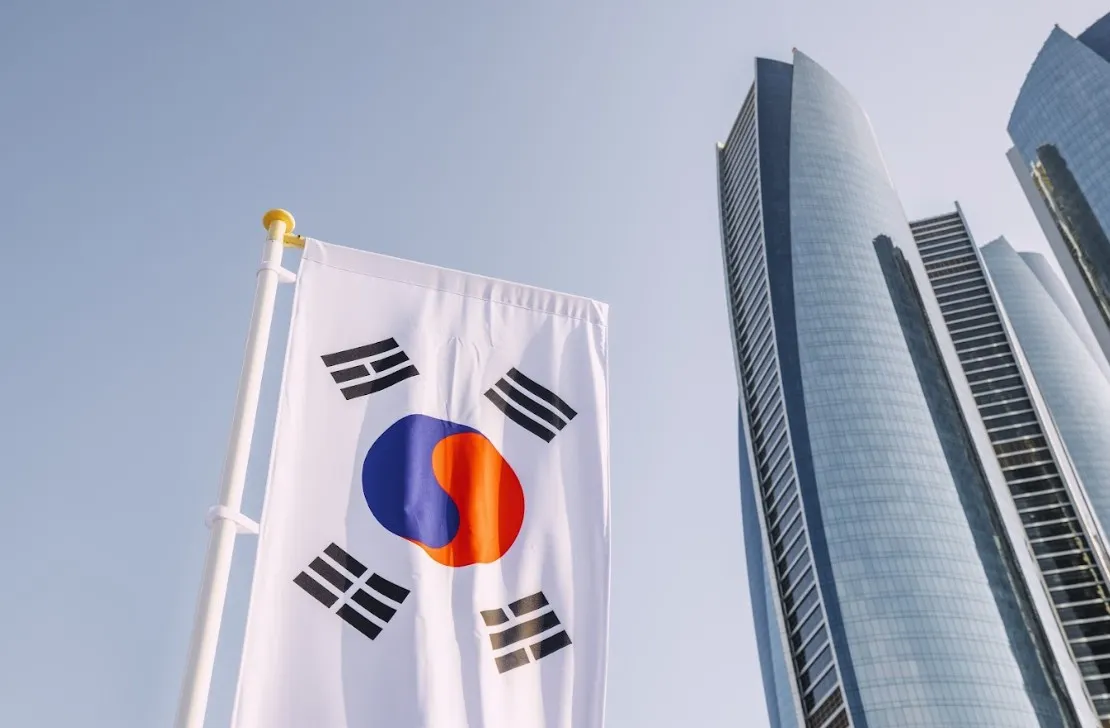
Even amid the flow of global ESG change in the US, Europe, and elsewhere, domestic ESG policy has, entering this year, trended toward becoming more full-fledged than before. This is because, in the global market, ESG is already accepted as an institutionally settled flow. ESG.ONL has summarized the direction of major Korean companies' ESG responses amid a rapidly changing environment.
In 2025, there was worldwide turmoil due to the US Trump administration's declaration of withdrawal from the Paris Climate Agreement and its ESG-policy reversal. But Korea, undeterred by this, is trending toward further strengthening climate-change response and ESG policy. Our government decided to make a large-scale investment of more than 2.7 trillion won in "climate-change response technology development." It has also stated that it will join international cooperation to solve the global climate crisis, and domestic companies too are maintaining a keynote of strengthening ESG management.
From 2025 to 2050... Efforts to Strengthen Global Cooperation
Since the 1990s, Korea has actively participated in the international response to climate change, joining the "UN Framework Convention on Climate Change (UNFCCC)" and the "Kyoto Protocol." After the Paris Agreement in 2016, it set a national greenhouse-gas reduction target of 40% compared with 2018 by 2030, and continues to push concrete policies to realize this. In particular, it reflected in domestic policy the goals of tripling renewable energy and doubling energy efficiency, agreed at the "28th Conference of the Parties to the UN Framework Convention on Climate Change (COP28)," and received positive evaluation in the international community. That said, there are realistic adjustments — for instance, the representative ESG-related policy of "mandatory ESG disclosure," originally scheduled for sequential introduction in 2025, was decided to be applied from after 2026, considering industry's difficult current situation. "Mandatory ESG disclosure," which raises companies' transparency and accountability while providing investors with more accurate information, is planned to expand in stages from 2025 to 2030. Let us look at the ESG-management status of the domestic large corporations that will be included among the mandatory-disclosure targets — how far along they are.
[Realizing carbon-neutrality goals © Samsung, © Hyundai Motor]
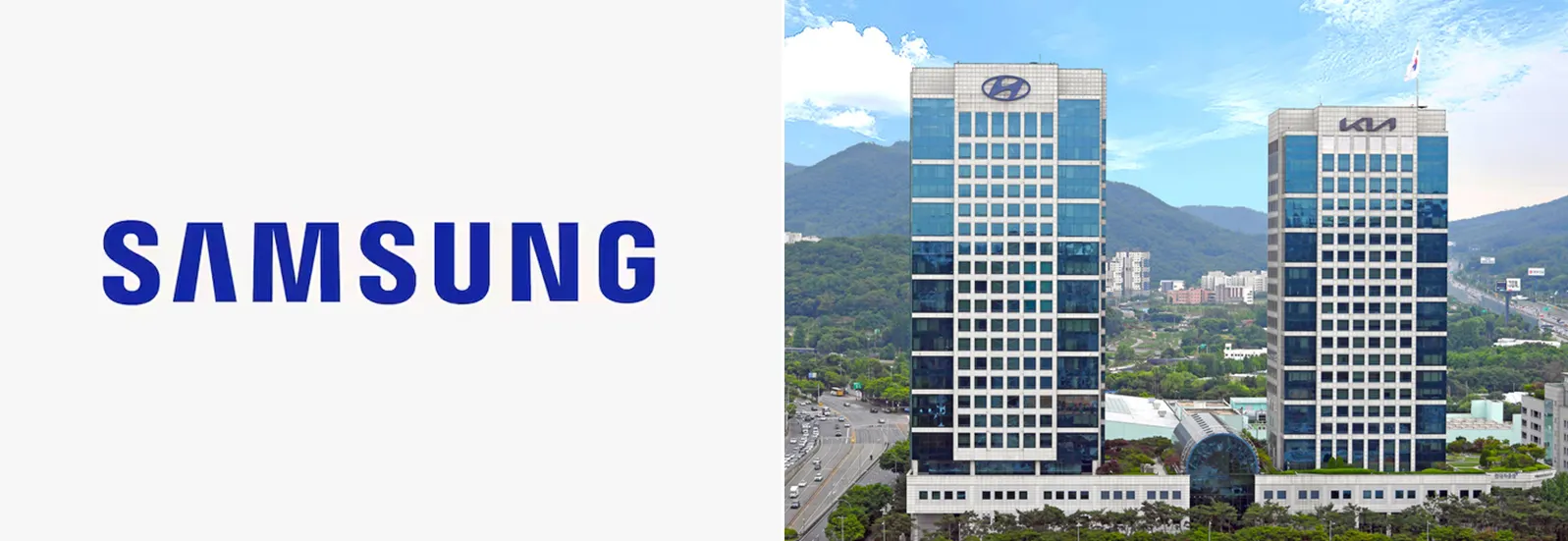
[1] Samsung Electronics and Hyundai Motor's Realization of Carbon-Neutrality Goals]
To achieve carbon neutrality by 2050, "Samsung Electronics" is currently pushing to convert to 100% renewable-energy use at its global sites. It is also focusing on reducing water use and expanding wastewater recycling in the semiconductor process. "Hyundai Motor," which decided to produce 670,000 electric and hydrogen cars to replace fossil-fuel-based cars by 2025, currently plans to lead the eco-friendly mobility market and is carrying out carbon-reduction projects linked to electric vehicles. It is also practicing ESG management through methods such as introducing solar-power generation systems into the production process.
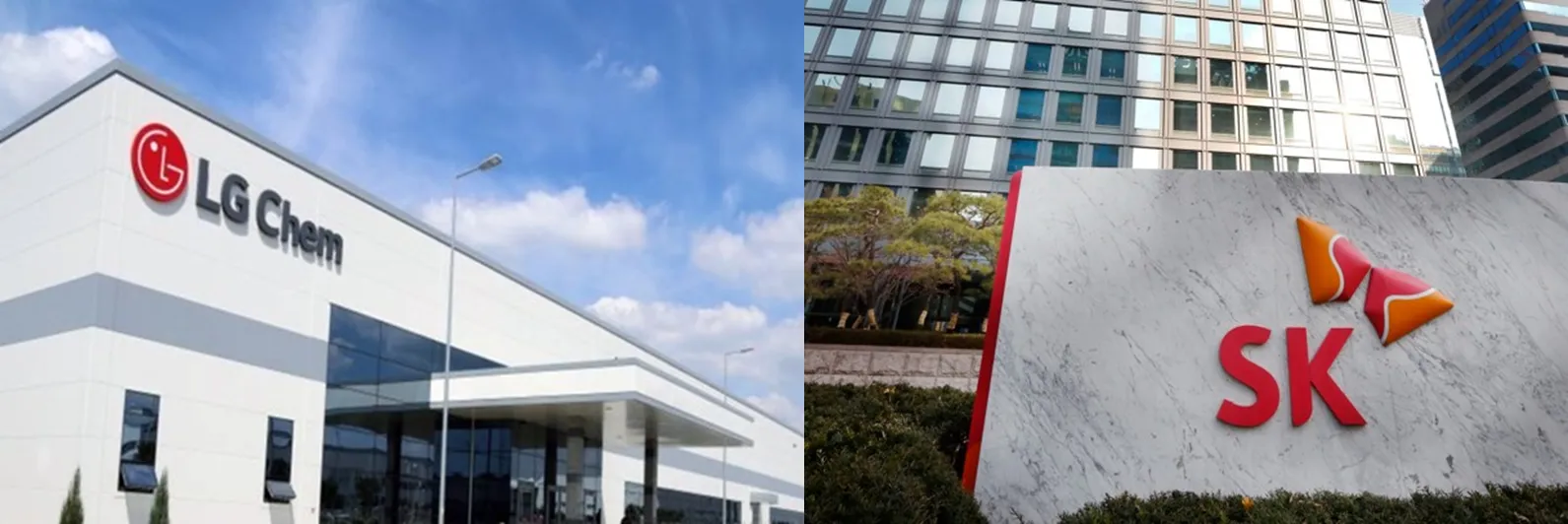
[Building circular-economy systems © LG Chem, © SK Innovation]

[2] LG Chem and SK Innovation's Circular-Economy Activity Models]
"LG ChEm," which developed bio-raw-material-based recycled plastic and achieved a 95% waste-recycling rate, is building a resource-circulation economy by commercializing waste-battery recycling technology. LG Chem plans to invest 10 trillion won in eco-friendly-material development and mobility- and battery-related businesses, with the goal of carbon-neutral growth by 2025. "SK Innovation" also focuses on circular-economy activities. It is practicing a "Net-Zero-waste" goal through a circular-raw-material-based production process that recycles waste plastic. "SK geo centric" aims to build a waste-plastic recycling cluster in Ulsan by 2025, producing 150,000 tons of pyrolysis oil annually and achieving a carbon-reduction effect of 400,000–500,000 tons per year.
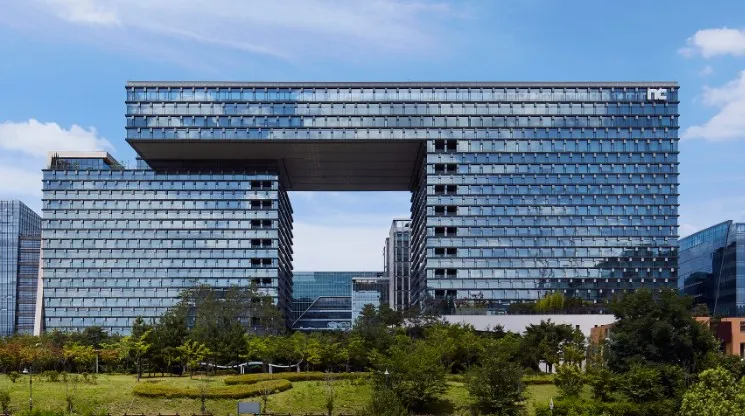
[Establishing and applying ESG standards © CJ Group, © NCSOFT]
[3] The "CJ Group," Striving for ESG Internalization]
The "CJ Group" places emphasis on internalizing ESG throughout the entire organization. Therefore, it operates a sustainability-management committee and consultative bodies so that organization members make decisions from an ESG perspective. It strives to create a virtuous-cycle structure by putting forward the values of environment, safety, and health, from raw-material purchasing to production, consumption, and disposal. Also, on the social-responsibility front, along with promoting diversity, equity, and inclusion (DEI), it made efforts for human-rights protection through human-rights due diligence, achieving results such as raising the ratio of female executives and managers and lowering the employee industrial-accident rate.
[4] The IT Industry, Setting AI Ethics Standards]
Domestic IT companies are creating codes and programs to respond to concerns about ethical problems emerging along with the advance of AI technology. "NCSOFT" operates an ethics-and-security system for AI services through an "AI Red Team," managing data protection and transparency. Also, "NAVER" continues to update its AI ethics code in cooperation with the "Seoul National University AI Policy Initiative (SAPI)." "Kakao" operates an AI-algorithm ethics-education program for all employees, providing an environment where AI ethics can be practically applied to general work. Companies are establishing AI ethics to secure reliability along with corporate competitiveness and to prepare for internal and external risks.
Continuous Domestic ESG Policy Keeps the ESG Investment Flow Going
In this way, despite changes in the international ESG-policy environment, Korea is continuing the ESG-related policies it had been pursuing. It will be hard to avoid the effects of changes in the economic environment, but the principles and technological environment established at the government and corporate level for carbon-neutrality goals aim at a long-lasting effect and will continue to create sustainable models in 2025 too.
> ESG.ONL's Three-Line Summary 💡
> - In 2025, despite the Trump administration's ESG-policy reversal, Korea is strengthening climate-change response and ESG policy.
> - Korea's mandatory ESG disclosure has been postponed to after 2026 but is set to expand in stages by 2030.
> - Domestic large corporations are striving to achieve carbon-neutrality goals and build circular-economy models, and the IT industry is setting AI ethics standards.