
A Frontrunner in Climate Tech: Newlight Technologies
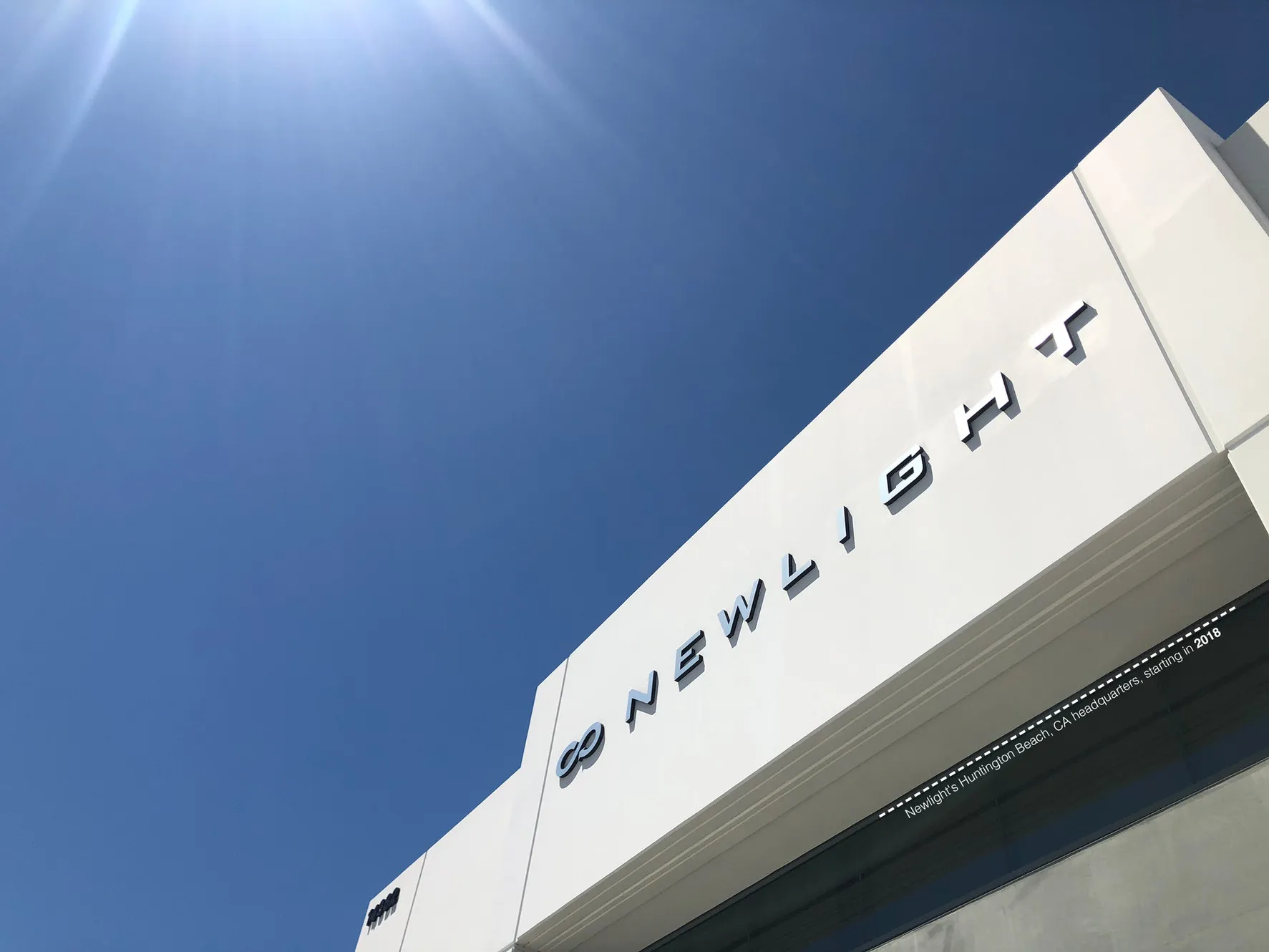
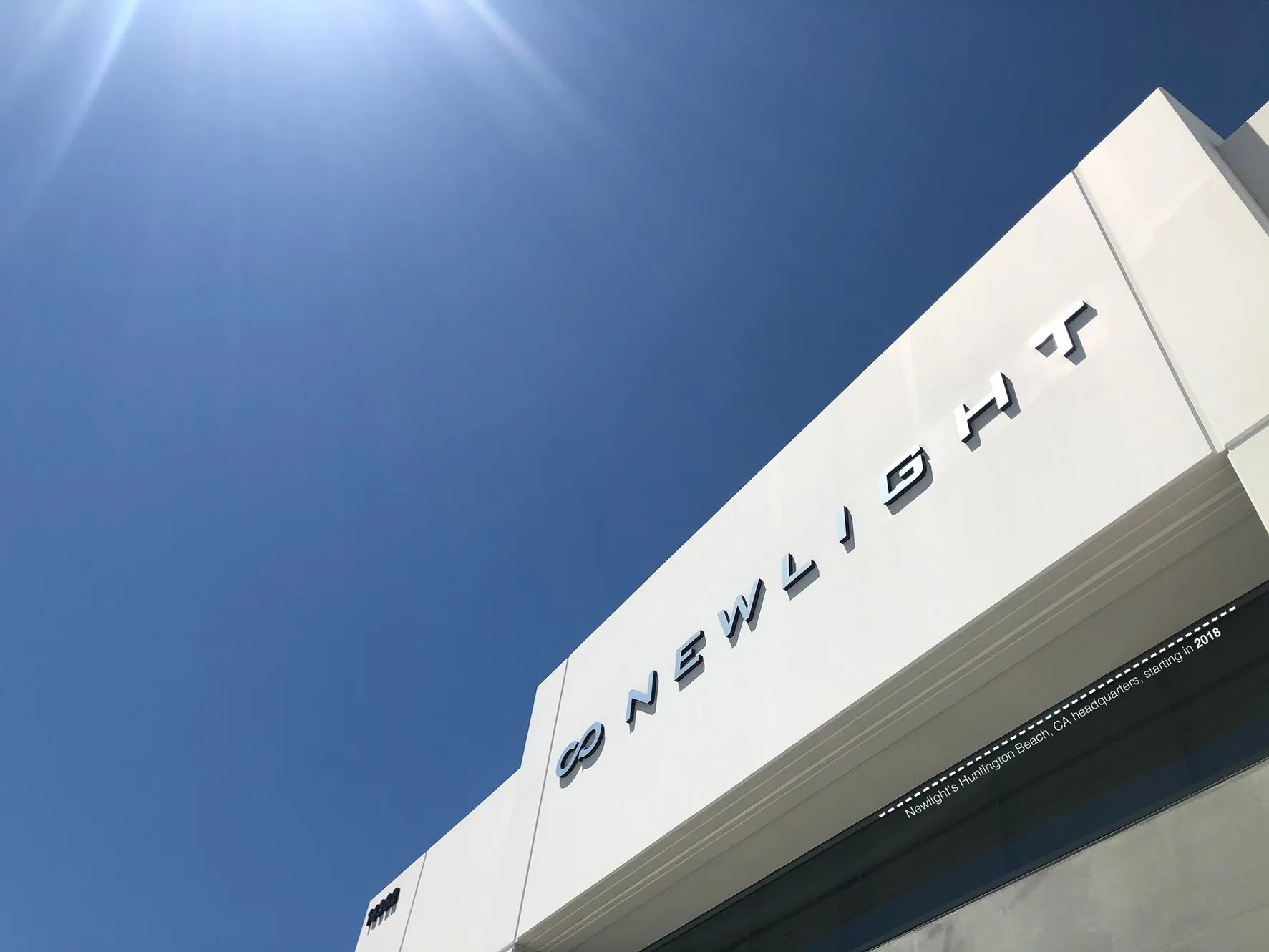
[Newlight's headquarters in California ©Newlight Technologies]
Newlight Technologies is a company headquartered in Huntington Beach, California, co-founded in 2003 by Mark Herrema (CEO) and Kenton Kimmel (CTO). Actively responding to the greenhouse-gas problem and driving change in industry, Newlight Technologies holds unrivaled technology for breaking away from conventional industrial methods and turning greenhouse gases into renewable materials. Its signature technology has natural microorganisms absorb greenhouse gases to produce a solid biomaterial called "AirCarbon." AirCarbon is a substitute for plastic. Lightweight, highly durable, and usable across a wider temperature range than industrial plastics, it can be applied in many industries such as packaging, automotive parts, furniture, and electronics. Produced by eco-friendly methods, AirCarbon is notable for being not merely low-carbon but a biologically carbon-negative material. A carbon-negative material means one whose production process not only generates no carbon but also has the effect of removing carbon.
"AirCarbon," a Technology Inspired by Nature
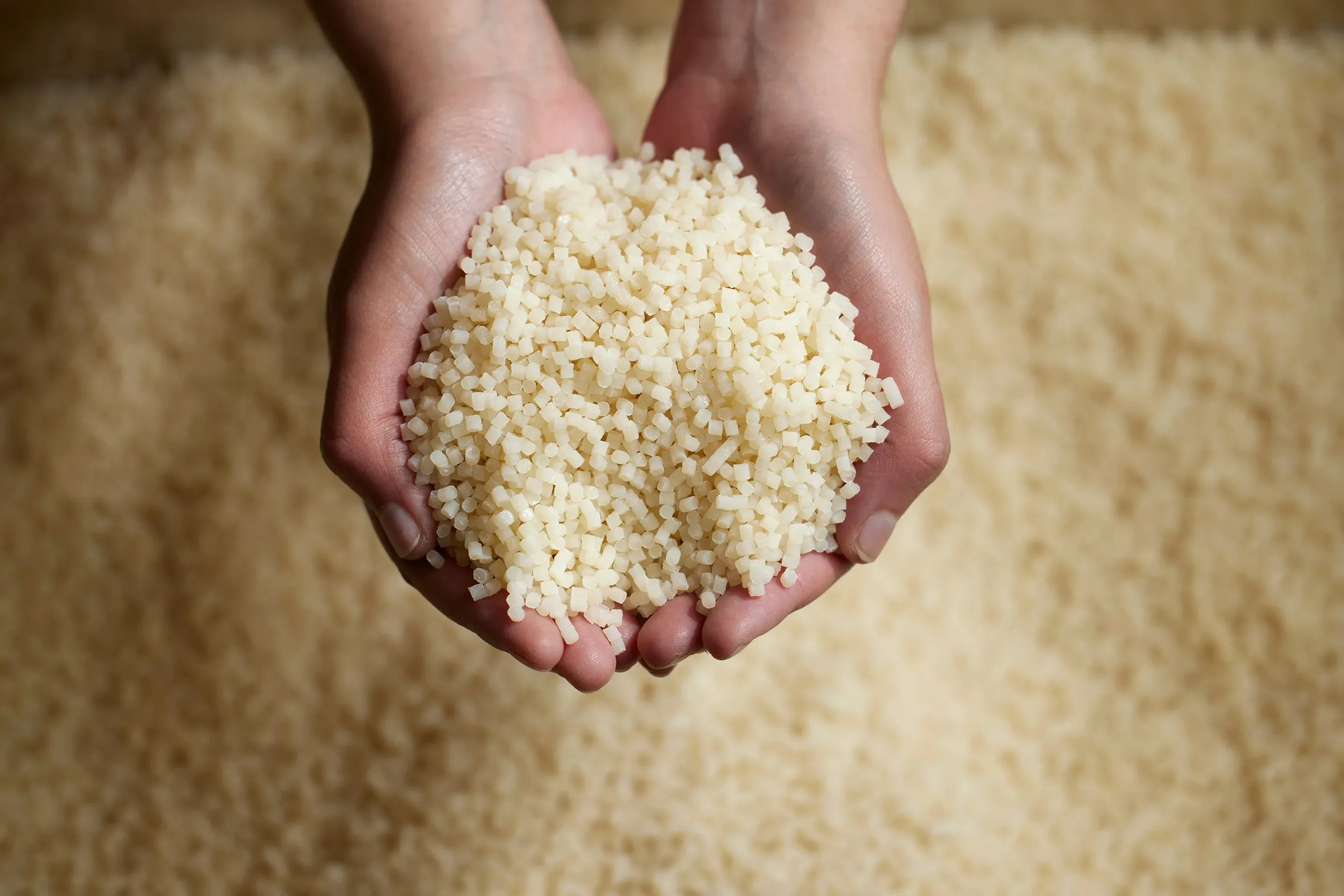
[PHB made with AirCarbon technology ©Newlight Technologies]
The AirCarbon technology is said to have drawn its idea from the "natural cycle mechanism," a natural process in ecosystems that circulates between living and non-living environments. Newlight Technologies discovered an important characteristic of a particular microorganism found in the ocean. This microorganism uses carbon in the atmosphere to make its own bioenergy, and in that process it had the ability to produce bioplastic as a byproduct. Based on this principle, Newlight Technologies cultivated these microorganisms in a controlled environment; when greenhouse gases—the energy source the microorganisms need—were supplied during cultivation, the microorganisms consumed them and, as living organisms, produced both their own growth and the eco-friendly plastic material "polyhydroxybutyrate (PHB)." Because PHB has properties similar to conventional plastic yet biodegrades when returned to nature, it produces a dual effect of contributing to the circular economy while strengthening sustainability.

[Biodegradable tableware made through the food brand Restore, 2020 ©Newlight Technologies]
A New Light: The Social Impact Newlight Technologies Has Created
Newlight Technologies has earned high corporate value through remarkable investment, various awards, and strategic partnerships. In 2014 the AirCarbon technology was named an Innovation of the Year by the American science magazine Popular Science, and in 2016 it received the Presidential Green Chemistry Challenge Award from the United States Environmental Protection Agency (US EPA). CEO and co-founder Mark Herrema was also named one of Time magazine's 100 most influential climate leaders of 2023. As its reputation grew, Newlight Technologies had attracted about 366.4 million dollars (about 495.4 billion won) in investment by August 2023 and was designated a unicorn—a private company valued at over one billion dollars. This is the result of AirCarbon technology offering the market a way to reduce carbon emissions while enabling sustainable product manufacturing.

[A handbag made by the fashion brand 'Covalent' using AirCarbon technology, 2020 ©Newlight Technologies]
The Value of Climate Tech That Newlight Technologies Presents
Newlight Technologies presents a new approach to corporate environmental responsibility. Their approach demonstrates a balance between environmental protection and industrial value creation. Facing the climate crisis, they do not merely call for restraint in plastic consumption but hold a concrete and definite corporate alternative. AirCarbon technology presents a way of responding to the climate crisis that goes one step beyond carbon neutrality to carbon reduction. Setting an exemplary case of climate tech, their trajectory offers ESG stakeholders several insights.
1. Technological innovation that considers a sustainable future can drive innovation rather than corporate sacrifice.
2. Reducing greenhouse gases can be a strategy for gaining competitive advantage, beyond corporate social responsibility.
3. Developing renewable materials, beyond merely responding to environmental problems, can be a good catalyst for driving changes in consumer demand and industry trends.
by Editor L