
Patagonia, Whose Shareholder Changed on Its 50th Anniversary
The outdoor brand Patagonia is unquestionably a frontrunner in the philosophy of sustainable management. "Don't buy this jacket" was an advertising line that ran in The New York Times in 2011, long before the MZ-generation consumer culture known as "meaning out" caught fire. There is one more line that makes you think Patagonia has an excellent copywriter: "Earth is now our only shareholder," announced in September 2022, the company's 50th anniversary. At that time Patagonia's founder and chairman, Yvon Chouinard, donated all of the Patagonia shares held by himself and his family for the sake of the Earth. This amounted to 100% of Patagonia's stock.
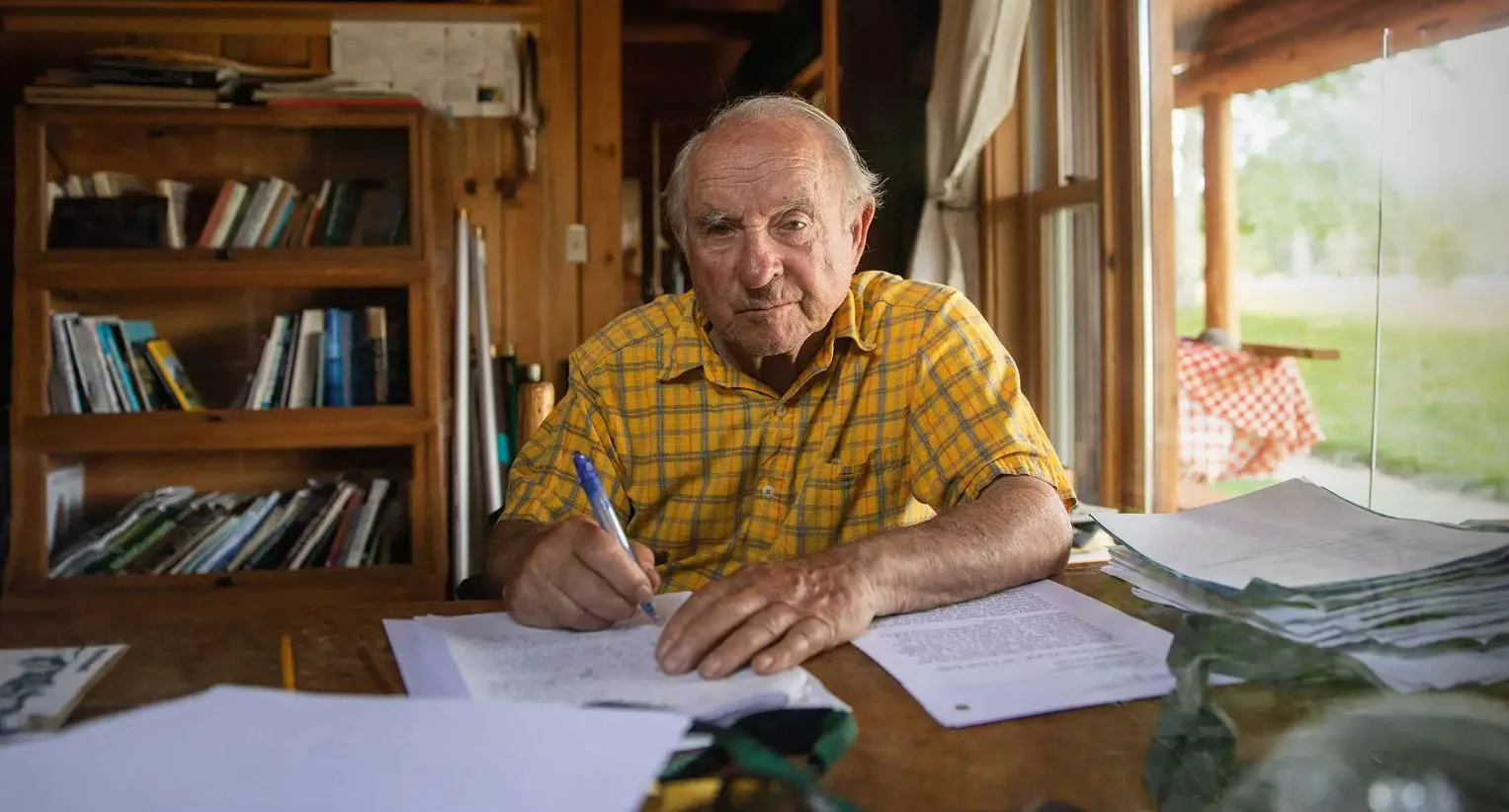
[Yvon Chouinard, founder of 'Patagonia' ©Patagonia]
Who Speaks for the Earth
Of the shares Chouinard donated, the 2% consisting of voting stock was transferred to the "Patagonia Purpose Trust," a newly established trust created to carry on Patagonia's values and public-interest activities, while the 98% consisting of non-voting stock was transferred to the nonprofit "Holdfast Collective." The Holdfast Collective was established to support local environmental organizations, protect biodiversity and nature, and back political candidates and political activities; those activities continue on roughly 100 million dollars (133 billion won) in annual dividends, though the figure will vary with Patagonia's financial performance. Chouinard, who transferred 100% of the company's shares for the Earth through these arrangements, still works at Patagonia. Having given up owning the company, he did not give up working for it.
Was Chairman Chouinard's Decision Good Governance?
There were largely two reasons Chouinard arrived at this decision: preserving the values the company had pursued, and securing continued employment for Patagonia's employees working all over the world. If you sell a company to someone else, its values are bound to be corrupted, and its staff are likely to be replaced. Taking the company public was another option, but a public company inevitably faces the pressure of generating short-term profits. So Chouinard designed a new approach unique to Patagonia and transferred the entire stake, explaining it as "not going public, but going purpose." He minimized risk so that Patagonia's greatest asset—its management values—could be carried on, and protected the company by making the Earth, which does not press for profit, its shareholder.
Patagonia vs. Capitalism
Considering the background of Chouinard's decision, one cannot rule out the possibility that it owes something to Patagonia's headquarters being in the United States. In the U.S., the prevailing view is that ESG investing violates the "fiduciary duty of a trustee to consider only the interests of the client." In other words, within the current American capitalist system, there is a surrounding climate one must be mindful of before doing good freely. Of course, Patagonia is not a listed company subject to disclosure, nor did a financial institution take an equity stake in it. But Chouinard sought to change corporate practice, and through it he appears to be dreaming of a change in the capitalist system as well. One could view his choice as extreme and experimental governance. Yet, with an owner's foresight, Chouinard's choice made it possible for decision-making centered on the company's values and the interests of shareholders to stand on the same line.
It goes without saying that good copy comes from good substance. The line "Earth is now our only shareholder" is the very value that Chouinard and Patagonia are putting into practice.
by Editor L