
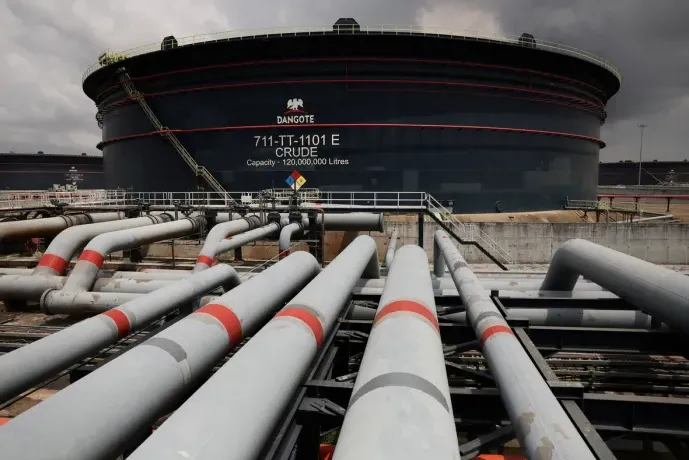
A Monday morning in March 2026. Mr. Park, a public servant working in Gangnam-gu, Seoul, left home an hour earlier than usual. With a license plate ending in ‘3,’ he had to take the subway to work due to the public sector five-day vehicle rotation system that went into effect that day. On his way home, he picked up a pack of instant noodles at a convenience store near his house. Looking at the price tag, it had gone up by 400 won compared to two months ago. “Ah, oil!” crossed his mind. The noodle packaging, the plastic bag holding it, the logistics truck delivering it… the end of that chain of thought points to one place: the Strait of Hormuz, the heart of the world’s energy artery.
The World’s Energy Artery Is Blocked
Maritime transport volume through the Strait of Hormuz — a critical chokepoint through which 20 million barrels per day, or about 20% of global oil consumption, passes — has plunged. The crisis, which began when Iran declared control of the strait in the aftermath of the U.S.-Iran war, is brutally demonstrating how immediate and all-encompassing a shock geopolitical tensions can deliver to the energy supply chain. From the moment the strait blockade was announced, crude oil prices have been steadily rising, and the resulting logistics bottleneck has strained the market. Crude oil prices instantly exceeded USD 100 per barrel. According to analysis by the Korea Ocean Business Corporation, cargo volume passing through the Strait of Hormuz has decreased by approximately 80% compared to normal levels, and freight rates for large crude oil carriers on the Middle East-China route have risen roughly 3.3-fold. What about taking alternative routes? When the Strait of Hormuz is closed, additional transport costs from alternative routes are estimated to surge by at least 50–80% compared to existing maritime freight rates. That cost will ultimately be passed on to consumers’ wallets.
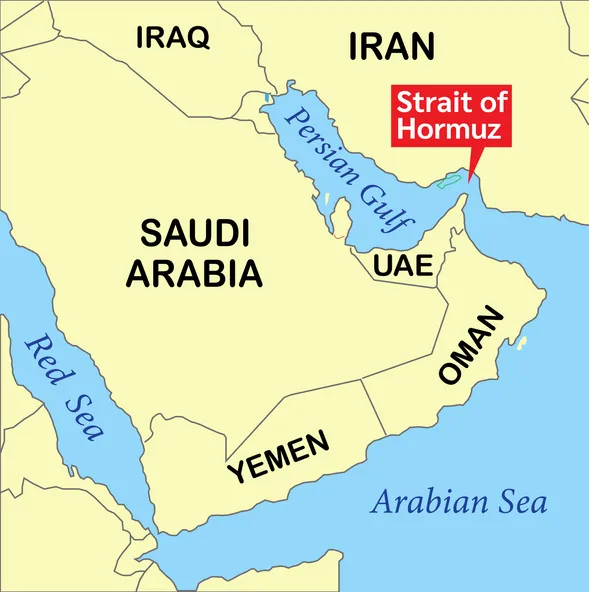
[Strait of Hormuz © gettyimages]
Daily Life Changes: Rising Prices and Intensified Five-Day Vehicle Rotation
The ways in which this crisis reaches South Korean consumers are denser and faster than one might think. What hits home first is the price display at the gas station. As diesel and gasoline prices surge, the logistics and delivery industries are taking a direct hit. Increases in courier fees and delivery charges are already a foregone conclusion. The airline industry is also seeing its operating costs rise due to higher jet fuel prices, while the shipping industry is suffering from further increases in tanker freight costs. Food prices at the table are also serious. Coffee, chocolate, meat, and seafood prices are expected to rise due to increased fuel and fertilizer costs. Off-season agricultural products and imported seafood are particularly expected to be heavily affected by higher transport costs.
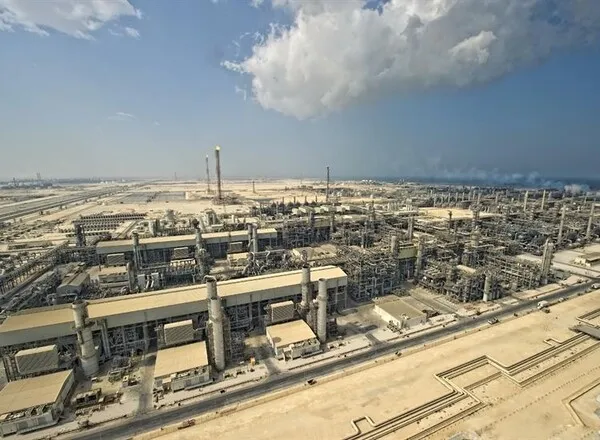
[Qatar LNG © QatarEnergy]
To respond to the energy supply crisis related to the Middle East situation, the government intensified the five-day vehicle rotation system for the public sector starting March 25. As the prolonged Middle East situation increased energy supply uncertainties, the resource security crisis alert for crude oil was upgraded from the ‘Attention’ level to ‘Caution’ on the 18th. The business community is also quickly joining in. Samsung has implemented a 10-day vehicle rotation system across all domestic workplaces, and SK Group, while applying a 5-day rotation system, has decided to mandate lights-off during lunch breaks and after work hours, and to apply temperature standards of cooling at 26°C or above and heating at 18°C or below. The Korea Chamber of Commerce and Industry and the Federation of Korean Industries are also promoting daily energy-saving activities such as switching to video conferences, collective lights-off during lunch hours, and encouraging the use of public transportation. At a Cabinet meeting, President Lee Jae-myung urged public cooperation, noting that “there is no place in daily life where petrochemical products are not used, from delivery containers to medical tools.”
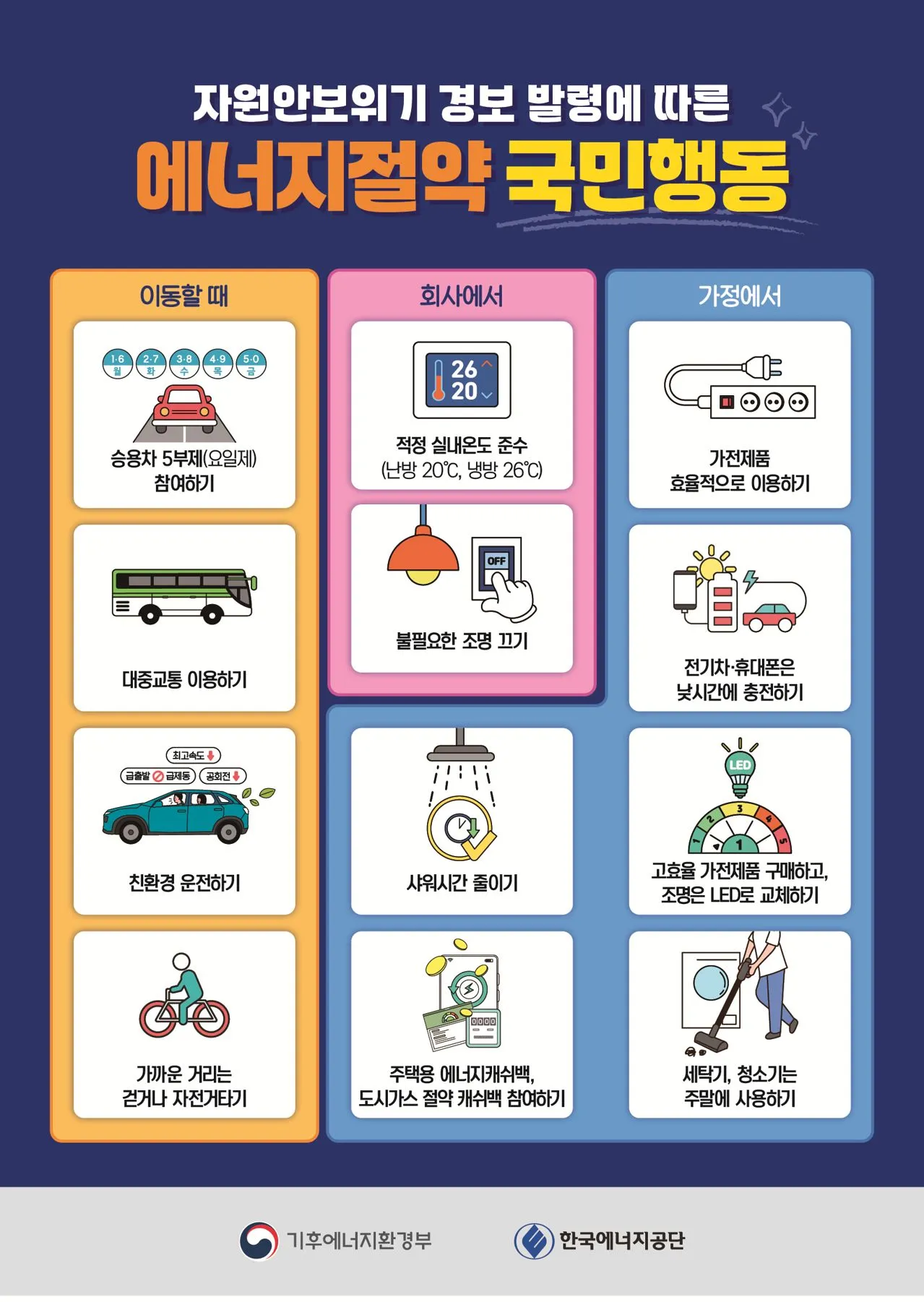
[12 National Action Items for Energy Conservation by the Ministry of Climate, Energy and Environment]
The IEA’s 10 Commandments, and Remote Work as a Variable
The International Energy Agency (IEA) has pointed out that demand suppression is essential, warning of prolonged oil supply disruptions due to the Middle East war. It presented ten recommendations including expanding remote work, using public transportation, implementing private car rotation by day of the week, and expanding carpooling. Among the ten commandments, remote work is drawing attention as the most powerful demand reduction measure. The IEA assessed that if workers in occupations capable of remote work did so for an additional three days a week, automobile oil consumption could be reduced by 2–6%, with potential reductions of around 20% on average for individual drivers.
However, in South Korea, expanding remote work carries implications beyond simple energy conservation.
While the five-day vehicle rotation system is a regulation that ‘restricts driving,’ remote work eliminates the commute itself, cutting fuel consumption at the source. At the same time, the changes it brings to daily life are far more complex. If the shift to remote work increases, lunchtime demand at downtown restaurants and cafés decreases, and public transit congestion eases, but office commercial districts such as bakeries and convenience stores take a hit. The so-called ‘energy transfer’ effect — in which commuting fuel decreases but household heating, cooling, and electricity use increases — must also be considered. The government has stated that it will examine whether recommending remote work would be possible if the crisis alert is raised to the ‘Alert’ level. CJ has already established a plan to adjust its entire work mode — including remote work, satellite offices, and flexible work — to reduce energy use if the alert level is raised. This is a point where the speed of crisis response policy diverges between companies and government.
The Real Question Posed by the Oil Crisis
Every time an energy crisis strikes, South Korea repeats the cycle of demand reduction, expansion of strategic oil reserves, and conservation campaigns — and this very pattern reveals the structural vulnerability of its energy policy. Since most of the crude oil that South Korea imports from the Middle East passes through the Strait of Hormuz, a blockade of the strait is expected to deliver a fatal blow to the manufacturing supply chain. If the same prescription is repeated every time a crisis hits, it means we are still waiting for the same crisis. If expanding strategic reserves and diversifying supply sources are the immediate breakwater, then expanding renewable energy and restructuring industrial and lifestyle systems based on energy efficiency are the seawall that can absorb repeated shocks.
When Hormuz is blocked, our daily lives are shaken along with it. For this shaking not to be repeated in the next crisis, we must accept today’s discomfort not as a ‘temporary sacrifice’ but as a ‘starting point for structural transformation.’
by Editor L