
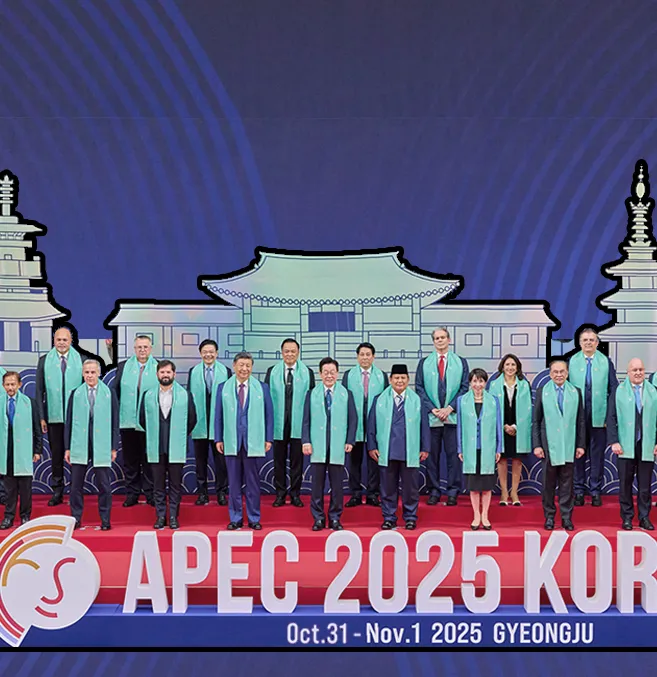
The 2025 Asia-Pacific Economic Cooperation (APEC) Summit, held in Gyeongju from October 31 to November 1, concluded successfully. Some 20,000 people including heads of state and delegations from 21 member countries, businesspeople, and journalists visited the thousand-year-old city of Gyeongju, injecting vitality into the local economy. The commercial districts around Gyeongju Hwangridan-gil and Bomun Complex bustled with domestic and international visitors, and APEC commemorative merchandise and events became daily topics of conversation. Industrial achievements led by AI and the shipbuilding industry, as well as diplomatic outcomes, also drew favorable responses. As the worries of large companies — which occupy a significant share of our industry — were resolved, interest in the stock market also grew.
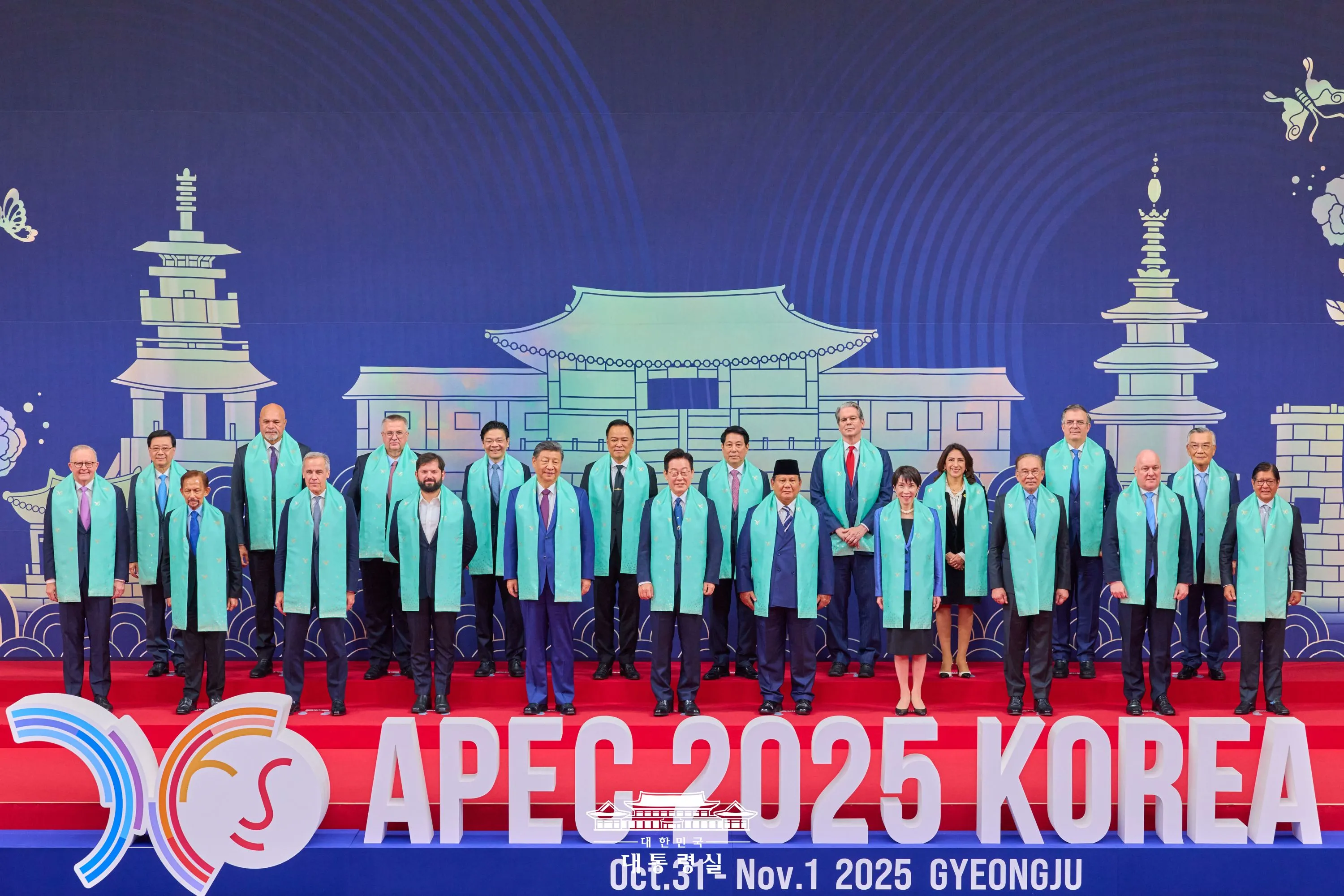
[Heads of state gathered at the Gyeongju APEC Ⓟ Office of the President]
APEC with Economic Effects Worth KRW 7.4 Trillion, Vitalizing Local Small Business Districts Too
It is only natural that the economic effects of APEC, where nationwide discussions took place, also injected vitality into Gyeongju and local small business owners. Gyeongju City actively stepped up to support small business owners on the occasion of APEC by holding ‘BeLocal Week’ in partnership with Naver, introducing 30 local shops. Amid concentrated international interest in K-food, opportunities expanded for small business owners presenting Korean cuisine such as tteokbokki and chicken, and Hwangridan-gil is evaluated to have been more vibrant than usual thanks to the APEC boost.
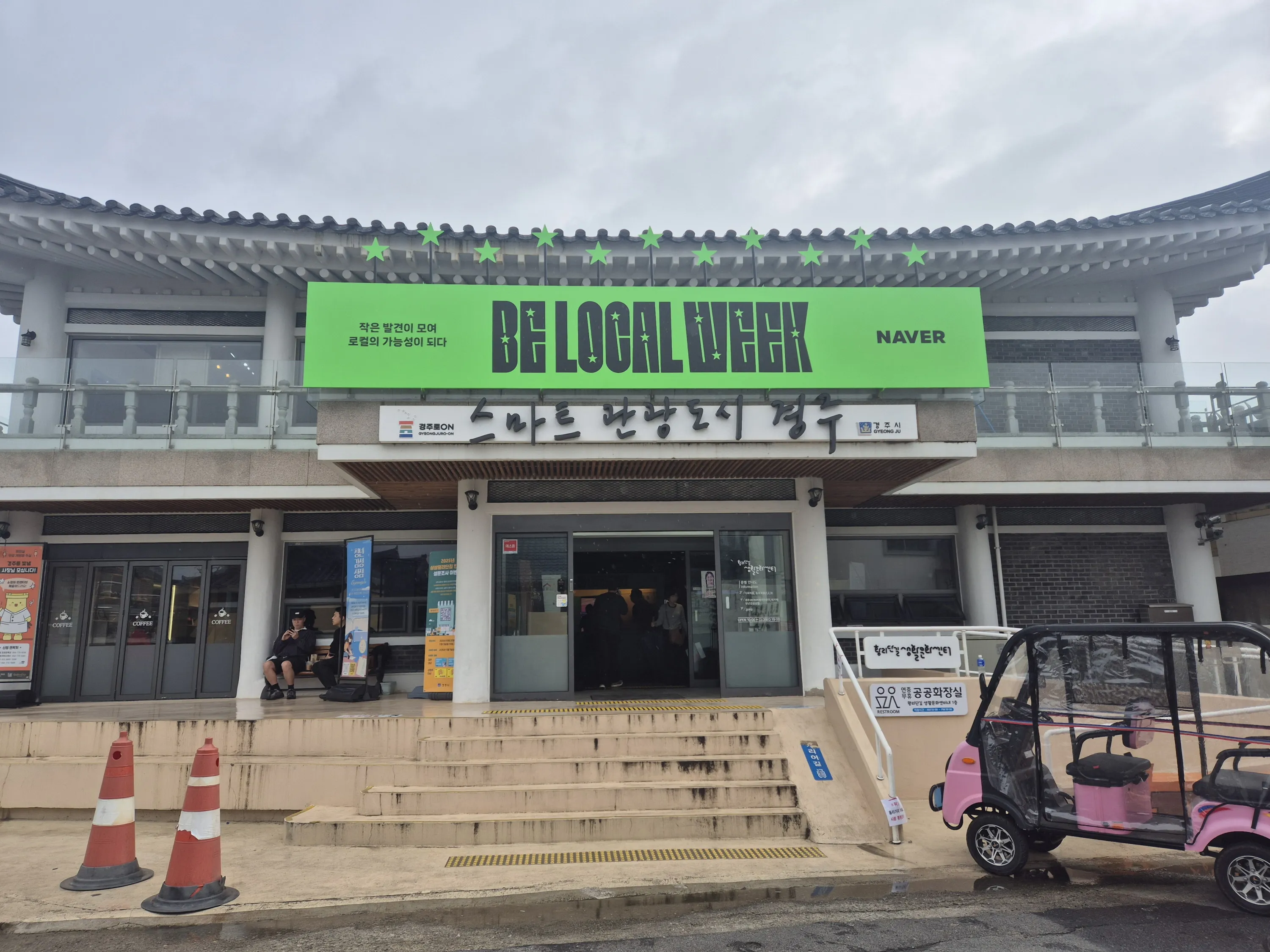
[Gyeongju City and Naver’s ‘BeLocal Week’ Site Ⓟ Gyeongju City]
To examine somewhat more tangible effects, there was a noteworthy event held just before APEC: the 31st APEC SME Ministerial Meeting, held at the Jeju International Convention Center from September 1 to 5. The APEC SME Ministerial Meeting is one of the sectoral ministerial meetings of APEC, discussing tasks encompassing APEC SMEs, venture companies, and small business owners. Ministerial-level figures from APEC member countries visited Jeju to attend this SME Ministerial Meeting.
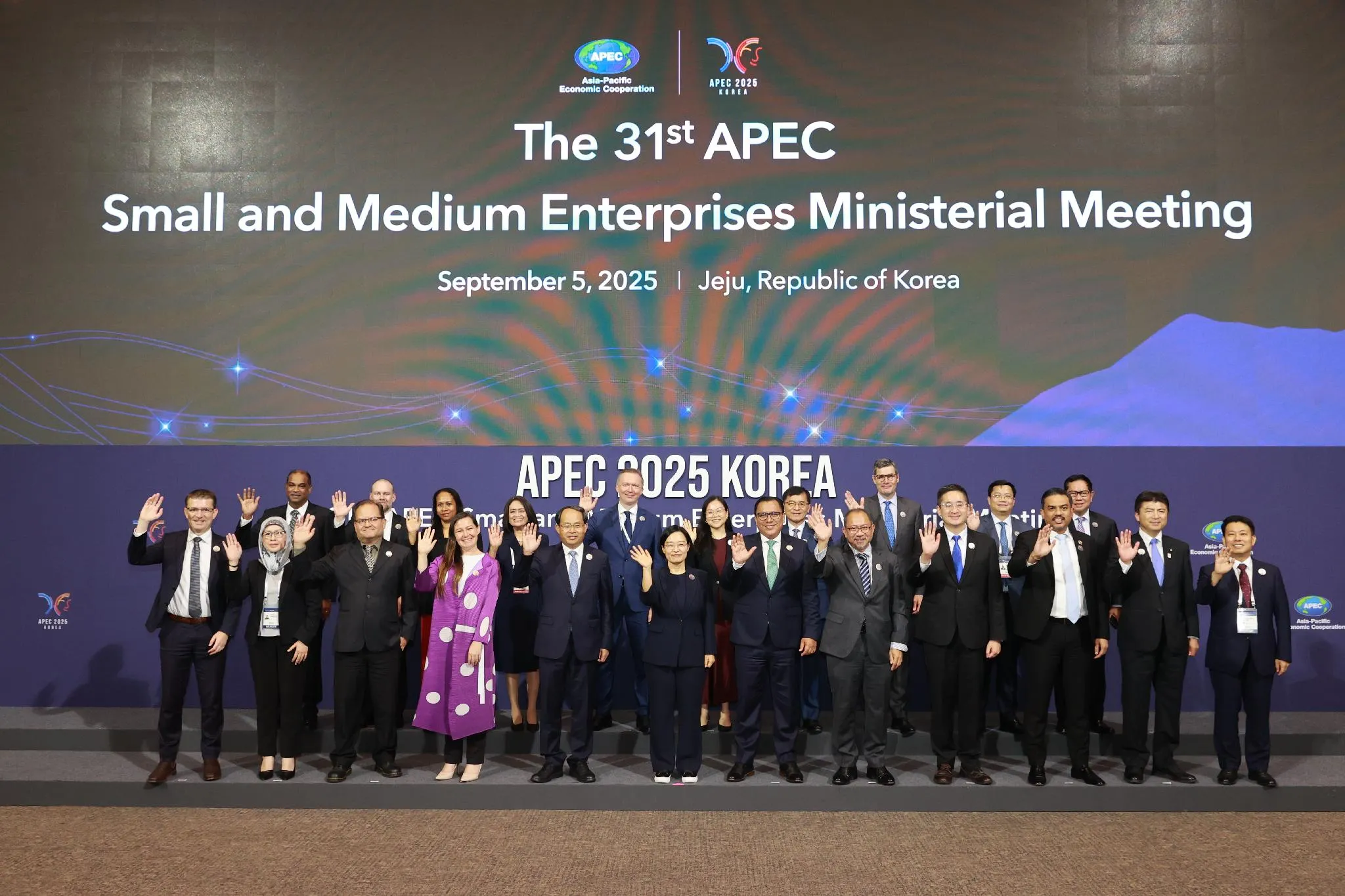
[APEC SME Ministerial Meeting held in Jeju Ⓟ Ministry of SMEs and Startups]
Jeju operated a ‘Receipt Admission Ticket’ program to draw international conference participants out into the local business districts beyond the conference venue. During this period, APEC participants visiting Jeju who presented receipts of KRW 50,000 or more spent at local restaurants, cafés, shops, and the like were able to visit representative tourist sites such as Jeju Stone Culture Park and Fantasy Forest Gotjawal Park at discounted prices. Additionally, APEC tour courses linking the original downtown alley commercial districts and traditional markets were operated, and a Food Expo and Beer Festival were held during the APEC period to expand opportunities for local small business owners to tangibly benefit from the APEC boost. This Jeju approach shows the possibility that international conferences can connect not only large companies and specific industries with benefits but also substantive benefits for the region and its small business owners.
The significance of the ‘Jeju Initiative,’ adopted under South Korea’s leadership at the main event, the APEC SME Ministerial Meeting, is also great. It is the first case in which a new initiative was adopted among the various APEC ministerial meetings held this year. Its core is the launch of the ‘APEC Startup Alliance,’ linking the startup ecosystems of APEC member countries, and going beyond a mere declaration, it is planned to include implementation programs such as regular forums and the establishment of a standing network.
Why Greater Ripple Effects Are Expected from the Gyeongju APEC
At the September Jeju meeting, under the theme ‘SMEs: Engines of Sustainable and Inclusive Growth,’ policy cooperation among APEC member countries regarding SMEs, venture firms, and small business owners was concretely discussed. Cooperative measures were presented for the challenges facing SMEs, such as the rapid advancement of AI and changes in the global supply chain. And these discussions were further concretized through the ‘Gyeongju Declaration’ of the Gyeongju Summit. The Gyeongju Declaration includes cooperation among startups, and mentions small business owners and SMEs as subjects for securing trust in the digital economy roadmap.
How far can the achievements of an apparently successful international event spread? Despite support measures such as the expansion of various policy funds and debt restructuring, the accumulated debt and high-interest burden continue to worry SMEs and small business owners. There are also complaints that the policies and environmental support arising from large meetings are concentrated on startups.
Beyond Large Companies: New Opportunities for Regions and Small Business Owners Created by International Conferences
For the APEC event not to end as a one-off event that merely presents a hopeful future across the industry as a whole, declarations must, as a matter of course, lead to implementation. Packages linking international event host regions with small business owners could be applied so that the charm of K-culture experienced by global media and businesspeople in Jeju and Gyeongju can be experienced again at the next international event. To expand the outcomes of international events, especially international conferences dealing with industrial agendas, an implementation plan that concretizes a win-win growth model from large companies down to small business owners as far as possible must not be missed and must be carried forward.
From Jeju to Gyeongju, a model of international conferences broadly encompassing industrial sectors including small business owners and startups has unfolded. Going forward, we look forward to this success case becoming the standard for all international conferences that South Korea hosts, establishing a virtuous cycle structure in which the economic effects of large-scale events are evenly distributed not only to large companies but to the small business owners of alleyway commercial districts.
by Editor N