

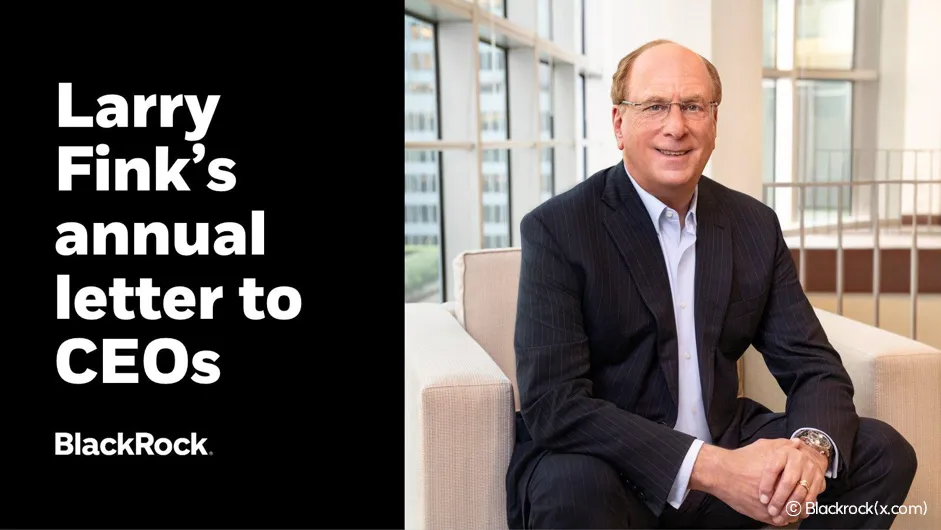
The intense focus gathered on ESG, which originally started with 'BlackRock', the world's largest asset manager, may now fade away due to BlackRock itself. Larry Fink, CEO of BlackRock, announced that he will completely stop using the term ESG. In his 2020 annual letter to investors, Larry Fink included a commitment to make environmental sustainability a core goal when making investment decisions. He also stated that BlackRock would no longer invest in companies with 'high risk' to the environment, including coal producers.
Afterwards, business executives, legal professionals, professors, and other management and investment experts agreed that ESG was not a temporary trend, but a massive wave of global change. Indeed, numerous companies worldwide joined the ESG momentum, and even the International Financial Reporting Standards (IFRS) moved to standardize indicators showing ESG performance alongside financial results.
So Why?
Why did the CEO of BlackRock, who moved the world with a single letter, suddenly declare that he would stop using the term ESG? In fact, public opinion regarding ESG within the United States, where BlackRock is headquartered, has not been entirely positive. In the US, where companies do not hesitate to show political leanings and where lobbying is legal, ESG became a political issue.
Which Political Camp Opposed ESG?
It was the Republican Party. Fossil fuel companies provide substantial funding to the Republicans. US corporations can engage in lobbying under the guise of donations to shift policy in their favor—or to prevent unwanted policy shifts. While the Democratic Party also receives lobbying funds, the difference in scale is significant. In 2020, during the 46th US presidential election, the Republican Party received $63.7 million (approx. 85 billion KRW) from fossil fuel companies. In the same year, lobbying funds received by the Democratic Party from fossil fuel companies amounted to around $12.3 million (approx. 16 billion KRW).
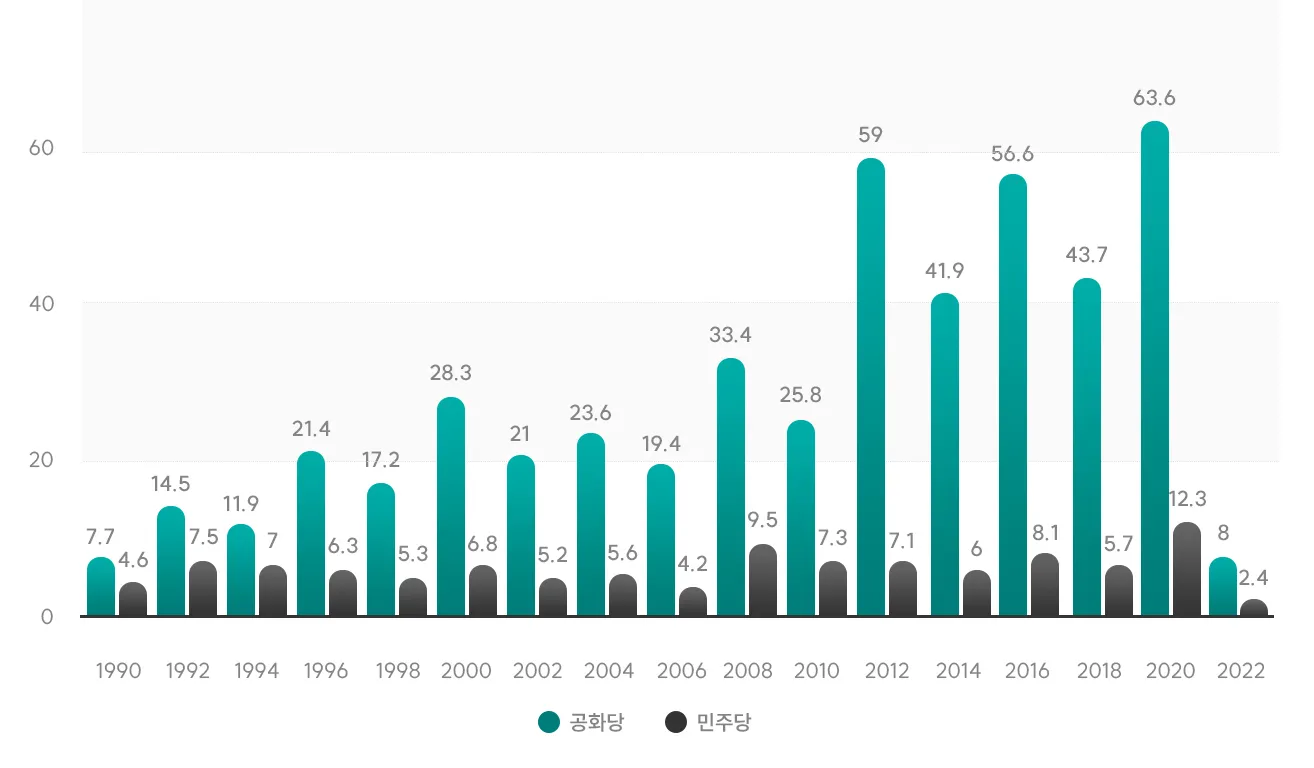
ⓒStatistics
Following his announcements on ESG, BlackRock and Larry Fink became targets of political attacks from the Republican Party. Larry Fink confessed that Republican attacks went beyond criticism of business decisions into personal attacks and threats. He eventually declared that he would no longer mention the overly politicized term ESG. However, he explained that dropping the term ESG does not mean stopping ESG investments, leaving open the room by stating, “We will continue to communicate with companies working to address issues related to the environment and corporate governance.”
What Lies Ahead?
It is highly likely that we won't see Larry Fink mention ESG again. Regardless of the outcome, however, it is true that his annual letter encouraged reflection from many companies and pushed them to care more about social responsibility. Attention is now focused on whether companies that actively supported ESG values and joined their voices will continue to uphold those values moving forward.
by Editor N