
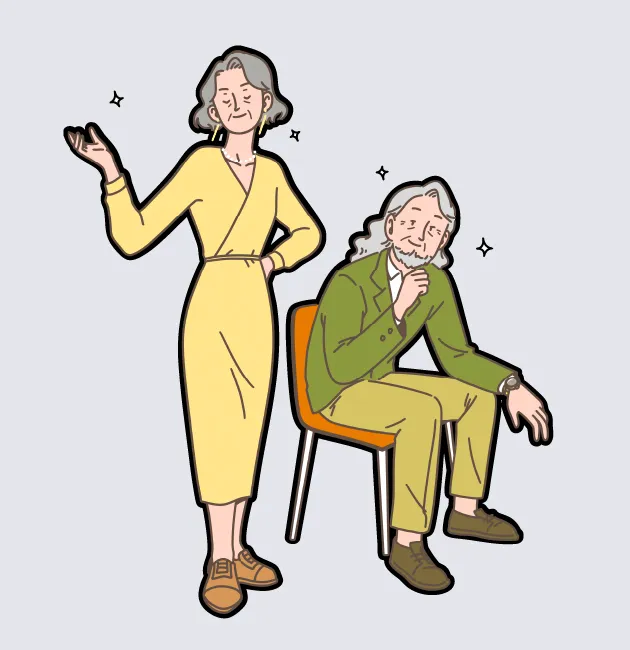
We tend to lump countless different lives together into the single framework of ‘the life of the elderly.’ Defining the lives of the elderly as a single image is an excessively one-dimensional perspective. Just because their ages are similar does not mean their ways of living, values, and tastes are the same.
According to the National Data Agency, the elderly population aged 65 and over has surpassed 11 million this year, accounting for 21.6% of the total population. Going forward, the proportion of the elderly in our society will only increase. Now, we must move beyond debating the causes or assigning responsibility and discuss how to accept the changed social structure and adapt to such a world. Faced with the reality already unfolding before us, what attitudes and choices will we make?
The Content Market Where Active Seniors Have Emerged
The image of seniors in the past often remained confined to ‘objects of protection’ or ‘beings who must be supported.’ The ‘active seniors’ emerging recently are different. ‘Active seniors’ refers to the 50s and 60s generation who have time and financial leeway and are active in social activities. This is different from an attitude of imitating youth or denying aging.
The reason so-called ‘young forties’ is caricatured is the awkwardness that comes from mimicking youth while erasing age. In contrast, ‘active seniors’ focus on recognizing the beauty and completeness of old age itself and revealing their own colors within it. The desire to age gracefully is not a desire unique to any particular generation. It is simply that this desire has now begun to express itself naturally even in old age.
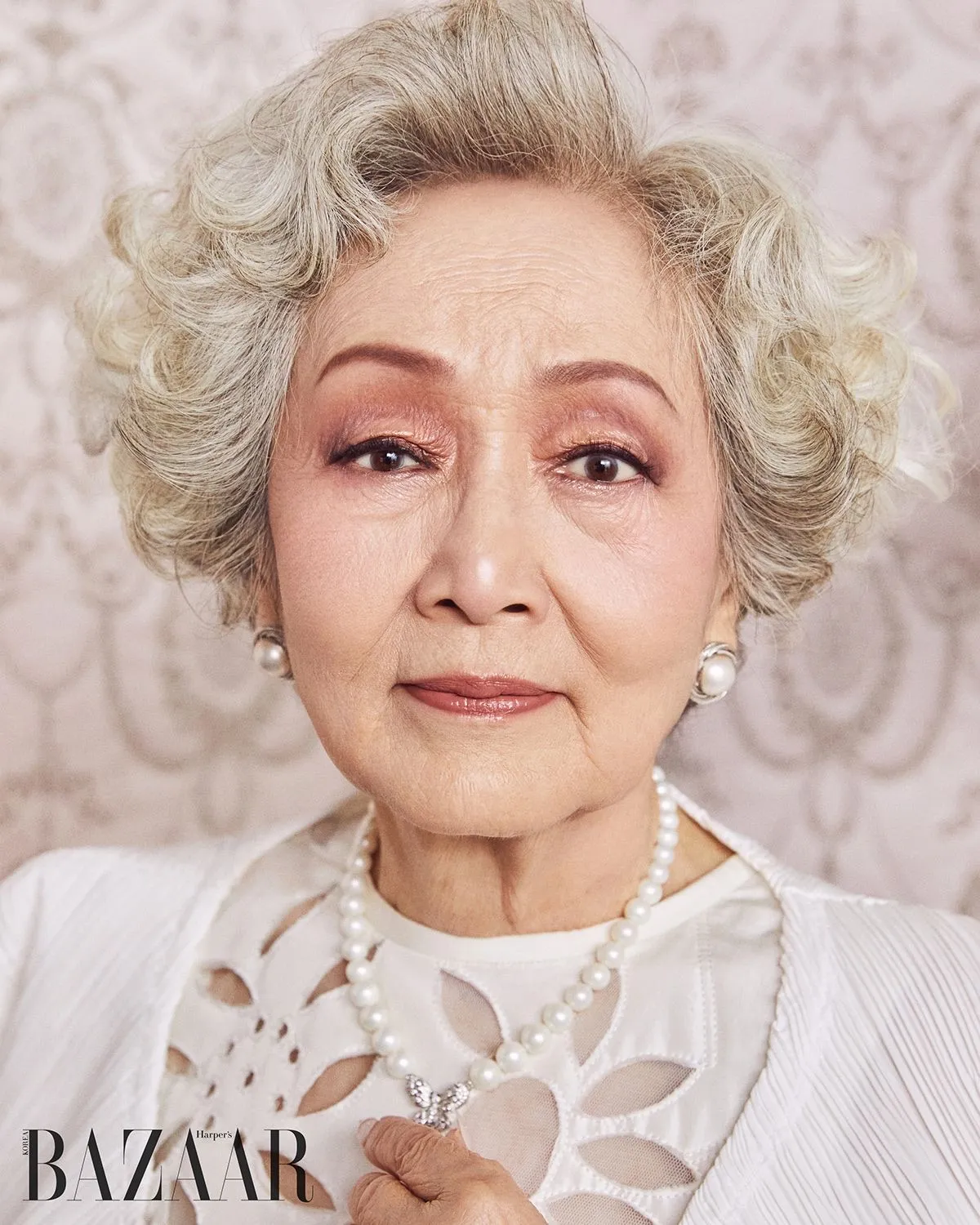
[Actress Kim Young-ok, who participated as a muse in the final mission of the variety show ‘Just Makeup’ Ⓟ BAZAAR]
In the recently concluded beauty survival program ‘Just Makeup,’ a makeup mission featuring seniors as models was conducted. In a similar vein, in November 2024, Jung-gu in Incheon operated a ‘Senior Healing Beauty Care’ course targeting the elderly and older adults aged 50 and over in the region. These are attempts to view the appearance of old age as a unique beauty in itself rather than as something to conceal or correct.
The senior brand ‘The New Grey’ also emphasizes the same perspective. Ironically, by setting seniors as its customer base, it has revealed the individual personalities that had been obscured under the name of ‘the elderly.’ In this way, the senior market is expanding beyond simple age classification into an independent lifestyle genre that respects individuality.
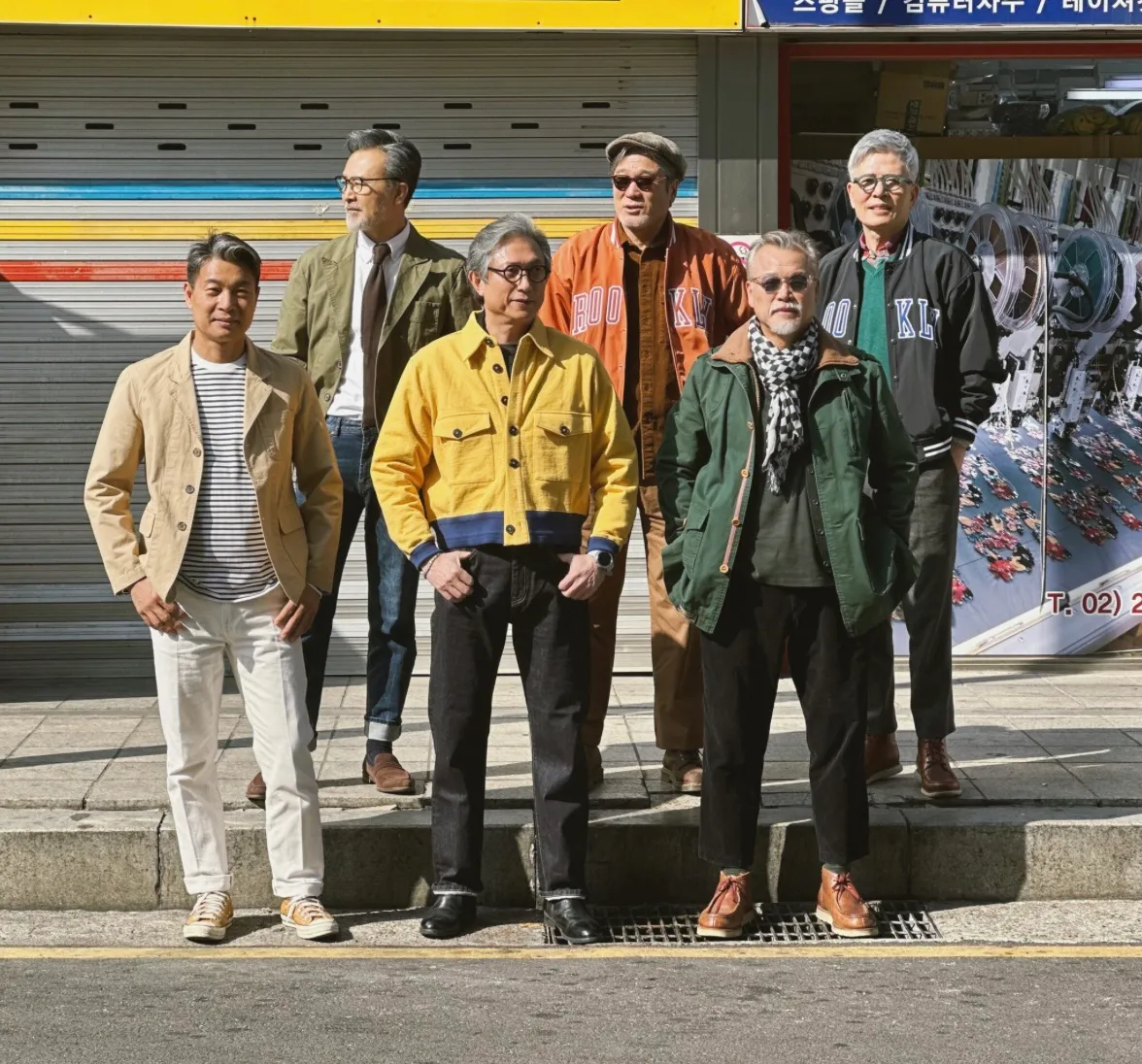
[Active Seniors Ⓟ The New Grey Website]
The Power of Institutions Connecting Real Old Age to Society
Of course, it is not sufficient for such cultural changes to remain confined to the market and content domains. Aging is a global trend, not a problem unique to South Korea, and policies for the economic stability of the elderly are also diverse.
Singapore, which is aging rapidly, is actively investing in its lifelong education system and continuing efforts to alleviate economic anxiety in old age by operating pension and longevity insurance systems. This is an approach that perceives the elderly not as mere welfare recipients but as members continuously connected to society.
South Korea is also expanding employment support policies for old age alongside the pension system. The Mid-to-Older Age Career Support System is a program that increases the possibility of re-employment through career transition for those aged 50 and over, and a senior internship system in which the government supports companies’ labor costs to induce employment of those aged 60 and over is also in operation.
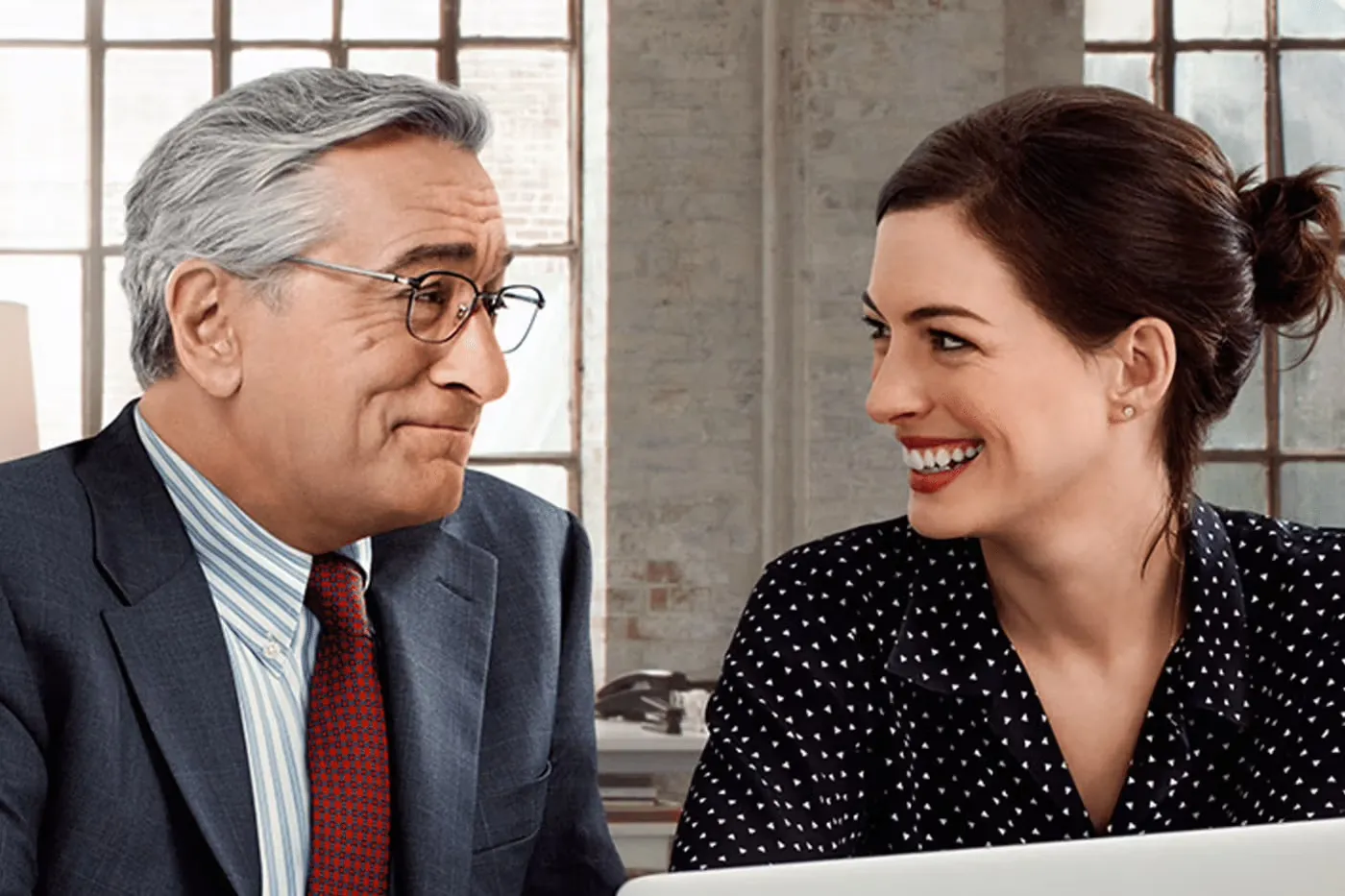
[Movie ‘The Intern’ still cut Ⓟ Warner Bros.]
Joseph Coughlin, founder of the MIT AgeLab, has pointed out that “the experience of aging differs across individuals and cultures, and there is insufficient scientific basis for concluding productivity and vitality based on a specific age.” In fact, the elderly wish to work longer than the standards set by society. According to the National Data Agency’s ‘Economically Active Population Survey Supplementary Survey Results for the Elderly,’ the average age at which they left their longest-held job (main job) was 52.9 (as of May 2025). Considering that the same survey found the average age at which the elderly wish to work is 73.4, the gap is substantial.
The elderly are still agents who choose, decide, and live. A society in harmony with the elderly is a society in which we all can maintain dignity and individuality even as we age. Everyone becomes elderly. Stories for the elderly of today are soon stories for our future selves. How should we position our perspective on the elderly? Depending on this, aging may remain merely a social problem, or it may move forward as a guide that expands our lives.
by Editor N