
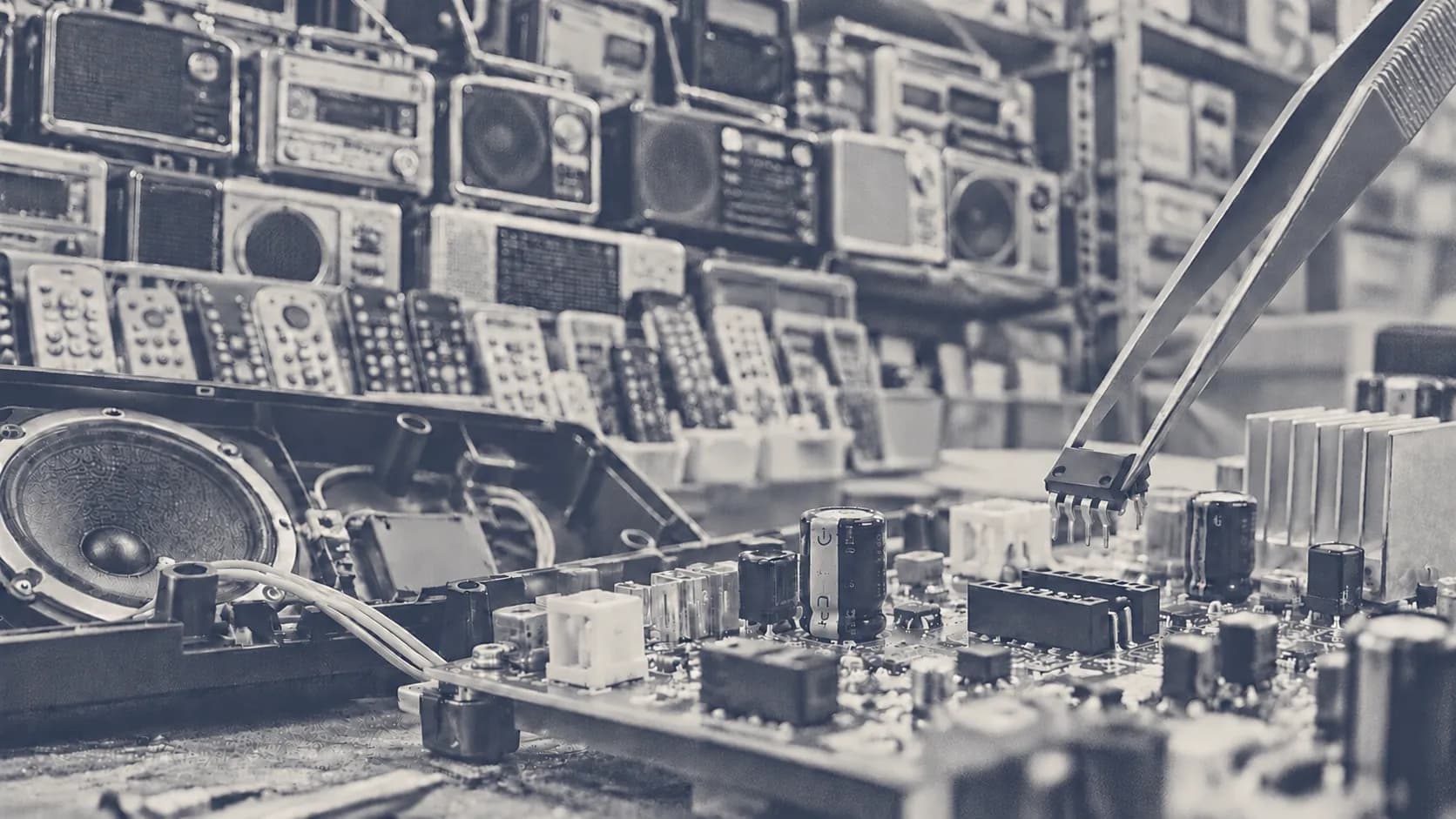
When a smartphone battery drains quickly or a home appliance breaks down, consumers often find it easier to buy a new product than to have it repaired. Repair costs can be burdensome, and parts can be difficult to obtain. Behind these choices lies companies’ strategies for selling new products. Companies will inevitably be inclined to prioritize selling new products developed by concentrating their capabilities rather than strengthening repair support for aging products. Even when consumers want repairs, barriers of cost and accessibility can lead them to choose a new product.
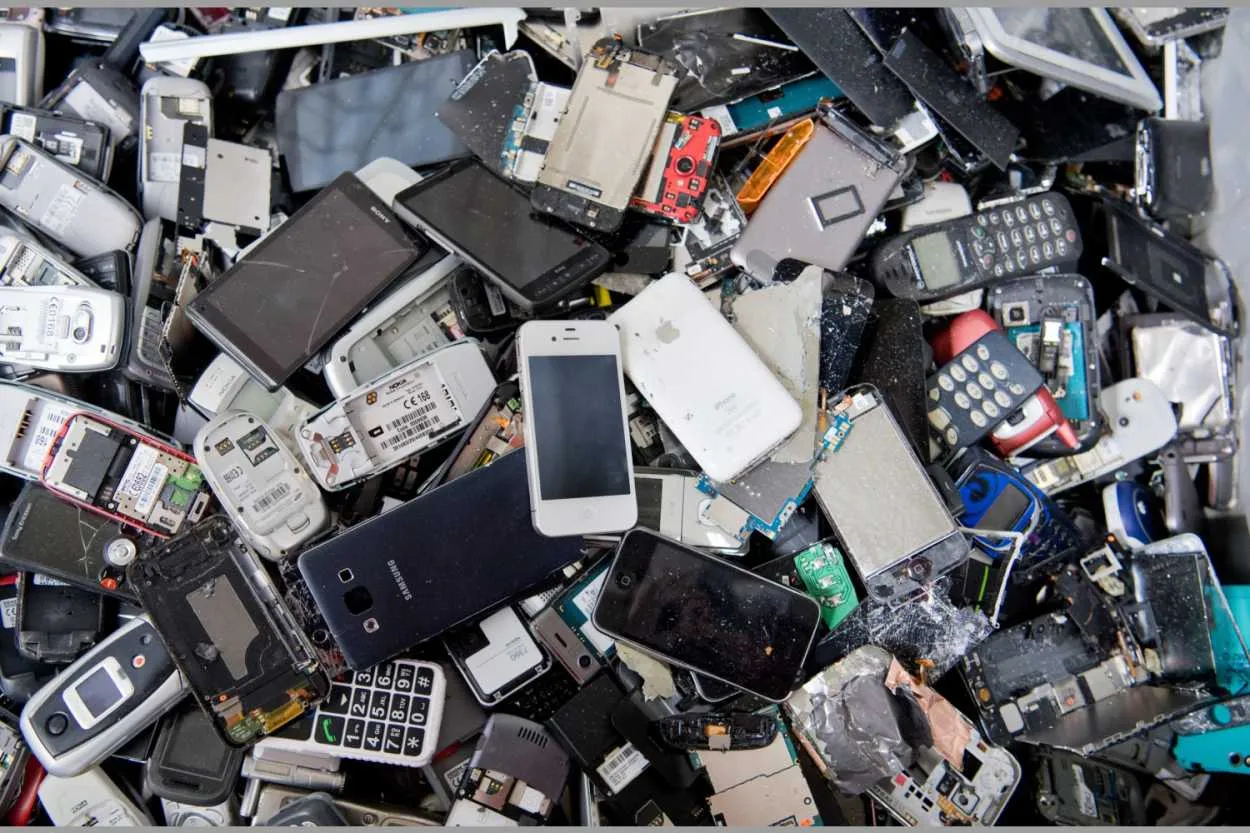
When people repeatedly buy new products instead of repairing existing ones, product lifespans become shorter and the amount of electronic waste increases. According to the International Telecommunication Union (ITU) and the United Nations Institute for Training and Research (UNITAR), global electronic waste generation reached approximately 62 million tonnes in 2022, an 82% increase from 2010, while the amount collected and recycled accounted for only 22.3% of the total.
The concept attracting attention as an alternative to this problem is the “Right to Repair.” Its purpose is to guarantee access to parts and repair information so that consumers can repair products themselves or use a repair provider of their choice. The Right to Repair is expected to expand consumer choice, extend product lifespans, and contribute to reducing electronic waste and promoting resource circulation.
Institutionalizing the Right to Repair
Efforts to institutionally guarantee the Right to Repair took concrete shape with the European Union’s (EU) adoption of the 2024 “Right to Repair Directive.” This system encourages consumers who would otherwise have to choose a new product after encountering various obstacles, even when they wanted a repair, to regard repair as a practical alternative. The EU requires manufacturers to support repairs for products meeting certain requirements and has established measures enabling consumers to easily check repair costs and service information. It also seeks to create an environment in which consumers can use products for longer by restricting manufacturers from making repairs unjustifiably difficult through hardware or software.
Under this directive, which began applying on July 31 this year, consumers may choose between repair and replacement when a product defect occurs during the legal warranty period. If they choose repair, the seller’s period of legal liability is extended by 12 months. Even after the warranty period ends, consumers may request repairs from manufacturers for products covered by the directive, subject to certain requirements. The European Commission estimated the growth and investment effects of the directive at €4.8 billion.
How Far Has Korea’s Right to Repair Come?
Korea also operates consumer protection standards related to home-appliance repairs. The Fair Trade Commission’s “Criteria for Settlement of Consumer Disputes” sets the parts-retention period at nine years for refrigerators and TVs, seven years for washing machines, and eight years for air conditioners. It also establishes compensation standards for cases in which repairs are impossible because parts are unavailable.
However, Korea’s compensation standards differ from the EU’s institutional approach. Through its Right to Repair Directive, the EU requires manufacturers to provide repairs even after the warranty period for products meeting certain requirements. This creates an institutional foundation allowing consumers to choose repair instead of purchasing a new product when a problem occurs. Korea, by contrast, sets standards for resolving disputes through its “Criteria for Settlement of Consumer Disputes,” including parts-retention periods and compensation when repairs are impossible. Although standards for addressing consumer harm are in place, Korea has not progressed to institutionally guaranteeing repair as a practical option for consumers.
Korea also has regulations concerning the securing of spare parts and delivery deadlines. However, they stipulate that manufacturers and importers “should make efforts” to comply with the relevant standards, leaving Korea with a weaker institutional foundation than the EU for effectively enforcing manufacturers’ repair obligations.
Toward a Society Where Products Can Be Repaired and Reused
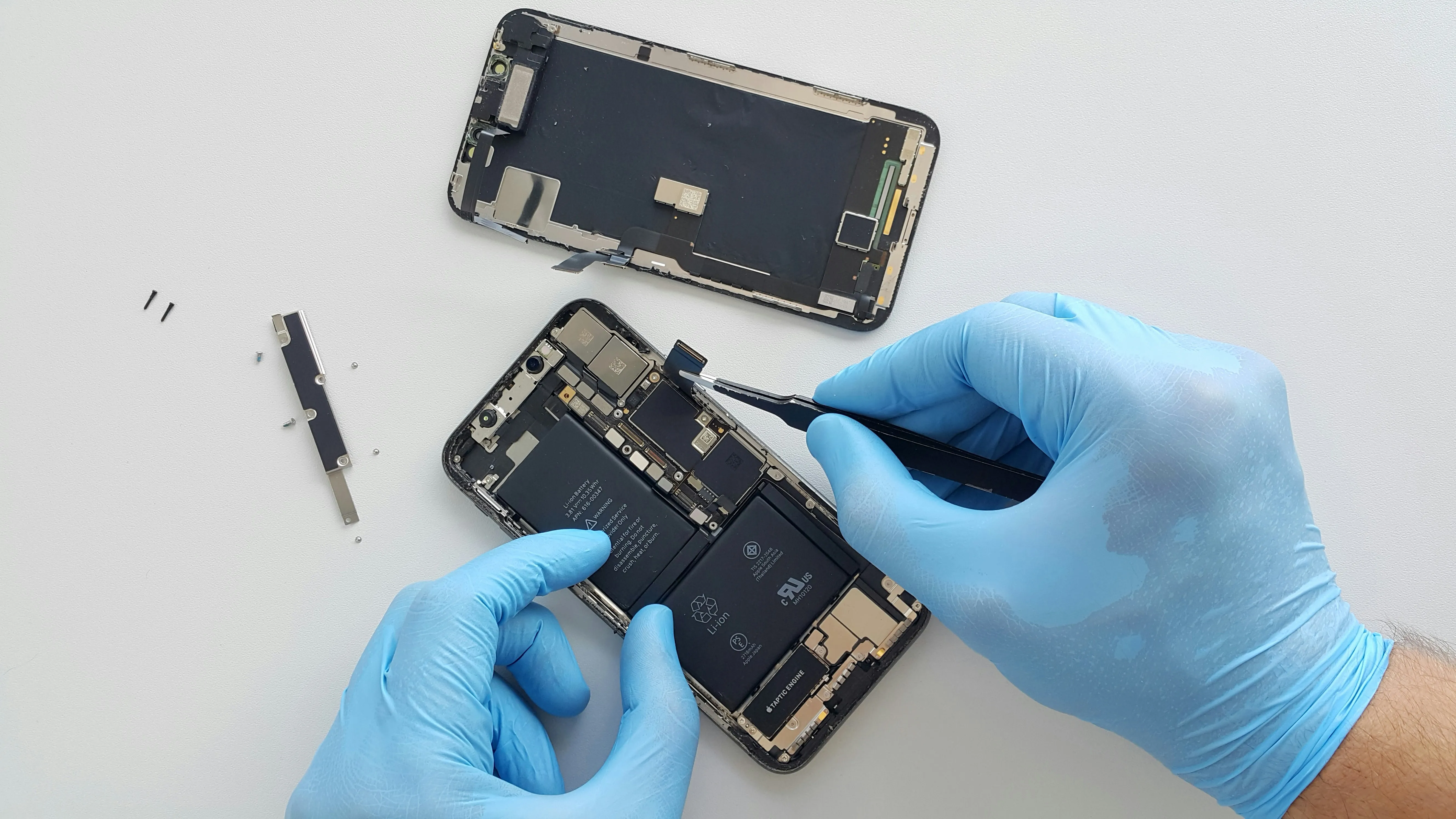
The essence of the Right to Repair is not to require consumers to use products for as long as possible, regardless of circumstances. It is to create an environment in which they can choose between buying a new product and repairing the existing one. No matter how willing consumers are to repair, if parts are unavailable or costs are excessively high, their choices are effectively narrowed to buying a new product. Ultimately, a society where the Right to Repair is genuinely guaranteed is one where repairing and continuing to use a broken product is no more difficult than throwing it away.
by Editor N