
The ‘2025 Seoul International Buddhist Expo’ surpassed 200,000 visitors. That Buddhism is hip is now a proposition the MZ generation would at least nod to. At a time when Buddhism and its teachings are creating a trend beyond religion, Buddhism is also participating in the ESG trend. Although ESG and Buddhism may seem distant at first glance, ESG.ONL has already had conversations about ESG with Ven. Seonji. And in Buddhism, an important ESG-related event was held at the start of the year. Today, let us talk about the ‘Second Bhutan International ESG Forum,’ held at the Royal University of Bhutan on January 9.
ESG from a Buddhist Perspective Found in the Buddhist Country of Bhutan
The ‘Bhutan International ESG Forum’ is a gathering where officials from the government, academia, and industry of South Korea and Bhutan discuss climate crisis response, ESG, and Bhutan’s national governance philosophy of ‘Gross National Happiness (GNH).’ GNH in Bhutan, a Buddhist country, is the concretization of the core Buddhist value of ‘practicing compassion’ as a national development philosophy. It encompasses sustainable and equitable economic development, environmental protection, and good governance, making it similar to the concept of ESG. The Jogye Order, which participated as part of the Korean Buddhist delegation, also emphasized in the congratulatory address of Ven. Jinu that ‘the way of practicing various Buddhist ideas is ESG management.’ In the keynote lecture, Ven. Wongul explored ESG ethics, policy, and industrial practice measures from a Buddhist perspective under the theme of ‘Buddhist Ecological Philosophy and Environmental Activities of Korean Buddhism.’
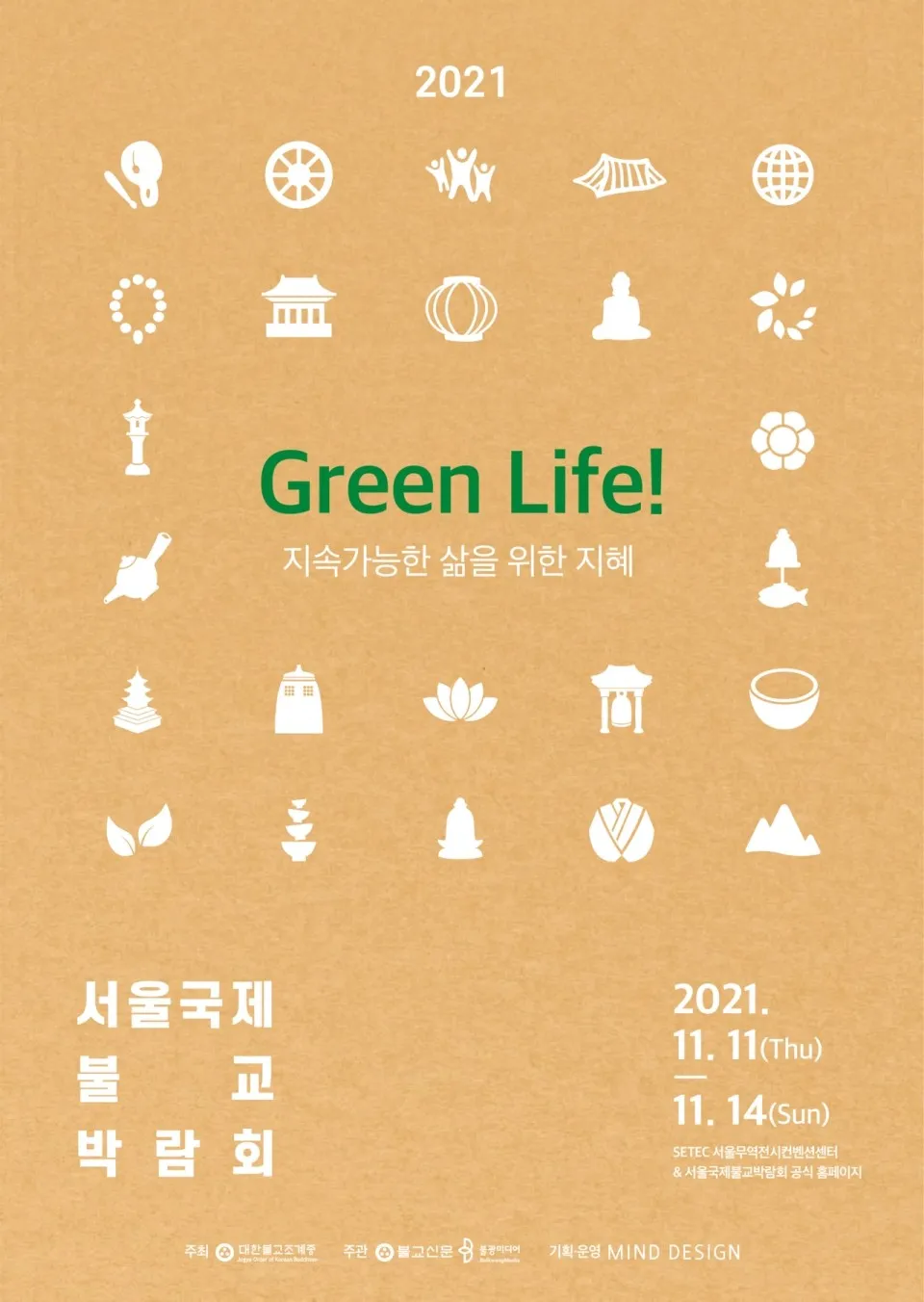
[Poster for the 2021 Seoul International Buddhist Expo themed ‘Wisdom for a Sustainable Life’ Ⓟ Seoul International Buddhist Expo]
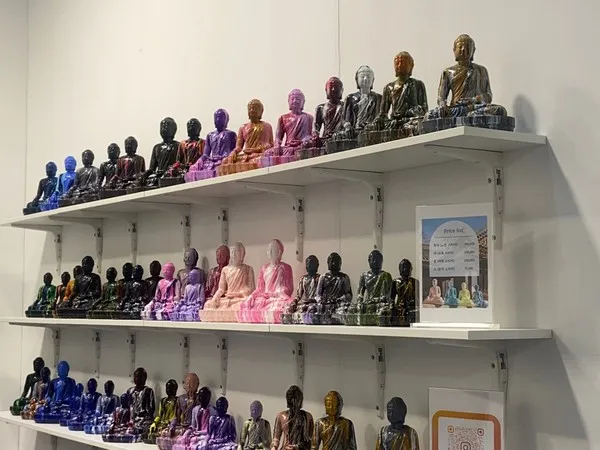
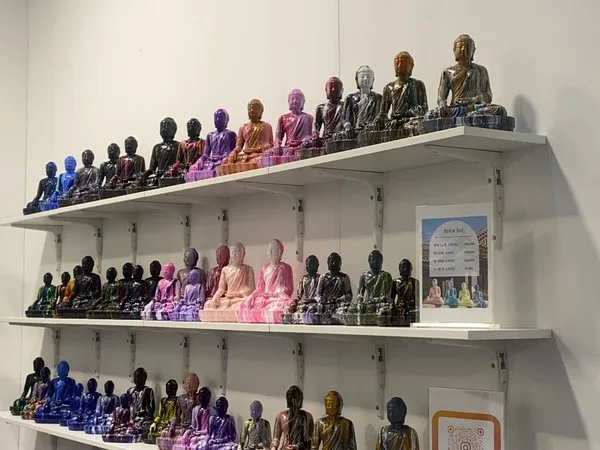
[2025 Seoul International Buddhist Expo ‘Budda-e Butda’ goods exhibition Ⓟ Consumer Evaluation]
The Buddhist community has already been consistently speaking about ESG for a long time. In 2020, Buddhist Climate Action began, and the 2021 Seoul International Buddhist Expo held an environment-related exhibition under the theme of ‘Wisdom for a Sustainable Life.’ In 2022, Ven. Muwon, who was inaugurated as the Chief Administrator of the Cheontae Order, spoke in his inaugural address of ‘strengthening sustainable management that prioritizes the environment and life,’ while the Jogye Order held a forum in 2023 under the theme ‘ESG Management Expansion: How Will Social Welfare Be Practiced.’ This trend gained greater visibility after Ven. Seonji’s book <Buddha Management> was published in 2025.
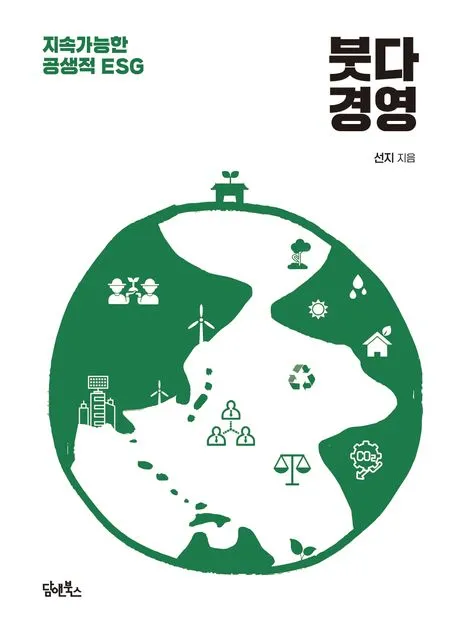
[Buddha Management Ⓟ Dam & Books]
Values Shared by ESG and Buddhism: Transparent Management, Practicing Respect for the Environment and Life
What is always mentioned when discussing Buddhism and ESG is ‘Dependent Origination (Pratītyasamutpāda).’ Dependent Origination is a core Buddhist doctrine meaning the truth that nothing exists in isolation but exists within relationships. It is the recognition that life, society, the nation, and nature are not separate entities but are situated within an interdependent network of relations, which can be interpreted as meaning that companies should act by harmoniously considering not merely the pursuit of profit but also the coexistence of humanity and the interests of society.
Related to this, ‘Non-Duality (Advaya)’ is the concept that elements that appear to be in opposition are not different from each other and are situated in a relationship of mutual dependence. Concretely, in relation to the E dimension, it can be interpreted as meaning that humans are likewise not different from nature or its rulers but are a part of nature, and in the G dimension, it can be interpreted as meaning that corporate executives and employees are not different from each other, thereby creating a safe working environment.
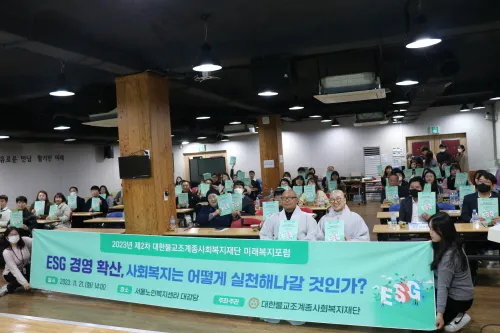
[2023 2nd Jogye Order Social Welfare Foundation Future Welfare Forum on ESG Management Ⓟ Jogye Order Social Welfare Foundation]
The Five Precepts (Pañcaśīla), the five most fundamental ethical guidelines in Buddhism, can likewise be interpreted as basic principles in the E dimension. At the Bhutan Forum, Ven. Wongul linked four of the Five Precepts — not killing (Ahiṃsā), not stealing (Asteya), not engaging in sexual misconduct (Kāmamithyācāra), not lying (Mṛṣāvāda), and not taking intoxicants (Madyapāna) — excluding not engaging in sexual misconduct (meaning to preserve marital fidelity), to the environmental dimension. First, not killing, meaning ‘respect life without destroying it,’ becomes the basis for management activities that minimize ecosystem damage. Not stealing, meaning ‘do not take what is not given,’ relates to the meaning of not taking resources that future generations will use, and can thus be interpreted from the perspective of resource conservation. Not lying, meaning ‘do not speak falsehoods,’ is practiced in the form of facing squarely the current climate crisis and transparently disclosing environmental information. Not taking intoxicants means not drinking alcohol, but it also carries the meaning of guarding against a state of intoxication in which a clear mind cannot be maintained — this is connected to individuals living through the climate crisis refraining from addictive consumption and maintaining a temperate lifestyle.
ESG Cases Demonstrated by the Domestic Buddhist Community
The ‘Third Korea ESG Awards’ ceremony held last December was an occasion to confirm cases of ESG practice by the Buddhist community. Dongguk University, operated by the Jogye Order, won the Grand Prize in the comprehensive category for outstanding achievements in establishing an on-campus greenhouse gas inventory and in ESG education and research based on the Buddhist spirit. The Ulsan Buddhist Environmental Solidarity won the Grand Prize in the Religious Category E domain for its ‘Friday Climate Action Campaign’ held every Friday and the operation of eco-friendly dharma assemblies that do not use disposable products. In the Religious Category S domain, Jiongsa Temple in Miryang won the Grand Prize in recognition of its social contribution activities for children from multicultural families.
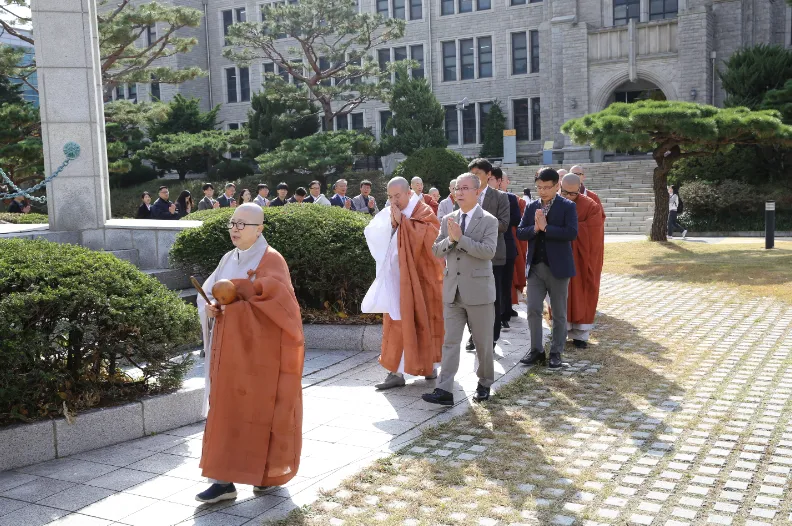
[60th Anniversary Dharma Assembly commemorating the enshrinement of the Bronze Standing Buddha Ⓟ Dongguk University]
In this way, the expansion of ESG practice methods based on the Buddhist spirit continues. Going forward, it is hoped that this will go beyond inducing individual practice based on Buddhist doctrine to become an ESG practice that the religious community, the state, and the industrial world ponder together.
by Editor L