
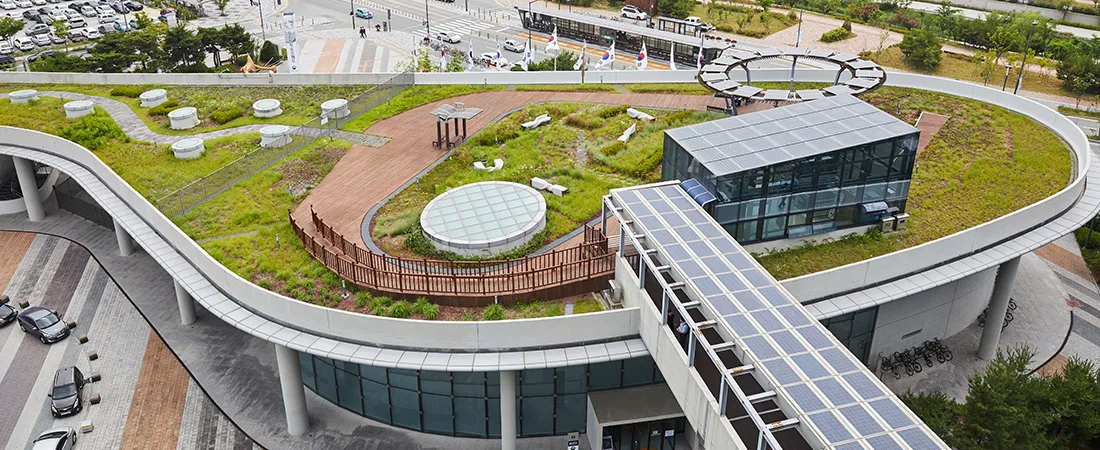
April 11 is ‘Urban Agriculture Day,’ a day to raise awareness of the importance of urban agriculture. Designated as a statutory commemorative day in 2017, the date was chosen by combining April, when spring farming begins, with 11, symbolizing soil (土). Urban agriculture, literally the fusion of ‘urban’ and ‘agriculture,’ refers to the act of utilizing land, buildings, or various living spaces within the city to cultivate crops, trees, or flowers, or to raise insects such as beekeeping. From tending rooftop gardens to growing lettuce on the balcony, we encounter agriculture in the city far more often than we think.
As Urban Agriculture Day marks its 10th anniversary this year, let us explore the effects and examples of how urban agriculture is closely linked with ESG in daily life.
The History and Value of Urban Agriculture
Urban agriculture in South Korea began with the weekend farms of the Seoul Metropolitan Government Agricultural Technology Center in 1992. Entering the 2000s, as leisure time increased with the five-day workweek and wellness culture gained popularity, urban agriculture activities began to gradually increase. In the 2010s, amid concerns over imported agricultural products, controversies over genetically modified foods, and the mad cow disease scare, more people began to consume or directly grow eco-friendly organic produce. In 2011, the Act on the Promotion and Support of Urban Agriculture was enacted, establishing the legal basis for national and local government support of urban agriculture, and from 2017, the Urban Agriculture Manager certification system began fostering specialized urban agriculture personnel.
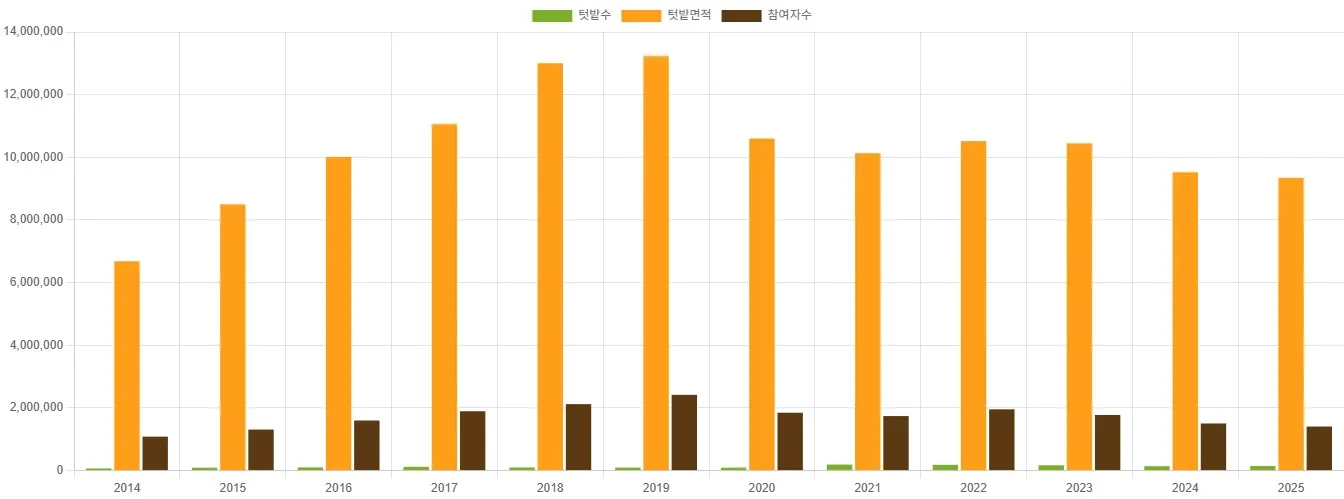
[Urban Garden Participation Status © Everyone Is an Urban Farmer (Korea Agency of Education, Promotion and Information Service in Food, Agriculture, Forestry and Fisheries)]
The total economic, social, and environmental value of urban agriculture exceeded KRW 5 trillion as of 2023. Urban agriculture is assessed to have generated not only economic effects from consuming agricultural products and creating related jobs, but also social value worth KRW 1.3416 trillion and environmental value worth KRW 768.1 billion. Social value includes strengthening bonds and building community, environmental education, and mental relaxation. Environmental value includes promoting biodiversity, reducing carbon, and mitigating the urban heat island effect. Additionally, utilizing waste heat for farming or converting building rooftops into gardens can cut heating and cooling costs by 16.6%, so the value of urban agriculture is by no means small.
Urban Agriculture Sites: From Subway Stations to Rooftops
Various forms of urban agriculture sites exist around us, from school gardens to rooftop gardens of public institutions. There are three representative examples of urban agriculture. First, let us examine ‘Metro Farm,’ the smart farms in subway stations that we frequently encounter. The Seoul Metropolitan Government and Seoul Metro have created Metro Farms in unused spaces within subway stations, using ICT technology to cultivate and supply crops regardless of season or climate. Metro Farms are currently located in five stations: Sangdo, Dapsimni, Cheonwang, Chungjeongno, and Euljiro 3-ga. The farms primarily grow leafy vegetables and herbs, a choice designed to avoid causing harm to farms that grow leafy wrap vegetables.
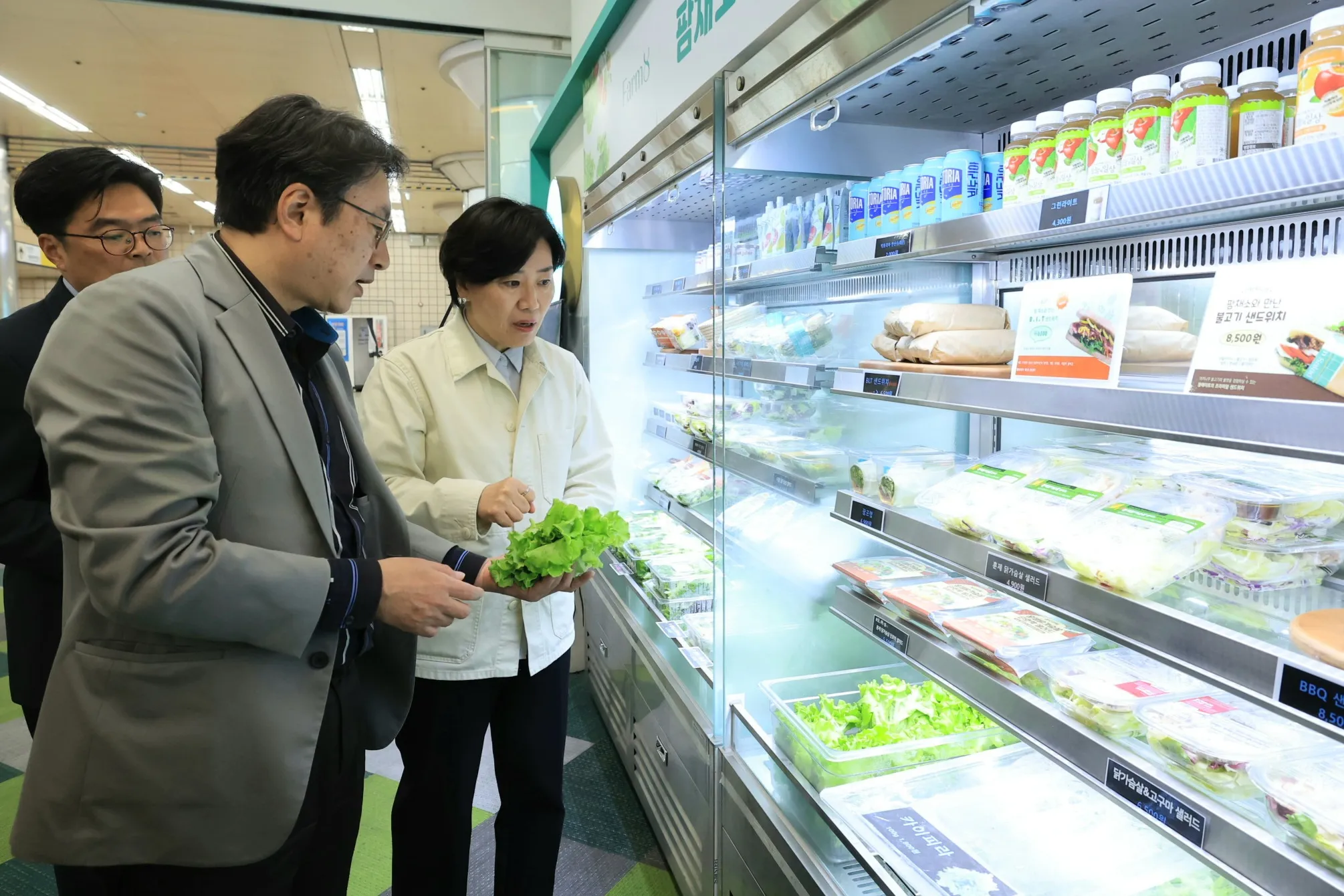
[Minister of Agriculture, Food and Rural Affairs Song Mi-ryung visiting the Sangdo Station Metro Farm © Ministry of Agriculture, Food and Rural Affairs]
Incheon Metropolitan City’s ‘Ieum Garden’ pursues not only farming but also climate crisis response, community building, and social contribution. Created on idle land in Songdo-dong, Incheon, the Ieum Garden is operated by citizens who have formed their own steering committee. While there is no participation fee, community operation education is mandatory, and participants must carry out required activities including shelter maintenance, drainage repair, and volunteer work on donation garden farming. The operation office uses electricity generated through solar and small-scale wind power, and farming is done using rainwater instead of tap water or groundwater — points also worthy of note. In 2025, the Ieum Garden had 334 citizen participants and 26 organizations, and spread the value of urban agriculture by donating a total of 872 kg of produce to the local community over 14 occasions.
Finally, ‘urban beekeeping’ is also a representative example of urban agriculture. Urban beekeeping may be a somewhat unfamiliar concept, but it is making a significant contribution to urban ecosystem restoration. Paradoxically, as the overall bee population declines due to the climate crisis, cities have become a favorable environment for small honeybees, with lower risks from pesticides and the like. The Seoul Metropolitan Government operates urban beekeeping training programs in each autonomous district. Gwanak-gu has installed and operated an urban apiary at the Nakseongdae garden since 2015, harvesting a total of 1,597.5 kg of honey by 2022. Meanwhile, companies are also turning their attention to urban beekeeping as part of ESG activities. Last year, IKEA conducted urban beekeeping projects on the rooftops and outdoor spaces of its Gwangmyeong and Goyang stores in collaboration with the urban beekeeping social venture Urban Bees Seoul, and the harvested honey was sold at pop-up stores inside IKEA.
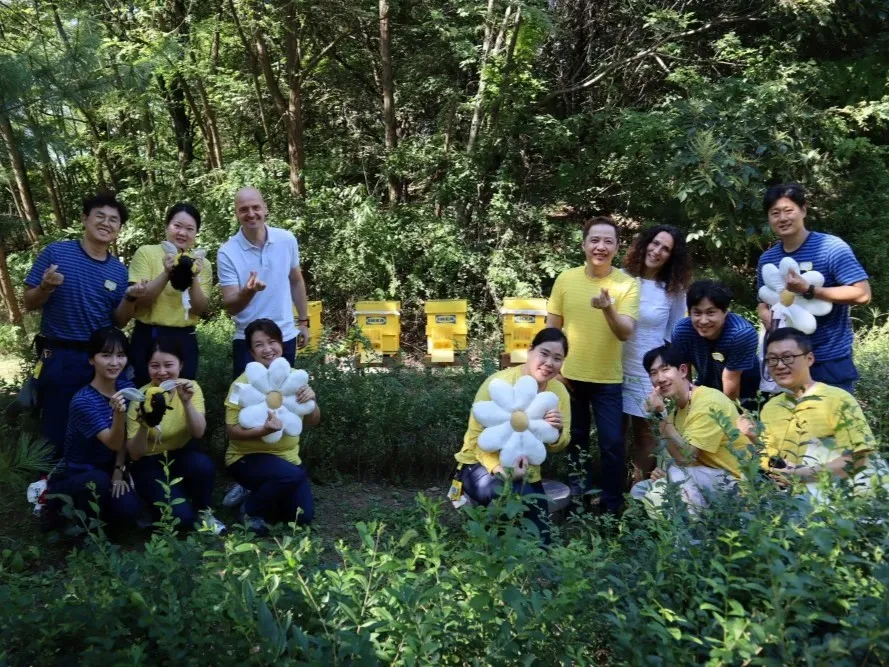
[IKEA, which carried out an urban beekeeping project © IKEA Korea]
Each year, on the occasion of Urban Agriculture Day, government-level commemorative events and various hands-on programs are held. During the Urban Agriculture Day commemorative week from April 7 to 12, the Ministry of Agriculture, Food and Rural Affairs is promoting Urban Agriculture Day events in collaboration with the Sejong National Arboretum. Various companion plant and seed sharing events will also be held in conjunction with local governments.
Let us enjoy the coexistence of the city and nature around us by participating in the diverse events demonstrating that urban agriculture is expanding beyond the environment into community and culture, and by taking part in urban agriculture sites.
by Editor L