
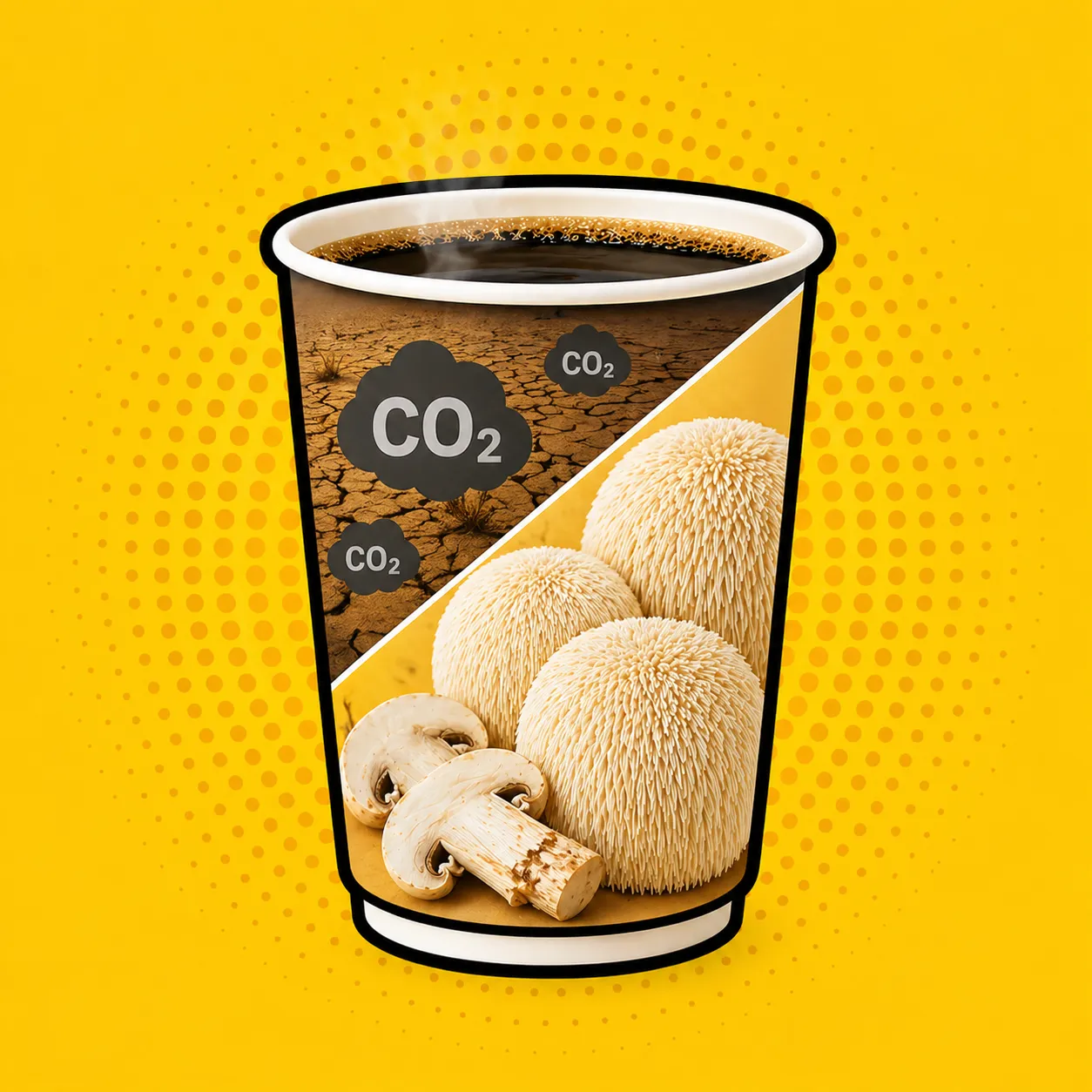
How big a footprint does a cup of coffee or a can of cola leave on the planet? As consumers begin to consider both health and the environment, a new beverage market that substitutes the core raw ingredients of coffee and cola is growing rapidly. Alternative coffee, sometimes called bean-free coffee, is drawing attention for going beyond a mere wellness trend to directly address the ESG challenge of supply chain carbon reduction.
The Dawn of the Alternative Coffee Era
According to World Coffee Research, a non-profit agricultural research and development organization, global coffee demand is projected to double by 2050, while the land suitable for growing coffee is expected to shrink to half its current level. Just as the world’s tropical rainforests are declining for the purpose of cultivating agricultural products including coffee, the coffee industry also bears responsibility for deforestation.

[MushBean Coffee, combining coffee beans with Lion’s Mane mushroom © Dolsan Mushroom Farm]
To reduce this environmental burden, the alternative coffee market is entering a maturation phase. Belgian food-tech startup Koppie has introduced an alternative coffee based on chickpeas, recording carbon emissions of just 1 kg CO₂eq per kilogram under Life Cycle Assessment (LCA) standards — a markedly lower figure compared to conventional coffee, which is at least double. The mushroom coffee market — where coffee beans are blended with extract powders from mushrooms such as chaga and reishi — is also expanding. The global mushroom coffee market is projected to grow to USD 4.12 billion by 2030, with an expected compound annual growth rate of 5.5% from 2023. Similar changes are being detected domestically as well. Korean coffee company Equitable has launched the carbon-reducing bean brand ‘Tomorrow’s Coffee.’ Consuming 1 kg of Tomorrow’s Coffee beans can reduce carbon by 16.6 kg.
Healthy and Kind Drinks? The Beverage Industry Is Changing
Verification work on whether the environmental benefits of alternative ingredients are as substantive as the market claims is also intensifying. Compared to conventional coffee, alternative coffee involves no fermentation process, resulting in lower energy consumption and wastewater generation, and can reduce environmental burden through use of locally sourced ingredients and by-products. On the other hand, systematic Life Cycle Assessment (LCA) research on fermented beverages including kombucha has not yet been sufficiently conducted, and some point out that additional scientific review is needed to solidify their status as sustainable alternatives.
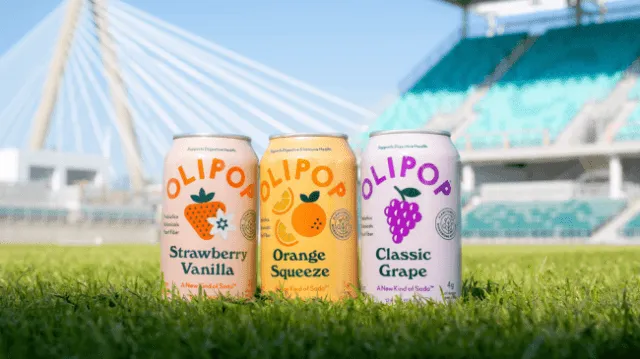
[Olipop, promoting a healthy soda containing prebiotic ingredients © Olipop Official X Account]
Beverage companies are also pursuing packaging innovation alongside ingredient conversion. Prebiotic soda brands such as Olipop and Poppi are penetrating the MZ generation’s demand for ‘conscious consumption’ with products that lower sugar content and add plant-based dietary fiber. Coca-Cola HBC, a production and distribution partner, uses 100% renewable energy across all its operations in Europe and Switzerland, and as of 2024, its renewable and clean energy usage rate reached 53%, earlier than its 2025 target of 50%.
A Single Sip’s Choice Becomes Climate Action
The alternative coffee and alternative beverage trend does not stop at mere diversification of taste. From tropical forest degradation stemming from coffee bean cultivation to water resource depletion and carbon emissions caused by sugarcane production — these two issues reveal the structural limitations of the global food and beverage supply chain. The chain in which consumer choices change the supply chain, and supply chain transformation leads to climate response, has already begun to form. An era is arriving in which ‘what you drink’ becomes a unit of ESG practice.
by Editor N