
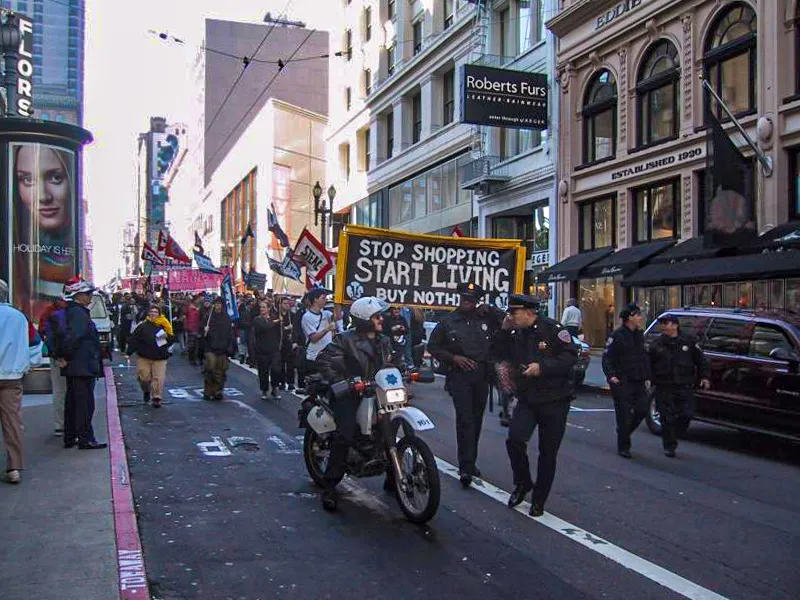
How much did we consume this autumn? From late October through early December, many of our favorite shopping malls — SSG.com, AliExpress, Musinsa, Olive Young, and others — held sales. Amid the relentless sale relay surrounding Black Friday, our wallets opened ceaselessly as well. Musinsa, which recorded the highest-ever sales for this Black Friday in the heat of the moment, disclosed that it sold products worth over KRW 1.5 billion every hour. In the United States, where Black Friday originated, it was projected that 186.9 million people would go shopping this year, from Thanksgiving through Black Friday to Cyber Monday, the online shopping mall discount event. The U.S. retail market is in high spirits, with expectations of USD 11.7 billion in online sales on Black Friday, an 8.3% increase from the previous year, and USD 14.2 billion on Cyber Monday, a 6.3% increase from the previous year.
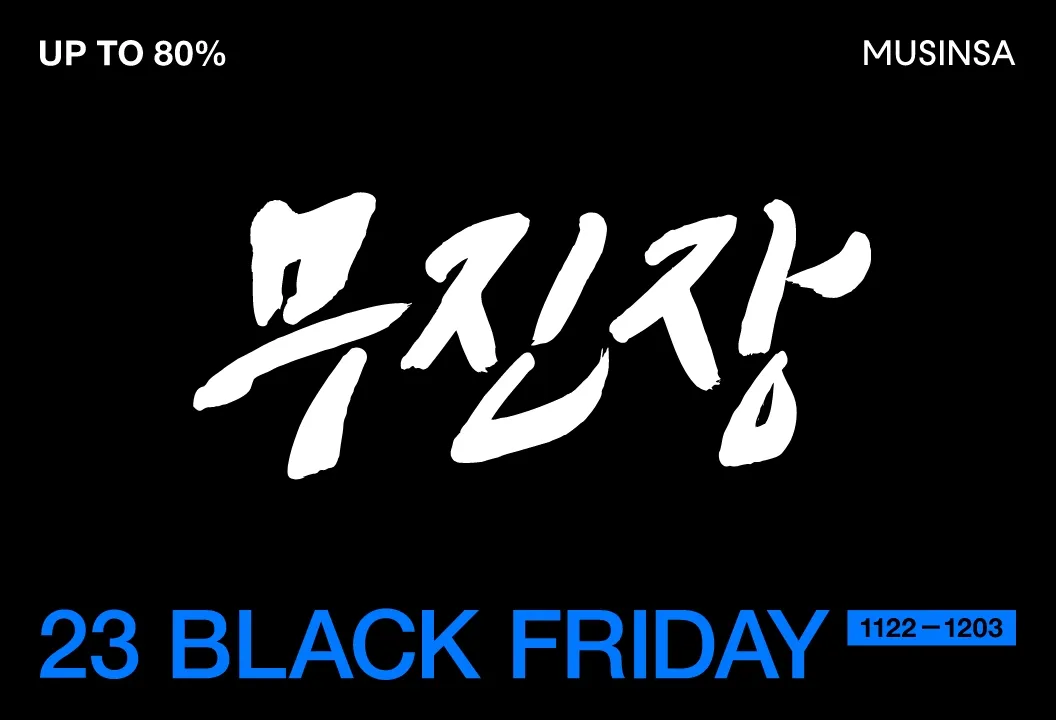
[Musinsa Black Friday Poster Ⓟ Musinsa]
Is Black Friday, which sways our hearts in this way, simply a good day to purchase the things we want cheaply? Is it not spurring indiscriminate consumption at low prices and causing the waste of countless resources? The last Friday of November, the same day as Black Friday, is also ‘Buy Nothing Day.’ The anti-consumerism movement also began around this day, giving it great significance. Today, let us examine ‘Black Friday’ on the last Friday of November, ‘Cyber Monday’ on the following Monday, and ‘Buy Nothing Day.’
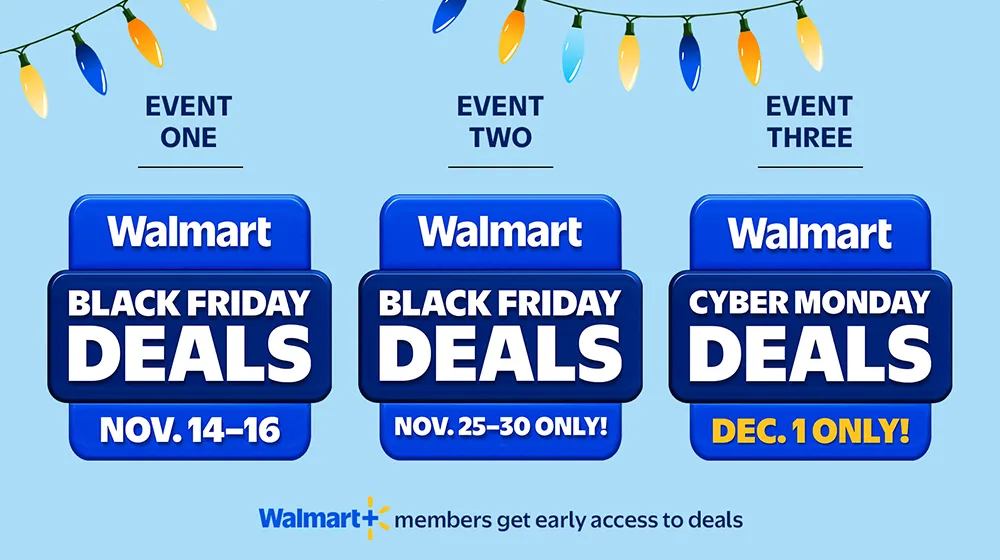
[U.S. Walmart Black Friday Promotion Poster Ⓟ Walmart]
Black Friday + Cyber Monday vs. Buy Nothing Day
Black Friday is the day after Thanksgiving, the fourth Thursday of November, and is the shopping day boasting the largest discount rates in the United States. The expression ‘black’ originates from the fact that it is the day retailers first record profits in black ink for the year. After spending the biggest holiday, Thanksgiving, Americans take the following Friday off to visit stores and sweep up goods. Cyber Monday, the online version of Black Friday, is the first Monday after Black Friday. The New York Times has reported that this day records the largest annual internet shopping sales, because office workers who have returned to work after the four-day Thanksgiving holiday shop using the fast internet at their workplaces. Based on this, Cyber Monday, which began around 2005, now draws even more attention than Black Friday, as online shopping has become ubiquitous.
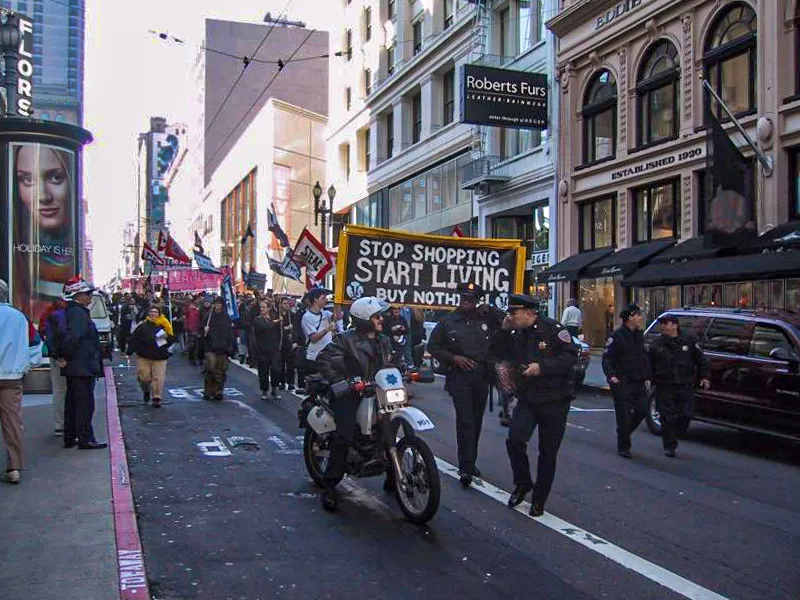
[Buy Nothing Day Ⓟ Wikipedia]
Buy Nothing Day is, contrary to the above commemorative days, a day to reflect on the environmental destruction, labor issues, and unfair trade problems caused by excessive consumption, and to look back at ourselves, addicted to trends and shopping. Begun in 1992 by advertising industry professional Ted Dave, and promoted annually by the non-profit organization ‘Adbusters Media Foundation,’ composed of activist artists, this day began its campaign in South Korea in 1999 led by Green Korea United.
Brands Participating in Buy Nothing Day
It is fascinating to see brands that should promote consumption either halt product sales on Buy Nothing Day or lead sustainable consumption. The Swiss brand Freitag, which recycles truck tarpaulins into bags, and the American eco-friendly fashion brand Patagonia are representative examples. Freitag launched the bag exchange platform ‘S.W.A.P (Shopping Without Any Payment),’ and from 2020 has redirected consumers accessing its online store on Black Friday to this platform. Going further, in the past two years, it did not sell products at its official stores and online stores worldwide for the one day of Black Friday. Instead, in 2023 it ran a free bag rental campaign, and in 2024 it encouraged people to experience the S.W.A.P bag exchange service offline. This year, it opened a new bag repair center in Zurich timed for Black Friday, and in celebration, ran a first-come, first-served free bag repair service at select stores worldwide.
Patagonia, which gained fame in 2011 by running the advertisement ‘Don’t Buy This Jacket’ on Black Friday, likewise does not hold Black Friday discounts. Instead, through its official website, it introduces clothing repair services and repair methods and shares information on grassroots environmental protection activities across the country. It has also released ‘Reading Hate Comments’ content in which employees themselves cheerfully explain why Patagonia does not have a sale on Black Friday, and why and how it strives for environmental protection.
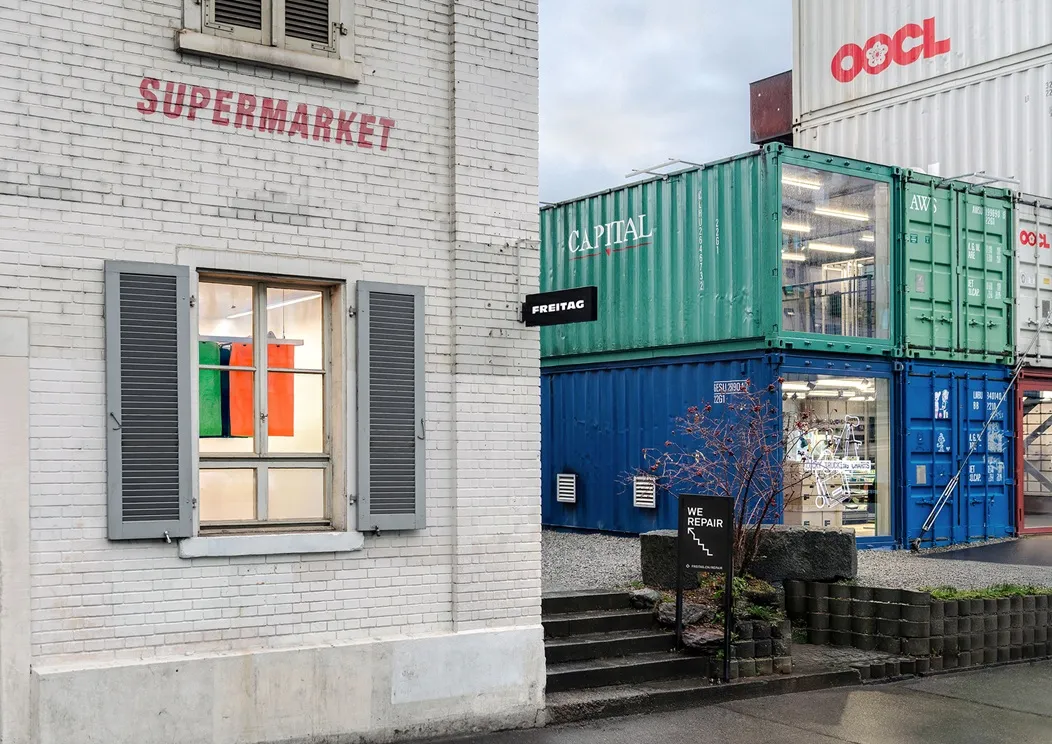
[Freitag’s New Repair Studio Ⓟ Freitag]
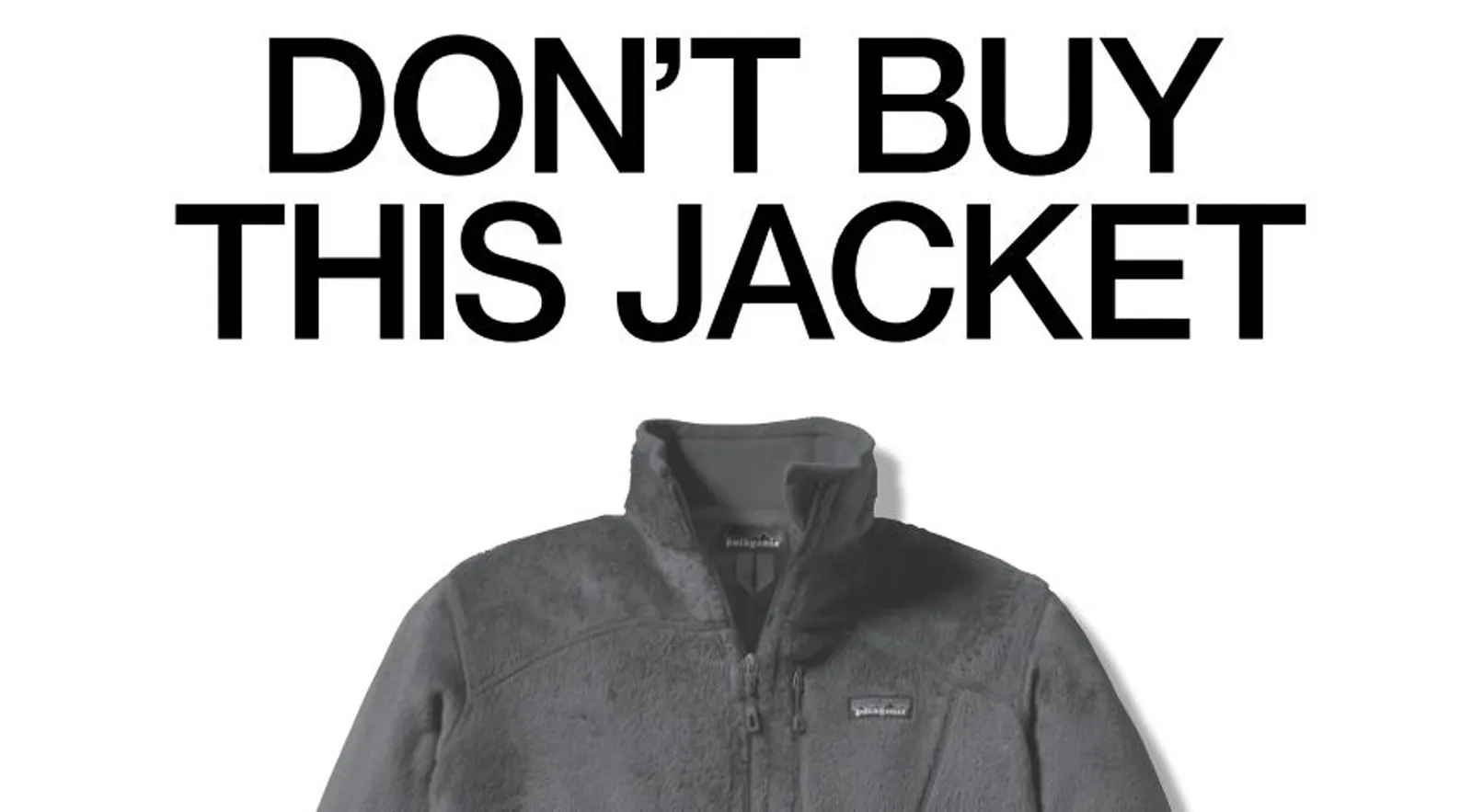
[Patagonia’s ‘Don’t Buy This Jacket’ Campaign Ⓟ Patagonia Korea]
Beyond these, the Canadian beauty company Deciem’s brand The Ordinary, noting that Black Friday encourages impulse buying with short sale periods and high discount rates, runs the ‘Slowvember’ campaign, discounting products throughout the month of November. It provides time to consider what the skin needs and even presented a ‘Guide to Distinguishing Fake Benefits’ that spur unnecessary purchases. South Korea’s online shopping platform 29cm commemorated ‘Buy Nothing Day’ this year by releasing interview content on sustainable consumption with stand-up comedian Won So-yoon and YouTuber Jimmy Jo. By recommending environmentally related products such as vegan items, it naturally heightened interest in ‘Buy Nothing Day’ and ‘sustainable consumption.’
Buy Nothing Day and the YONO Consumption Trend
Anti-consumerism has spread in earnest from Buy Nothing Day as its starting point. Anti-consumerism rejects consumption itself, recycles to reduce social and environmental problems, and may even boycott specific products or brands based on political or social beliefs. This anti-consumerism, which began in the 1990s, has appeared in various forms including the emergence of freeganism* and the popularity of minimalist lifestyles.
*Freeganism: A compound of ‘free’ and ‘veganism,’ an anti-consumerist, anti-capitalist movement of consuming and using discarded food and goods.
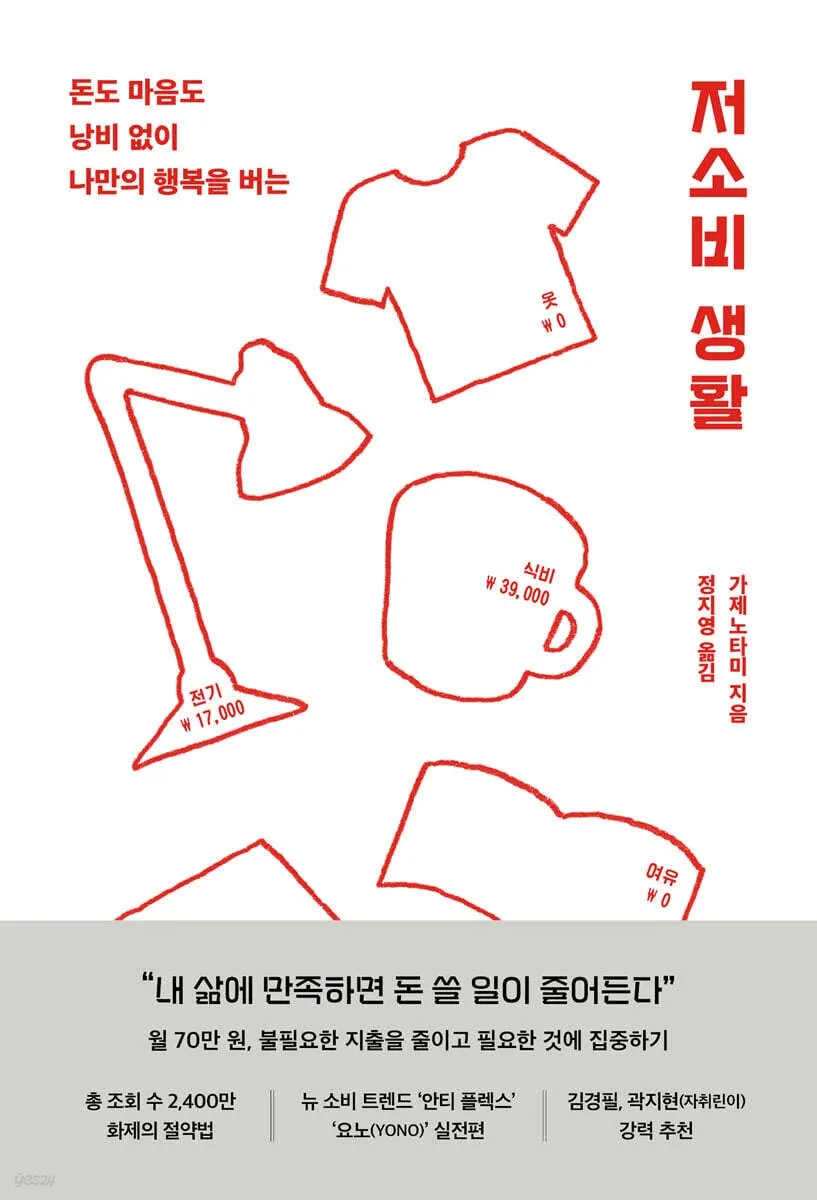
[<Low Consumption Life> Ⓟ RH Korea]
The recently spotlighted trend ‘YONO (You Only Need One)’ is a movement to minimize current consumption and possessions. As a concept opposite to YOLO (You Only Live Once), which gained popularity a few years ago, it aims not to buy unnecessary items, to buy quality items and use them for a long time, and to seek out secondhand transactions when purchasing. The fact that the usage of major domestic secondhand transaction applications has nearly doubled in four years also attests to this trend. Recently, it has also been referred to as ‘underconsumption core’: the book <Low Consumption Life>, which deals with the low-consumption lifestyle of Japanese YouTuber Kazenotami, became a bestseller in both Korea and Japan, and videos under the ‘#Underconsumptioncore’ hashtag on TikTok gained popularity with total views exceeding 60 million. Although it is a trend that has surged due to the prolonged high inflation, economic downturn, and low growth since the pandemic, that is not the only reason. The younger generation that is reducing consumption uses eco-friendly materials, purchases local products that reduce carbon emissions, and rejects fast fashion. It can also be seen as one facet of sustainable consumption that considers society and the environment.
We have examined brands that participate in Buy Nothing Day, rather than Black Friday, and the related consumption trends. If you have already pressed the purchase button countless times for Black Friday, how about resolving to be ‘the me who buys nothing’ next Black Friday? It will become the simplest environmental movement — one practiced not by doing something but simply by not buying.
by Editor L