
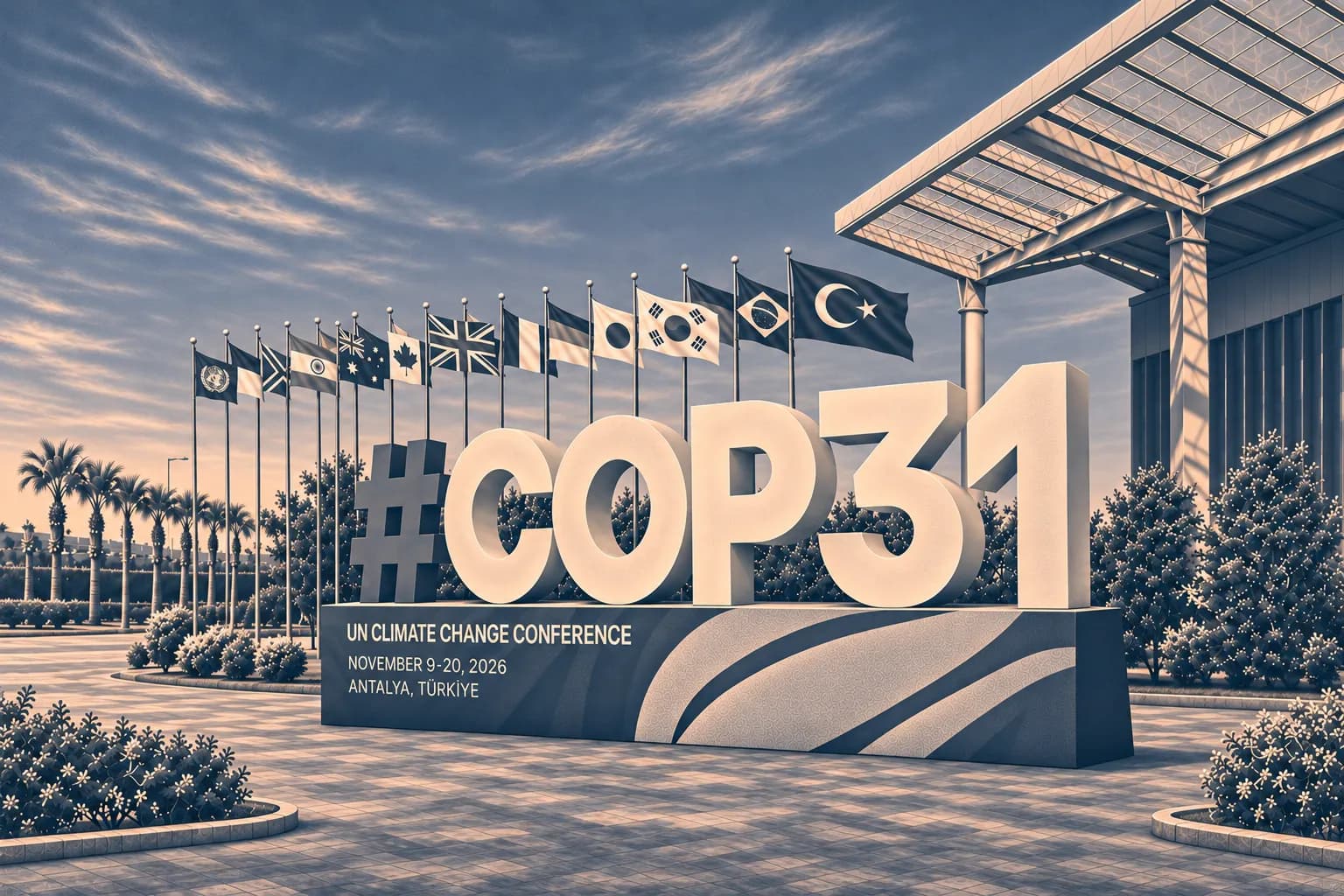
This year’s United Nations Framework Convention on Climate Change Conference of the Parties(Conference of the Parties, or COP) must fill in the commitments left by last year’s Belém conference with specific figures and implementation measures. The COP is a meeting where the Convention’s parties gather annually to discuss rules and goals for addressing climate change. This year’s 31st session (COP31) will be held in Antalya, Türkiye, from November 9 to 20, 2026. Türkiye, the host country, has also defined the conference as a “COP of implementation” that will turn commitments into tangible results. What must be implemented becomes clear from the decision adopted at the 30th session (COP30), held in Belém, Brazil, in November 2025.
The “Fossil Fuel Transition” Left Unresolved in the Belém Decision
The Belém conference’s signature achievement was an agreement to expand adaptation finance. Adaptation finance is money that helps developing countries prepare in advance for risks intensified by climate change, such as droughts, floods, and rising sea levels. It is addressed separately from “loss and damage” finance, which supports recovery and compensation for damage that has already occurred. In the final decision, parties called for efforts to at least triple adaptation finance by 2035. However, they did not specify the baseline year or amount against which the tripling would be measured.
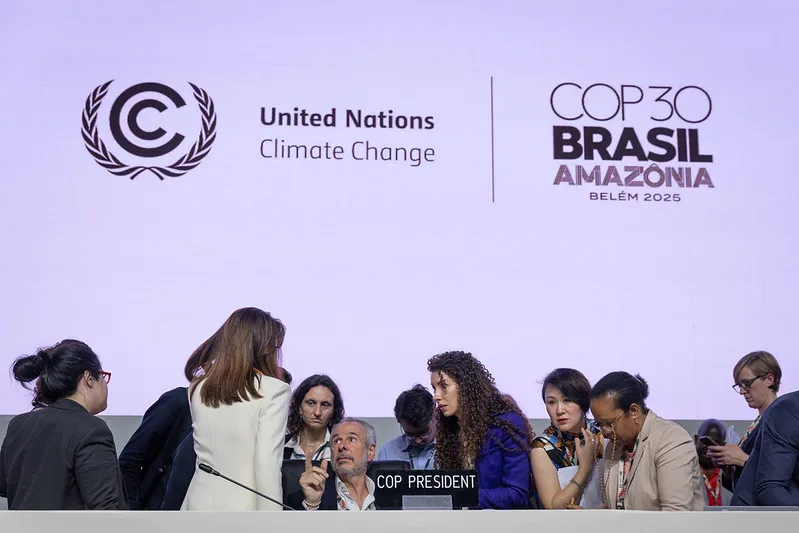
The fossil fuel transition did not even make it into the decision. Until the final stages of the conference, the European Union (EU) and around 80 countries called for a transition roadmap away from fossil fuels to be included in the decision, but oil-producing countries such as Saudi Arabia and Russia opposed it. Instead, Brazil’s COP30 presidency said it would develop the roadmap separately from the formal negotiations, through an initiative led directly by the presidency.
The Tasks Antalya Has Inherited
Antalya has inherited two tasks from Belém. The first is to establish the baseline for the pledge to triple adaptation finance. The 2021 Glasgow conference set both a target and a baseline year, calling on donor countries to at least double the adaptation finance they provide to developing countries by 2025, compared with 2019 levels. For Belém’s tripling pledge, the starting year and the amount considered the overall baseline must likewise be determined before compliance can be assessed. The second task is the fossil fuel transition roadmap that Brazil’s presidency has been preparing outside the formal negotiations since Belém. The presidency has said it plans to release the roadmap before COP31 opens, making how countries receive and use it in Antalya a key point of interest.
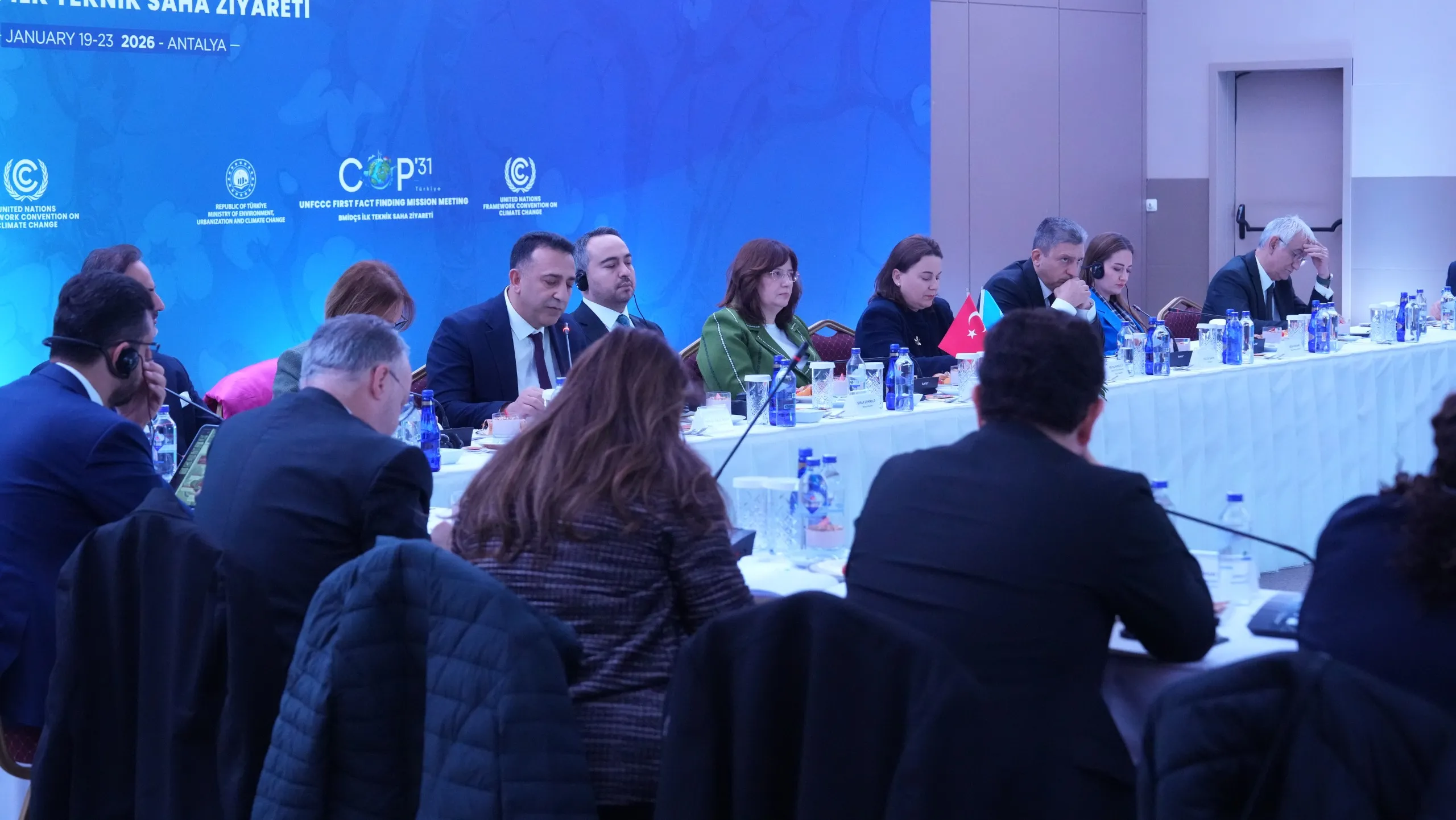
Separately from the tasks carried over from Belém, Türkiye, the host country, has introduced a new proposal outside the formal negotiations. It is an electrification pledge that countries can choose to join, rather than a decision adopted by all parties. Türkiye announced it in September 2026 under the name “35 by 35.” The aim is to reduce fossil fuel demand by replacing the direct use of oil and gas with electricity in transport, heating, and industry. The goal is to raise electricity’s share of global final energy consumption—the energy actually used by households, industry, and transport—to 35% by 2035. According to the International Energy Agency (IEA)’s “Special Report on Electrification,” released in 2026, the share was 23% in 2025, leaving about 12 percentage points to reach the target.
Electrification reduces emissions in its own right. In the report, the International Energy Agency (IEA) analyzed that electrification reduces emissions even under current policies because electric technologies use less energy to perform the same task—for example, electric vehicles are about three times as efficient as internal combustion engine vehicles. However, the scale of the reduction depends on how electricity is generated. The report explained that the cleaner the power sector becomes, the greater the emissions-reduction impact of electrification—by several times.
The Gaps to Be Filled in Antalya
At the Antalya conference, opening on November 9, the first point to watch will be how specific the formal agreement becomes. With both Belém and Antalya presenting themselves as “COPs of implementation,” attention is expected to focus less on the size of new targets than on putting existing commitments into a form that can be monitored. If the baseline year and amount missing from the adaptation finance tripling pledge are included in this decision, there will, for the first time, be a basis for assessing whether the pledge is being met by 2035.
Outcomes emerging outside the formal negotiations will also be worth watching. The effectiveness of the electrification pledge will depend on how many countries join and whether participating countries also present plans to expand low-carbon electricity. Brazil’s fossil fuel roadmap is closer to a strategy document prepared by the presidency than to a pledge signed by individual countries. Attention will focus on what form the document takes and how much it is reflected in countries’ policymaking, international cooperation, and subsequent negotiations. If the commitments in the decision are filled with numbers, and the pledges and roadmap outside the decision lead to genuine participation, Antalya could become the first example worthy of the name “COP of implementation.”
by Editor L