
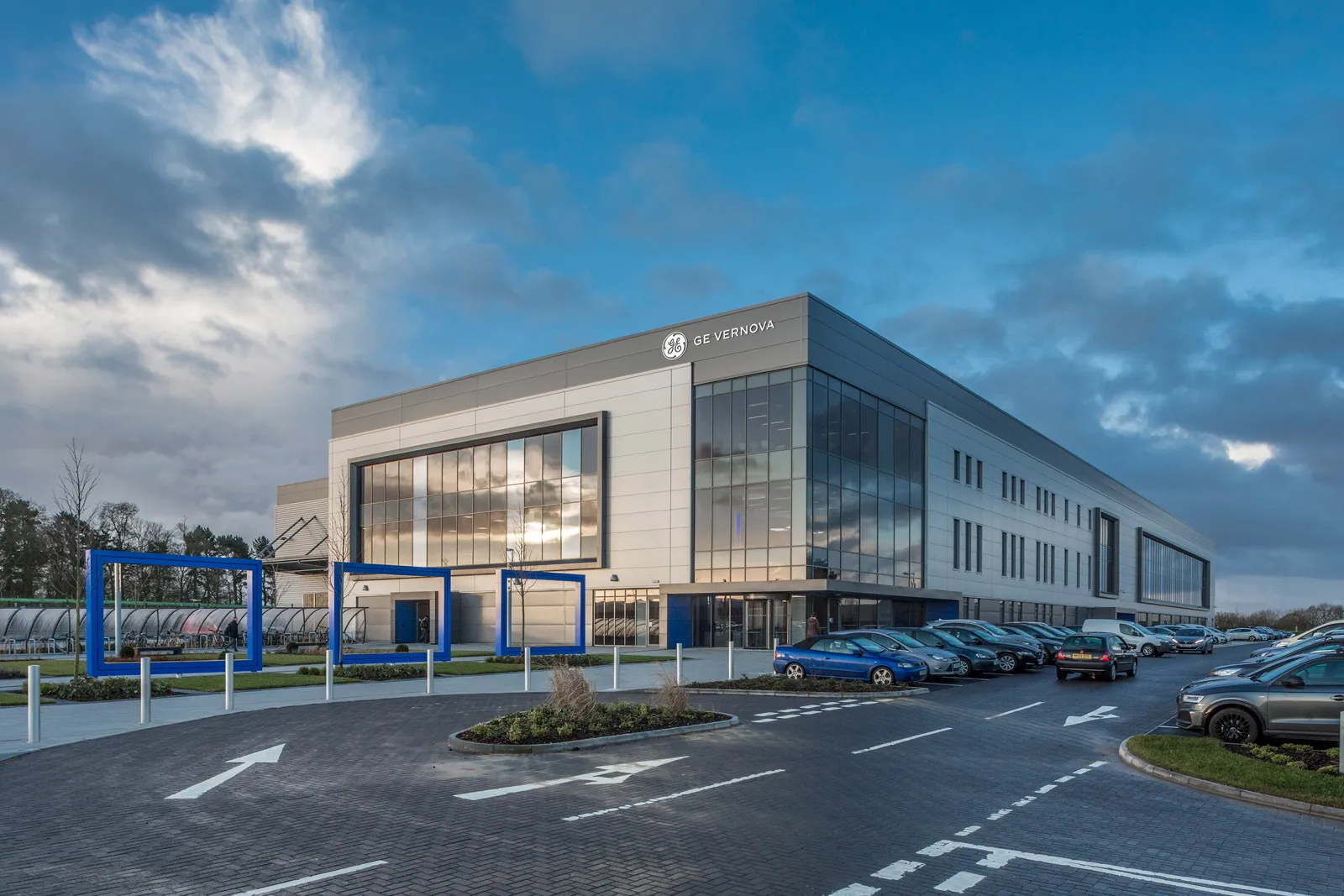
‘Energy transition’ refers to the long-term structural shift from fossil fuel-centered energy systems — based on coal and oil — to low-carbon energy sources such as solar, wind, and hydrogen. The energy transition company currently in the spotlight, GE Vernova, was established when the energy division of General Electric (GE) was spun off as an independent company in 2024. It has a portfolio spanning the full range of power generation and transmission and distribution, from gas power generation equipment, wind turbines, and nuclear and hydroelectric power facilities to electrification software.
On April 22, GE Vernova’s stock price surged by over 13% in a single day on the New York Stock Exchange, hitting an all-time high. Its Q1 2026 earnings released the same day far exceeded Wall Street expectations, with revenue up 16% year-on-year to USD 9.3 billion. GE Vernova’s growth is a signal that the structure of the energy industry itself is changing. As the explosive power consumption of AI data centers simultaneously drives up orders for both gas power generation and power grid equipment, companies serving as a bridging role in the decarbonization transition process are drawing the attention of both investors and the industry.
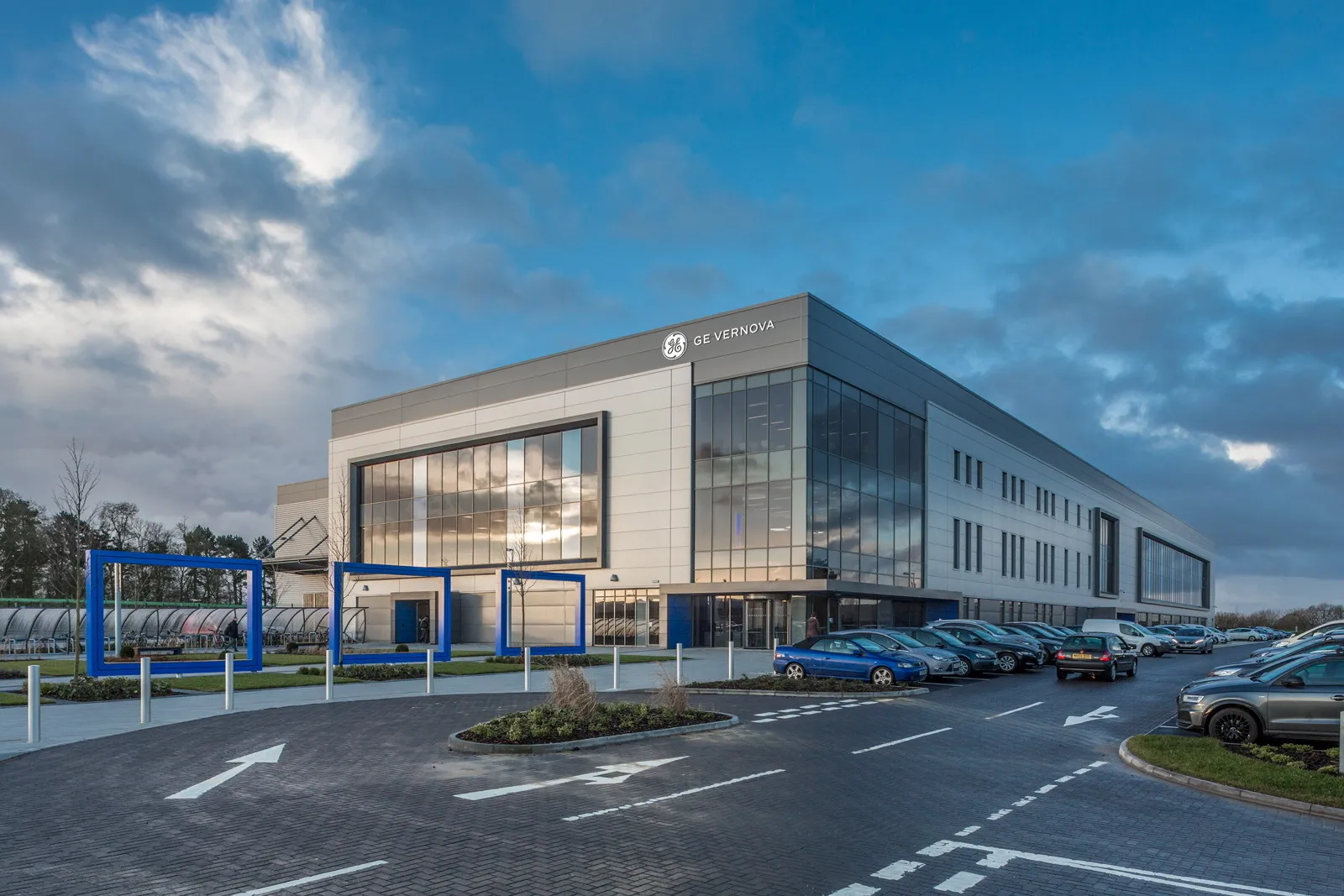
[View of GE Vernova’s UK operations, a key hub for power conversion and transmission technology © GE Vernova Official Website]
The Paradox of Energy Transition Created by AI
Energy transition companies place the transition process itself at the center of their business: maintaining reliable power supply while progressively lowering carbon emissions. The global energy transition market was valued at USD 3.08 trillion as of 2024 and is projected to reach USD 5.56 trillion by 2030, growing at an annual average rate of 10.3%.
The reason this market is drawing particular attention now is the ‘paradox of AI.’ As AI technology advances, the power consumption of data centers increases exponentially. In this situation, weather-dependent energy sources such as solar and wind cannot reliably supply hundreds of megawatts around the clock. Ultimately, companies supplying power to Big Tech — Microsoft, Google, Amazon, Meta — have begun to move to simultaneously secure generation capacity without abandoning their renewable energy targets. This is the background for the dual effect in which the AI revolution has explosively driven up not only demand for renewable energy transition but also demand for energy generation infrastructure.
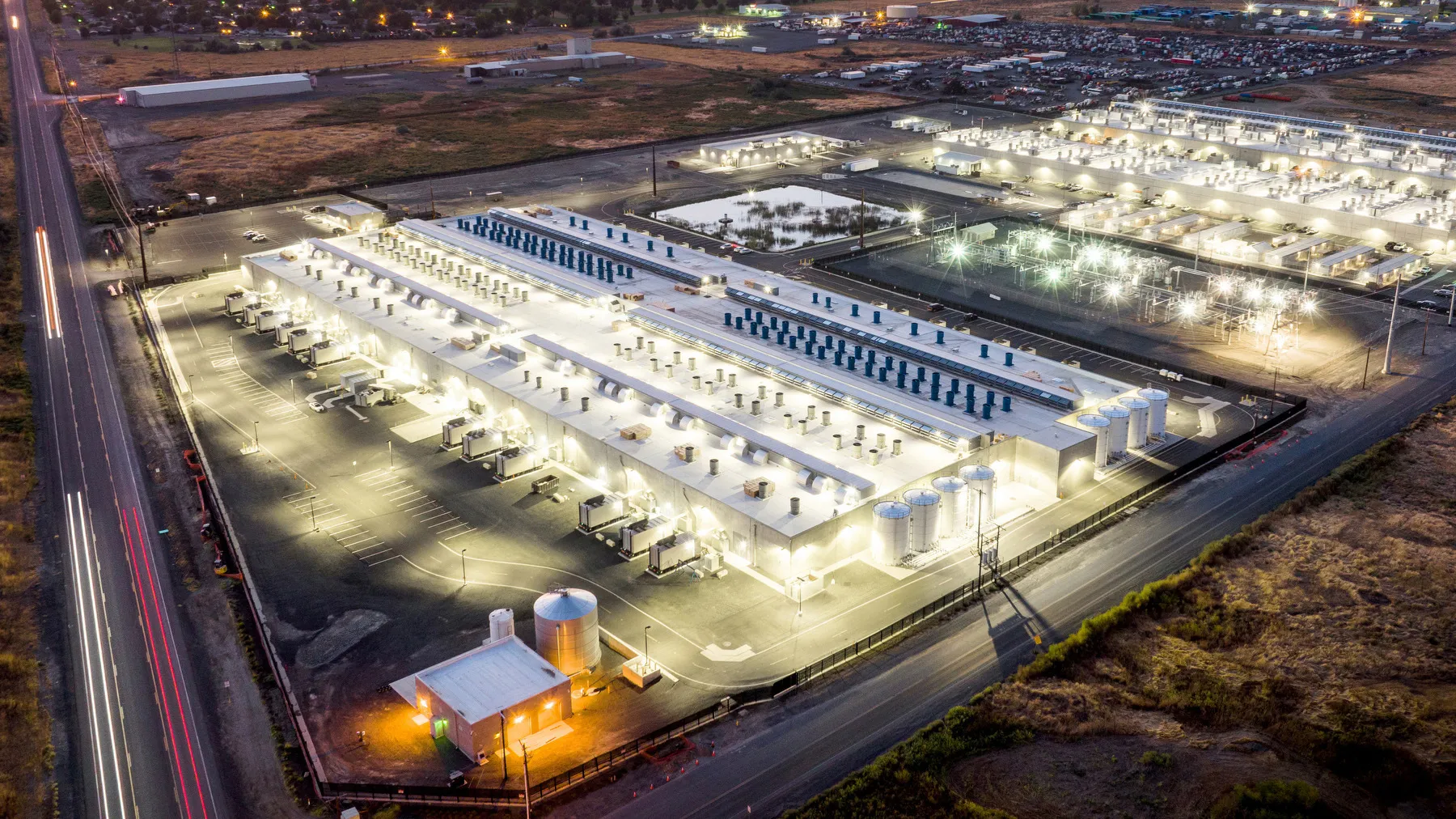
[Amazon data center sourcing over 95% of its power from renewable energy © Amazon News Official Website]
GE Vernova and Siemens: Energy Transition Companies Racing Together
The areas that energy transition companies actually cover are broadly divided into three pillars: power generation, power grids, and renewable energy. What is interesting is that all three areas are expanding simultaneously under the single impetus of surging AI demand.
The hottest area is the gas power generation equipment market. Since being spun off from GE in 2024, GE Vernova has emerged as the biggest beneficiary in the gas power equipment market. In Q1 2026 alone, its Power segment achieved USD 10 billion in orders, a significant portion of which are contracts for securing power for data centers. Siemens Energy, which competes in the same market, also announced in its February earnings release that its net profit had roughly tripled year-on-year. The simultaneous benefit accruing to both companies shows that the gas power equipment market has now shifted into what is known as a ‘seller’s market.’ Long-term contract structures in which actual delivery takes years after equipment orders have become commonplace, and pricing initiative is shifting to the supplier side.
The Long-Term Goal Is Renewable Energy
Power grid infrastructure is another key area. GE Vernova strengthened its grid supply capability last quarter by fully acquiring the remaining 50% stake in transformer specialist Prolec GE. In its Electrification segment alone during Q1, equipment orders for data center support reached USD 2.4 billion — a figure that surpassed the previous year’s full-year performance in just a single quarter. Siemens Energy is also moving in the same direction, putting its Grid Technologies division forward as a core growth engine.
The renewable energy sector is a different story. GE Vernova’s Wind segment saw Q1 revenue fall 23% year-on-year, with losses expanding to approximately USD 382 million. GE Vernova has stated that the Trump administration’s offshore wind regulatory changes are creating a challenging business environment, though there is no issue with project execution. While raising the share of renewable energy is the long-term goal, in the short term, gas power generation and power grids are the structure driving growth.
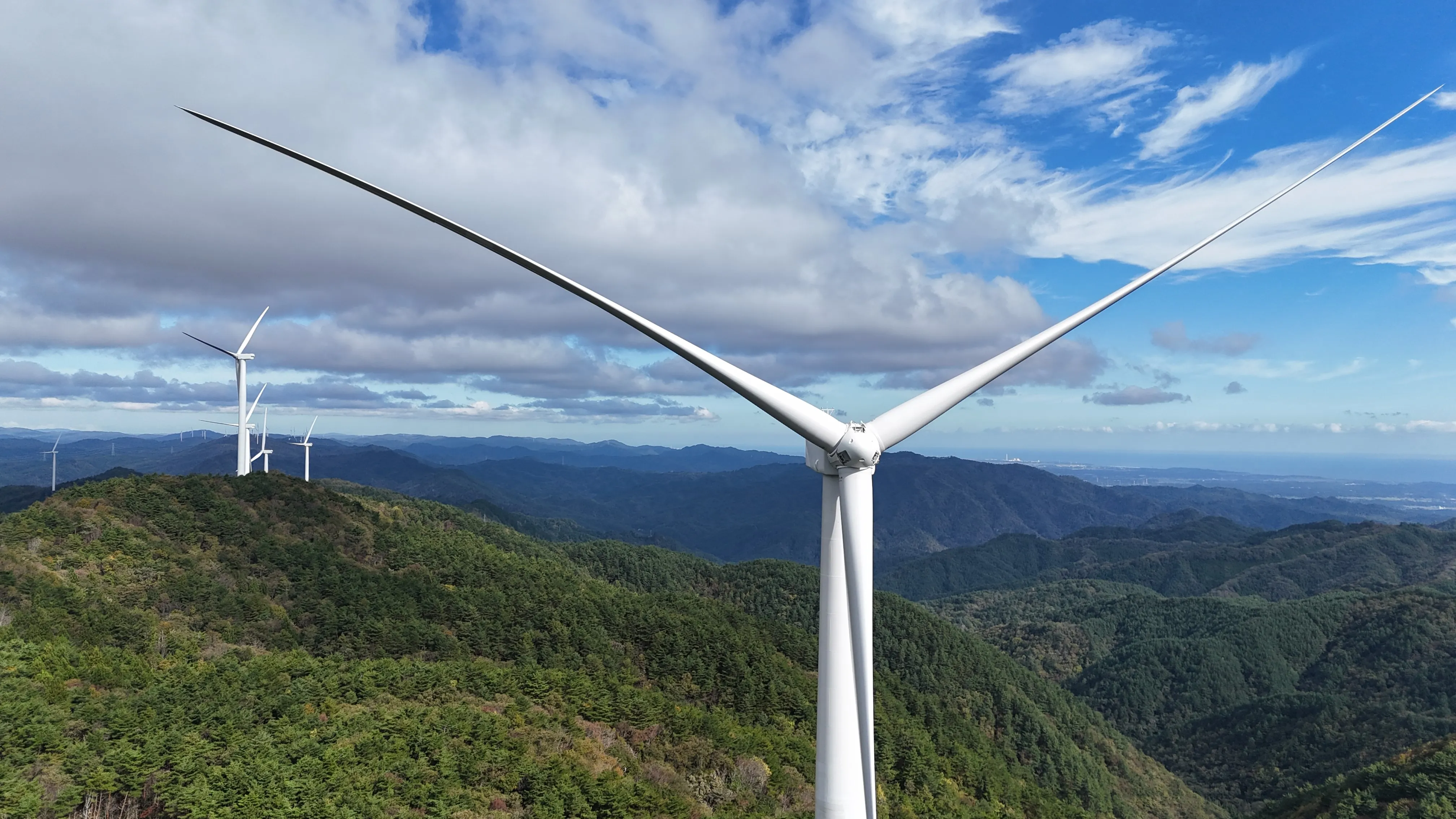
[GE Vernova Wind Turbine © GE Vernova Official Website]
GE Vernova has set a target of achieving an order backlog of USD 200 billion by 2027 — a goal advanced by one year from the original plan. However, there are also variables. GE Vernova estimates cost increases from the 2026 global tariff shock at USD 250 to 350 million. U.S.-China trade conflict and supply chain uncertainty could affect both equipment parts procurement and pricing.
A more fundamental question is alignment with climate goals. The role publicly claimed by energy transition companies is that of a temporary bridge reducing carbon, not one that perpetuates fossil fuel use. Yet currently, their profits are concentrated in gas power equipment, while the renewable energy segment is still generating losses. The direction of the transition is clear, but the pace and center of gravity are still pointing elsewhere.
by Editor L