Loading Data
Please wait a moment...
Update Cal.
2026.08
03
Mon
04
Tue
05
Wed
06
Thu
07
Fri
08
Sat
09
Sun
Update Calendar
2026.08
01
Sat
02
Sun
03
Mon
04
Tue
05
Wed
06
Thu
07
Fri
08
Sat
09
Sun
10
Mon
11
Tue
12
Wed
13
Thu
14
Fri

Loading Data
Please wait a moment...
ESG keywords to ponder during a short lunch break.
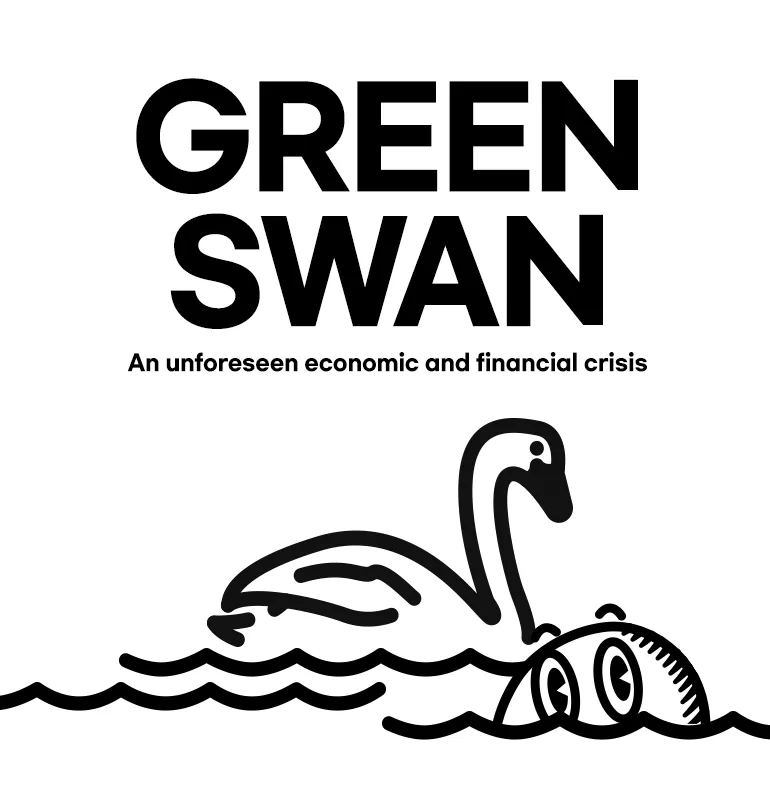
A Green Swan refers to an unpredictable economic or financial crisis caused by climate change. The term first appeared in a report titled "The Green Swan: Central Banking and Financial Stability in the Age of Climate Change," published by the Bank for International Settlements (BIS) in January 2020. It is a concept derived from the "Black Swan" — the term for an unpredictable, extreme event — introduced by American economist Nassim Nicholas Taleb in his 2007 book of the same name.The Black Swan originates from the moment in the 17th century when Europeans, who firmly believed that all swans were white, discovered black swans in Australia. People held the fixed conviction that all swans were white — yet something entirely unexpected and contrary to that belief appeared before them. Such shocking and unanticipated events came to be called Black Swans. The Green Swan and the Black Swan differ in several key respects.[Green Swan ⓒESG.ONL]A Black Swan delivers an unexpected shock, but recovery is possible over time. A Green Swan, by contrast, is difficult to recover from. Once climate change raises the Earth's average temperature, bringing it back down again requires far more time. During the gradual process of cooling, other extreme weather events such as heatwaves and typhoons also occur, and socioeconomic damage becomes unavoidable. Moreover, returning the average temperature to its target level is nearly impossible, making it equally difficult to restore a state in which no damage remains for us to bear.A Black Swan can only be confirmed and explained after an event has already occurred, whereas a Green Swan can be anticipated and warned against through the projections of experts including scientists, economists, and climate specialists. For example, the BIS report warned that climate change could trigger sharp price fluctuations in agricultural products and energy resources, and that reduced productivity — due to shortened working hours caused by heatwaves, among other factors — could lead to inflation and stagflation. It also projected that the growing frequency of rising sea levels, storms, floods, and heatwaves would increase the economic costs faced by central banks and financial institutions around the world.If a Black Swan represents an economic loss from which recovery can be expected, a Green Swan represents global damage from which recovery is difficult — or impossible. by Editor O
08/14/2025
C40 is an abbreviation for the C40 Cities Climate Leadership Group, a key global network that leads climate action among major cities around the world. The history of C40 dates back to October 2005, when Ken Livingstone, then Mayor of London, felt the limitations of G20 discussions that proceeded at the national level and invited representatives of 18 megacities to form a working group for cooperation on climate change and air pollution reduction. Nicky Gavron, Deputy Mayor of London and another key figure in C40's founding, stated that "if nation-states are at the heart of international climate agreements, implementation and innovation will happen at the city level," highlighting the need for direct action at the city level. Starting with 18 cities, the group grew to 40 participating cities in its early days, and the name C40 became established.Member cities are broadly classified into four categories: Megacity, Innovator, Observer, and Inactive.[C40 — Cities Climate Leadership Group ⓒESG.ONL]// MegacityLarge cities with a population of over 3 million that demonstrate outstanding climate leadership at a global level.// InnovatorCities that demonstrate outstanding climate leadership at a global level but do not meet the scale of a Megacity.// ObserverCities that meet the qualifications of a Megacity or Innovator based on climate leadership, but require approval of full membership due to regulatory or procedural reasons.// InactiveCities that have not met C40's climate leadership standards for 12 months or more.As of 2025, C40 has grown into a global network of 97 member cities, leading global climate action. Participating cities account for approximately one-twelfth of the world's population and more than 22% of the global economy. In 2022, C40 hosted the largest-ever World Mayors Summit in Buenos Aires, developing concrete city-level responses to climate change — including the creation of 50 million green jobs by 2030, investment of over USD 1 billion in cities in the Global South, and recognition of climate leadership cities through the C40-Bloomberg Philanthropies Award.As awareness grows that cities are central to solving climate change, C40 is poised to play a pivotal role not only in building a sustainable urban future, but also in driving climate action at the national level for the countries in which these cities are located. by Editor O
08/01/2025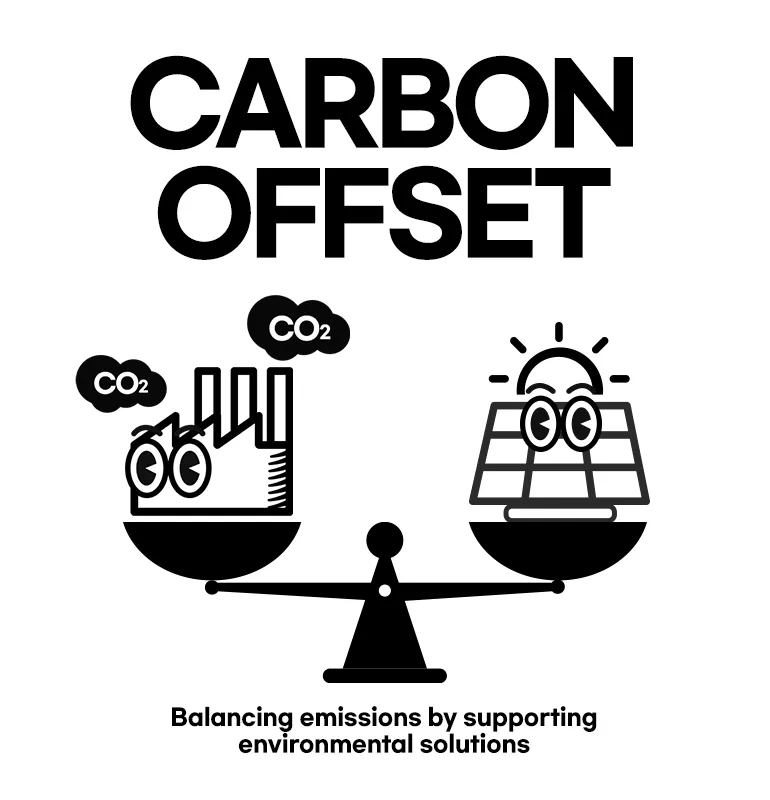
Carbon offSet refers to activities that reduce or eliminate carbon inevitably generated by a specific activity through actions taken in a different sector or location — compensating for the level of carbon emitted and achieving balance. Carbon offsetting can be implemented either through direct investment in reduction projects such as afforestation, renewable energy investment, and methane reduction initiatives, or through the purchase of emission credits issued by such projects.The concept of a carbon market was officially introduced for the first time through the Kyoto Protocol in 1997, laying the groundwork for market-based tools to reduce carbon emissions — including carbon offset mechanisms. Subsequently, when the Paris Climate Agreement in 2015 declared the global goal of Net Zero, even companies without, even companies without mandatory reduction obligations began actively utilizing carbon offsets as a practical tool for meeting their greenhouse gas reduction targets.[Carbon Offset ⓒESG.ONL]In a long-term outlook report releaSed on June 26, 2025, energy research firm Wood Mackenzie stated that, alongside CCUS (Carbon Capture, Utilization and Storage), the carbon offset market is emerging as a key instrument in global Net Zero strategies. As a flexible strategies. As a flexible mechanism capable of meeting reduction targets in the short term, the carbon offset market is projected to grow more than five times its current size by 2050, surpassing USD 150 billion (approximately KRW 213 trillion).Carbon offsets are attracting particular attention in the Voluntary Carbon Market (VCM) — a privately led carbon reduction mechanism in which emission credits can be purchased and traded on a voluntary basis. This is significant in that it encourages additional greenhouse gas reductions across diverse regions beyond international regulations, playing an important role in effectively responding to rapid climate change and realizing Net Zero targets.Of course, there have also been cases in which certain carbon offset certification projects have exaggerated their reduction results or been misused as a tool for Greenwashing, raising concerns about credibility and effectiveness. Nonetheless, carbon offsets remain one of the key instruments for reducing companies' Scope 3 emissions and achieving carbon neutrality. Companies must go beyond simply purchasing emission credits and simultaneously pursue fundamental efforts to reduce carbon emissions across all their operations — actively utilizing carbon offsets as a practical alternative for compensating for emissions that cannot be eliminated due to technological limitations. by Editor O
07/30/2025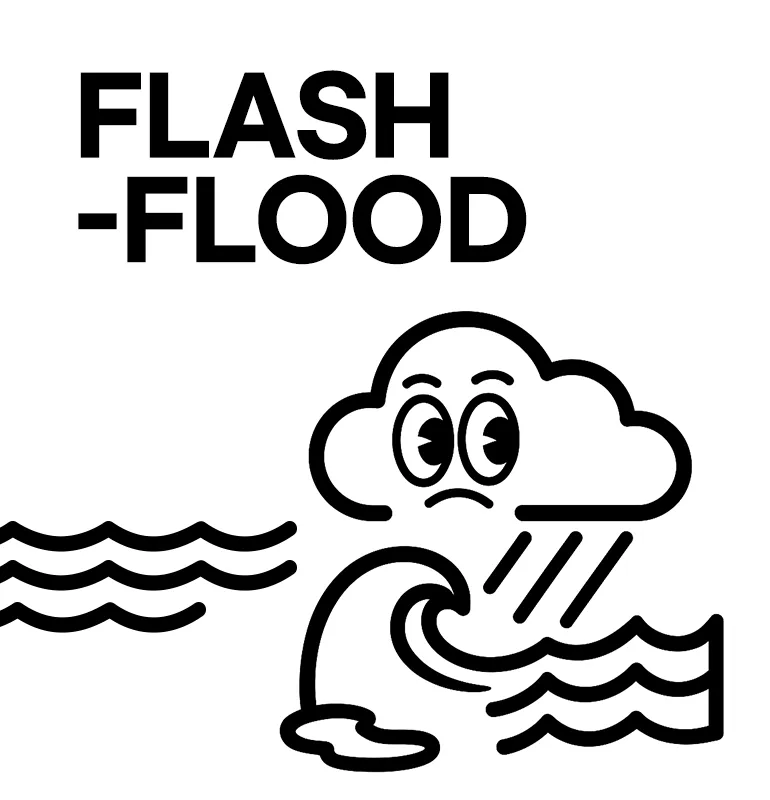
Floods are classified into four types according to the intensity and duration of heavy rainfall and the characteristics of the affected area: river floods, urban floods, coastal floods, and flash floods. A flash flood refers to flooding that occurs when heavy rain falls on a narrow area over a short period of time, typically triggered by rainfall exceeding 50 to 100 mm per hour or more. The increasing frequency of flash floods in recent years has raised concern that they represent a new rainfall pattern driven by climate change.Because flash floods can occur within six hours of heavy rainfall — and sometimes within as little as one hour — they are nearly impossible to predict and allow only limited response time, unlike conventional floods or typhoons. In response, the UN World Meteorological Organization (WMO) operates a Flash Flood Guidance system in more than 60 countries, combining real-time meteorological data with hydrological modeling to forecast risk. However, significant limitations remain in terms of prediction accuracy and securing sufficient response time.[Flash Flood ⓒESG.ONL]Flash floods occur primarily in urban areas with poor drainage, landslide-prone zones, and areas near rivers — where water levels can rise in an instant before warnings are even heard, leading to a high likelihood of casualties from incidents such as flooding of subway stations and semi-basement residences, and the entrapment of vehicles. According to data released by the WMO on July 9, 2025, flash floods cause more than 5,000 deaths and USD 50 billion in economic losses annually — recording overwhelmingly greater damage than other forms of flooding.Since advance response to flash floods is nearly impossible, companies must also carefully assess the exposure risks of their business sites and supply chain partners, and establish emergency plans that can be executed rapidly. Transparently disclosing in ESG reports the status of response measures to extreme weather events — including flash floods — is becoming a new standard, and what is needed is an effort to build a system capable of rapid response rather than perfect prediction. by Editor O
07/25/2025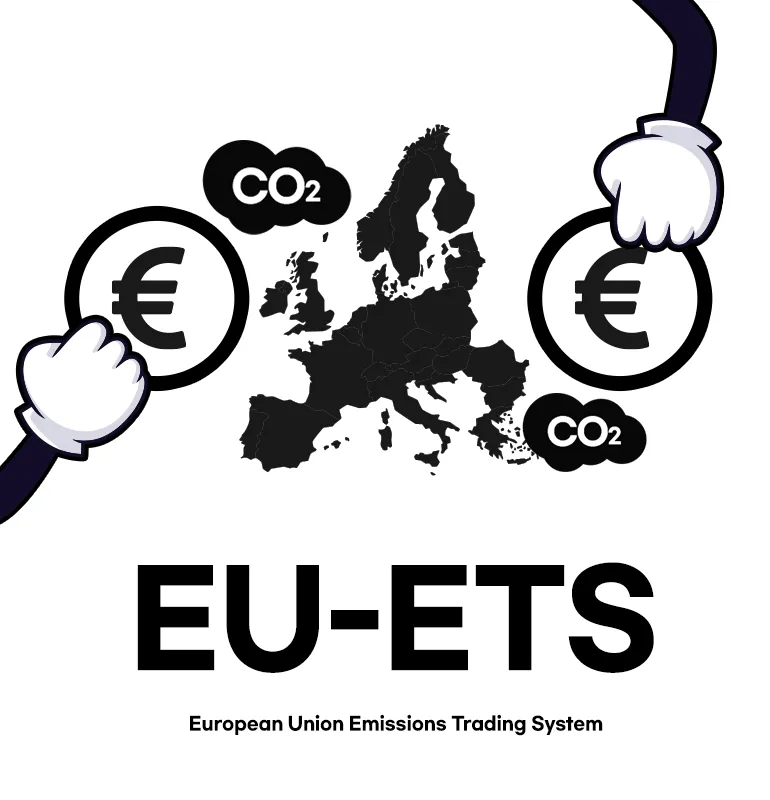
The EU Emissions Trading System (EU-ETS) is the world's first and largest carbon emissions trading scheme, launched by the European Union in 2005 to reduce greenhouse gas emissions. The ETS is a market-based policy instrument for reducing greenhouse gas emissions: governments set a total national emissions cap, then allocate permitted emission allowances (caps) to designated entities covered by the scheme. These entities receive emission allowances only within their designated limits.History of the EU-ETSWhen entities have surplus or insufficient allowances, they can trade them on the emissions trading market. Unlike a carbon tax — where the government sets the price — the ETS follows a market principle in which price is determined by supply and demand. Divided into Phase 1 (2005–2007), Phase 2 (2008–2012), Phase 3 (2013–2020), and Phase 4 (2020–2030), the EU-ETS has evolved through various trials and adjustments, and has contributed to a steady decline in greenhouse gas emissions since 2005.// Phase 1 (2005–2007): Launched across 25 EU member states, the EU-ETS operated as a pilot scheme focused on energy-intensive industries. Free allocation was the baseline, with paid allocation capped at 5% — though actual paid allocation amounted to just 0.12%.// Phase 2 (2008–2012): The EU-ETS began aligning its targets with the Kyoto Protocol, and trading was extended to international markets. The target was to reduce 2012 emissions by 8% from 1990 levels, with paid allocation capped at 10% — though actual paid allocation reached only 3.07%. Reduced demand for allowances due to the European financial crisis and economic slowdown was identified as the main driver of falling carbon prices.// Phase 3 (2013–2020): Targeting a 21% reduction in greenhouse gas emissions from 2005 levels by 2020, Phase 3 set paid allocation at 100% for the power sector, 20% for industry, and 15% for aviation. National allocation plans from Phases 1 and 2 were abolished and replaced by a single EU-wide allocation system, signaling a shift toward more ambitious reduction measures.// Phase 4 (2020–2030): Targeting a reduction in EU greenhouse gas emissions of at least 40% from 1990 levels. Regarded as a key instrument of the European Green Deal, the EU-ETS is a central component of Europe's sustainable growth strategy toward carbon neutrality.In 2023, the EU proposed the introduction of the Carbon Border Adjustment Mechanism (CBAM) for certain high-carbon-risk product categories that had previously been protected through free allowance allocation. As a mechanism introduced to extend the EU-ETS and carbon neutrality goals globally, CBAM is a closely related keyword in the emissions trading system.According to a European Commission announcement in April 2025, CO₂ emissions from industries covered by the EU-ETS fell by 5% in 2024 compared to the previous year. Emissions have dropped to half of their 2005 levels, putting the system on track toward the 62% reduction target for 2030 — with the power sector identified as the leading contributor to reductions. Recent EU proposals related to the ETS have also included measures to incorporate permanent carbon dioxide removal and to allow flexible adjustment of reduction targets across sectors where decarbonization is particularly difficult.[EU-ETS — EU Emissions Trading System ⓒESG.ONL] by Editor O
07/23/2025
A Smart Grid is a next-generation power infrastructure that integrates advanced information and communication technology (ICT) into the traditional electricity grid, enabling real-time monitoring and intelligent management of the entire electricity supply chain — from generation and transmission to distribution and consumption. The system allows suppliers and consumers to exchange information in real time, enabling efficient adjustment of electricity usage, minimizing energy waste, and making the sustainable use of energy resources possible.Smart grids play a particularly important role from the perspective of environmental sustainability. They are widely regarded as essential infrastructure for companies and countries seeking to achieve their ESG management goals. By integrating with renewable energy sources, smart grids increase the utilization of eco-friendly energy such as solar and wind power. Combined with energy storage systems (ESS), they secure grid stability, reduce carbon emissions, and contribute to climate change response.Smart grid infrastructure can also enhance the reliability and stability of electricity supply — reducing the risk of power outages and failures, providing consumers with real-time electricity usage data to promote energy saving and rational consumption. It can also support the spread of eco-friendly transportation by connecting to electric vehicle charging infrastructure, and enable communities to achieve energy independence and drive innovation.Through data-driven, transparent power management and efficient resource allocation, smart grids will support responsible decision-making in both the public and private sectors and serve as the centerpiece of the future energy system.[Related Article] The World's Most Sustainable Company: Schneider Electric][Related Article] [International Trends] Europe's Blackout: Is the Climate Crisis and Renewable Energy Grid to Blame?] [Reference Article] The World's Most Sustainable Company, Schneider Electric[Reference Article] The Great European Blackout — Are the Climate Crisis and a Renewable-Energy Grid the Cause?
06/25/2025
CCUS (Carbon Capture, Utilization and Storage) is attracting growing attention as a key technology for responding to the climate crisis and achieving carbon neutrality. CCUS refers to the technologies and systems used to capture carbon dioxide that has been released into the atmosphere through human activity, and to either utilize it in various ways or store it safely. CCUS offers a pathway for industries that cannot readily switch their energy sources to renewables such as solar or wind to reduce their greenhouse gas emissions. It is becoming an essential technology in high-emission sectors including thermal power generation, steel, cement, and petrochemicals. CCUS is also used to capture and store the carbon dioxide generated during the production of blue hydrogen as part of the hydrogen economy transition. For these reasons, the global CCUS market is growing rapidly and is projected to reach approximately USD 25.3 billion by 2026, with large-scale projects underway in South Korea, the United States, Europe, and China.CCUS contributes to achieving Net Zero by reducing greenhouse gas emissions to the greatest extent possible and offsetting and removing remaining emissions. The International Energy Agency (IEA) has stated that "achieving climate targets without CCUS is impossible." However, CCUS also faces technological, economic, environmental, and social challenges. High costs across the capture, storage, and utilization process; the selection of storage sites and construction of infrastructure; and ensuring safety remain unresolved issues. Concerns also exist about the risk of leakage during storage causing environmental pollution or triggering earthquakes. There are further critiques that CCUS can be used to extend the lifespan of existing fossil fuel industries, and that the actual carbon reduction effect during the utilization process may be limited.[CCUS — Carbon Capture, Utilization and Storage ⓒESG.ONL]South Korea is strengthening its support for CCUS research, development, and commercialization in pursuit of its 2030 Nationally Determined Contribution (NDC) targets. The Ministry of Science and ICT designated sites in Yeosu (South Jeolla), Seosan (South Chungcheong), Gangneung and Samcheok (Gangwon), Pohang (North Gyeongsang), and Boryeong (South Chungcheong) as locations for large-scale CCU mega-projects. Major companies including POSCO and LG Chem have recently been announced as participants. Following a preliminary feasibility review this year, full-scale demonstration projects are set to begin in 2026 — with the CCU mega-projects expected to serve as a bridgehead for building an efficient resource circulation system and driving a sustainable industrial transition. by Editor O
06/20/2025
Just Transition is a policy concept aimed at protecting all stakeholders who may be adversely affected in the process of overcoming the climate crisis and transitioning to a carbon-neutral society. The International Labour Organization (ILO) summarizes it as "greening the economy in a way that is as fair and inclusive as possible for everyone, creating decent work opportunities, and leaving no one behind." In the era of carbon neutrality and ESG management, industrial structures are shifting rapidly — leaving workers, local communities, and small business owners among the vulnerable groups at risk of losing their livelihoods and economic foundations. Governments and companies pursue policies to expand social equity and inclusivity through fair burden-sharing and the creation of quality jobs, working to minimize harm to those most affected.Just Transition goes beyond simply minimizing the harms caused by structural change — it aims to ensure that the benefits created by the transition are equitably distributed. To realize just transition, governments and companies must create and supply green jobs in eco-friendly and renewable energy sectors. Providing workers in incumbent industries with access to new skills training and retraining opportunities is also essential. For example, workers in high-carbon industries such as coal and fossil fuels — and the communities they belong to — face the risk of losing their economic foundations as part of the transition. Going beyond minimizing the harm from these structural changes to fairly distributing both the benefits and the burdens is precisely what just transition means.[Just Transition ⓒESG.ONL]A smooth transition requires, above all, an open dialogue and transparent processes involving all stakeholders — governments, businesses, workers, and local residents. Tailored support policies that reflect the specific characteristics of local communities and industries must also be developed, and procedural justice — ensuring that the voices of those most affected are adequately heard — must be carefully upheld. By enabling participation and cooperation among diverse stakeholders, just transition aims to minimize the conflicts and disadvantages that can arise during the transformation process. The concept of just transition is expected to grow increasingly important as humanity continues to pursue climate action and sustainable development. by Editor O
06/18/2025