Loading Data
Please wait a moment...
Update Cal.
2026.08
03
Mon
04
Tue
05
Wed
06
Thu
07
Fri
08
Sat
09
Sun
Update Calendar
2026.08
01
Sat
02
Sun
03
Mon
04
Tue
05
Wed
06
Thu
07
Fri
08
Sat
09
Sun
10
Mon
11
Tue
12
Wed
13
Thu
14
Fri

Loading Data
Please wait a moment...
ESG keywords to ponder during a short lunch break.
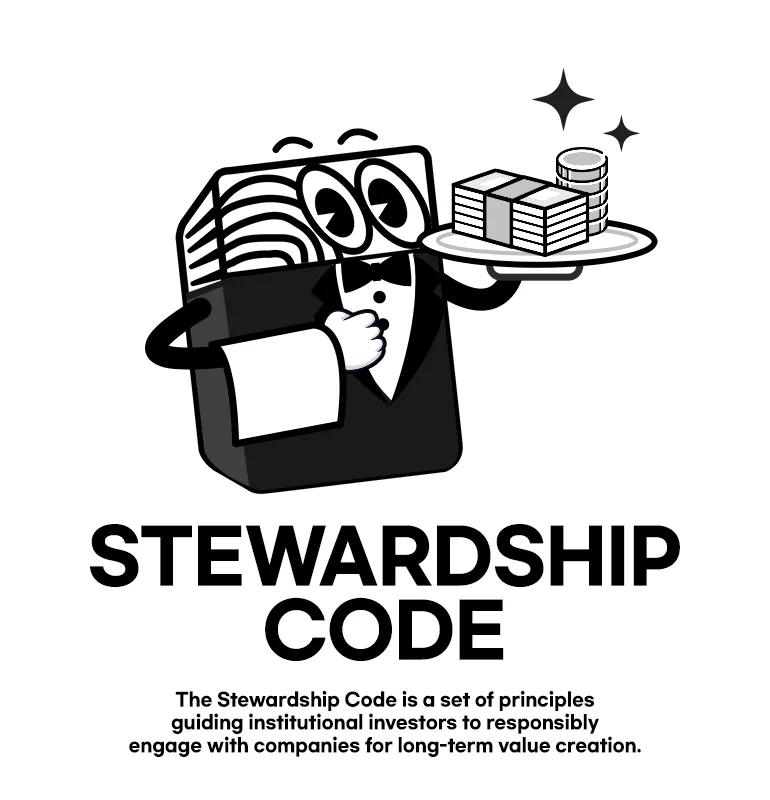
The Stewardship Code is a set of principles stating that institutional investors should assess the value of their investee companies and encourage those companies to take responsibility for their sustainable growth. Rather than simply holding shares in a company, institutional investors are expected to actively engage in corporate management and fulfill their responsibilities as shareholders. The Stewardship Code functions more as a code of conduct — guiding institutional investors to actively exercise their shareholder rights as a check on companies that may be at risk of undermining shareholder value. In practice, this means monitoring the management activities of investee companies, offering opinions when necessary, and publicly disclosing both the process and its outcomes — thereby strengthening trust between investors and companies and co-creating long-term corporate value.First introduced in South Korea in 2016, the Stewardship Code began attracting significant attention when the National Pension Service (NPS) adopted it in 2018. Just as a "steward" manages the household of their employer, institutional investors such as the NPS need the Stewardship Code to protect, grow, and properly manage the assets of their beneficiaries.[Stewardship Code ⓒESG.ONL]Above all, the core of the Stewardship Code is in the exercise of shareholder rights — a form of active engagement in corporate management. Institutional investors are now empowered to exercise their shareholder rights actively against companies that may cause harm to public assets. For instance, the NPS, acting as an institutional investor, has voted against the reappointment of the CEO of a major conglomerate where management failure was a concern, resulting in the executive stepping down. Based on such cases, business groups have raised concerns that the application of the Stewardship Code could infringe on management autonomy — making balanced operation to ensure the code's practical effectiveness an important ongoing challenge.The rising prominence of the Stewardship Code reflects growing demands for capital market advancement, improved corporate value, and stronger substantive accountability from institutional investors. The Financial Services Commission announced that, consistent with the code's founding principles in 2016, it will pursue measures to revamp the Stewardship Code going forward — including strengthening actual compliance among institutional investors who had previously joined in name only — to enhance the effectiveness of the system. by Editor O
06/16/2025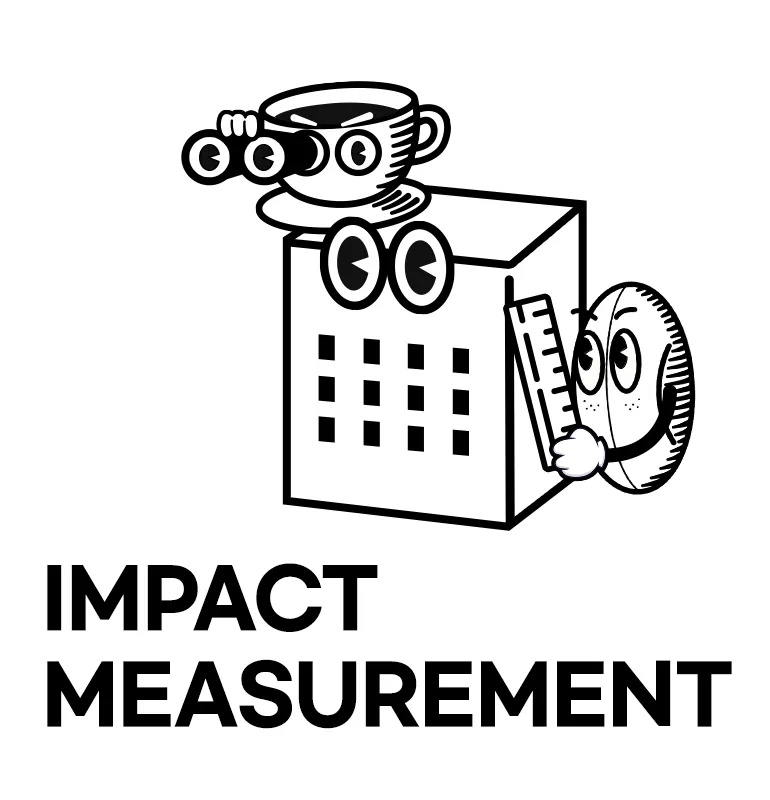
Collective Impact refers to an approach in which actors such as governments, corporations, and NGOs come together around a shared agenda to collaboratively address a specific social problem. Within the ESG framework, it is a concept that places particular emphasis on collaboration among diverse stakeholders, especially in the Social (S) dimension, with the aim of contributing to sustainable development and a more equitable society. It is regarded as a collaborative model capable of generating change at a scale beyond what any single organization could achieve independently — and as a creative approach to effectively addressing complex social challenges.For Collective Impact to work successfully, five conditions must be in place.[Collective Impact ⓒESG.ONL]First, there must be a Common Agenda — participants share a common understanding of the problem and a unified goal for solving it. Second, participants must engage in Mutually Reinforcing Activities, with each actor taking on roles suited to their respective strengths and working in coordination. Third, Continuous Communication — regular and transparent — is especially emphasized as the foundation for sustaining trust and collaboration. Fourth, a Shared Measurement System must be established so that progress and outcomes generated during the problem-solving process can be assessed using common indicators and methodologies. Fifth, a Backbone Organization — an independent entity that coordinates and supports the overall collaborative effort — must be in place to manage the entire system. by Editor O
06/10/2025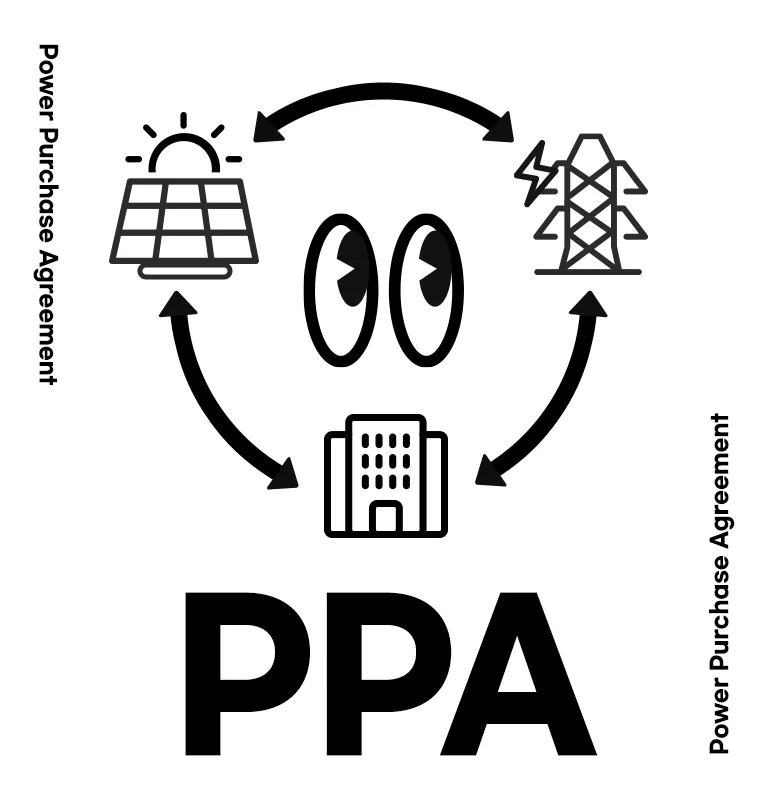
A PowEr Purchase Agreement (PPA) is a system through which companies and institutions enter into long-term contracts with renewable energy generators to receive a stable supply of eco-friendly electricity, enabling them to predict energy costs and simultaneously achieve RE100 and ESG management goals. Expanding the adoption of renewable energy through various formats — including on-site (location-based), off-site (location-independent), direct, and third-party arrangements — PPA is attracting attention as a key instrument for realizing carbon neutrality, supported by government backing.Through a PPA, both generators and consumers can obtain Renewable Energy Certificates (RECs), creating an incentive for the further spread of eco-friendly renewable energy. PPA electricity consumers generally include large corporations and public institutions. The greatest advantage of PPAs is predictability: purchasing companies can project their energy costs over the long term and lock in their renewable energy ratio, while generators can secure a buyer for their electricity in advance, enabling stable supply.A PPA specifies the quantity of electricity to be supplied, the unit price, contract duration, transmission method, insurance, and other details. Depending on the method of supply, PPAs are classified as either on-site contracts — where generation equipment such as solar panels is installed directly at the consumer's premises — or off-site contracts — where electricity produced at an external power plant is supplied via the transmission grid. Companies and institutions can choose their preferred transmission method and electricity volume according to their needs. Direct PPAs, where a generator and electricity user enter into a one-to-one agreement, offer greater pricing flexibility, while third-party PPAs involve an intermediary such as KEPCO between the generator and user, enhancing transaction stability and distributing risk.Contract types also include Physical PPAs — where actual electricity is supplied — and Virtual (Financial) PPAs — where only financial credits for the amount of electricity generated are traded, without physical power delivery. This allows for hedging against electricity price volatility. The government is encouraging PPAs among small and medium-sized enterprises through various forms of support including usage fee subsidies and fee waivers. As global companies' carbon neutrality commitments — such as RE100 — intensify, PPA is becoming a prerequisite for expanding renewable energy and driving change in the energy market.[Related Article] [Sustainability Report Review] Steps Toward a More Beautiful World: Amorepacific][Related Article] [21st Presidential Election] How the Candidates View Climate and Renewable Energy Policy] [Reference Article] The Secret of 'Dutch Bros,' Which Creates Better Jobs[Reference Article] [The 21st Presidential Election] The Presidential Candidates' Views on Climate and Renewable-Energy Policy *
06/04/2025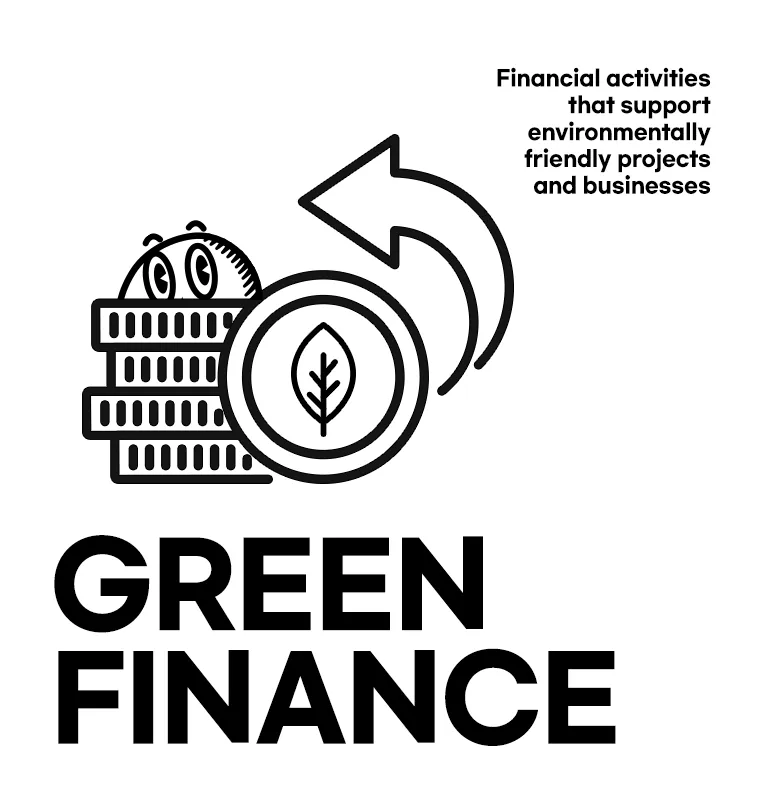
Green finance refers to financial activities that concentrate funding on eco-friendly initiatives and businesses — including environmental protection, climate change response, and the transition to a low-carbon economy. In other words, it is a form of finance designed to direct capital toward environmentally beneficial ends. Green finance also plays a screening and monitoring role — encouraging investment in businesses that reduce pollution and use resources efficiently, while working to prevent capital from flowing into environmentally harmful activities.The most representative forms of green finance that can "promote environmental improvement" through tangible financial support include green bonds, green loans, and customer-participatory eco-friendly financial products. When companies issue green bonds to attract investors for eco-friendly projects, they can raise the capital needed to pursue environmentally beneficial initiatives while investors receive interest in return. Offering low-interest loans for renewable energy projects — on the grounds that they benefit the environment — constitutes a green loan. Products such as KB Kookmin Bank's "KB Clean Sky Savings Account" — where the bank donates a portion of funds based on customer deposits to environmental protection activities — are examples of customer-participatory eco-friendly financial products.[Green Finance ⓒESG.ONL]Green finance goes beyond simply providing funding for eco-friendly projects — it also helps companies develop sustainable growth strategies and manage environmental risks. Through engagement with green finance, companies can earn the trust of markets and investors and respond effectively to future shifts in industrial structure. As a core pillar of modern finance — which must simultaneously pursue environmental protection and economic development — green finance is becoming a strategic instrument at the level of companies, citizens, and nations alike. by Editor O
05/27/2025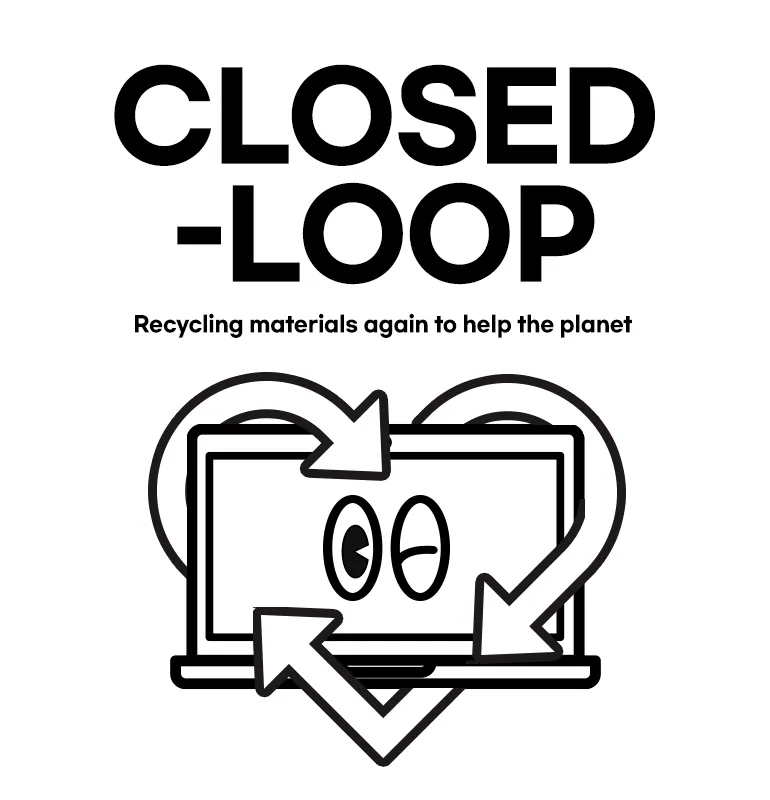
A circular economy is a sustainable economic model that aims to minimize waste by efficiently using, recycling, and regenerating resources. It stands in contrast to the conventional linear economy — characterized by a one-way flow from resource extraction through production, consumption, and disposal — by incorporating regeneration and recycling into the process. Beyond environmental protection, the circular economy offers economic and social benefits including resource conservation.Efforts toward a circular economy begin at the product design stage, where companies work to minimize waste generation and prevent pollution from the outset. Products and materials must be recycled to extend the lifespan of resources and reduce waste. Practical efforts to restore or maintain the regenerative capacity of the ecosystems that underpin all resources are also necessary.South Korea, a resource-scarce nation, is actively embracing the circular economy as part of its response to environmental challenges. The national strategy was set in motion in 2018, when the Ministry of Environment and relevant ministries announced the First Basic Plan for Resource Circulation to transition the country's economic and social structure toward a circular model. In 2022, the Act on the Promotion of a Circular Economy Society was enacted, establishing the framework for a stable transition. Companies are now applying circular economy principles by adopting environmentally friendly product design and production methods. The circular economy is becoming an indispensable paradigm across society for achieving sustainable development.[Circular Economy ⓒESG.ONL] by Editor O [Reference Article] Carbon Footprint
05/23/2025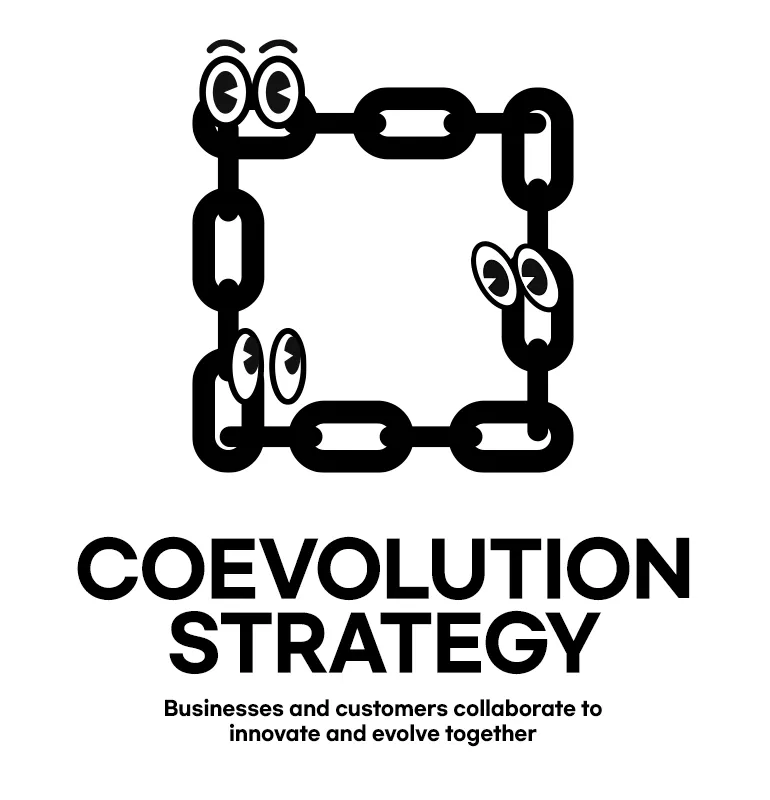
A Coevolution Strategy is an approach rooted in the compound concept of "coexistence" and "evolution," describing a mode of mutual development and collaboration in which companies and consumers interact and grow together. The term coevolution originates in ecological research — inspired by the natural phenomenon of multiple species evolving in tandem — and has since been applied to business management. It came into widespread use after the 2020s, as the rapid expansion and reach of digital platforms made communication more dynamic and fluid than ever before.Today, corporate activity extends well beyond simply selling products. Companies listen to consumers, actively incorporate their feedback, and consumers in turn participate directly in a company's growth — sometimes even forming passionate fan communities around brands. A coevolution strategy is essential for responding flexibly to rapidly changing market environments and shifting consumer trends.[Coevolution Strategy ⓒESG.ONL]As "value-driven consumption" and "ESG management" have gained prominence, the coevolution approach — through which companies and consumers co-create social and economic value together — has grown increasingly important. Where management strategy once centered on purely economic metrics, collaboration and mutual benefit have become indispensable pillars of sustainable development in contemporary business thinking. By generating social value through consumer participation and cross-industry cooperation, coevolution strategies not only build consumer trust and strengthen brand loyalty, but also drive market innovation — making them ever more central to corporate strategy going forward. by Editor O
05/20/2025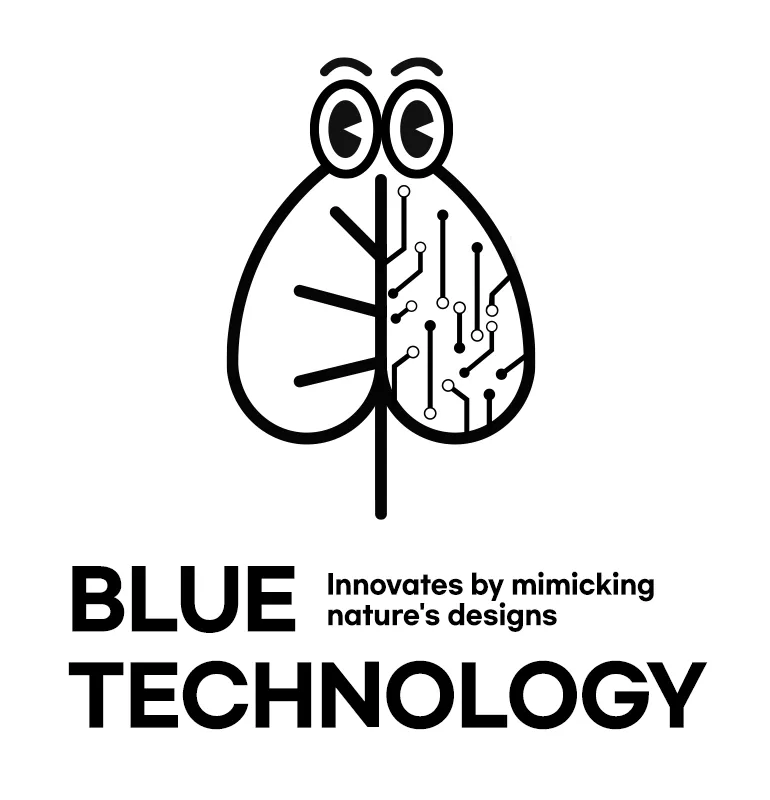
Blue Technology is a concept first introduced by Belgian entrepreneur and environmental activist Gunter Pauli, referring to technologies that mimic or draw on structures and principles found in living organisms and natural ecosystems. Applied across cutting-edge fields to advance human technological development, Blue Technology also contributes to solving environmental problems and building a sustainable society.As an innovation that takes its cues from nature, Blue Technology has evolved beyond conventional green technology (Green Technology) in its approach to climate change — progressing toward the elimination of carbon emissions at source rather than simply managing their effects. While green technology focused on developing solutions for treating and responding to pollution after it has already occurred, Blue Technology goes further by proposing technologies that fundamentally suppress the generation of all substances contributing to climate change. Examples include solar cells modeled on leaf structures, energy-saving architecture inspired by zebra stripe patterns, and artificial photosynthesis technologies — all of which contribute to renewable energy production and improved energy efficiency. Blue Technology can also advance low-carbon transition and resource recycling in manufacturing through the development of new materials and the realization of a circular economy.[Blue Technology ⓒESG.ONL]U.S. consulting firm FBEI (Fermanian Business & Economic Institute) projected that the global Blue Technology market will grow rapidly to USD 1.6 trillion (approximately KRW 1,900 trillion) by 2030. As a result, Blue Technology is expected to serve as a core engine of future growth and industrial competitiveness.Surrounded by sea on three sides, South Korea plans to cultivate Blue Technology as a regional strategic industry, expanding new growth sectors across marine, environmental, bio, and energy fields. by Editor O
05/16/2025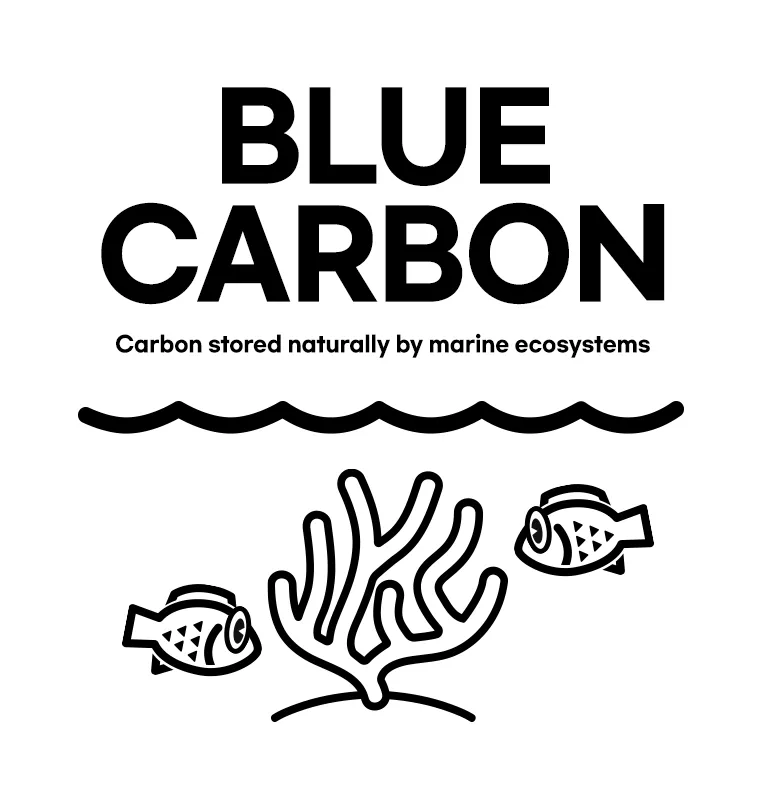
Blue Carbon is a term coined by analogy with Green Carbon — the carbon stored by terrestrial ecosystems — and refers to carbon that is captured and stored through marine ecosystems. This includes not only mangroves, trees that grow in coastal wetlands, but also tidal flats, marine wetlands, and underwater seagrass beds. Blue carbon is absorbed up to 50 times faster than green carbon and offers superior storage capacity.Blue carbon gained significant attention at COP26 (the 26th Conference of the Parties to the United Nations Framework Convention on Climate Change) in 2021 as a key tool for responding to the climate crisis. From that point on, the importance of blue carbon conservation efforts also came to the fore — including Indonesia's mangrove forest restoration campaigns, South Korea's tidal flat management and restoration programs, and the expansion of marine protected areas across Latin America.Mangrove Forests: Trees Rooted in Salt MarshesMangrove forests, with their distinctive vegetation growing in subtropical and tropical coastal wetlands, have been found to store up to five times more carbon than inland forests. However, ongoing ecological destruction driven by development pushed them to the brink of extinction. Today, many countries are dedicating considerable effort to managing mangrove forests for the dual purposes of sustaining rich marine ecosystems and addressing global warming.Tidal Flats: Absorbing Carbon DioxideTidal flats absorb more than 260,000 tonnes of carbon dioxide annually — equivalent to the greenhouse gas emissions of 110,000 vehicles. As the significance of tidal flats — vast repositories of rich Biodiversity — has been increasingly recognized, South Korea's tidal flats, among the five largest in the world, have also drawn considerable attention. While many of Korea's tidal flats were reclaimed or degraded by urban construction and port development, the government's Wetlands Conservation Act and tidal flat restoration projects are now actively protecting this vital blue carbon resource.Seaweed: Blue Carbon Beneath the WavesMarine seaweed also functions as blue carbon, absorbing approximately 6% of the total carbon captured by the world's forests. Companies with an interest in blue carbon are joining efforts to create ocean forests, and seagrasses — flowering plants known to bloom even in seawater — have emerged as particularly well-suited species for underwater forests. Seaweed absorbs carbon dioxide through photosynthesis and stores it in biological tissue and seafloor sediment. Once stored in this way, carbon does not re-enter the atmosphere, producing a near-permanent sequestration effect that makes a significant contribution to climate change mitigation.The reason blue carbon demonstrates such high carbon storage capacity is that low oxygen levels in marine ecosystems suppress bacterial activity. In other words, when oxygen is scarce and the bacteria that decompose organic matter are inhibited, carbon dioxide is not released into the atmosphere but is instead stored in tidal flats and submerged plant matter and soil. This mechanism is the key factor enabling blue carbon to efficiently absorb and store carbon within ecosystems.Blue carbon is also emerging as a critical resource for climate change response on economic grounds: the cost of planting blue carbon vegetation is approximately one-twentieth that of green carbon, with virtually no additional maintenance costs.[Related Article] [Domestic Trends] The Ocean That 'Eats Carbon': The Potential of Blue Carbon by Editor O
05/13/2025