
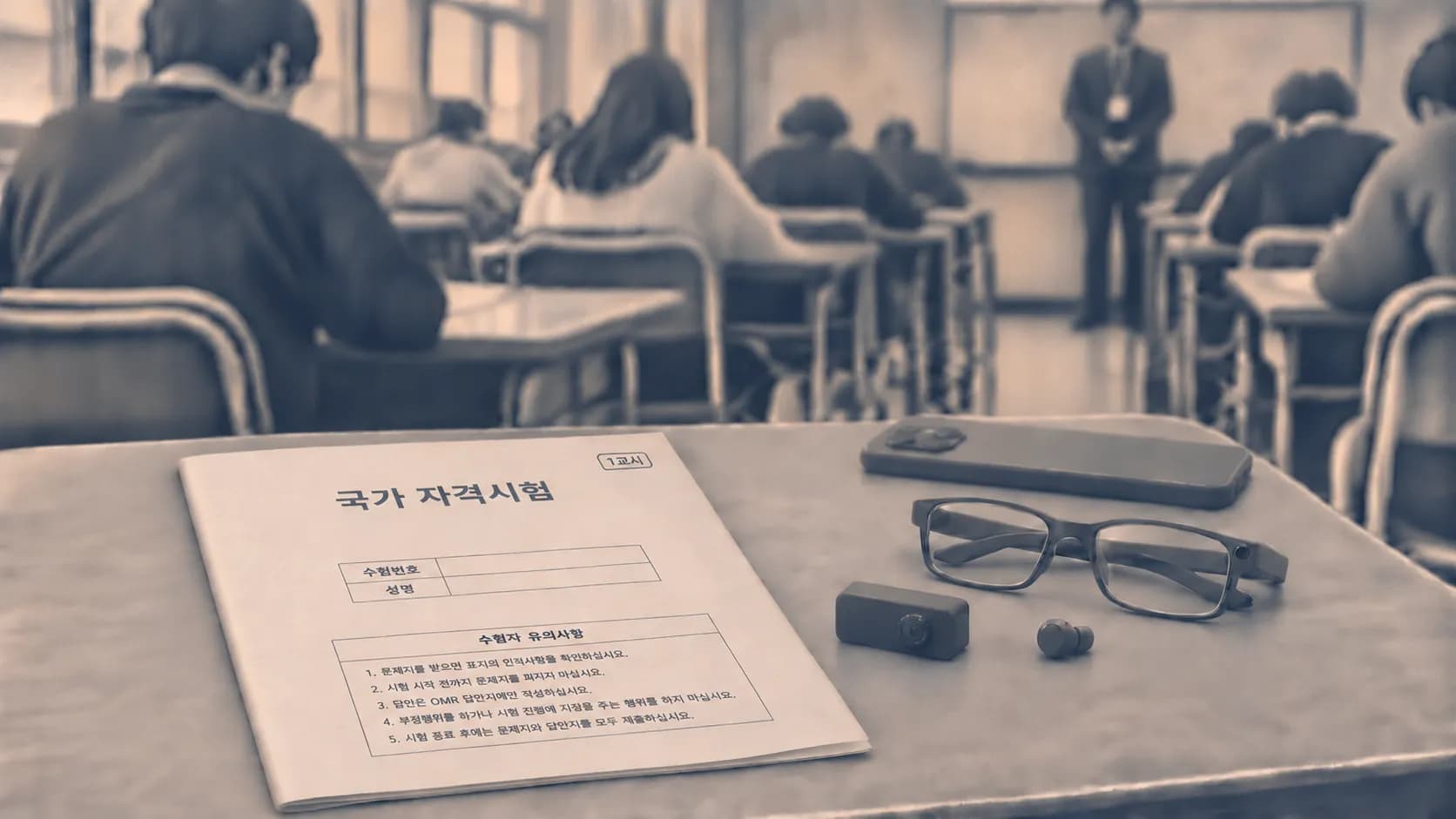
The top scorer on the 2026 tax accountant exam (hereafter “A”) confessed to cheating with the help of AI. The device used to photograph the exam questions was not AI smart glasses but a miniature camera hidden in clothing. The method went undetected even though A took the exam directly in front of an invigilator.
The suspicion surfaced just over a week before the 2027 College Scholastic Ability Test (hereafter “CSAT”). The Ministry of Education announced on November 19 that the CSAT would proceed as scheduled. The ministry plans to deploy personnel to identify smart glasses and inspect all glasses, but it is still working on measures to address inconspicuous devices such as miniature cameras hidden in clothing. Exam management, which has focused on detecting specific devices, now needs to keep pace with technological changes in real time.
Cheating Using a Miniature Camera and AI
In April, A scored 397.5 out of 400 on the first stage of the 63rd tax accountant qualification exam. The result drew particular attention because A scored a perfect 100 in Introduction to Tax Law. This was an extraordinary score compared with the average of 30.18 among the 16,856 candidates who took the same subject. After A published an account of the exam experience on November 11, an online examinee community raised suspicions that A had cheated using AI smart glasses.
A initially denied the allegations, but on November 15 admitted to cheating with electronic devices and AI during the exam and submitted a voluntary confession to the Seoul Metropolitan Police Agency. The method A disclosed was not the use of smart glasses that people online had suspected. A said a miniature camera installed in the clothing photographed the exam questions and transmitted them to AI in real time, after which A used a smartphone to check the answers. The specific devices and method of use are still under investigation. Two invigilators were assigned to the exam room, and the cheating went undetected even though A sat directly in front of the platform.
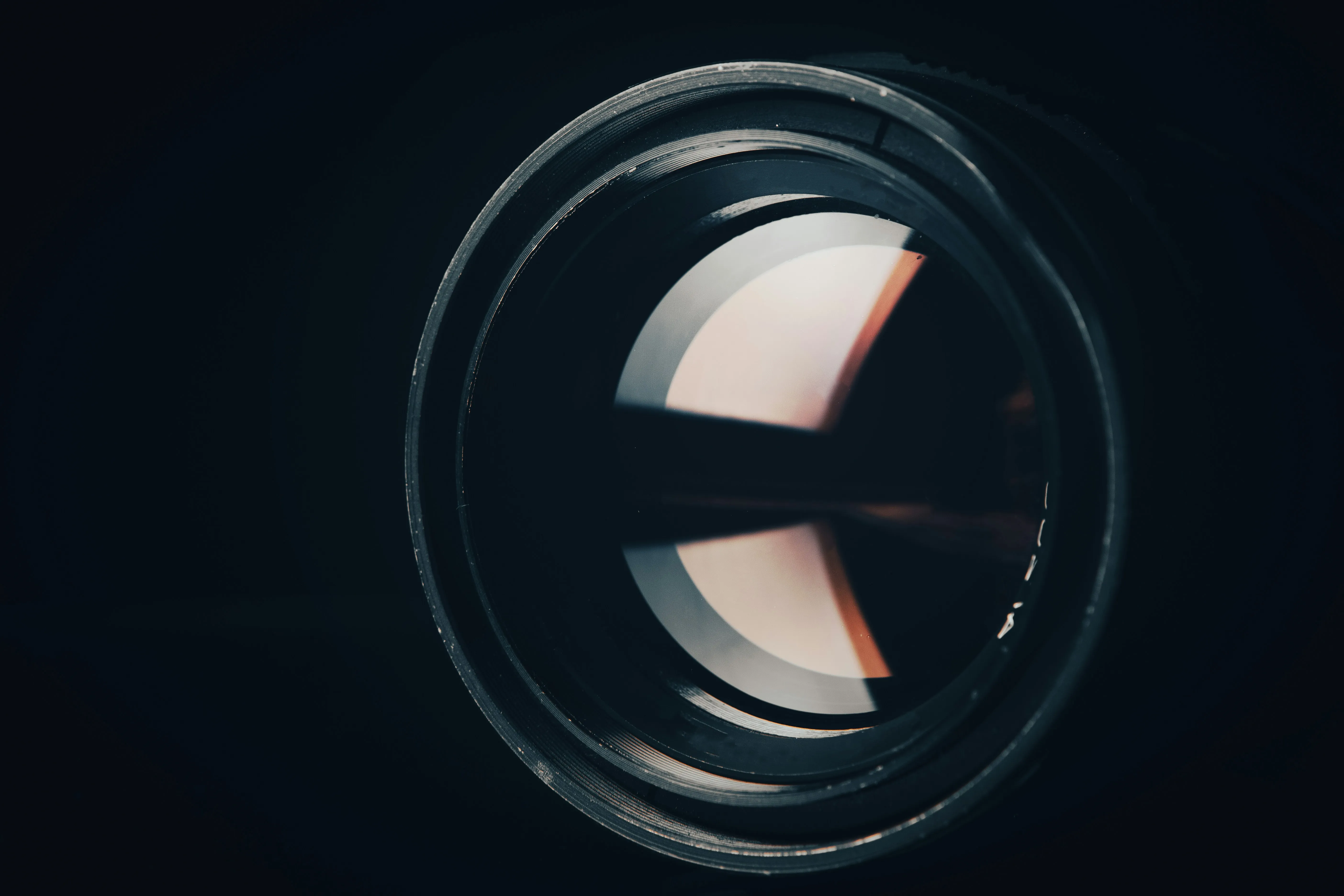
This year, 12 cases have been detected in national qualification exams administered by the Human Resources Development Service of Korea involving candidates wearing or carrying smart glasses. Some were caught after the glasses emitted light or sound, while others were detected because invigilators suspected their use. Technology-assisted cheating has been discussed discreetly since AI began to become widespread, but detection still relies heavily on the observations of invigilators on site.
Fairness Concerns Grow Ahead of the CSAT
The cheating exposed on the tax accountant exam has raised concerns among CSAT candidates about whether the exam can be conducted fairly. Starting with this year’s CSAT, the Ministry of Education has explicitly designated smart glasses as prohibited items. If candidates wear or use them during the exam, their scores for that exam will be invalidated and their eligibility to take the following year’s CSAT will be restricted. Dedicated personnel to identify smart glasses will be deployed at all 1,312 test centers, and invigilators will check whether candidates are wearing glasses during each session. The ministry also plans to pursue a legal amendment extending the current one-year restriction on eligibility for cheating from one year to three.

However, the device used on the tax accountant exam was a miniature camera, not smart glasses. On the 16th, the Ministry of Education also acknowledged that existing measures alone would make it difficult to detect such devices completely. The ministry says body searches and inspections of personal belongings would be difficult to introduce, considering the legal basis and examinees’ human rights. Instead, it is providing invigilators with additional guidance on identifying suspicious behavior and considering the possibility of blocking communications within test centers.
Fairness Left to Invigilators’ Judgment
The burden on invigilators at test centers is also substantial. In a survey of 2,716 teachers conducted by the Korean Teachers and Education Workers’ Union in October, approximately 82% said it was difficult to identify smart glasses under current supervision procedures. About 64% of teachers expressed concern that mistakenly suspecting ordinary glasses could lead to complaints or disputes. Suspecting cheating may inconvenience honest candidates, but no adequate measures have been established to address disputes over invigilators’ responsibilities. Measures intended to prevent cheating are placing a burden on both invigilators and ordinary candidates.
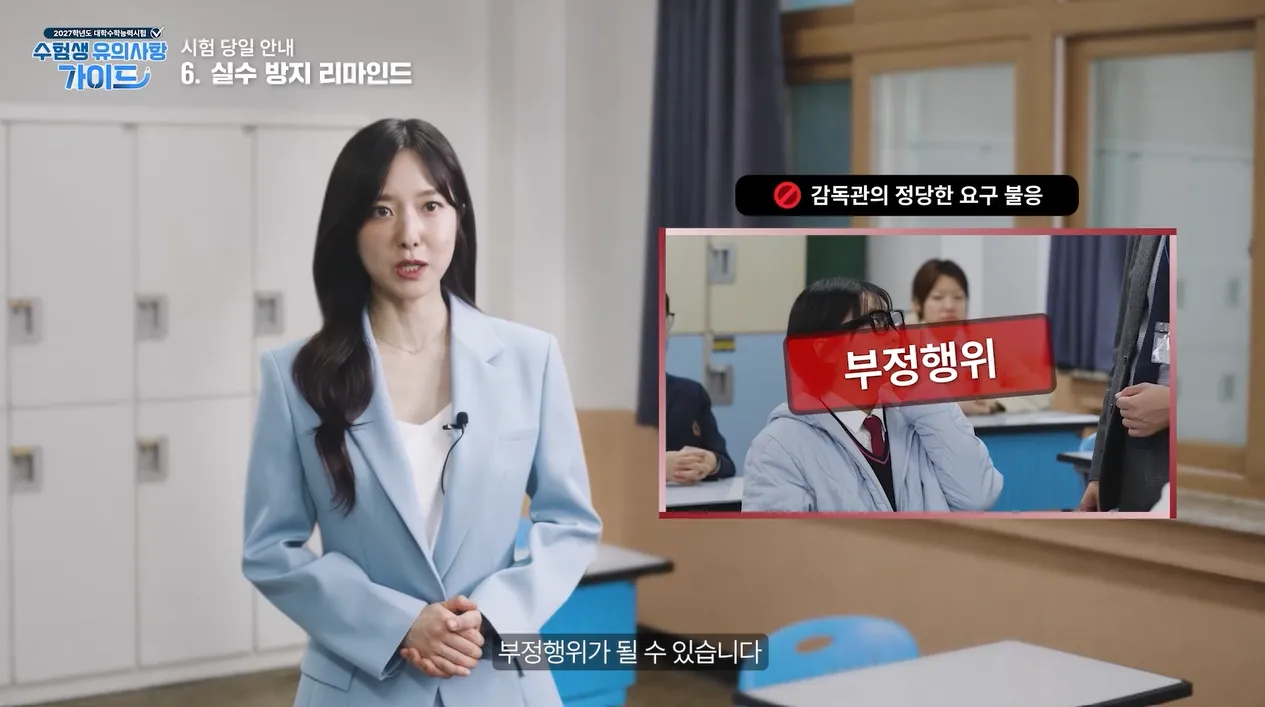
This cheating was uncovered not through supervision at the test center but through questions raised by fellow candidates and the person’s confession. On the 15th, the Ministry of Employment and Labor and the Human Resources Development Service of Korea held an emergency meeting and decided to pursue the cancellation of A’s pass and a five-year ban on taking the exam. They also plan to analyze the scores and answers from all national qualification exams administered this year and operate a reporting center to identify cheating missed on the day of the exam. In exams with fixed numbers of successful candidates, one cheater’s admission can deprive another candidate of an opportunity, making post-exam verification a means of correcting that harm. However, cheating cannot be concluded solely from an exceptionally high score or a gap between subject scores. Post-exam verification becomes convincing only when supported by procedures that confirm suspected cases with objective evidence.
The measures under discussion mainly designate prohibited devices and aim to detect them. But as the miniature camera in this case demonstrates, devices used for cheating are developing faster than prohibited-item lists. It remains unclear what devices detection technology can screen out, what criteria invigilators should use in making judgments, and where their responsibility ends. Ahead of the CSAT on the 19th, we are all facing a historic test of whether we can preserve the concept of “fairness in examinations.”
by Editor N