

The head of a company with one of the world’s highest market capitalizations stepped down overnight. Jensen Huang, who founded and led NVIDIA, the world’s largest AI semiconductor company, for 33 years, announced on November 12, U.S. local time, that he would simultaneously resign as CEO and director. Huang, familiar to Koreans after last year’s so-called “kkangbu” meeting with Samsung Electronics Chairman Lee Jae-yong and Hyundai Motor Group Executive Chair Chung Euisun, made the announcement four days after admitting to employees that he had an extramarital relationship. Foreign media reported that U.S. intelligence agencies suspect the woman involved of having links to Chinese intelligence agencies, while new allegations also emerged concerning a relationship with a direct-reporting vice president. NVIDIA’s board had already launched an independent investigation, saying there was no basis yet to believe national security or company secrets had been compromised; espionage has not been confirmed. It took little time for an incident that began with one person’s personal misconduct to grow into a broader corporate governance issue.
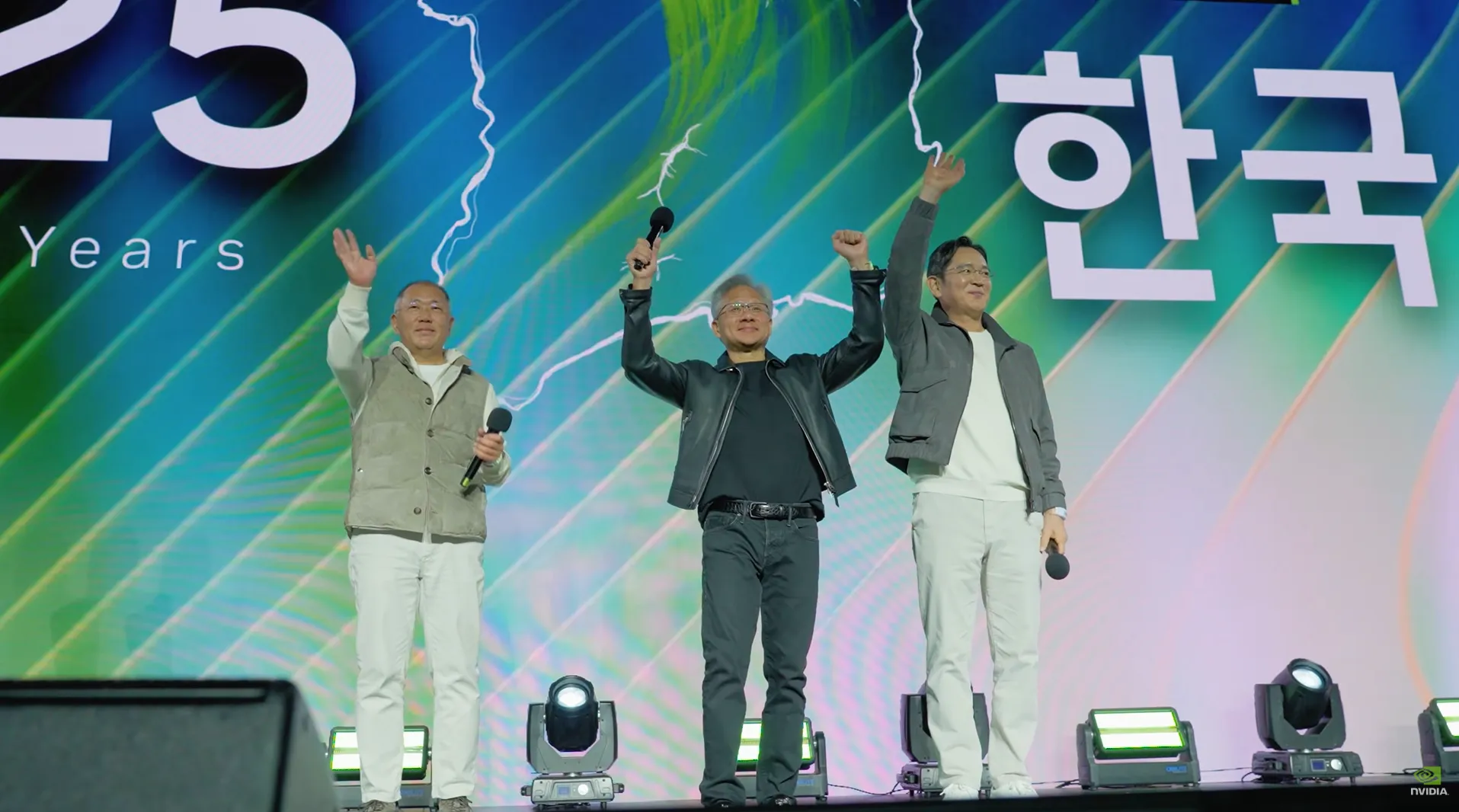
Market Reacts Swiftly to NVIDIA’s Founder Exit Without a Public Succession Plan
NVIDIA faced its founder’s departure without a publicly disclosed CEO succession plan or a designated successor. The board announced an interim arrangement under which Chief Financial Officer Colette Kress would also serve as CEO, and began searching for a permanent replacement. Markets reacted immediately to the issue attracting global attention. On November 12, when Huang’s resignation was announced, NVIDIA shares fell more than 13.0% intraday on the Nasdaq before closing down 4.3%, while U.S. brokerage Oppenheimer withdrew its price target, citing the lack of a clear successor. The sudden departure and uncertainty surrounding succession made it difficult even to assess the company’s value.
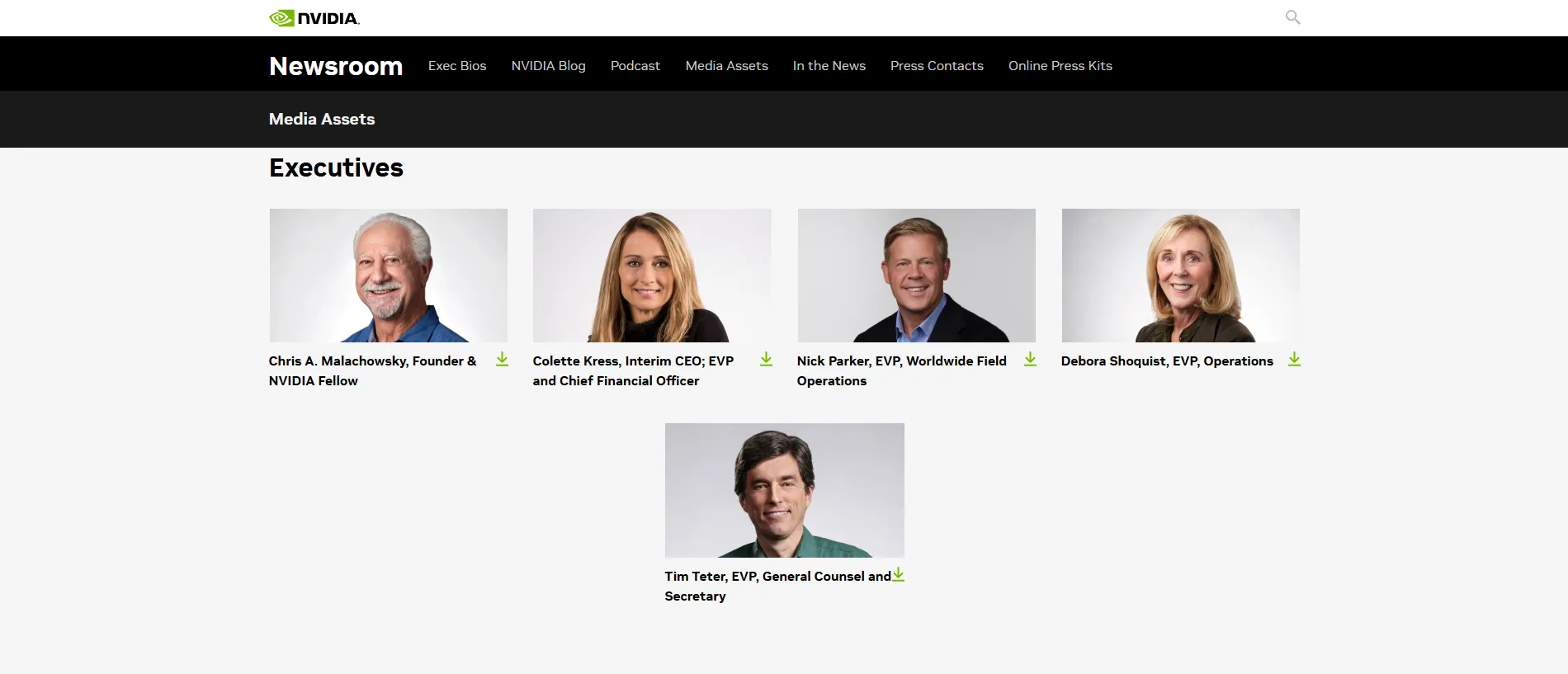
NVIDIA Board Had a Majority of Outside Directors—Yet Checks Came Late
Preparing for succession and overseeing the CEO are fundamentally responsibilities of the board. On paper, NVIDIA’s board was independent. All directors other than former CEO Huang were outside directors, and the CEO could be dismissed with majority approval. NVIDIA maintained a structure without a chair, assigning oversight to the lead independent director, and had disclosed that this was in shareholders’ best interests. In addition, while launching an internal investigation on November 8, early in the crisis after Huang admitted to the extramarital relationship, the board first expressed its confidence in him.
The appointment of an independent chair alongside the announcement of Huang’s resignation can be seen as the board belatedly overhauling its oversight system. Jeffrey Sonnenfeld, a professor at Yale School of Management, said the problem in this case was not the board structure but a culture that prevented directors from going against the CEO’s wishes.
Executives’ Private Lives Spanning Corporate Disclosure and National Security
Personal issues involving corporate executives do not necessarily end as private matters. Investors filed a securities class-action lawsuit, claiming that the company and former CEO Huang had failed to disclose relevant risks, inflating the share price; a shareholder derivative suit naming the board as defendants was also filed. Even after resigning, Huang is scheduled to give closed-door testimony before the U.S. House Foreign Affairs Committee. Allegations concerning a relationship with a direct subordinate have led to conflict-of-interest concerns, while allegations surrounding the woman involved have extended to export controls and national security.
South Korea is also within the impact zone of this incident. Shares of SK hynix and Samsung Electronics, which supply high-bandwidth memory (HBM) to NVIDIA, rose early on the 13th before closing down 3.03% and 0.96%, respectively. Analysts view the possibility that the new management could change supply allocations or joint-development schedules as a larger variable than short-term share-price movements.
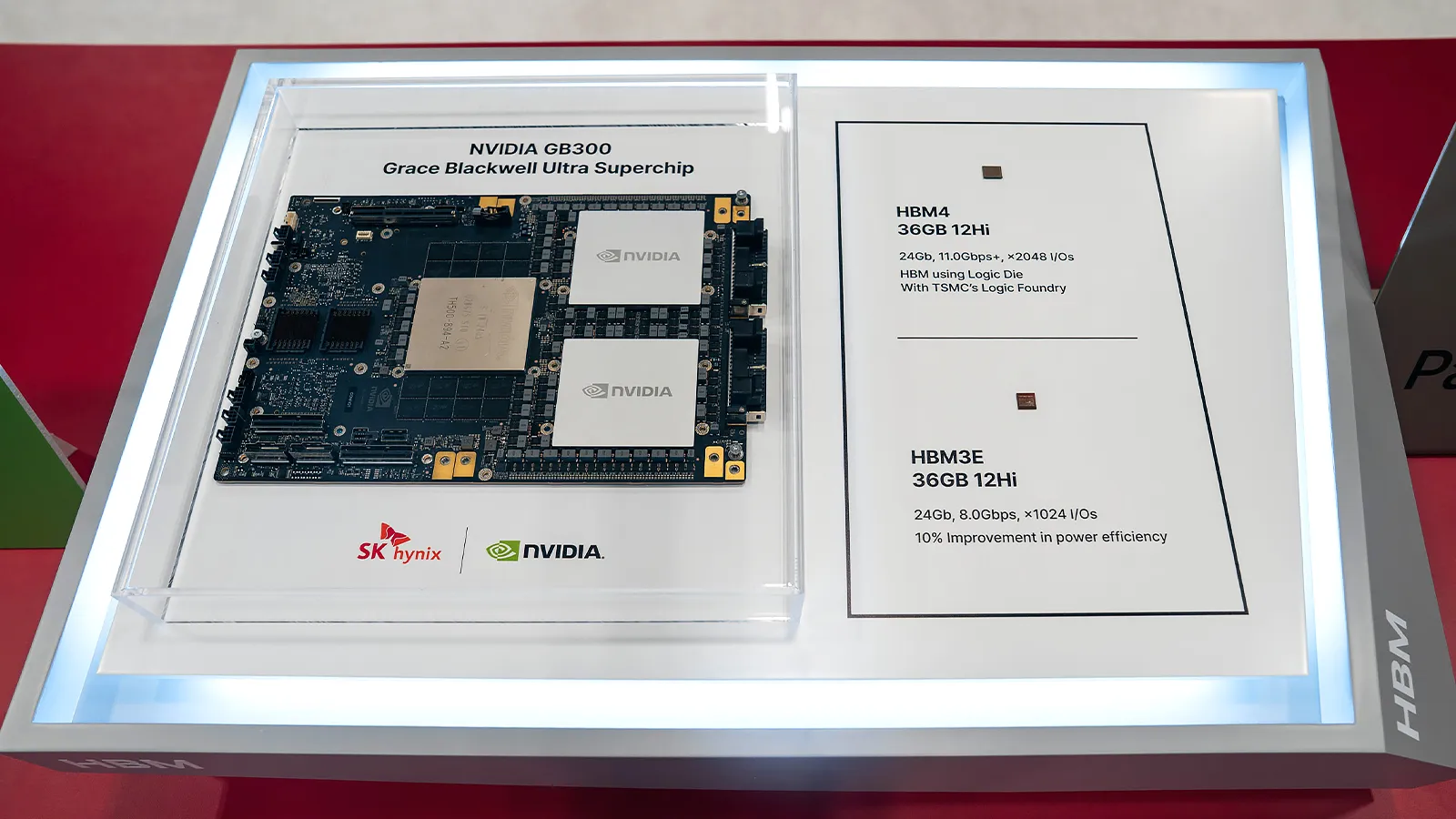
The NVIDIA incident shows that it is difficult to determine whether governance is functioning properly based solely on the proportion of outside directors or the wording of disclosures. South Korea also includes CEO succession policies among the core indicators in its corporate governance reports. Going forward, the key question will be not whether a succession policy exists, but whether it can actually function when a crisis strikes—and whether the board can exercise substantive checks on the founder, the founder’s family, and the CEO.
by Editor N