
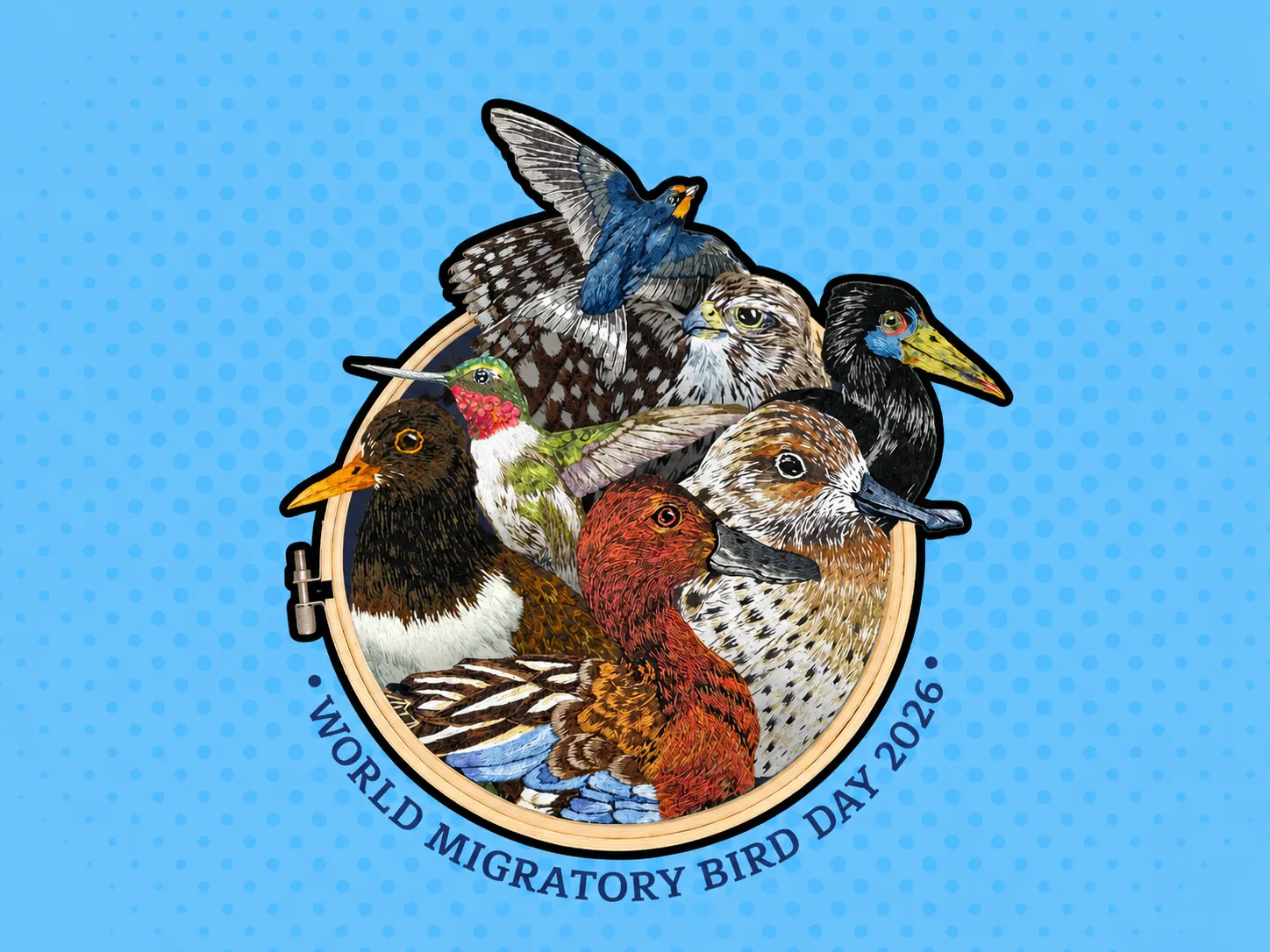
‘World Migratory Bird Day’ is a commemorative day observed on the second Saturday of May and October each year, established by an organization under the United Nations Environment Programme to protect migratory bird habitats and preserve their populations. Because migratory bird movements peak at different times in the Southern and Northern Hemispheres, Migratory Bird Day is celebrated twice a year. The significance of Migratory Bird Day lies in the fact that migratory birds are indicators of ecological connectivity, linking continents, seas, wetlands, and cities. This year’s World Migratory Bird Day has chosen ‘Every Bird Counts — Your Observations Matter!’ as its official theme, raising the questions of who will observe and record migratory birds and how that can be turned into a basis for their conservation.
‘Citizen Science’ Emphasized on World Migratory Bird Day
Since migratory birds cross borders and traverse continents, it is difficult to fully capture their changes through the surveys of a single researcher or institution alone. This is why World Migratory Bird Day emphasizes the importance of community science — the act of citizens observing and recording — in protecting migratory birds. A single birdwatching record left by someone observing birds at a stream today, or the birdsong recorded at a wetland, can, over the long term, serve as data for reading the migration routes of migratory birds.

[2026 World Migratory Bird Day Poster © World Migratory Bird Day (migratorybird.org)]
Moreover, 2026 marks the 60th anniversary of the International Waterbird Census (IWC), a long-term project surveying changes in global waterbird populations. Waterbird data accumulated over decades by scientists, nature volunteers, and local communities has become a crucial basis showing the state of wetlands and waterbirds. In this way, birdwatching events and migratory bird observation projects held around the world go beyond mere commemorative events, becoming part of an international monitoring system through data accumulation.
Birdwatching: A Hobby That Accumulates Public Data
Birdwatching, once considered an activity of a few bird enthusiasts, is spreading as a popular hobby with the combination of binoculars, bird identification apps, and online birding record tools. This change aligns with the background of why World Migratory Bird Day has put citizen science front and center this year. The more people observe birds, the more records accumulate, and the stronger the basis for migratory bird conservation becomes. In particular, the global participatory bird data platform ‘eBird’ accumulates citizen observation records and uses them for avian research and habitat management.

[Far Eastern Curlew stopping over at Korean tidal flats during autumn migration © eBird Official Instagram ]
Domestically, to foster this virtuous cycle, Suncheon Bay Wetland operates the ‘Suncheon Bay Birdwatching Program,’ where citizens observe birds together, and the Seoul Metropolitan Government has steadily operated birdwatching and walking programs for citizens at Namsan Mountain. Additionally, the Goyang Janghang Wetland offers observation decks for migratory bird watching and monthly educational programs. These initiatives by public institutions also demonstrate that more people are visiting wetlands and forests for the experience of observing and recording birds.
Birdwatching Data Leading to Cooperation and Decisions
World Migratory Bird Day operates under a structure of international cooperation. The Convention on the Conservation of Migratory Species of Wild Animals (CMS), the Agreement on the Conservation of African-Eurasian Migratory Waterbirds (AEWA), the East Asian-Australasian Flyway Partnership (EAAFP), and the non-profit organization Environment for the Americas (EFTA) jointly support World Migratory Bird Day as a global campaign. As noted, migratory birds do not live solely within the borders of a single nation but connect multiple continents and seas as they travel between breeding sites, stopover sites, and wintering grounds. Since 2020, EAAFP has conducted projects in Incheon and Hwaseong in Korea, including the International Black-faced Spoonbill Forum, the Songdo-Ganghwa waterbird survey, and the Hwaseong Wetland ecological survey, linking local observation and education to international cooperation.
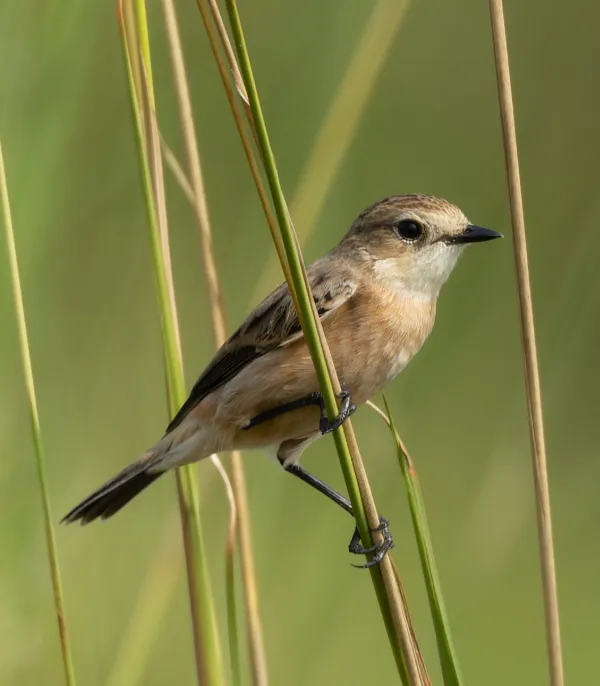
[The Black Redstart, known as a representative summer migrant © eBird Official Instagram ]
What matters is what comes next. The records left by citizens in the field and the data accumulated by cooperative bodies like the EAAFP must be followed by decisions on how they are used. Only when choices follow — such as when to reduce lighting to avoid harming bird migration, which wetlands to preserve, and where to adjust development — can the meaning of all these activities be preserved. It is at this point that the role of local governments and companies emerges. While citizen participation and cooperative bodies provide the starting point for conservation, reflecting that data in spatial management, site selection decisions, and local policy is the responsibility of government and business.
In this way, when migratory bird migration route data accumulated through the observations of countless citizens leads to actual decisions by companies and governments, the original goal of migratory bird conservation can finally be achieved. Migratory bird conservation is, in the end, about leaving places for migratory birds to return to. World Migratory Bird Day reminds us that this role and responsibility can begin with all of our records and be completed through social decisions.
by Editor N