
ESG is now a familiar term to many. And today, once again, we have logged onto ESG Today to reflect on the meaning of ESG. While ESG is widely known today, its origins and history have not been sufficiently shared. On the occasion of Teachers’ Day, let us trace the history of ESG, focusing on the pioneers and mentor-like figures of this field.
1950s–Early 1990s: From CSR to ESG, the Evolution into Sustainability
The beginnings of ESG can be seen in the development of the concepts of Corporate Social Responsibility (CSR) and sustainability. The concept of CSR first appeared in American economist Howard Rothmann Bowen’s 1953 book, ‘Social Responsibilities of the Businessman.’ In it, Howard Bowen argued that businesspeople must follow policies and make decisions that align with the goals and values of our society. Considering the prevailing view of the time, which regarded the sole purpose of business as maximizing profit, the argument for corporate social responsibility was novel.
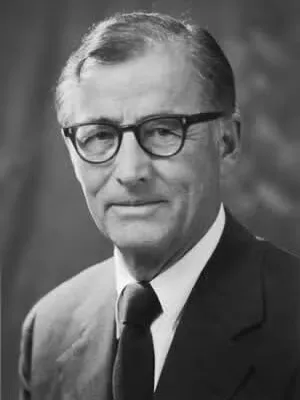
[Howard Bowen © University of Illinois]
Entering the 1960s, CSR research continued while various citizen movements arose. In 1962, American marine biologist Rachel Louise Carson published ‘Silent Spring,’ a book that demonstrated the comprehensive, negative impacts of indiscriminate pesticide use on ecosystems, and became a catalyst for the global spread of the mass environmental movement. From the mid-1960s to the early 1970s, the anti-Vietnam War movement opposing U.S. intervention in Vietnam also emerged.


[Rachel Carson and her book <Silent Spring> © U.S. Fish and Wildlife Service Official Website / Ecolibre Publishers]
Entering the 1980s, the full-fledged emergence of the ESG concept began. In 1987, the World Commission on Environment and Development (WCED) of the United Nations Environment Programme (UNEP) published the report ‘Our Common Future’ — better known as the Brundtland Report — which introduced the agenda of ‘sustainable development’ for the first time. The Brundtland Report defined this agenda as ‘development that meets the needs of the present without compromising the ability of future generations to meet their own needs.’ The sustainability agenda played a decisive role in establishing policy strategies enabling humanity to continue economic progress while protecting environmental values.
After 1990, meaningful discussions began to take shape in each of the Environmental (E), Social (S), and Governance (G) domains. In 1992, with the adoption of the Rio Declaration containing fundamental principles on environment and development, the world’s three major environmental conventions (UNFCCC, Convention on Biological Diversity, and UN Convention to Combat Desertification) were advanced, establishing global evaluation criteria for the E domain of ESG.
1990s: John Elkington’s ‘Triple Bottom Line’ — The Full-Fledged Emergence of the ESG Concept
The most significant event in ESG history during the 1990s can be said to be writer and entrepreneur John Elkington’s introduction of the Triple Bottom Line (TBL) concept in 1994 — an authority in the field of sustainable management. TBL is the concept that forms the foundation of corporate ESG evaluation, signifying that when assessing corporate performance, not only financial profit but also the impact on the environment and society must be considered. The evaluation elements consist of the 3Ps (Profit, Planet, People), representing economic gain, environmental impact, and social responsibility, respectively. Conventionally, corporate profit is calculated at the bottom line of the income statement, but given the extensive influence companies have on society, social and environmental impacts should also be integrated into the final net profit. Starting from the emergence of TBL, the call for companies to shift from profit-centered management to sustainable management grew louder.
In the 2020s, John Elkington even criticized TBL, arguing that it was being misused as a mere accounting tool contrary to its original intent. While TBL was conceived as a concept necessary for tracking what environmental and social value corporate activities create, it had come to justify even unethical corporate behavior. Subsequently, in his 2021 book ‘Green Swan,’ John Elkington emphasized that beyond the evaluation and transformation of individual companies, change is needed to overcome the pan-human crisis of climate change and environmental destruction.
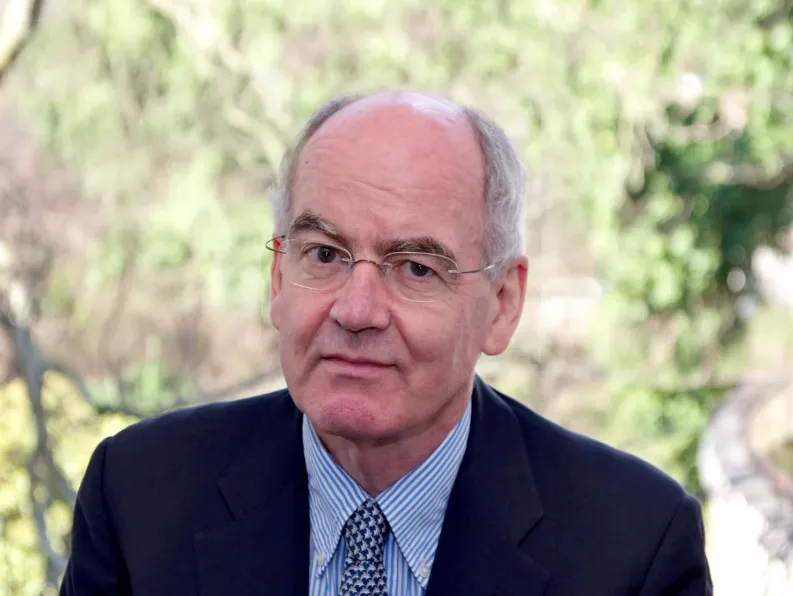
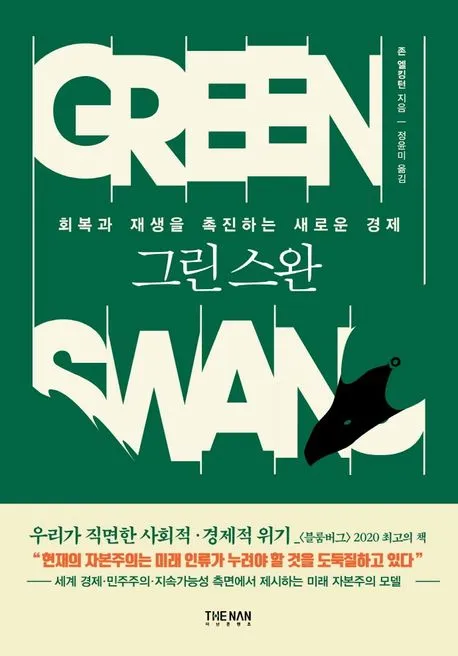
[John Elkington and his book <Green Swan> © Board Intelligence Official Website / Dunan Publishers]
2000s: ESG First Appears as an Official Term in Kofi Annan’s <Who Cares Wins> Report
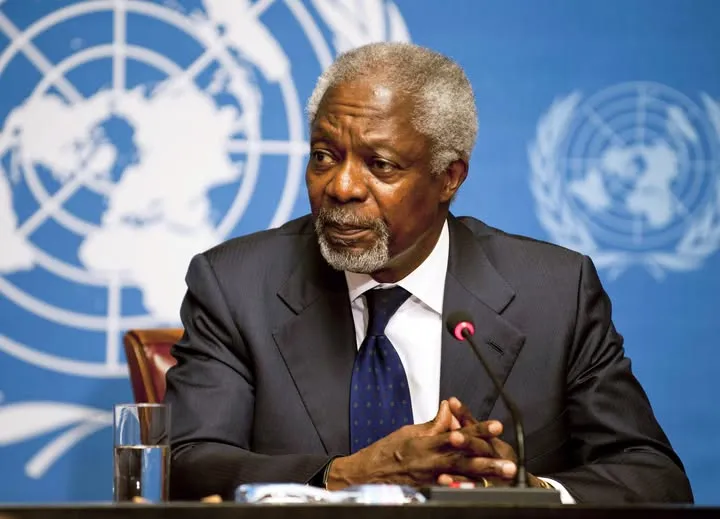
Finally, in the 2000s, the term ESG made its appearance. In 2004, ESG officially appeared for the first time in the report ‘Who Cares Wins,’ published by the United Nations Global Compact (UNGC). UN Secretary-General Kofi Annan, who led the establishment of the UNGC and the drafting of this report, sent letters to the heads of 55 financial institutions, persuading them to create guidelines for sustainable investment. The report, created together with 20 financial institutions, contains concrete recommendations from the financial industry for integrating ESG agendas into financial analysis, asset management, and securities trading. It also declares that companies must consider ESG if they wish to achieve sustainable growth.
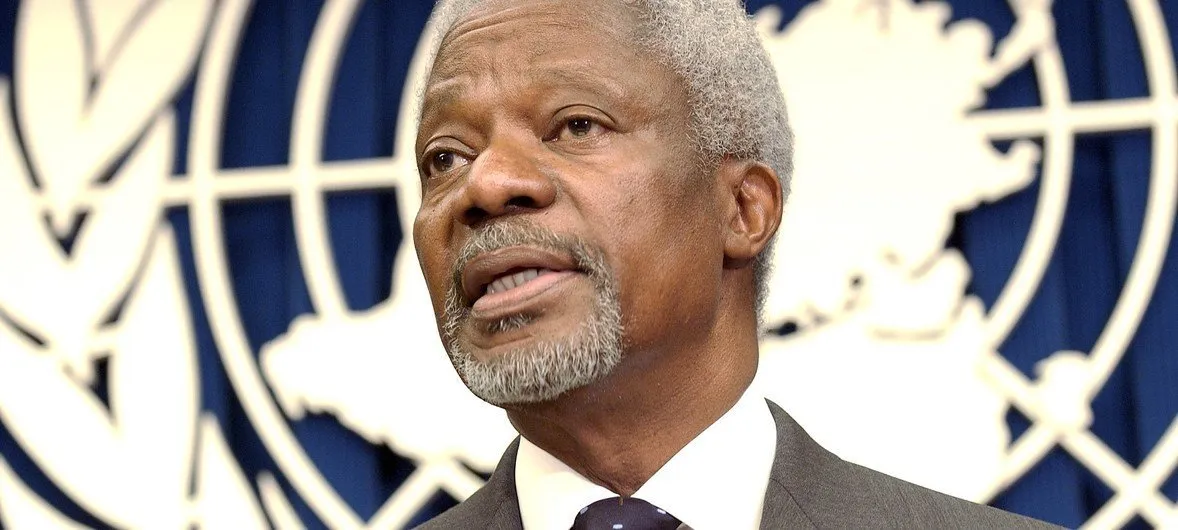
[Kofi Annan © UN]
Based on this report, the Principles for Responsible Investment (PRI) was launched in 2006. PRI is an international code of conduct established under UN auspices with the goal of having investors reflect Environmental (E), Social (S), and Governance (G) factors in their corporate investment decision-making processes. PRI served as an important catalyst driving the global spread of ESG, and as of 2024, more than 5,000 financial institutions have signed on to PRI. South Korean institutions and companies, including the National Pension Service, are also PRI signatories.
2020s: Larry Fink’s Annual Letter Makes ESG an Essential Corporate Management Strategy
Larry Fink, CEO of BlackRock, the world’s largest asset manager, made ESG an essential management strategy for global corporations through his 2020 annual letter to the executives of the companies he had invested in. In that annual letter, Larry Fink declared he “would not invest in companies that fail to properly respond to climate change,” and stated that “investments may be withdrawn from companies that do not disclose their environmental, social, governance, and business performance.” In 2021, he also specifically requested that companies disclose business plans aligned with the goal of achieving ‘net zero.’
Larry Fink, once called the father of ESG management, abruptly declared in 2023 that he would no longer use the term ESG, citing that it had been weaponized by extremist politicians. Thereafter, Larry Fink began using the term ‘Transition Investing’ instead of ESG, while also stating that ESG activities themselves would continue. In 2024, after BlackRock acquired Global Infrastructure Partners (GIP), Larry Fink pledged to invest large-scale funds in renewable energy, AI, and decarbonization industries.
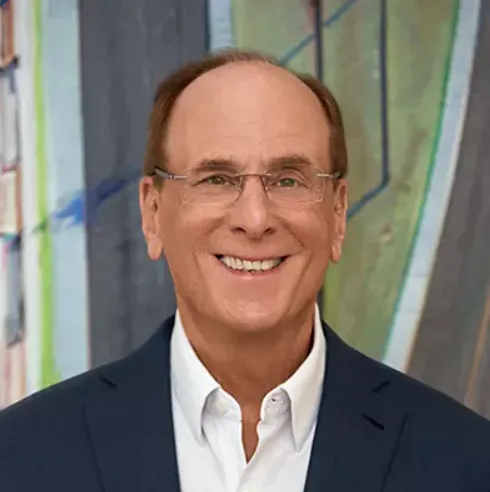
[Larry Fink © BlackRock Official Website]
The history of ESG and the definition of its concept have not been created and upheld by a single person or institution alone. It is a paradigm shaped by the efforts of numerous countries, companies, and international organizations, as well as changes in each domain of Environmental (E), Social (S), and Governance (G). Looking back at its history and the figures who had the greatest impact, let us once again reflect on the essence of ESG.
by Editor L