
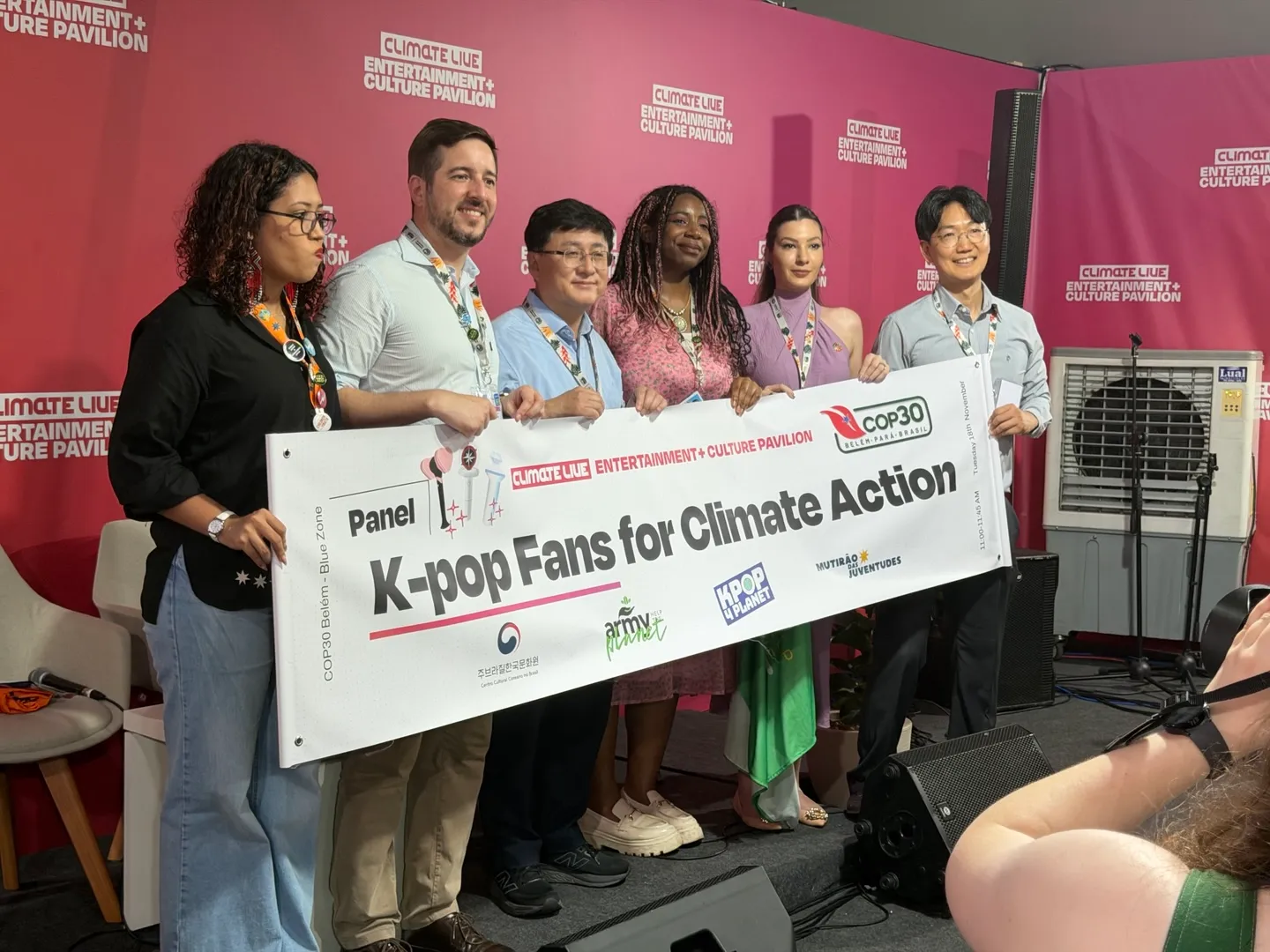
Last November, the COP30 venue (the 30th Conference of the Parties to the United Nations Framework Convention on Climate Change, held in Belém, Brazil from November 10–21, 2025), located in the city of Belém at the mouth of the Amazon with a population of 1.5 million, was a point where the urgency of the climate crisis and the harsh reality of international politics intersected. Climate negotiations are frequently stalled or in a standstill as economic interests and political and diplomatic calculations become complexly entangled. This General Assembly likewise once again failed to codify the phasing out of fossil fuels, leaving room for regret. But what was witnessed in the gaps of this sluggish negotiation was a completely different possibility: the ‘power of culture’ that unties the knots that politics could not.
[COP30 Venue © Kim Won-sang, Climate Solutions Media Communications]
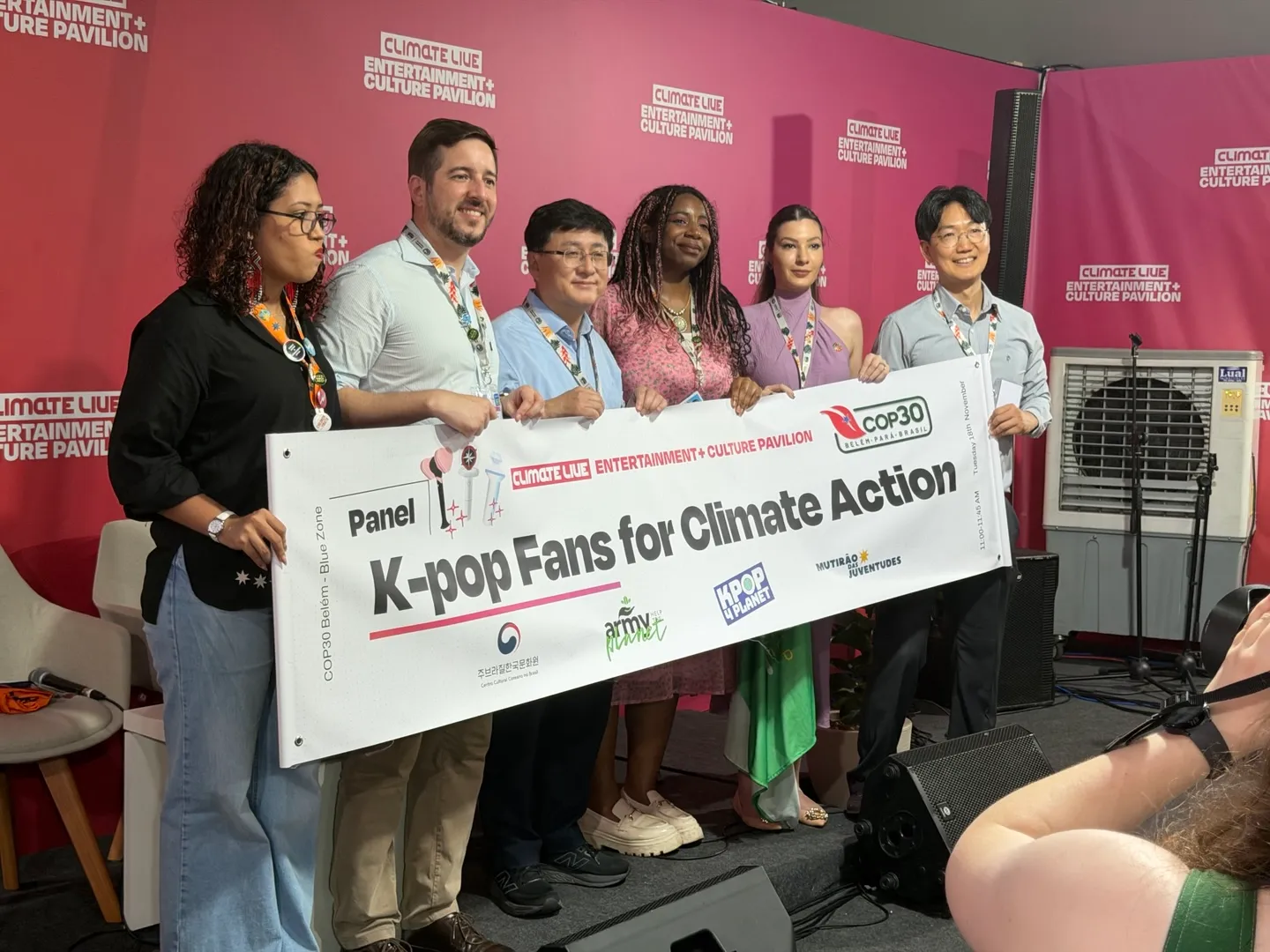
At this General Assembly, Climate Solutions teamed up with global organizations to carry out actions calling for an end to fossil fuel investment. What breathed life into this campaign, which could have been stiff and formulaic, was the cosplay of characters from the animated film ‘K-Pop Demon Hunters.’ Perhaps thanks to the power of global content, the response from participants and press was heated. Multiple foreign media outlets including the AP gave it concentrated coverage, and this soon became an opportunity for climate issues to be translated into popular language and delivered across the globe. This trend even led to actual discussion venues, with a session themed around K-pop and climate response being organized. When Minister of Climate, Energy and Environment Kim Sung-hwan, who visited the venue, delivered an encouraging message through a congratulatory speech, a natural point of connection was formed through which the cultural approach linked to policy interest.
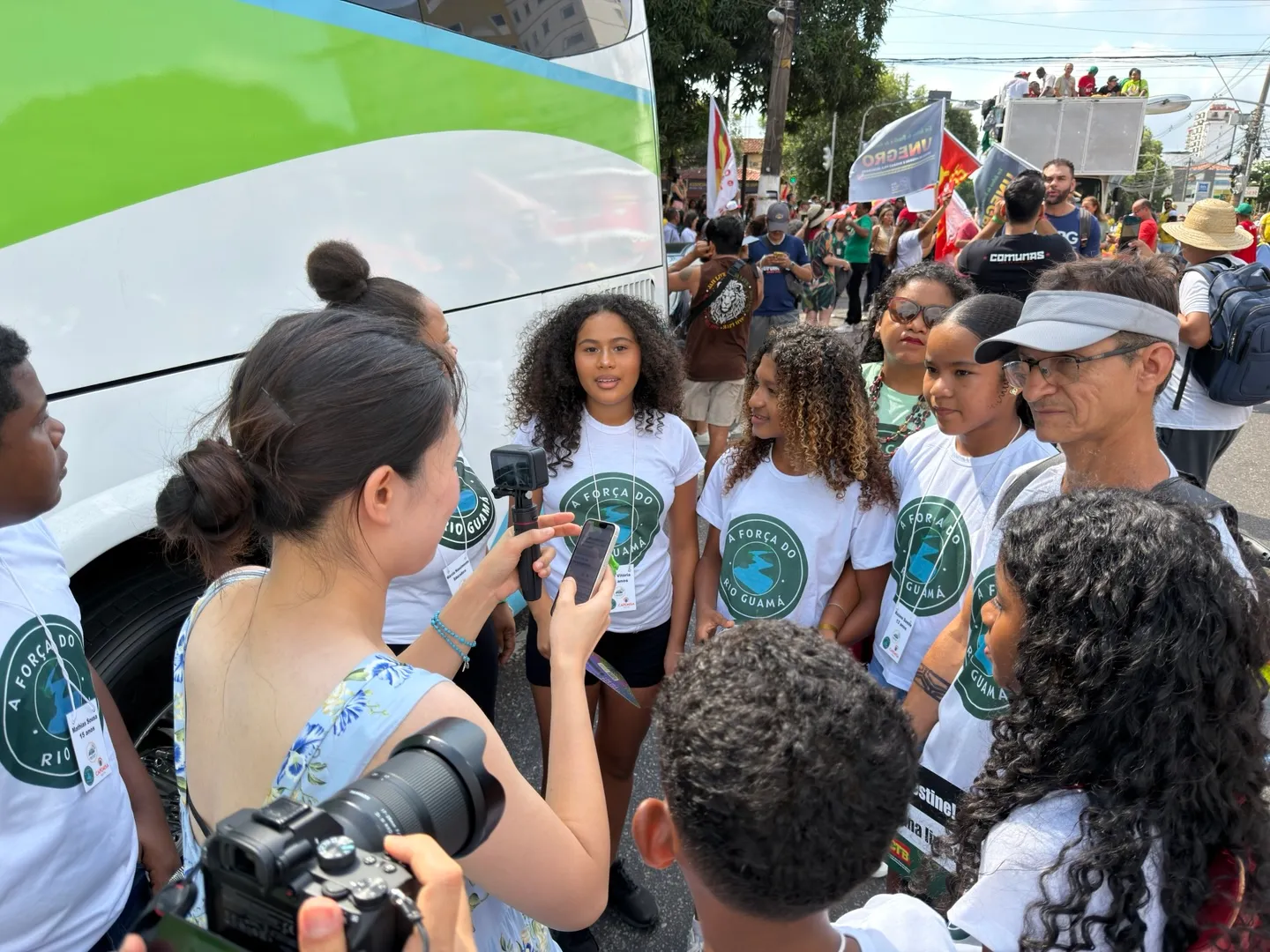
The anecdotal experience of a journalist I met on site was even more dramatic. When covering indigenous people in the Amazon rainforest, where public access is strictly restricted, the people who were normally exclusive toward outsiders changed their attitude at the journalist’s single remark that they had ‘come from Korea.’ They mentioned Korean dramas they had watched on Netflix and called out actors’ names, showing goodwill. It was the same at street marches held in downtown Belém. Citizens welcomed them simply for being Korean, and reached out first to take photos together or share social media accounts. The ‘finger heart’ that appeared in every group photo was a symbol of cheerful solidarity that transcended ideology and language.
[COP30 Venue © Kim Won-sang, Climate Solutions Media Communications]
Such experiences did not flow only one way. To an average Korean, the communities of Pacific island nations were distant both geographically and emotionally. But the ‘Moana Pavilion’ they set up was different. Drawn in by a name made familiar through a famous animated film, people listened at length to the reality of the climate crisis they faced and the messages they conveyed. It was a moment in which the suffering of others, which would have been passed by without culture, was transposed into one’s own issue through the catalyst of culture. Amid the COP30 venue, filled mostly with stiff language and business attire representing companies or nations, the only point of contact that eased the tension and evoked a warm feeling was this kind of informal cultural exchange.
As a longtime football fan, Brazil had been a distant country connected only through football. Prior to this, I had only vaguely known of the vast nature of the Amazon ecosystem and had no experience whatsoever of perceiving the indigenous communities within it or their culture. I was able to encounter a country I was uncertain I would ever visit in my lifetime, thanks to the unfamiliar stage of the Climate Assembly, and the two countries broke down each other’s psychological barriers through culture. In the enormous international task of climate response, what is as important as technological solutions or policy consensus is ultimately ‘the will to connect.’ This is because no matter how sophisticated the policy, it is difficult to gain momentum if it cannot move the hearts of the public.
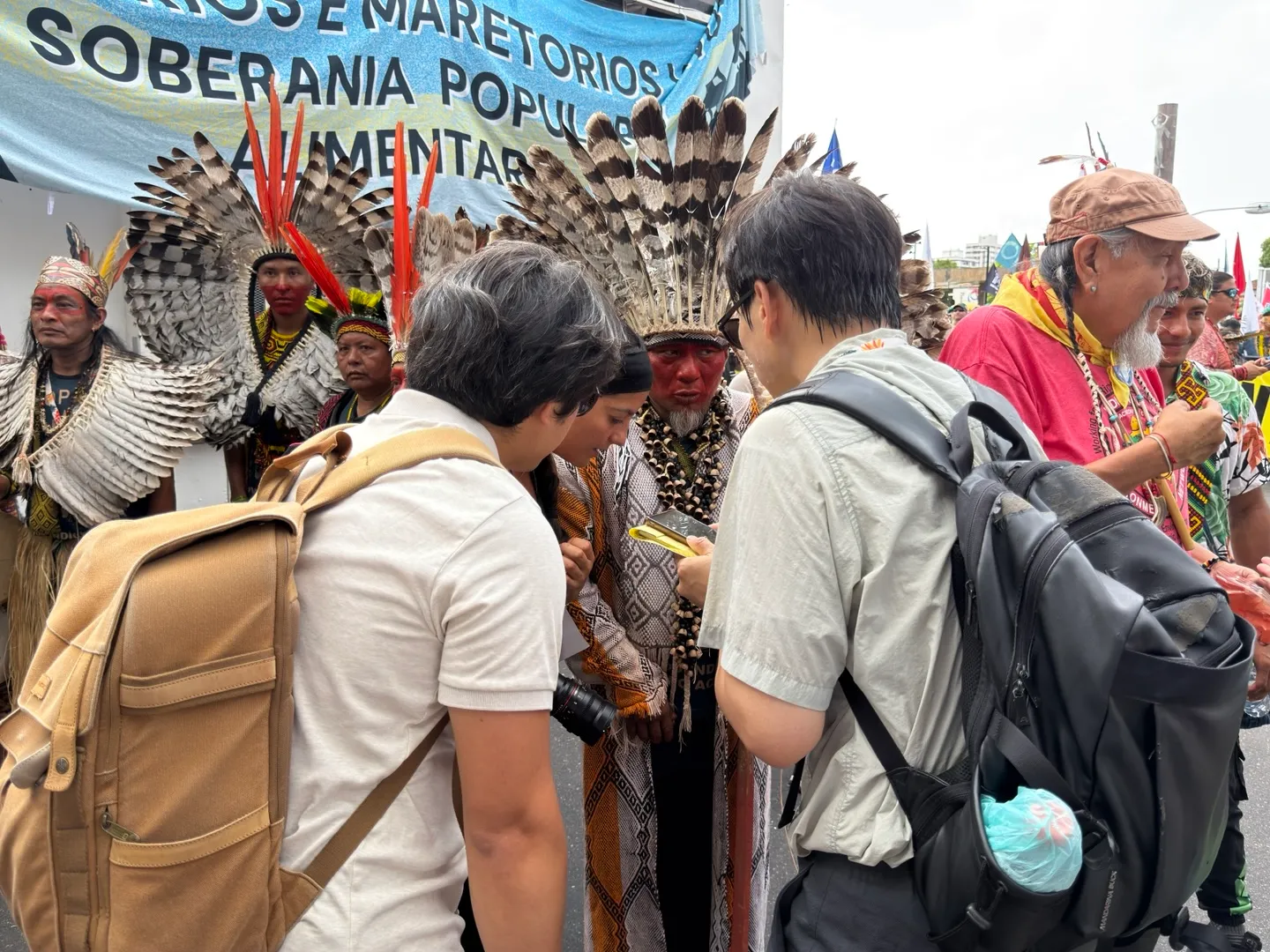
[COP30 Venue © Kim Won-sang, Climate Solutions Media Communications]
The role of culture as one axis of climate negotiations will become even more important going forward. Even if we do not share a language and even if our political stances differ, we watch the same films and enjoy the same songs, thereby recognizing each other’s existence. This soft link could become the key to solving the planetary conundrum of the climate crisis. This is why more cultural artists and influencers must gather under the value of climate. The power to rescue climate politics from deadlock may lie not on the cold negotiating table but in the site of the vibrant culture we enjoy together.
by Kim Won-sang (Climate Solutions, Media Communications)