

On weekend mornings, a long line forms in front of the Cheongnyeongpo ferry dock in Yeongwol-gun, Gangwon-do. Testimonies of visitors keep appearing on social media: arriving at 9 AM only to find an already lengthy queue, with some saying they waited three hours just to board the ferry. This is the overtourism scene driven by the film ‘The Man Living with the King,’ which has surpassed 16 million viewers. Since late February, the cumulative number of tourists visiting Jangneung and Cheongnyeongpo has exceeded 80,000. Buoyed by the film’s box office success, visitors to Cheongnyeongpo — the place of exile of King Danjong — have surged explosively, and Gangwon State has launched an emergency response.
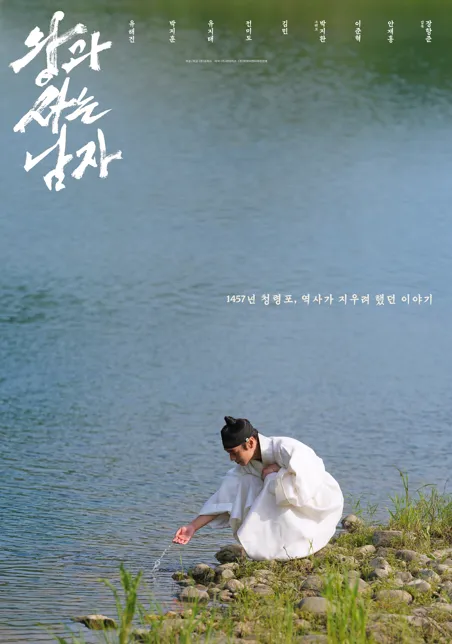
[Poster for the film <The Man Living with the King> © Showbox]
An Island on Land Overwhelmed by Crowds
Cheongnyeongpo is a peninsular landform surrounded on its east, south, and north sides by the upper reaches of the Namhangang River, with its west side blocked by cliffs. With no road access and reachable only by ferry, Cheongnyeongpo is called an ‘island on land.’ It is also a geological landmark forming part of the Gangwon Paleozoic National Geopark — a park spanning Yeongwol, Jeongseon, Taebaek, and Pyeongchang that showcases Korea’s representative Paleozoic sedimentary rocks — and is designated Scenic Site No. 50. It is precisely this Cheongnyeongpo that draws crowds exceeding 6,000 per day on weekends. Yeongwol-gun ultimately posted a social media notice warning that visitors scheduled to arrive at Cheongnyeongpo after 4 PM might face restricted same-day entry.
Ecological Debt Carried by the Ferry
Overtourism does not simply mean there are many tourists. The problem arises when tourism exceeds the carrying capacity — the level at which the local ecosystem and residents’ quality of life are substantively damaged. At Cheongnyeongpo, this problem becomes more complex. The grove of pine trees over 600 years old filling the interior of the island is an ecological and historical resource that has stood since the time of King Danjong’s exile. When the footsteps of tens of thousands repeatedly press down on the soil, the root systems of the trees are damaged, and when rain falls, soil and sand can be eroded and washed away. National park research has also confirmed that concentrated visitor patterns are a primary factor in the degradation of vegetation and soil around trails. The Cheongnyeongpo ferry carries not only tourists but also the ecological debt that accumulates with every footprint.
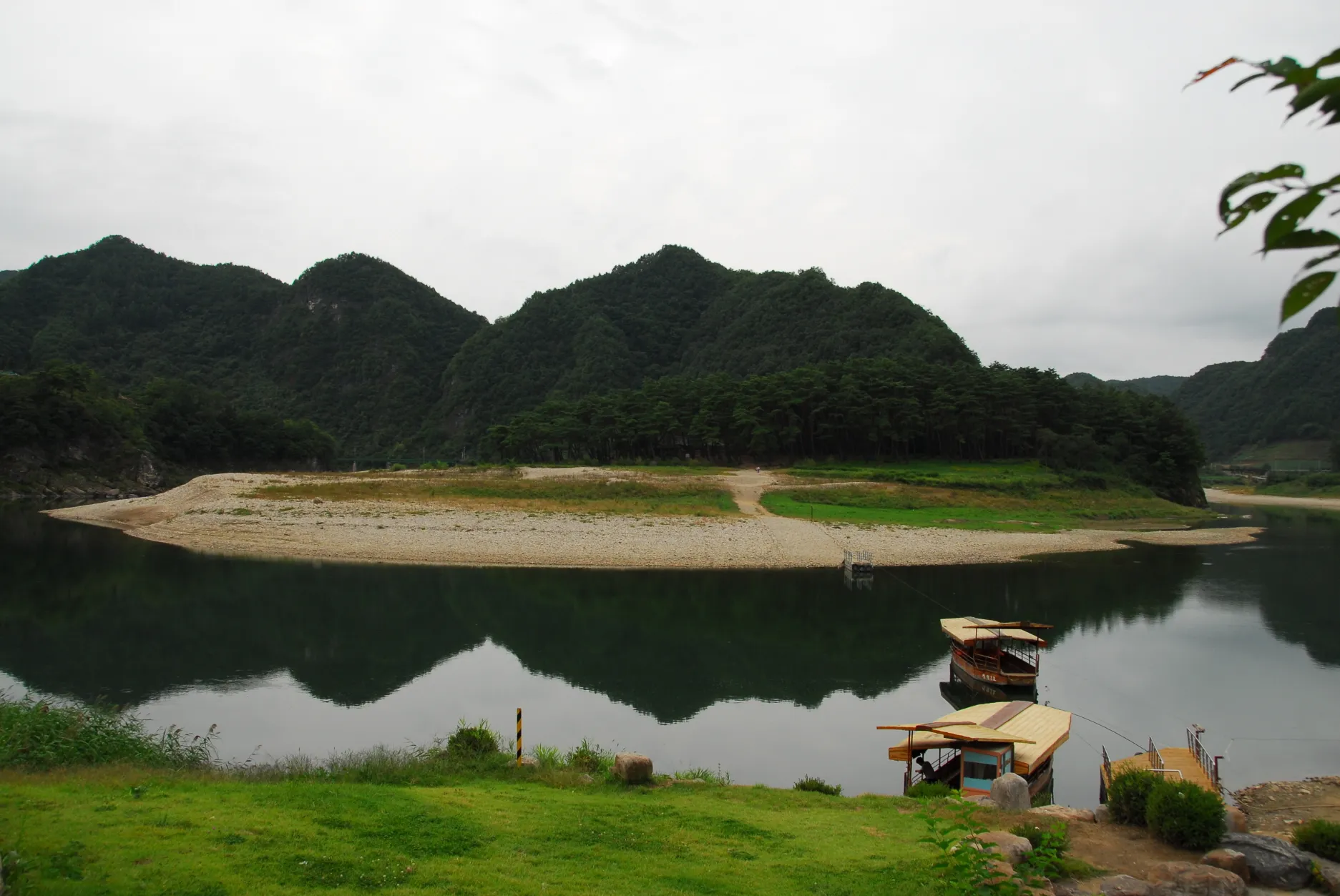
[Cheongnyeongpo © National Heritage Portal]
The Ministry of Food and Drug Safety also conducted inspections from March 4 to 13 of approximately 100 restaurants near Cheongnyeongpo for hygiene conditions and price labeling compliance. This is a short-term response focused on the safety and hygiene of the suddenly increased number of tourists. However, a long-term institutional framework for managing tourist capacity remains weak. The first place in South Korea to tackle overtourism was Bukchon Hanok Village in Seoul, which was designated a ‘Special Management Area’ under the Tourism Promotion Act in July 2024. It was the first case nationwide, yet even that merely amounted to nighttime passage guidance without separate mandatory regulations. Discussions on visitor cap systems or reservation systems for scenic sites remain at the discussion level.

[Cheongnyeongpo Closure Day Notice © Yeongwol-gun Instagram]
What Remains After the Box Office Success
The box office success of a film will subside someday. The problem is what comes after. Especially when specific photo spots rapidly gain fame through social media, concentrated tourist visits over a short period can sharply damage the ecosystem, and that damage remains even after the popularity fades. What Cheongnyeongpo needs now to pass on its value as a geological landmark intact to the next generation is not a welcome banner for visitors, but a management plan based on carrying capacity. As long as tourism policy uses only economic effects as its performance indicator, the degradation of natural and historical assets is bound to repeat. For sustainable tourism, the invisible costs of ecosystem degradation around cultural heritage sites must be reflected in policy design. Cheongnyeongpo has withstood some 600 years of time; making the island endure the years ahead is the responsibility of the system.
by Editor N