
Corporate Social Responsibility (CSR) activities have evolved beyond simply sponsoring cultural content production into directly participating in production, discovering new talent, and supporting overseas distribution, thereby underpinning the entire industry ecosystem. Korean companies are investing in film and performance, while entertainment companies are investing in genre expansion, building foundations for the sustainable growth of K-content. Let us explore cases of corporate investment that functions as cultural ecosystem building rather than one-off marketing.
Corporate Cultural Investment Expanding to the Screen
Corporate cultural content investment is particularly prominent in film industry participation. Hyundai Motor Group is pursuing a strategy of ‘selling culture, not cars’ through content marketing. The short film ‘Night Fishing,’ produced by Hyundai Motor Group and starring actor Son Suk-ku in 2024, won the Editing Award at the Montreal Fantasia International Film Festival and the Grand Prix in the Entertainment category at the 2025 Cannes Lions, proving the new possibilities of branded content. In January 2026, ‘Bedford Park,’ the first independent feature film in which Hyundai Motor Group participated as an investor, won the Special Jury Award at the Sundance Film Festival, extending those possibilities to feature-length film. After Sundance, it signed a global distribution deal with Sony Pictures Classics, earning recognition for both artistic merit and marketability — a significant achievement in terms of strengthening the international competitiveness of K-content.
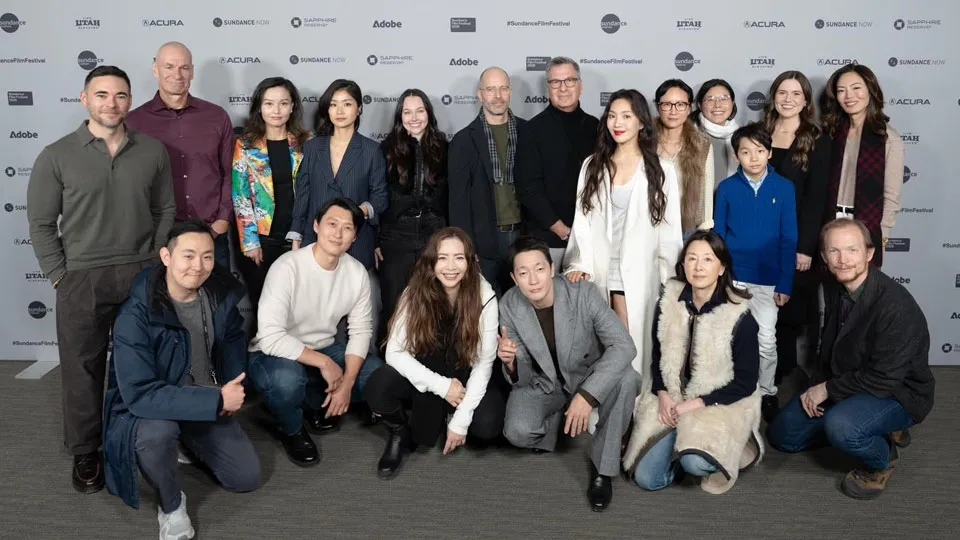
[Cast and crew of the independent feature film ‘Bedford Park’ © Hyundai Motor Group Official Website]
The financial sector is also actively engaging in cultural investment. IBK Industrial Bank invested ₩1 billion in the production of the film ‘The Man Living with the King,’ which surpassed 16 million viewers in the first half of 2026, and is expected to achieve a return of approximately 400%. When selecting films to invest in, IBK applies its own checklist of 16 criteria including scenario and rating, scoring each stage — an approach focused on completeness and differentiating factors, which has consistently led to box office success. IBK launched the ‘IBK Cultural Content Loan’ in 2011 to provide loans to outstanding cultural content SMEs, and in 2012 became the first in the financial sector to establish a dedicated cultural content department. It has since expanded its investment scope beyond films to dramas such as ‘The Moon Rising During the Day’ and musicals like ‘Cats’ and ‘The Phantom of the Opera.’ While Hyundai Motor Group approaches cultural investment as a way to practice its marketing philosophy, IBK exemplifies a new model of CSR by expanding investment across the broader cultural ecosystem.
Entertainment Companies Expanding the Music Ecosystem Beyond Genre Boundaries
While the automotive industry and financial sector continue investing in the film industry, domestic entertainment companies are expanding their investment beyond popular music into classical and indie music, creating the additional value of cultural diversity. SM Entertainment established the ‘SM Classics’ label to arrange and perform K-pop with orchestras, leading the popularization of classical music. Through repeated collaborations with renowned orchestras such as the Seoul Philharmonic Orchestra and the Korean Symphony Orchestra, it has broadened the artistic horizons of K-pop, while also stepping into improving music accessibility for culturally underserved communities by supporting instruments and lessons for children in regions lacking classical music education. SM Entertainment is concretizing an approach that simultaneously pursues commercial success and social value through music-based social contribution activities.
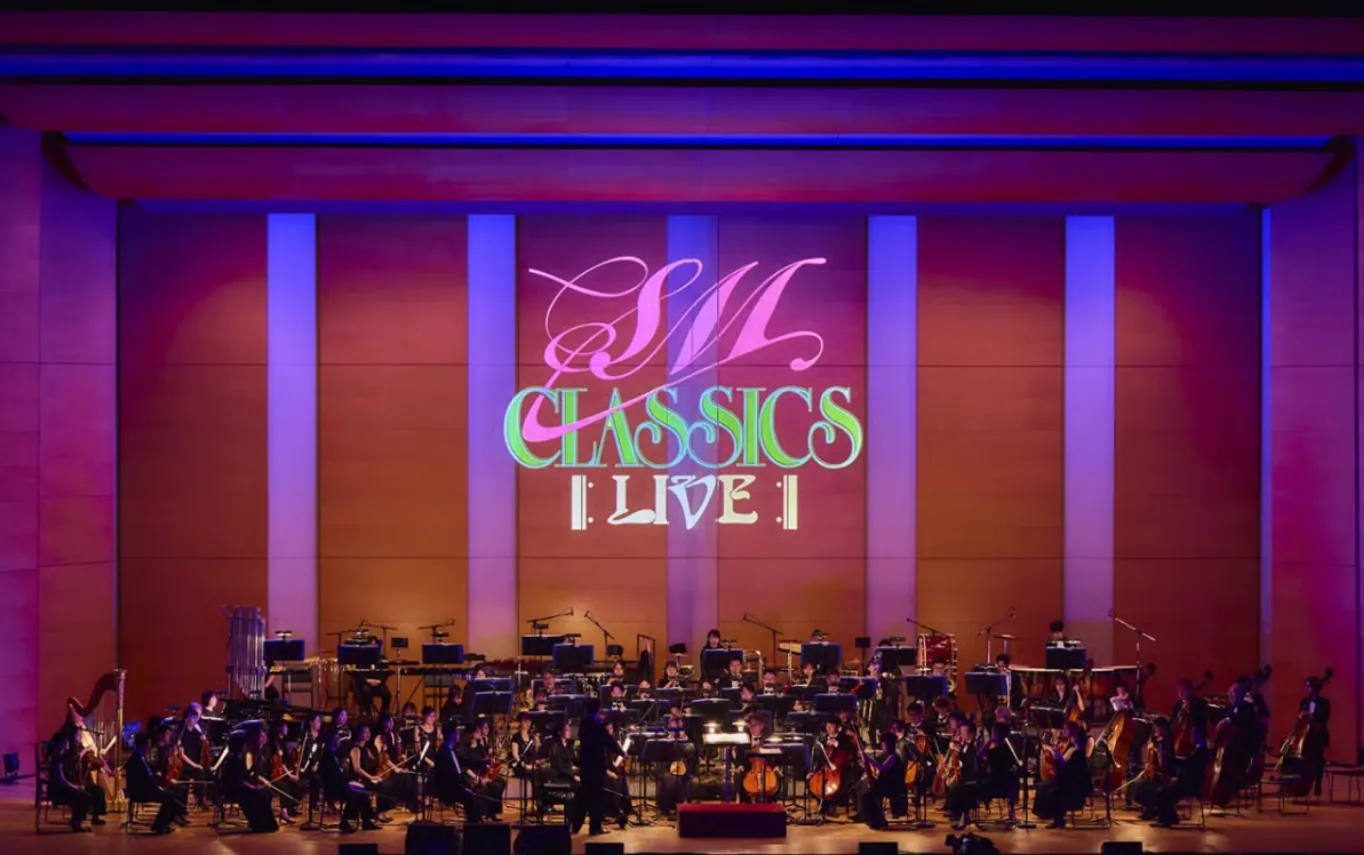
[SM CLASSICS LIVE 2025 in TOKYO © SM Entertainment]
YG Entertainment, through its subsidiary YG Plus, is supporting global music distribution for indie and small-medium labels to expand the indie music ecosystem, operating the digital platform ‘Mixtape’ as part of that effort. The Mixtape platform contributes to lowering the barriers for overseas expansion of domestic indie music by distributing indie musicians’ tracks to global streaming services such as Spotify and Apple Music. The distribution networks and marketing know-how of a major agency are now being provided to small-medium labels, opening a channel for artists to enter overseas markets. In 2025, YG Plus signed an agreement with the Federation of Korean Music Performers, creating the first case of collaboration between a copyright trust management organization and a global distribution platform. Through this, artists can secure a foundation for sustainable music activities with guaranteed rights protection and global distribution. While SM has added artistic depth to K-pop through classical music, YG is supporting the diversity of the K-content industry by broadening the reach of the indie music ecosystem.
For Cultural Investment to Build a Sustainable Ecosystem
Corporate cultural investment is settling into a structure that goes beyond short-term marketing effects to support the entire industry ecosystem. However, there is still insufficient verification as to whether such investment is taking place on a foundation of guaranteed creative autonomy and fair revenue distribution structures. Going forward, it is hoped that companies will recognize these aspects and embrace cultural investment as a sustainable growth engine for the content industry, rather than as a one-time CSR activity.
by Editor N