
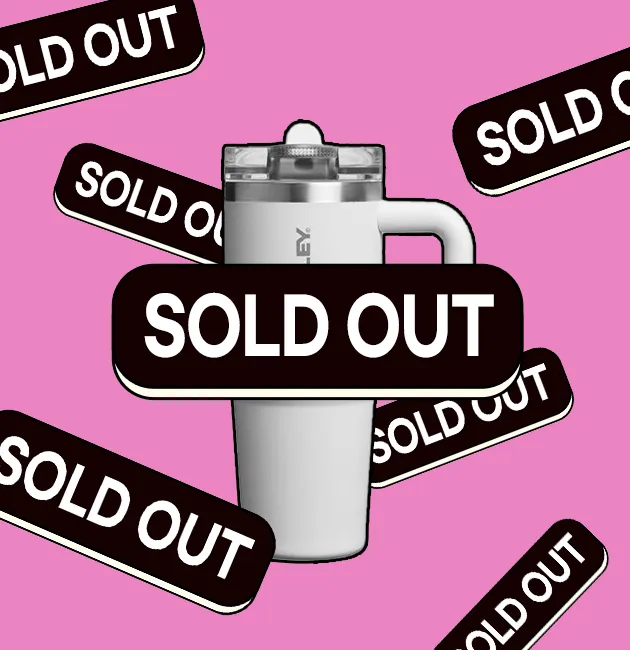
Among American teens and twentysomethings right now, the stainless steel tumbler "Stanley Quencher H2.0" from the popular insulated bottle brand Stanley is an enormous hit. America's Gen Z and Millennials spend their days collecting Stanley Quenchers in every color, decorating them, and showing them off with pride.
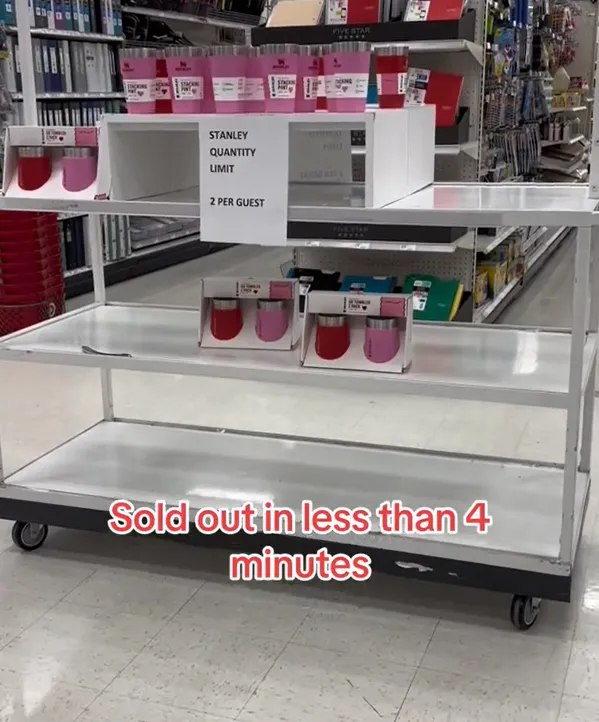
[The Starbucks collaboration edition Stanley Quencher that sold out in 4 minutes ©TikTok]
The Starbucks collaboration Stanley Quencher, sold exclusively at the U.S.-based retailer Target, sold out in just four minutes despite a purchase limit of two per person. With the collaboration tied to the upcoming Valentine's Day, the tumblers are being resold on eBay at five to six times the original price, reaching up to $300.
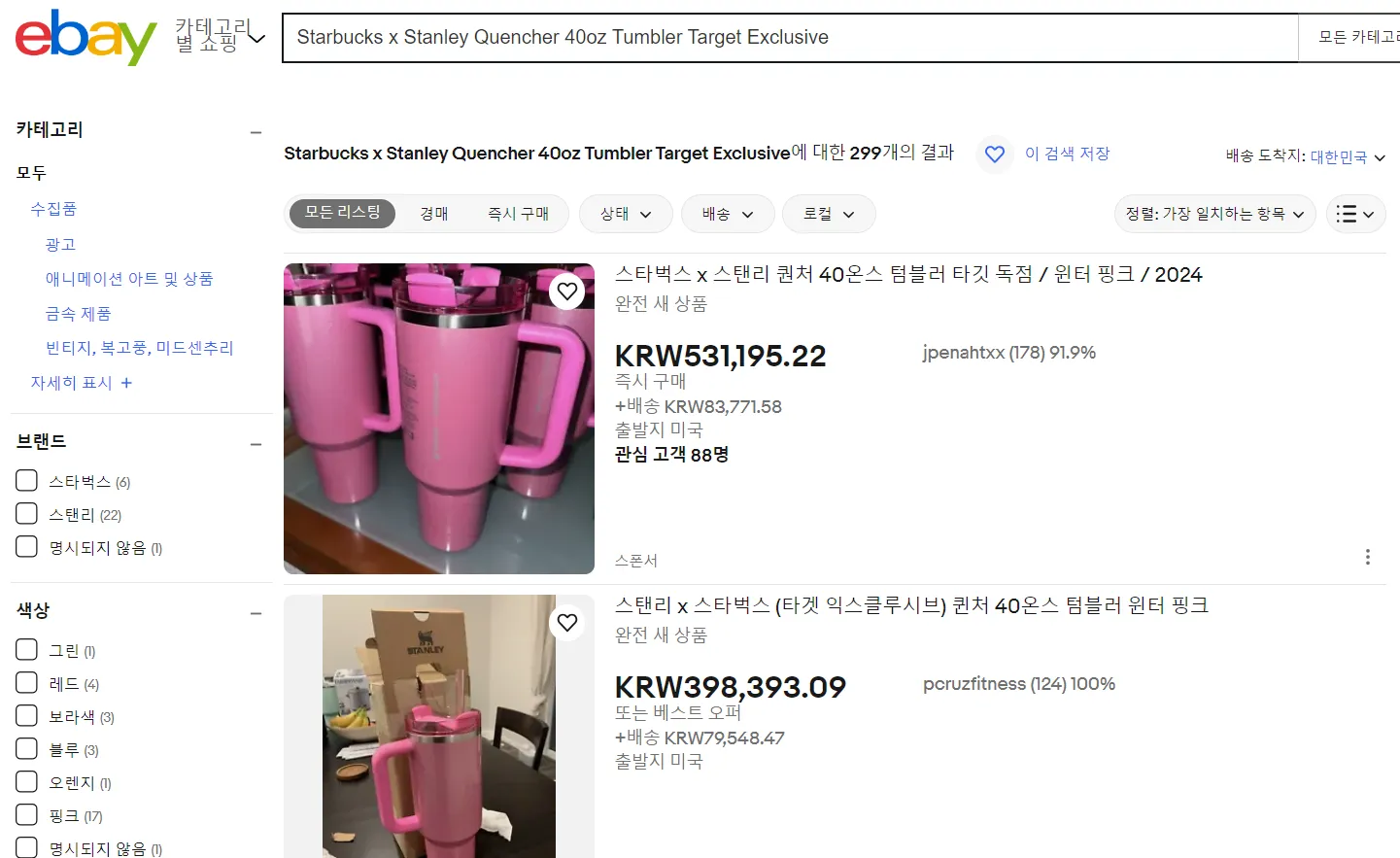
[Resale price of the Starbucks collaboration edition ©Ebay]
On the short-form platform TikTok, the Stanley Quencher—referred to as #StanleyCup—is classified as an "aesthetic" product, a term denoting fashion that expresses one's own distinct sensibility. American teenagers choose a Stanley Quencher in a color that matches their outfit when going out, adorn their tumblers with various accessories, and proudly showcase them on social media. Pop singer Olivia Rodrigo, who is hugely popular among American teens, revealed in an interview with GQ magazine that TikTok influenced her decision to purchase a Stanley. Having captured the attention of American teenagers in this way, the Stanley Quencher series has been releasing numerous limited editions and rapidly driving up sales.
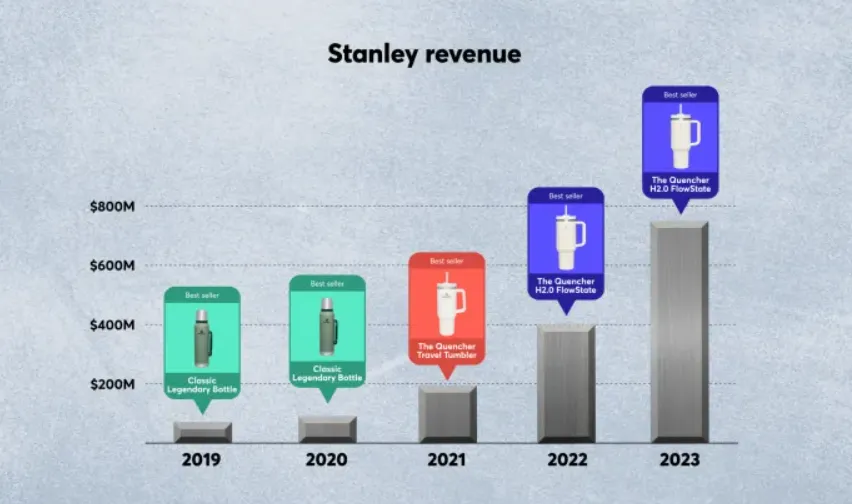
[Stanley's bestseller changed starting in 2020. ©CNBC]
The Stanley Quencher series established itself as a massive trend when the new CEO Terence Reilly was appointed in 2020. Reilly is known as the figure who sparked a global Crocs boom by orchestrating collaborations with a wide range of brands while at Crocs. According to CNBC, Reilly discovered content in which a women's consumer group running a commerce blog called "The Buy Guide" had recommended the Quencher series, and proceeded to produce Quencher tumblers in the pastel tones the Buy Guide editors wanted. Since then, each time a new color was unveiled, the Quencher series enjoyed a steep upward sales curve, repeatedly racking up "sold out" signs for color after color. The vibrantly colored tumblers soon overtook the sales of the iconic "green Stanley cup," which had been Stanley's bestseller and brand identity up to the time of Reilly's appointment in 2020. In December of last year, the Stanley Quencher tumbler succeeded in selling 10 million units.
Before the Quencher boom, Stanley was a brand that sold reasonably priced tumblers under $40 to male consumers such as construction workers and hikers, emphasizing powerful insulation performance. Today, however, Stanley has emerged as a flashy fashion item wrapped in an eco-friendly concept favored by women.
The trend of consuming eco-friendly products is nothing new to us, and neither are the concerns surrounding them. Take eco-bags, for example. Once hailed as a quintessential eco-friendly product, eco-bags became a subject of worry because, despite being reusable items, they often failed to be reused enough times to genuinely benefit the environment, ultimately not delivering real environmental benefits. Stainless steel tumblers, too, face criticism that their production process uses energy inefficiently and that they require sufficient reuse to justify their environmental cost. The New York Times has reported that producing a stainless steel water bottle requires approximately seven times more fossil fuels, emits 14 times more greenhouse gases, and demands hundreds of times more metal resources compared to a plastic water bottle. The Canada-based International Reference Centre for Life Cycle Assessment and Sustainable Transition (CIRAIG) has published a report stating that "a stainless steel tumbler must be reused at least 220 times to have the effect of maintaining the global environment at a level that is not harmful to humans."
Stanley is not ignoring these concerns and has pledged on its website that by 2025, at least 50% of its stainless steel products and 100% of its packaging will be made from recycled materials. The U.S. tech publication Wired noted that "the Stanley Quencher craze has demonstrated that eco-friendly products can become popular; the next milestone is to prove that a mass-consumption trend does not necessarily lead to increased waste and overconsumption." All eyes are now on where Stanley's eco-friendly mass-consumption trend will go from here.
by Editor N