
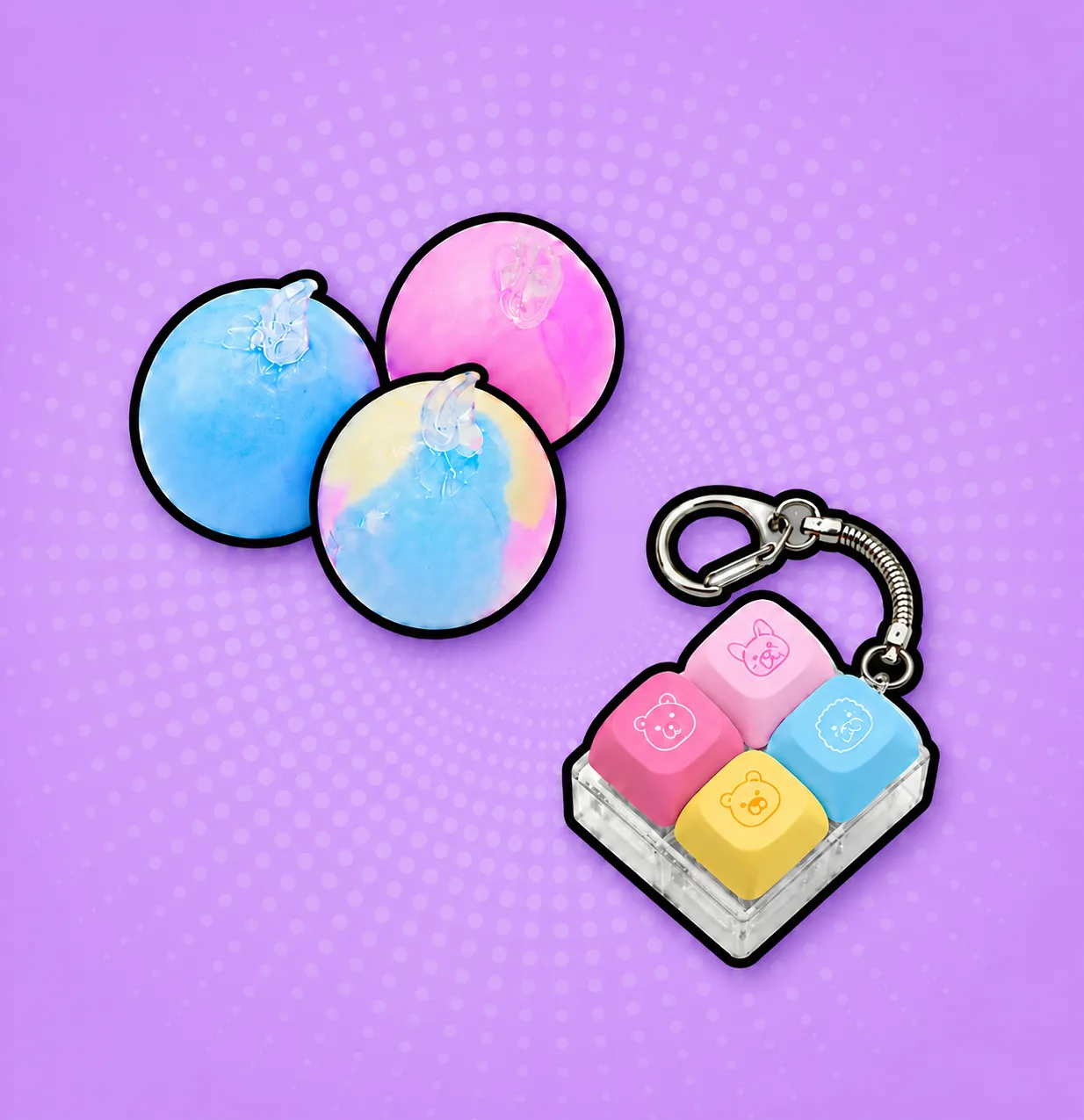
The ‘Wax Break Ball’ — a squishy toy wrapped in wax that you crack open with your hands — is currently all the rage. This toy, whose appeal lies in the satisfying sensation of breaking the wax shell encasing the squishy interior, is the latest example of a ‘consume-then-discard’ structure that raises concerns each time a new trend item emerges.
A Trend Driven by Sensory Stimulation, Debris That Becomes Waste
While conventional squishy toys are meant to be repeatedly touched and enjoyed, the Wax Break Ball derives its fun from the fleeting sound and tactile sensation of cracking the wax shell. The rapid spread of such sensory-driven products is fueled by the content consumption environment reorganized around short-form platforms such as TikTok and Instagram Reels. The problem with these products lies in their ‘materials.’ The wax used in the toys is typically petroleum-based paraffin wax, which has very low biodegradability, and the polyurethane-based synthetic resin of the internal squishy material is virtually impossible to sort for recycling. Mixing wax fragments and synthetic resin, Wax Break Balls have no applicable category under separated waste disposal standards and are mostly treated as general waste.
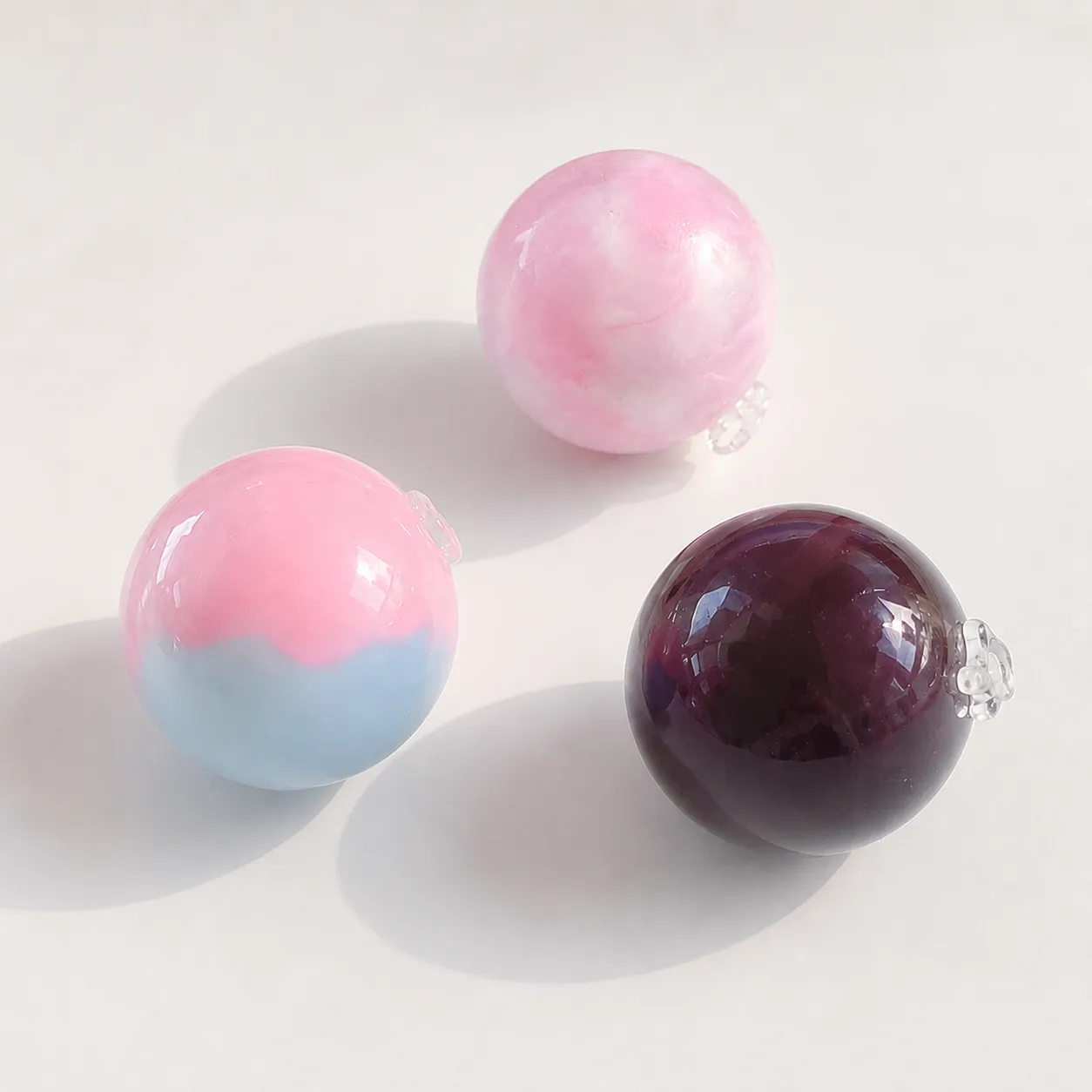
[Wax Break Ball © ESG.ONL]
This pattern of toy materials being discarded without proper recycling is nothing new. During the COVID-19 pandemic, as time spent at home increased, a craze erupted for silicone-based toys such as ‘Pop Its.’ Advertised as semi-permanently reusable devices that let users repeatedly press bubbles, these toys were discarded in large quantities once the trend faded. Since silicone materials are not covered by standard plastic separation and collection systems, most were incinerated or landfilled.
The same goes for keycap consumption, which has even evolved into a collectibles culture amid the mechanical keyboard and merchandise craze. While the keycap material itself is plastic, its small, mixed-material nature prevents it from entering the recycling system. Moreover, replaced older keycaps end up in standard garbage bags destined for incineration or landfill.
Waste Disposal Slower Than the Speed of Trends
The structure of all these cases is identical. Trends spread rapidly through short-form platforms, and massive amounts of waste are generated during the brief trend cycle. Once the trend ends, social attention disappears along with it. According to research by Greenpeace and a team led by Professor Jang Yong-chul of Chungnam National University, disposable plastic waste accounts for nearly half of all plastic waste in South Korea. Trend-driven consumer goods that are difficult to separate for collection and impossible to recycle are exactly what is driving up this share of plastic waste.
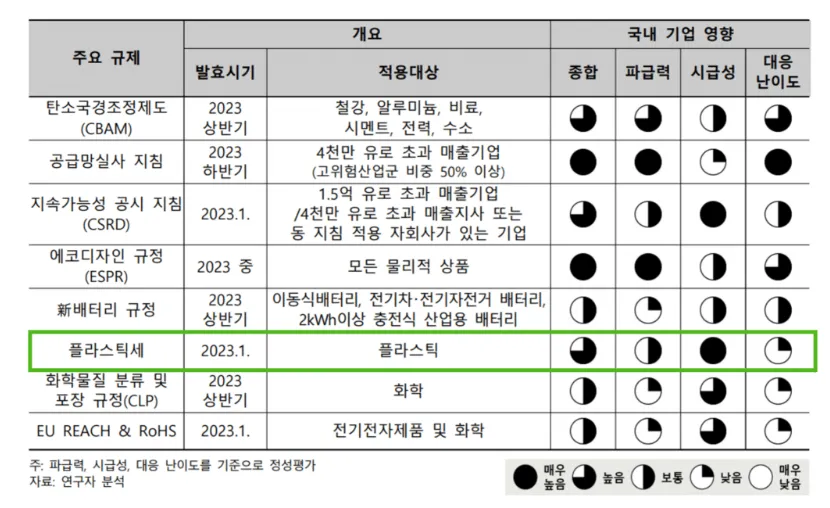
[Comparison of EU Environmental Regulation Impacts© Korea International Trade Association]
Alongside consumer-level efforts to address plastic waste, institutional approaches must be pursued in parallel. Since 2021, the EU has imposed a tax of €0.80 per kilogram on non-recyclable plastic waste, and Spain and Italy have been levying separate taxes on non-reusable plastic products since 2023. The Extended Producer Responsibility (EPR) system, under which companies that produce trend-driven consumer goods also share the cost of material waste, needs to be concretized in South Korea as it has been in Europe. A single Wax Break Ball will not destroy the planet. But as long as trends repeat, so too will the accumulation of waste.
by Editor N