Loading Data
Please wait a moment...
Update Cal.
2026.08
03
Mon
04
Tue
05
Wed
06
Thu
07
Fri
08
Sat
09
Sun
Update Calendar
2026.08
01
Sat
02
Sun
03
Mon
04
Tue
05
Wed
06
Thu
07
Fri
08
Sat
09
Sun
10
Mon
11
Tue
12
Wed
13
Thu
14
Fri

Loading Data
Please wait a moment...
Morning features and interviews. A morning story over a cup.
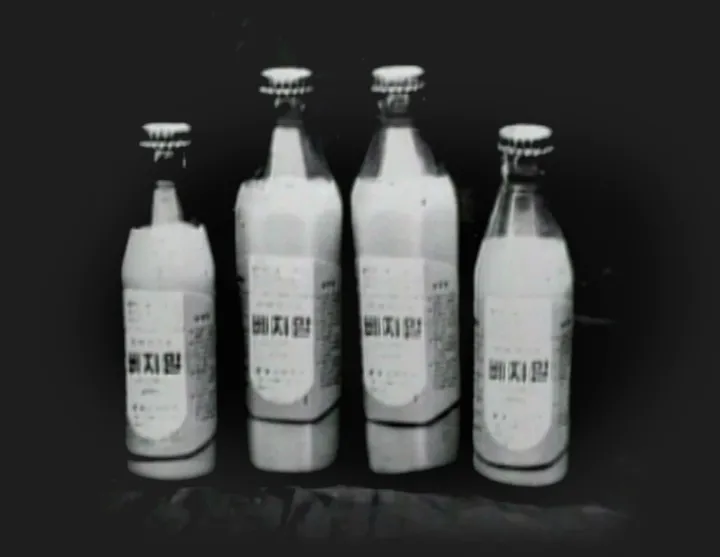
"Vegemil," made by putting a doctor's mission into a single bottle of an ordinary drinkLove that gives back as much as it received, through the Hyechun Scholarship FoundationDr. Chung's Food is not a company that publishes a sustainability report every year. But considering the value of "Vegemil," the drink that represents Dr. Chung's Food, the concepts of Dr. Chung's Food and sustainability feel fairly close. Vegemil began as a therapeutic food created in 1967 by the late Honorary Chairman Chung Jae-won, Dr. Chung's Food's founder and honorary chairman. Honorary Chairman Chung, who was working as a pediatrician, learned of a disease called "lactose intolerance" while studying in the United States. Realizing that the cause of death for many children was that they could not properly digest the lactose contained in breast milk or cow's milk, he set out to develop a substitute food free of lactose. And after long, repeated research, in 1967 he created the plant-based nutritional milk "Vegemil."Dr. Chung's Food's Sustainable Management 1. A Heart for Human Health[The very first Vegemil, developed in a hospital basement © Dr. Chung's Food]As can be understood from Dr. Chung's Food's founding ideal, "To devote this body to the culture of human health," Vegemil is a product made out of a single doctor's mission—to save children. The Vegemil born this way prepared for full-fledged sale after patenting and approval, but there were difficulties in immediately running a factory system. So Honorary Chairman Chung brought a small machine into the basement space next to his own pediatric clinic, which he was running in Hoehyeon-dong at the time, and produced soy milk as a cottage industry. Made by hand, only 500 bottles a day, Vegemil was dispensed at the pediatric clinic as a therapeutic food for young children then suffering from lactose intolerance. Later, to handle growing demand, a factory was built in Singal, Gyeonggi Province, in 1973, and Dr. Chung's Food began in earnest.Dr. Chung's Food established itself as the No. 1 company leading the soy-milk industry over the past 50-odd years. Not stopping there, in 1991 it introduced Korea's first enteral-nutrition brand, "Greenbia." Greenbia, Korea's first food for special medical purposes, was developed for patients with special conditions who felt burdened by high import prices or had difficulty consuming products that did not suit the Korean constitution. Because demand is very limited given the nature of the product, it could not contribute greatly to corporate sales, but the birth of Greenbia reduced the cost burden for patients with special conditions and made it possible to supply nutrition suited to Koreans' nutritional requirements. Initially produced mainly with products for diabetic and kidney patients, Greenbia now produces about 20 kinds of various enteral-nutrition foods, helping a small number of patients with special conditions.Dr. Chung's Food's Sustainable Management 2. Love That Gives Back as Much as It Received[The 39th scholarship award ceremony, held in May 2023 ©Hyechun Scholarship Foundation]A representative social-contribution activity of Dr. Chung's Food is the "Hyechun Scholarship Foundation," established in December 1984. The Hyechun Scholarship Foundation, named after Honorary Chairman Chung's pen name "Hyechun," began from his single-minded wish that "I want to make it so that no one has to agonize over their studies." Through the Hyechun Scholarship Foundation, which marks its 40th year since its birth this year, a total of 2,553 students have received support, and the cumulative scholarship amount alone reaches about 2.8 billion won. In 2020, amid a social atmosphere thrown into confusion by COVID-19, it increased the award amount by about 7 million won compared with the previous year for students facing difficulty in their studies due to economic hardship, paying out scholarships worth a total of 160 million won. The Hyechun Scholarship Foundation expands the number of scholarship recipients and the scale of scholarships every year so that more students can pursue their dreams, grow into excellent talent, and contribute to national development; this year, too, it paid scholarships to 45 undergraduate and graduate students with excellent academic records.Dr. Chung's Food also steadily carries out social-contribution activities together with consumers. A representative example is the "GOOD_BUY" ethical-consumption campaign, conducted since 2009 with Good Neighbors, a global non-governmental organization (NGO) specializing in children's rights. It attached a campaign logo in the form of a "red heart on a box" to all Vegemil products so that part of the proceeds is used as funds to help operate local children's centers and vacation classes for low-income children who go without meals. To date, it has provided a total of about 400 million won in donations and products to children who go without meals, and through this it is striving to build a society in which children can grow up as whole persons. The "Vegemil of Love Thermometer Campaign," steadily conducted since 2012, is another social-contribution activity not to be left out. When consumers leave a like (empathy) or comment on a campaign post on Dr. Chung's Food's SNS channels, or upload a photo including Vegemil with the required campaign hashtags, the Vegemil of Love thermometer rises by 1℃ per action, and Dr. Chung's Food donates Vegemil in proportion to the temperature that has risen. The Vegemil gathered this way is delivered to donation recipients such as ChildFund Korea and the Korea Social Welfare Society, and is donated to many places in need, such as children's facilities, senior welfare centers, and welfare facilities for people with disabilities. In addition, as a regular sponsor of the Korea Blood Cancer Association and the Korea Heart Foundation, it donates a set amount each month, helping patients who cannot receive treatment due to economic hardship and their families live healthy and happy lives.As if in return for the warm will to give the love it received back to society, Dr. Chung's Food has held the No. 1 spot in the soy-milk sector and No. 1 in Korea Industry Brand Power for 50 years. We look forward to the social-contribution activities carried on from its founding ideal continuing to serve as a great driving force for Dr. Chung's Food's sustainability.by Editor L
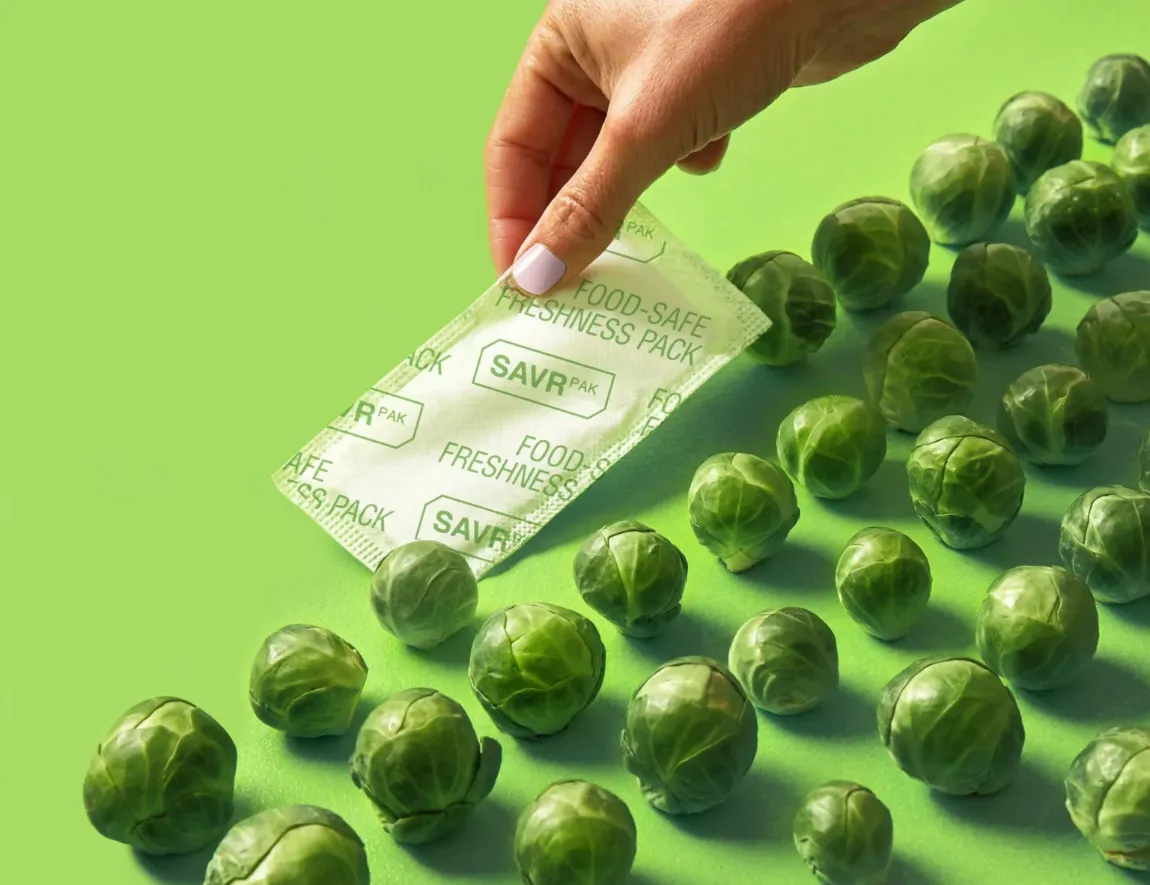
Selected as one of TIME magazine's Best Inventions of 2021Outstanding results grounded in a NASA engineer and a powerful brand slogan (Fight Food Waste)Today we introduce an agri-tech* brand that has achieved enormous results over the past two years on the strength of its founder's story and idea and a powerful slogan. It is a company called "SAVRpak," selected by "TIME magazine" as one of the Best Inventions of 2021.*Agri-tech is a compound of Agriculture and Tech, referring to businesses bringing innovation to the agricultural field with the help of advanced technology."SAVRpak" was invented by Bill Birgen, an engineer at the U.S. National Aeronautics and Space Administration (NASA), to solve the problem of food going soggy because of moisture. In a 2021 interview with the agriculture magazine "agrigate global," Bill Birgen described SAVRpak as "rocket science for food."He said, "I wanted to find a way to keep the lunch I packed at home from going soggy," and revealed that while designing temperature, humidity, and anti-icing solutions for spacecraft, he began developing a solution to the condensation problem—an enemy of fresh food that he himself had discovered. In the end, he developed a small patch that solves this problem by drawing moisture from the air inside a container before that moisture condenses on the food's surface.[SAVRpak ©SAVRpak]The Origin Story of a Fresh-Food Hero Powered by Spacecraft TechnologySAVRpak determined that the enemy of fresh food is condensation. Greg Maselli, SAVRpak's co-founder and CEO, flatly stated that "nothing gets tastier the moment it touches water." He captured the point that the reason food goes soggy is the water vapor trapped in the container along with the hot food. Hot food keeps releasing moisture even after cooking, and water vapor builds up when the food is packaged, which is why we receive soggy delivered food. Eliminating condensation—that is the essence of the problem.[The difference after about 30 minutes between a product that used SAVRpak and one that did not ©SAVRpak]To eliminate condensation, SAVRpak was designed to absorb the moisture inside a food container. For example, when delivering french fries, if a SAVRpak is inside the container, it absorbs the moisture in the air so that the crispy surface of the fried food can be maintained. Through the research team's experiments, it was also found that SAVRpak can lower the humidity inside a food container by up to 45% and extend the shelf life of packaged food by up to two weeks. Extending by up to two weeks even the time it takes for food to turn into waste—it is truly nothing short of an innovative invention.The Oldest, Most Futuristic Industry: 'Agriculture'Kim Yu-ho, head of the Agriculture Division at the National Agriculture Museum, said that "the oldest industry, yet the most futuristic, is agriculture." The problems agriculture currently has—#food-security #food-shortage #climate-change #declining-farming-population #biodiversity #food-safety—are issues directly linked to human survival. Everyone would agree that it is an important industry, but it has also been an industry in which clear innovation has been difficult, bound up as it is with countless interests and value chains ever since humanity first began cultivation. According to the U.S. market-research firm MarketsandMarkets, the market size of the agri-tech industry reached 7.5 billion dollars in 2018 and is projected to reach 13.5 billion dollars in 2023. An industry of great scale and attention also becomes the growth backdrop for companies and brands with new ideas.[A banner for SAVRpak's food-waste solution campaign ©SAVRpak]The Results Brought by an Innovative Shelf-Life ExtensionBill Birgen stated, "The food waste the whole world produces is an enormous problem amounting to 2.6 trillion dollars in scale. SAVRpak solves this problem by using compostable bags to extend the shelf life of produce by 50% to 100% without chemicals," expressing his hopes for the greenhouse-gas problem that would be reduced by cutting food waste and for the improvement in agricultural efficiency made possible by reducing waste.A product whose shelf life has been innovatively extended will stay tasty for a long time, but the flavor of the story—a NASA-alumnus founder crying out to fight food waste and innovating the agri-food industry—is fresh, too. Spacecraft technology and food: an unfamiliar connection, but this company, which presents a new way of looking at a problem and has created an answer that can be used quickly, cheaply, and simply, has a future worth anticipating. SAVRpak has not yet come to Korea. So, for tonight, how about holding off on delivery food just once? Let us, too, quietly join SAVRpak's campaign to solve food waste.by Editor L
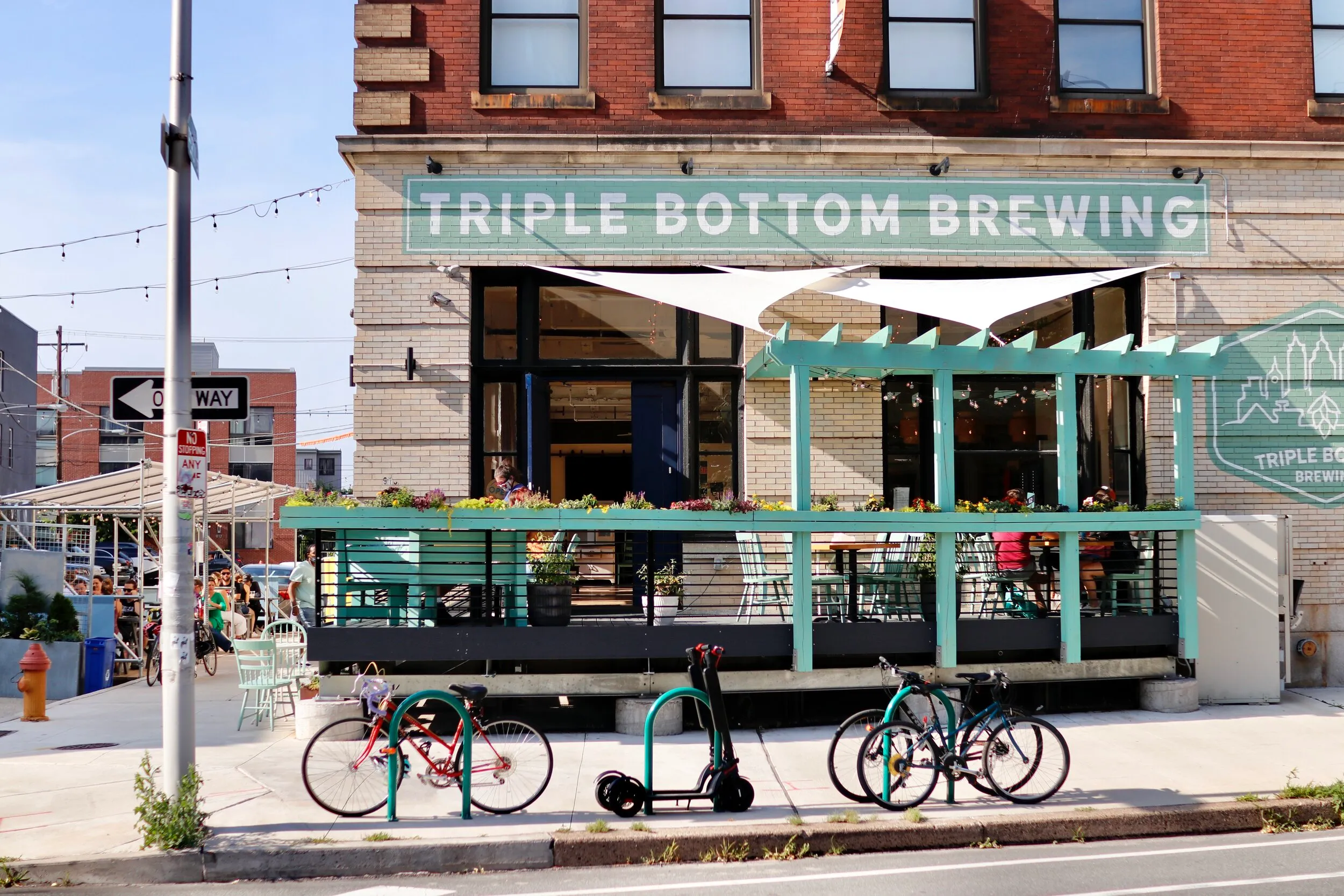
Triple Bottom Brewing, a brewery that solves local-community problemsWinner of "B Corp certification" for its contribution to social development and environmental protectionThere are stories of brands that challenged the various worries and difficulties of modern society and created innovative solutions. The brand we introduce this time is "Triple Bottom Brewing," which presented a locally rooted solution to the problem of imbalance in development between regions. Triple Bottom Brewing is a social enterprise located in Philadelphia, USA—a beer-making company that pursues the "triple bottom line (Profit, People, Planet)." The brand's founder is a woman named Tess Hart, who studied for an MBA and environmental management at Yale University and came to take an interest in beer-making and social enterprise. Having worked as a political consultant, she met Kyle Carney, who had extensive beer-making experience, founded Triple Bottom Brewing in 2016, and officially opened in 2019. The distinctive point of this rather plain founding story is that the founder made it a business goal to create social, environmental, and economic value through beer, to provide employment opportunities, and to cooperate with the local community.From a Small-to-Mid-Sized Region, the Limits of a Small Brewery[A view of the Triple Bottom Brewing store ©Triple Bottom Brewing]Triple Bottom Brewing started as a small-to-mid-sized local brewery. So in the early days it could only secure limited recognition and profits that did not extend beyond the surrounding area. They took as the essence of their problem the fact that, due to the brand's limited recognition and low competitiveness in the beer market, their products and values were not being sufficiently conveyed.Leadership and Capability as Internal Motivation, Customer Connection as External DirectionAs with all founders, Triple Bottom Brewing's founders, too, were putting passion and effort into beer-making. On top of that, they added connectivity with the local community and sustainable production methods. And through the strong motivation and pride gained from this, and the positive change it brought to the local community, they discovered their own differentiated value. And Triple Bottom Brewing reflected on the question, "Why do we look at beer only as beer?"—strengthening its connection with customers. They saw the beer they produce as having the value of a work of art rather than a simple drink, and pondered its very being. They respected the characteristics of the region where the beer was born and the characteristics of the raw materials produced in the region. They led their customers to feel that, simply by drinking the beer, they were supporting and contributing to the local community and culture.Triple Bottom Brewing also built a powerful brand message. It contained their problem definition and direction for development, described above. They promised to be "a brewery that makes high-quality beer while growing in a way that respects the local community and the environment." This promise added meaning to customers' act of buying beer and helped form trust and loyalty toward the brand. And by keeping this promise, Triple Bottom Brewing was able to create sustainable growth and social influence.[Triple Bottom Brewing, which received B Corp certification in 2019 ©Triple Bottom Brewing]A Good Problem Definition Creates a Good AnswerTriple Bottom Brewing set its corporate goals as increasing production, strengthening sustainability, strengthening its brand image, and contributing to the local community. And to effectively achieve these goals, it actively worked on communication. It introduced an internal communication platform to enhance smooth communication between teams and actively shared ideas for improving the production process. Increased production and improved efficiency followed. It also did not miss out on active communication with consumers. Its social-media and online-community activities drove the rise of brand recognition and value. Strengthening sustainability together with the region and the environment was also an important task. On the basis of improved internal communication, it shared and realized the need to strengthen the eco-friendliness of the production process. In 2019, it also obtained "B Corp certification" for its contribution to sustainability and high-quality production. This certification recognized Triple Bottom Brewing's social and environmental responsibility and acknowledged the achievement of the following results. • Social impact: Contributing to social development through positive interaction with the local community• Environmental impact: Contributing to environmental protection through eco-friendly production methods and recycling• Governance and transparency: Efficient internal communication within the organization and strengthened governanceAnd so Triple Bottom Brewing's problem is being solved. The Brand Promise Discovered Through Solving Problems [Triple Bottom Brewing in its new branding from 2022 ©Smith & Diction]The promise that the brand Triple Bottom Brewing conveys to customers can be summarized as follows. First, Triple Bottom Brewing produces beers of various styles and flavors on the basis of outstanding skill and experience. As with this article, the world is paying attention to the social value this brand creates, but in fact this company's beer is a capable brewery that shows flavors rich and varied enough to captivate the palates of beer lovers.Second, drinking Triple Bottom Brewing's beer is not only enjoying the beer's rich foam and the aroma of hops but also supporting a business model that seeks to have a positive impact on the local community and the environment. Triple Bottom Brewing is a social enterprise pursuing a triple bottom line that embraces Profit, People, and Planet, and it encourages customers to feel satisfaction and pride that they are taking part in a good cause while drinking its beer. As a social enterprise, it shares its vision and values with customers, presenting a direction for looking at beer and society from a new perspective. Third, the region and local culture that Triple Bottom Brewing loves are always with it as the foundation of the brand. If you want to buy Triple Bottom Brewing's beer, you have to go at least near Philadelphia. To buy the beer, you must visit the Triple Bottom Brewing taproom in Philadelphia in person or order online. Triple Bottom Brewing continually emphasizes the fact that it is positioned as a regional company rooted in the region. Triple Bottom Brewing, which resolved a regional problem through high-quality beer and individual social pride, also touches on the regional extinction that is being raised as a social problem in Korea as well. Distinctive regional brands that are like a hope for solving the problem are also increasing. Of course, we all know that the environment is not easy. Protecting a region, and coexisting with it, is not as easy as it is said or as it is felt. No—it is difficult without question. But we have pride as inhabitants of Earth, and the value of culture and the arts, which will be an answer that dissolves all difficulties.by Editor L
'Dutch Bros', a Coffee Chain Emerging as the Next StarbucksEmployee rating on company review site is 4.0, higher than Starbucks (3.9)Focusing on 'how money is made' beyond just making money... proven by industry's lowest turnover rateThere are no declining industries, only declining companies. - Tadashi Yanai, Chairman of UniqloIn 2020, the IBK Economic Research Institute released a study on the impact of the pandemic on Korea's small and medium-sized enterprises. According to the survey, 82% of 1,000 SMEs with fewer than 300 employees responded that they had suffered damage on the sales side due to COVID-19. For now, taking on debt and holding on while only hoping for the end of the pandemic. This seemed to be the sole survival strategy and methodology of the era.On May 9, 2023, when the threat of the pandemic had somewhat subsided, one franchise café company released IR materials."In the first quarter, we opened 45 shops for the first time since starting the company, and revenue increased by about 30%. Labor efficiency and the ratio of G&A (Selling, General & Administrative Expenses) also improved considerably, creating meaningful operating profit. I am proud of the way our team responded swiftly and decisively to the economic environment. This was proven by our expansion in shop scale and our strengthened profitability."This company is Dutch Bros, the next Starbucks, which achieved an IPO listing amid the pandemic in 2021 and has since shown astonishing growth. This franchise café brand is focusing, beyond making money, on "how you make money." And this process is leading to the industry's lowest turnover rate, one of the indicators of a healthy corporate culture.[Dutch Bros store view ⓒdutchbroscoffee instagram]Dutch Bros Doesn't Sell Coffee. It Sells Love.[The atmosphere of receiving a Dutch Bros drink at the drive-through; depending on the situation, all the staff sometimes come out ©dutchbroscoffee Instagram]If customers who visit a shop love the staff, how much does the scarcity of those staff rise? Starbucks, which accounts for more than 50% of the Korean café market's sales, maximizes the offline experience to create a value that differentiates it from other shops—namely, scarcity.Dutch Bros, which has operated all of its shops in a drive-through format since 1992, signaled continuous growth through its IPO even when the global F&B market was reeling from the pandemic. And at the drive-through shops the brand has insisted on, an event occurred that made the impact of the Dutch Bros brand visible. A single photo became known—of all the staff at a shop coming out to pray for a customer who had lost her husband.In this way, Dutch Bros became a brand that gives a special resonance in a world where the effort to chase operating profit amid infinite competition is taken for granted.It did not give resonance only to consumers. On the U.S. site "Indeed," similar to Korea's Jobplanet, Dutch Bros' employee rating in reviews is 4.0, higher than Starbucks' 3.9. You can see reviews such as a fun environment, great colleagues, an enjoyable and exciting workplace, and super fun. It can be interpreted to mean that while customers who receive love rather than coffee are happy, the side selling the love is quite happy, too.A Three-Year Promise to Run a Local Shop, and a Turnover Rate of About 0% Brought by a Sustainability Policy[Dutch Bros' secret menu is its friendly staff ⓒdutchbroscoffee instagram]Until its IPO, Dutch Bros operated only through directly run shops. But afterward it began creating franchise shops, and franchise shops now account for about 3% of all shops.Dutch Bros has a special policy for selecting franchise-shop owners: it gives the opportunity only to employees who have worked at Dutch Bros for at least three years. It regards three years as the minimum period needed to embody Dutch Bros' culture, its attitude toward customers, and its relationships with colleagues.Is it a reward for three years of effort? The head office bears most of the costs for opening a shop, from site selection to construction to interior work. This is a different approach from the usual franchise-opening process, in which one starts operating the brand while taking on a debt that cannot be ignored. Employees can start their own business at low cost, and Dutch Bros can entrust a shop with confidence to a proven person, so management risk is clearly reduced. A structure is created in which neither side has anything to lose. With this sustainability policy, new employees come to Dutch Bros dreaming of their own shop and work passionately. Dutch Bros employees' turnover rate is 66%, more than half lower than the industry average (144%), and the turnover rate at the regional-operator level is close to 0%. According to Dutch Bros, there are currently more than 200 regional-operator candidates, and it stated that, with their capabilities, it expects to be able to open about 1,000 more shops. This brightens the future outlook for the Dutch Bros brand.Support for ALS Patients That Began with a Founder's Death, Reaching 2.5 Million Dollars in Donations Before Long [Donations to end ALS have surpassed $2.5 million ⓒdutchbroscoffee instagram]In 2005, while Dutch Bros was undergoing astonishing growth, one of its founders, Dane Boersma, was diagnosed with Lou Gehrig's disease (hereafter ALS). ALS is a degenerative disease that affects nerve cells in the spinal cord and brain, and a person who contracts it gradually loses motor function and the ability to move freely. Dane Boersma fought ALS symptoms for more than five years before passing away.Dane Boersma's death had a profound influence on Dutch Bros' community spirit and culture. A key factor in Dutch Bros' success was his passion, and his devotion to developing himself as an entrepreneur and leader influenced the company's culture as a whole.Dutch Bros colleagues, who held his spirit in high regard, have carried on donation events under the slogan #EndALS, and recently shared the news that they had reached donations amounting to 2.5 million dollars.[A view of a Dutch Bros shop, sharing the specialness of a place where emotions are shared ©dutchbroscoffee Instagram]In an era when the faces at the counter are being replaced by kiosks, Dutch Bros is, paradoxically, drawing a picture of success by emphasizing the power of people and of love. Even if the resources that go into labor can be replaced, the joy of the exchange shared between people cannot be replaced.by Editor N