Loading Data
Please wait a moment...
Update Cal.
2026.08
03
Mon
04
Tue
05
Wed
06
Thu
07
Fri
08
Sat
09
Sun
Update Calendar
2026.08
01
Sat
02
Sun
03
Mon
04
Tue
05
Wed
06
Thu
07
Fri
08
Sat
09
Sun
10
Mon
11
Tue
12
Wed
13
Thu
14
Fri

Loading Data
Please wait a moment...
Morning features and interviews. A morning story over a cup.

Binggrae's sense of social responsibility, revealed through active social-contribution activitiesPursuing sustainable growth of Binggrae, its employees, and its partner companies by building a Shared-Growth TF TeamThe social responsibility of "Binggrae"—familiar to us as an ice-cream company—is revealed through active social-contribution activities. Over the past few years Binggrae has built up remarkable achievements in the ESG field: an A+ grade in the social category of the 2023 Korea ESG Research Institute evaluation, an "A" grade for four consecutive years since 2019 in the KCGS ESG evaluation, and the top grade of AA for three consecutive years in the Sustinvest ESG evaluation.Binggrae's Sustainable Management 1. Responsibility for the Next GenerationTo strengthen its sustainable-management framework, Binggrae has, since 2018, reorganized its existing capabilities and systems and established a mid- to long-term strategy. Accordingly, each year through its board of directors it reviews and resolves on non-financial risks, the setting of the next year's ESG management goals, and its sustainable-management strategy, and it has built an organizational structure consisting of an ESG officer reporting directly to the CEO, dedicated staff for each ESG field, and cooperating departments. In addition, to identify sustainable-management issues related to its business and reflect them in management strategy, it conducts a double-materiality assessment,* setting goals and performance according to the priority of the issues surrounding the company and reporting them in its sustainability report.*Double-materiality assessment: an assessment that adds, to the materiality assessment that selects key issues based on the impact of sustainability issues such as environmental or social problems on corporate value, further consideration of the impact the company has on the environment and society.[Binggrae products developed with eco-friendly packaging ©2023 Binggrae Sustainability Report]Binggrae also practices eco-friendly management. Based on an environmental management system (ISO 14001), it established a sustainable supply-chain operating strategy, pursued Life Cycle Analysis of its products, and sought to minimize environmental impact. It also developed eco-friendly product packaging to reduce carbon emissions, and it is active in developing packaging optimized for resource circulation after incineration or landfill. These efforts led to reductions in greenhouse-gas emissions. The greenhouse-gas emissions Binggrae reduced in 2022 through raw-material recycling, material improvement, and weight reduction were about 6,588 tCO₂eq, equivalent to the effect of planting about 53,000 pine trees.* *Assessment basis: Korea Forest Service carbon-tree calculator.[Binggrae's eco-friendly campaign ©2023 Binggrae Sustainability Report]Each year it runs eco-friendly campaigns with diverse and fun concepts alongside consumers, drawing active participation. In particular, the "Danji Washing Machine" produced through the 2020 Banana-Flavored Milk campaign "Save the Earth, Banana" showed consumers how to sort and dispose of waste in a fun and intuitive way. It not only won a great response but also went on to receive awards at prestigious domestic and international marketing award ceremonies such as the "Korea Advertising Awards," the "& Awards," and the "Effie Awards."Binggrae's Sustainable Management 2. Leading Shared ValueBinggrae is accelerating its creation of social value to put its management philosophy into practice. As a food manufacturer that procures raw and subsidiary materials from a variety of suppliers, it works hard on sustainable supply-chain management to stabilize costs and prices. To grow together with partner companies and farms, it has set up a shared-growth fund of about 10 billion won with IBK Industrial Bank of Korea to support partners struggling with financing, and it has built a channel for ongoing communication with partner companies through its "Happy Together with Partners!" program. During the COVID-19 period, it supported its partners and partner companies with Binggrae products, seeking to overcome the difficult times together, and through its Shared-Growth TF Team within the Compliance Management Team reporting directly to the CEO, it seeks improvement measures to resolve partners' suggestions and grievances.[2023 scholarship award ceremony for descendants of independence patriots ©Binggrae]Beyond this, Binggrae is also carrying out various social-contribution activities for coexistence with local communities. Since 2013 it has sponsored the Korean Red Cross by donating Binggrae products or a portion of sales proceeds. In 2022 it also donated 300 million won worth of rice and goods to disaster-vulnerable groups, including people displaced by the wildfires in the Gyeongbuk and Gangwon regions. Furthermore, it is actively carrying out activities to carry on our culture and spirit. As a company with a pure Korean name, it has been distributing the Binggrae Hangul font since 2016, and it established the Binggrae Public Interest Foundation to run a scholarship program for descendants of independence activists and persons of national merit. In 2019 it signed an agreement with the National Police Agency to sponsor scholarships for descendants of independence patriots connected to the police, and since 2021 it has expanded the scholarship program to include the children of police officers who died in the line of duty while also increasing the scholarship amount; in 2022 it delivered 40 million won in scholarships to a total of 26 scholarship recipients, including 13 descendants of independence activists and 13 children of police officers who died in the line of duty.Binggrae's company name embodies the "spirit of the nation's smile, Binggrae," which Dosan Ahn Chang-ho emphasized. Just as a smile that wells up in daily life without worry, sorrow, guilt, or turbidity is called "binggrae," we hope the company can fulfill its role as a contributor that promotes the health and happiness of the people through the production and development of good products.by Editor N
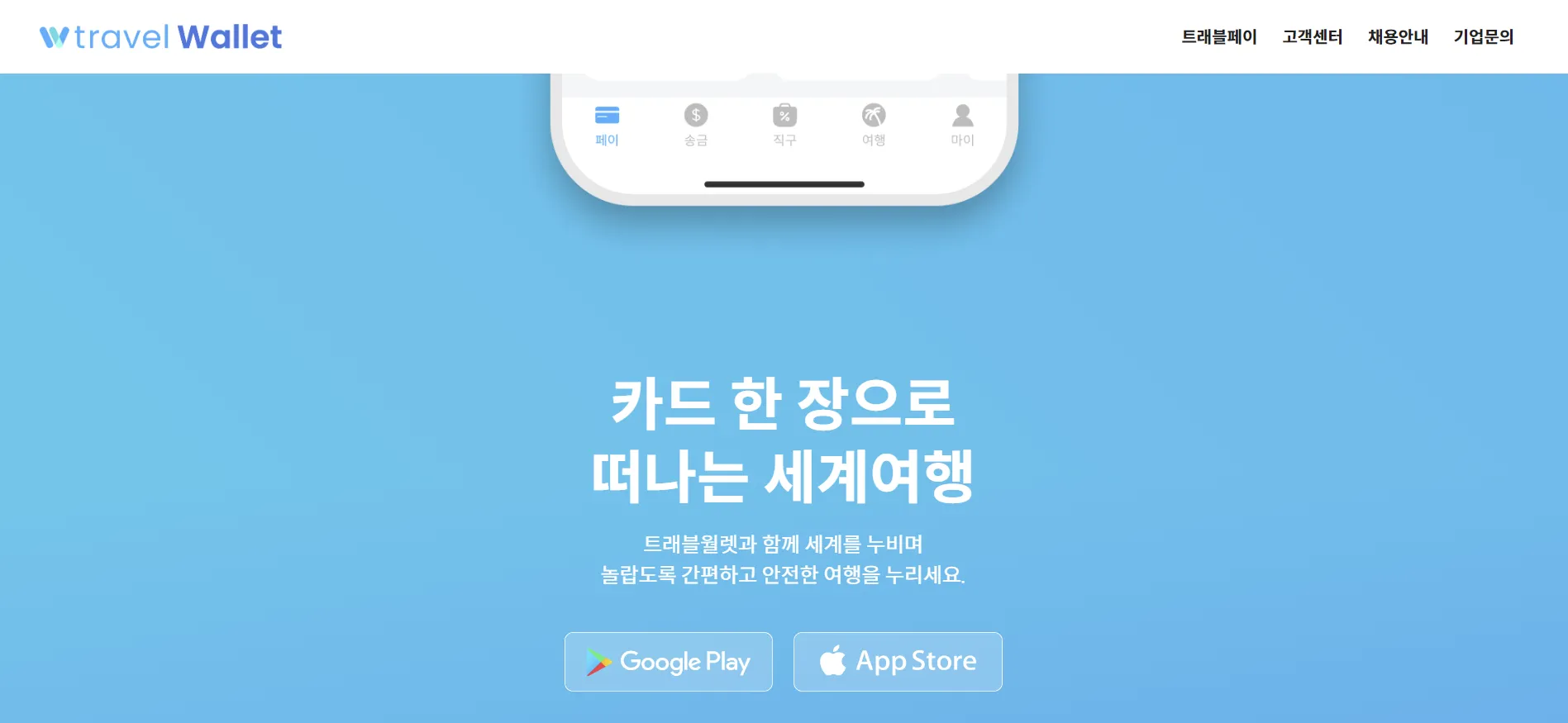
In preparing for a trip, currency exchange has never been optional. Even back in the days when travelers used not cash but traveler's checks, they still exchanged money. In 2023, when travel became part of everyday life again after the pandemic, there was one service that travelers shared with a "you have to try this"—the "Travel Wallet" we introduce today.From the moment it first appeared on the market, Travel Wallet had deeply internalized ESG pillars. The way its service is designed does not stop at simply expanding financial convenience; it puts forward the idea that, through the financial service, users protect the environment, secure their personal information and security, and gain transparency of information.[Travel Pay, launched by Travel Wallet]Travel Wallet Seen Through an ESG LensOn the environmental side, Travel Wallet has a clear stance on environmental protection. To reduce the negative impact of travel on the environment, it cut down on paper-based currency-exchange processes and unnecessary waste of resources and concentrated its service in a mobile application. As a result, the printed materials that naturally come and go when exchanging money at a bank—receipts, vouchers, and the like—become unnecessary. And through its application channel it has also sent out messages encouraging the use of modes of transport that can reduce fossil-fuel use.On the social-responsibility side, to have a positive impact on the global tourism economy, it encouraged travelers to use a prepaid card that lets them contribute directly to the local economy. The prepaid card becomes a trustworthy means of payment for local merchants and service providers, and at the same time, in that a traveler's transactions are not bound solely to a card company, it results in greater financial inclusion. As a link connecting travel across borders, Travel Wallet lets users access the currencies and local services of many countries around the world through a single platform, helping them carry out financial transactions without linguistic or cultural barriers.On the governance side, Travel Wallet strives to practice transparency and overwhelming regulatory compliance. It lets users carry out detailed tracking and auditing of all financial activity conducted through the platform. Travel Wallet cards are easily accessible with no annual fee, all conditions from exchange fees to withdrawal limits are clearly disclosed, and it provides information on what impact users' choices will have in the global market. In this respect, it can be said that Travel Wallet prioritizes strengthening trust in the financial industry and providing an authentic experience to users around the world.Travel Wallet holds itself out as an innovative financial brand pioneering new horizons through a sustainable travel culture and sound ESG practice. Sharing these values makes travelers aware that their travel can be connected to larger social and environmental change beyond mere personal fulfillment. In the long run, the result can bring about positive change for destinations around the world and the people who live there.[Travel Wallet website main page]A Trip Around the World with a Single CardTravel is, for humanity, a challenge and an amusement, a rest and a lesson. We have come to recognize the negative impact that such travel has. Travel Wallet's service helps us understand a positive way of approaching problems such as the global environmental issues that the travel process generates—carbon emissions and resource depletion—the points where conflict with local communities arises, and the accessibility of the preparation process for going on a trip. Let us pay attention to the message of Travel Wallet, which presents a sustainable travel paradigm out of a sense of responsibility toward travelers and the Earth, beyond being an innovative financial tool.by Editor N

The Day We First Used a Credit CardIn the American novelist Edward Bellamy's novel "Looking Backward," a future in which money has vanished appears. Instead, a single card holding a year's wages is people's means of payment. The first appearance of the credit-card concept was the content of a novel depicting an unknown future. By 1949, this concept actually became reality. The American businessman Frank McNamara, drawing on an awkward experience of visiting a restaurant after leaving his wallet in a hotel room, devised a membership service that connected acquaintances with nearby restaurants so that one could pay with a single membership card without cash and settle the total amount at the end of the month. This was the start of "Diners Club," and the start of the credit-card service we are still using at this very moment. Later, bank-consortium-based Mastercard and Visa introduced a revolving function allowing repayment after consumption. Cashless consumer life became possible. We will explain how this story connects to ESG.Environmental Challenges and Mastercard's Response[Targets for carbon neutrality by 2050 ©Mastercard]Mastercard shares its strategic moves for responding to the climate crisis. First, to prevent global warming, it sets targets in line with the Science Based Targets initiative (SBTi) and actively responds to climate change. It has also joined RE100, with a goal of cutting Scope 2 (indirect emissions) greenhouse-gas emissions by 38% from 2016 levels by 2025, and discloses its progress through its sustainability report. It seeks to use 100% renewable energy company-wide, and to realize this it contributes to promoting the use of renewable energy as it spreads worldwide.As a card company, it also responds to environmental problems related to single-use plastics. When producing Mastercard cards, it develops cards using materials grounded in sustainability—bio-materials, recycled plastics, ocean waste, and the like—instead of conventional PVC plastic. Through this, the amount of plastic consumed in card manufacturing can be dramatically reduced.These moves also include planting 100 million trees by establishing an organization called the "Priceless Planet Coalition." The organization primarily runs global campaigns to offset carbon emissions and enhance biodiversity. It carries out direct tree-planting activities for the environment, but what it places greater emphasis on is playing a role in bringing in customers, partners, and employees to induce broader community, interest, and action.Social Challenges and Mastercard's ResponseMastercard also has initiatives for resolving social inequality. It seeks to strengthen financial access worldwide and provide everyone with opportunities for inclusive growth; to this end, it expands digital payment systems that anyone can use easily through innovative technology and partnerships, and it develops inclusive-finance programs for communities with poor access to financial services. Along with these solutions, it runs education programs to improve individuals' financial skills, helping consumers better understand and manage their own economic circumstances. Such education raises the quality of individuals' financial decision-making and, in the long run, can promote economic independence and financial soundness.[A poster for the Social Innovation Incubator (SII), through which Mastercard, together with the women's organization Women Choice, creates employment opportunities for women across the Middle East and North Africa (MENA) ©Mastercard]In this context, Mastercard also operates social initiatives for small businesses and women-owned businesses. It provides specialized payment solutions so that small businesses harmed by the pandemic can smoothly join the digital economy, and it uses analytical tools such as big data to help businesses understand market trends and establish appropriate business strategies. To women entrepreneurs it provides financial services that improve access to capital and resources, while also offering various non-financial support such as business consulting, networking opportunities, and leadership education programs.With a declaration to bring 25 million women-owned businesses into the digital economy by 2025 as a goal of its ESG activities, it continuously invests resources toward the goal of the economic empowerment of women-owned businesses and works to bring about positive change.Governance Challenges and Mastercard's Response[A supply-chain code of conduct produced by Mastercard ©Mastercard]Mastercard seeks sustainable growth by building trust with both the inside and outside of the organization. Taking responsibility and transparency as core values, it has established comprehensive rules and a systematic management structure and applies ethical judgment criteria to all areas of its business. It also raised the transparency of corporate governance by forming an independent board of directors and expert committees, and through its "Business Ethics and Compliance program" it built a system of practice that applies not only legal compliance but also the company's values and principles. This program encourages all employees to observe various rules and standards through continuous education and strict internal management, and it also includes a reporting system that can handle violations swiftly and fairly. It has also introduced a compensation system that links performance and compliance indicators for employees at all levels. Through a reward system based on ESG indicators, it strengthened ethical choices and proved that fulfilling social responsibility is possible within the scope of business.On the basis of these initiatives, Mastercard strengthened its leading position in the ESG field, and this led to the desirable effect of increasing long-term investor returns and the company's social value.The Truly Precious Moments in Life That Money Cannot BuyMastercard's communication message is very famous. The message "Priceless" left a powerful impression on people's minds in that a company providing financial services proposes something money cannot buy. Known as a TV advertising campaign from 1997, this message says that, beyond the mere experience of using products and services made possible by using a card, we should create unique and unforgettable moments of life. Over time this message elevated Mastercard's presence to a value inseparable from people's lives, becoming a brand asset and identity connecting consumers and Mastercard. Now is the time to pay attention to the "Priceless" ESG moves that Mastercard will unveil.by Editor N
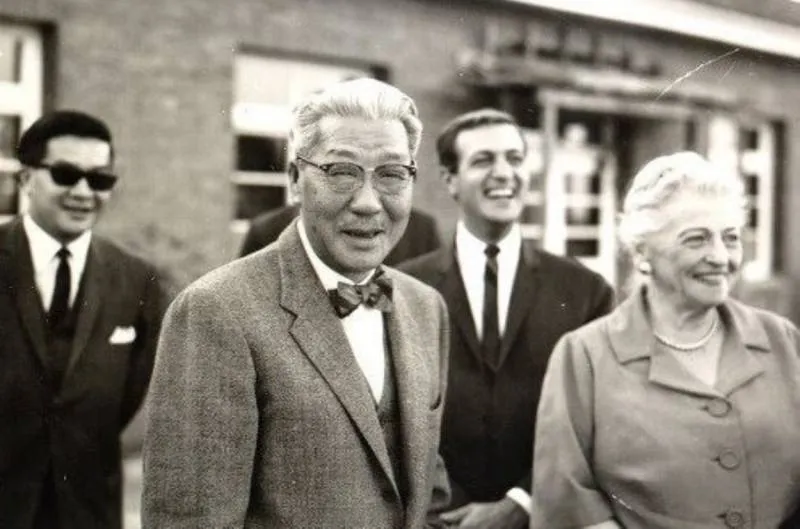
ESG management carried on from the founding spirit of Dr. Ilhan NewThe start of a sound corporate governance in which ownership and management are separatedThe year 1926, when Yuhan Corporation was established, was under Japanese colonial rule—a time when it was difficult even to grow a company, let alone imagine the kind of active ESG management activities of today. Yet, on the basis of the founding ideal to "make the best products and be of help to the nation and its people," it laid the cornerstone of social-contribution activities. Ahead of its 100th anniversary in 2026, Yuhan Corporation newly established a dedicated organization reporting directly to the CEO, the "ESG Management Office," in 2022 for more strategic ESG management. Not only does the CEO directly oversee ESG management, but the company also published its first sustainability report containing its management achievements to date, communicating with numerous stakeholders. As a result, it took first place as the "Most Respected Company by Koreans" for 20 consecutive years, and in 2022 it also received the Minister's Award for the bio- and healthcare sector at the "Korea ESG Company of the Year Awards" hosted by the Environmental Foundation.Yuhan's Sustainable Management 1. Human Health, a Better 100 Years[The joint declaration ceremony for the practice of ESG management, held at Yuhan Corporation's headquarters in Daebang-dong, Seoul, in April 2023 ©Yuhan Corporation]For Yuhan Corporation, ESG management is not a new management activity. From its establishment in 1926 to the present, it has found the reason a company must exist in advancing the interests of our society, and on the basis of the spirit of its founder, Dr. Ilhan New—that "a company's profits must be returned to the society that raised it"—it led the beginning of ESG management in Korea. Yuhan's social contribution takes place within a social-return system centered on ▲Yuhan Corporation ▲the Yuhan Foundation ▲the Yuhan School Foundation. This is a system unique to Yuhan, created when founder Dr. Ilhan New donated his entire fortune to the Yuhan Foundation and the Yuhan School Foundation in 1971: when the company's profits are delivered through dividends to the public-interest foundations that are its largest shareholders, they are used as funds for the foundations' purpose projects, such as social welfare and education. Through this structure, a certain portion of the profits Yuhan generates can be returned to our society, and it created the framework for strategically operating social-contribution activities that make the most of the nature of its business.Yuhan's social-contribution activities are also grounded in the active participation of its employees. The message "A Healthy Tomorrow, Yuhan Together," which reveals Yuhan's aspiration, was selected through an in-house CSR contest in March 2023. Talent-donation-based volunteer corps by employees are also active for the development of local communities. All expenses needed for volunteer-corps activities are borne by the company, and it promotes active employee participation by giving awards to outstanding volunteers each year. In addition, at year-end it converts employees' volunteer hours into monetary value and makes donations for local communities and patient support.[Results of Yuhan employee participation activities ©2022–2023 Yuhan Corporation Sustainability Report]Volunteer-corps activity is pursued as an important social-contribution activity to the extent that, when volunteer-corps activities were suspended due to COVID-19, employees voluntarily carried out volunteer work centered on non-face-to-face online education. And by communicating continuously with 48 local social-welfare institutions and NGOs, it actively seeks project evaluation and directions for development. The volunteer corps runs a variety of programs, such as the Happy Home Repair Volunteer Corps, which directly repairs homes or makes furniture for families with members who have disabilities, and the Beodeul Science Career Camp, which cultivates future talent for the bio-pharmaceutical industry among young people.Yuhan's Sustainable Management 2. Sound Corporate Governance[Yuhan Corporation's shareholder composition ©2022–2023 Yuhan Corporation Sustainability Report]Yuhan Corporation is counted as an exemplary company in the area of governance. Yuhan's largest shareholder is the public-interest corporation the Yuhan Foundation; as of the end of 2022, the public-interest corporation's stake in Yuhan was 38.2%. The biggest reason Yuhan was able to have this unique social-contribution system, with a public-interest corporation as its largest shareholder, is the result of founder Dr. Ilhan New donating all of his shareholdings to ▲the Yuhan Foundation ▲the Yuhan School Foundation ▲Yonsei University ▲the Health Scholarship Association before he passed away in 1971. Furthermore, to put into practice the founding spirit that a company belongs to society, it introduced a professional-management system in 1969 so that the founding family does not directly participate in company management, thereby preemptively blocking the arbitrariness of an owner. It had major management decisions determined through consultation between the board of directors and the management, encouraging rational and responsible management by professional managers, and it granted independence so that oversight of management could be carried out efficiently by composing more than a majority of the board with outside directors. The form in which dividends are paid to shareholders is also carried out through a board resolution and shareholders'-meeting approval, and over the past seven years it has conducted a 5% bonus issue each year. In addition, to enhance shareholder value, in February 2022 it newly signed a treasury-stock acquisition trust contract worth 20 billion won, and through continuous treasury-stock acquisition, Yuhan's treasury-stock holding ratio as of the end of 2022 reached about 8.5% (*on a treasury-stock basis).Yuhan Corporation also obtained certification for an anti-bribery management system (ISO 37001) in March 2018, because it prepared measures to control the company's potential corruption risks with the goal of spreading an anti-corruption culture and creating a sustainable management environment to root out corrupt practices company-wide. Beyond this, through the operation of internal consultative bodies, it continuously operates the YCPM (Yuhan Compliance Program Meeting)* and the Clinical Trial Review Committee to respond to compliance risks company-wide.*YCPM: an internal consultative body in which the heads of the sales, marketing, and compliance-management teams review and discuss compliance issues across sales activities as a whole, such as the Pharmaceutical Affairs Act, the Fair Trade Act, and the Fair Competition Code.** Clinical Trial Review Committee: an internal consultative body in which review members, including the head of the compliance-management team, review the academic purpose, research funding, appropriateness of the scope of drug support, and plans for using research results for individual clinical projects, in order to mitigate risks that may arise during clinical-trial support activities.Yuhan Corporation is preparing for certification of ISO 22301, a business-continuity management system. Aiming to obtain certification in the second half of 2023, it has formed a company-wide TFT to carry out the related work; in addition, to build a stable management foundation, it has established a company-wide risk-management organization and a risk-management framework by type, continuously monitoring potential risks and thereby establishing and managing response measures.ESG is not expressed merely in numbers. The non-financial, intangible value that Yuhan creates has kept it at the top in sales among traditional pharmaceutical companies and is becoming the driving force of a 100-year company. Its sustainability report may have started late, but the beginning of ESG management in Korea came faster for Yuhan than for anyone; we look forward to Yuhan's good influence being as sustainable as ESG itself.by Editor N
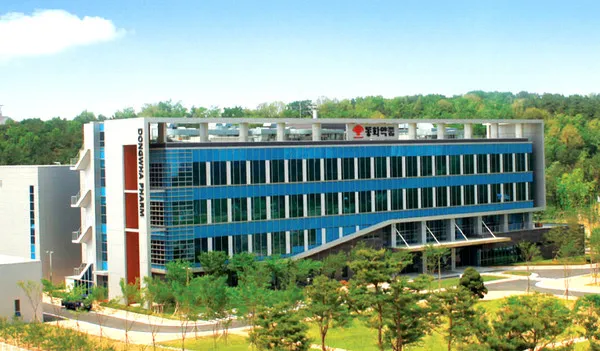
ESG within a management philosophy carried on for 127 yearsSocial-contribution activities that stir up a healthy wind in the worldDong Wha Pharm, familiar to us for "Whal Myung Su," is a company with neither a dedicated ESG-management department nor a sustainability report. Yet it publishes quarterly business reports every year and shares the value of sustainable management while communicating with numerous stakeholders. Dong Wha Pharm's contribution to our society cannot but draw particular attention: first, it has a record of producing three independence activists during the Japanese colonial period, including its first president, Min Kang. Within Dong Wha Yak Bang, Dong Wha Pharm's predecessor, it also has a history of sparing no devotion for the nation and its people—establishing the "Seoul Yeontongbu," a secret administrative agency connecting the country's interior and abroad, and using the sales proceeds of Whal Myung Su as funds for the independence movement.Dong Wha Pharm's Sustainable Management 1. ESG Hidden in Its Management PhilosophyDong Wha Pharm's current management philosophy is: "Do not make it unless it is good medicine. Dong Wha belongs to the whole Dong Wha family, and also to this nation, so lead it as a company where the entire family gives its all and everyone can live well together." Using this philosophy—carried on since the time of the fifth president, Bodang Yoon Chang-sik—as a foundation, in April 2008 the late Chairman Yoon Kwang-yeol and his wife, Madam Kim Sun-nyeo, established the nonprofit foundation the "Buchaepyo Gasong Foundation." This is Dong Wha Pharm's representative social-contribution activity; through the foundation, Dong Wha Pharm established the "Yoon Kwang-yeol Medical Prize," the "Yoon Kwang-yeol Pharmacy Prize," and the "Yoon Kwang-yeol Dental Medical Service Prize," carrying out projects to support medical and pharmaceutical academic research and to provide scholarships to talented university students facing economic hardship.[The 13th Yoon Kwang-yeol Medical Prize award ceremony ©Dong Wha Pharm Gasong Foundation]It also actively carries out environmental-management activities. Centered on its Chungju plant, it is implementing the introduction of clean fire extinguishers as fire-suppression agents, reductions in production-waste discharge, and reductions in energy and greenhouse-gas use. As a result, it obtained good indicators in ESG evaluation as well, including quality management (ISO 9001) and environmental management (ISO 14001) in 2017 and safety and health management (ISO 45001) in 2018.Dong Wha Pharm's Sustainable Management 2. Social Contribution for the Future[Poster for the 8th Summer Saengsaek Exhibition, 2023 ©Dong Wha Pharm]Dong Wha Pharm is also carrying out various social-contribution activities for cultivating talent in culture and the arts and for children, through the "Gasong Art Prize"—derived from its corporate logo, the "Buchaepyo" (folding-fan mark), and its company name, "Dong Wha"—as well as the "Summer Saengsaek Exhibition," the "Clear Wind Campaign," and the "Water That Saves Lives Campaign." The Gasong Art Prize was established in 2012 to newly define and support the meaning of traditional culture on the theme of the "jeopseon (folding fan)" and to cultivate talent in the visual-arts world. The jeopseon is one of Korea's traditional arts carried on since the Goryeo period, and Dong Wha Pharm unveils the Gasong Art Prize winning works each year through the Summer Saengsaek Exhibition.The Clear Wind Campaign is a social-contribution activity that carries Dong Wha Pharm's wish to stir up a healthy wind in the world. Just like Dong Wha Pharm's wound-treatment product "Fucidin"—as famous as Whal Myung Su—so that children can pursue their dreams without wounds to body and mind, it has sponsored the "Hong Myung-bo Children's Soccer Class" since 2010 to promote youth sports in Korea. In addition, drawing on the meaning of Whal Myung Su—"water that saves lives"—it is carrying out the "Water That Saves Lives" campaign, which delivers clean water to children around the world whose lives are threatened because they cannot receive safe drinking water; it raises the campaign's support funds using the sales proceeds of Whal Myung Su.Dong Wha Pharm's sustainable management may not stand out greatly compared with other companies. But Dong Wha Pharm has a rich 127-year history of devotion to a nation and its people. Let us keep an eye on the sustainable management activities of Dong Wha Pharm, which will continue its beautiful journey alongside society on the basis of the Dong Wha spirit that pursues a healthy and happy life.by Editor L

According to the 2023 Informatization Statistics Survey released by the Ministry of Science and ICT, about 28% of domestic businesses with 10 or more employees were using AI in 2023. This is an 11-fold increase in three years compared with 2020, when AI-using companies were a mere 2.5%. Among large companies, the AI-technology utilization rate reaches a full 36.4%. Riding that trend, this article introduces a conversation about "the future of ESG" that we had with ChatGPT-4, which opened the AI era and was included in "Nature's 10," the journal Nature's annual list of those who helped shape science in 2023.[The thumbnail for this article, drawn by the image-generating AI DALL·E — from DALL·E]L: Hi :) I'm Editor L, who writes articles at the ESG webzine "ESG.ONL." I'm in charge of tenacious, long-form, sustainable stories. Today I'd like to talk about ESG with ChatGPT-4—is that okay?GPT-4: Hello, Editor L! Of course! A Q&A about ESG with ChatGPT-4—how interesting. I'm also curious about how AI technology like GPT-4's capabilities can be applied to ESG communication. Go ahead and ask. I'll do my best to answer!L: The topic of this article is "the future of ESG." I want to explain to readers how ESG will change the perspective of companies and brands in an era of low growth. If ChatGPT-4 were to interview an expert on the theme of "the future of ESG," what questions would you want to ask?GPT-4: Based on the background you've given, if I were to conduct an expert interview on the theme of "the future of ESG," I could consider the following questions. These questions would help draw out an expert's in-depth insights and outlook on "the future of ESG."1. The importance of ESG in an era of low growth — Why is ESG important to corporate strategy in a low-growth economy?2. The relationship between ESG and financial performance — How can ESG initiatives affect a company's long-term financial performance?3. Changes in sustainability strategy — How are companies' sustainability strategies changing in response to the recent economic environment?4. Consumer perception and ESG — How is consumer perception of ESG changing, and how is this affecting brand strategy?5. The role of technology — How can the latest technologies, such as AI, contribute to companies achieving their ESG goals?6. Changes in the regulatory environment — How are governments' ESG-related regulations and policies affecting corporate strategy?7. ESG investment trends — How can ESG investment contribute to corporate growth and innovation?8. The importance of global cooperation — Why are international cooperation and partnerships important for solving ESG-related problems?9. Risk management — How can ESG-related risks be managed and mitigated?10. Future vision — What changes do you expect ESG to bring to corporate activity and industry over the next 10 years?L: Thank you. Of the 10 questions, I'd like to ask further about "No. 1, the importance of ESG in an era of low growth." As an era of low growth and high prices continues, there are voices from companies saying it's too hard to even consider ESG. What do you think?GPT-4: This is a very important matter. In a situation of slowing economic growth, companies come to focus on cost-cutting and improving efficiency, and in that process they may regard considering ESG factors as a burden. ESG must be viewed from a long-term perspective. Investing in ESG is an essential measure for a company's sustainability and long-term success. Environmental protection, social responsibility, and transparent governance become key factors in a company maintaining competitiveness in the market over the long term and managing risk. A strategy centered on ESG plays an important role in strengthening a company's brand value and reputation and in inducing long-term investment and customer loyalty. Therefore, in a low-growth era when consumers and investors move more cautiously, the value of a sustainable, ethical business model will shine all the brighter.L: Would it be okay to view a company's survival through these two distinctions—short-term survival and sustainable survival?GPT-4: Yes, that's right. Viewing the importance of ESG as a criterion that distinguishes short-term survival from sustainable survival is a very useful perspective. Comparing these two concepts helps us better understand the key factors a company must consider for long-term success.[Short-term survival] Mainly a method companies focus on to survive amid current economic challenges and crises. It includes cost-cutting, cash-flow management, and crisis-response mechanisms. Short-term survival emphasizes overcoming immediate problem situations and maintaining competitiveness in the present market.[Sustainable survival] Focuses on strategies that guarantee a company's growth and prosperity from a long-term perspective. It includes ESG factors such as environmental protection, social responsibility, and ethical governance. Sustainable survival emphasizes a company adapting to market changes over the long term, managing risk, and growing in a sustainable manner.It is very important for a company to find a balance between short-term survival and long-term goals. Pursuing only short-term survival strategies risks neglecting long-term sustainability or the company's social responsibility. On the other hand, a sustainable-survival strategy may involve greater costs and effort in overcoming short-term challenges, but it will contribute to building a stronger and more solid company over the long term.L: I largely agree. Then let me ask the next question. Do you know that ESG disclosure for Korea's large companies has been postponed from 2025 to 2026? What do you think caused it?GPT-4: As for the postponement of ESG disclosure for Korea's large companies, several causes can be cited for such a decision. The exact reasons may differ depending on the policy-making process of the government and relevant agencies, but looking at generally considerable factors, they are as follows. Of course, this is only speculation, and the actual background of the decision could be explained in more detail by the Korean government or relevant agencies.1. Insufficient preparation period: It may be postponed to allow companies enough time for the data collection, management-system building, and internal-process improvements needed for ESG disclosure.2. Clarifying regulatory standards and guidelines: More time may be needed to make the regulatory standards and guidelines related to ESG disclosure clearer and to help companies understand and comply with them.3. Consideration of economic conditions: A decision to postpone disclosure requirements may be made so as not to place an additional burden on companies amid economic uncertainty or challenges.4. Reflecting stakeholder opinions: More time may be needed to gather the opinions of companies, investors, and other stakeholders and to reflect their requirements.5. Harmonization with international standards: It may be postponed to adjust domestic regulations to align with global ESG standards and to provide an adaptation period for this.L: Right, there must be more complex circumstances. Then what impacts can ESG disclosure have on ordinary consumers? Could you talk about the positive and negative aspects?GPT-4: Let me explain the impact of ESG disclosure on consumers.[Positive aspects]1. Increased transparency: Through ESG disclosure, companies more transparently reveal their activities and performance regarding the environment, society, and governance. Consumers can make careful purchasing decisions based on more information.2. Building trust: Disclosing a company's efforts and performance on ESG leads consumers to trust that company more, and companies can raise customer loyalty over the long term.3. Inducing better corporate behavior: ESG disclosure leads companies to pay more attention to environmental protection, social responsibility, and transparent operation. This can result in providing consumers with more sustainable and ethical products and services.[Negative aspects]1. Information overload: If too much ESG information is provided, consumers may have difficulty properly understanding and processing it. It can also make the consumption or investment decision-making process more complex.2. The risk of inadequate disclosure: Some companies may perform ESG disclosure only as a formality or omit important information. In this case, there is a risk that consumers make consumption or investment decisions based on incorrect or insufficient information.3. Cost pass-through: The costs of strengthening and disclosing ESG-related activities may be reflected in the prices of products or services. Accordingly, consumers' economic burden may increase.In conclusion, ESG disclosure is an important means of strengthening transparency and corporate responsibility, but the information must be provided in a way consumers can understand and must be well managed over the long term.L: ESG may make companies operate more ethically, but it sounds like you're saying that, whether policy or information, judging with a sense of balance is ultimately the consumer's part. I'm also curious whether you think ESG is a short-term fad or a theme that will operate over the long term.GPT-4: I believe ESG is not a passing fad but is settling in as a long-term trend. There are several reasons.1. A change in social awareness: Over the past few years, worldwide awareness of environmental protection and social responsibility has changed greatly. More and more people are supporting sustainable, ethical business models. This change in awareness is strong grounds that ESG will be a long-term trend.2. Growing investor interest: Investors, especially large institutional investors, regard ESG factors as an important part of investment decisions. They tend to invest, for long-term returns, in companies that act sustainably and in a socially responsible way.3. Strengthening of regulation and policy: Worldwide, regulations and laws related to ESG are being strengthened. This regulatory environment is forcing companies to take ESG more seriously and include it in their long-term strategy.4. Risk management: Considering ESG factors becomes an important risk-management tool for companies. For example, managing environment-related risks or strengthening diversity and inclusion will be advantageous to a company over the long term.5. A company's competitive advantage: Companies that focus on ESG tend to experience better customer loyalty, brand-value perception, and employee satisfaction. These factors will strengthen a company's competitiveness over the long term.In this way, ESG is settling in not as a short-term fad but as a core element of corporate operation. As part of a worldwide movement toward a sustainable future, it will continue to grow in importance.L: Thank you for giving consistent answers from beginning to end. I'm about to wrap up the interview now—could you say one last word to the readers of ESG.ONL?GPT-4: A sustainable future depends on all of our choices and actions. ESG is not a mere trend but an essential path for our society, our environment, and future generations. Please recognize each of your roles and responsibilities and join in moving forward together toward sustainable development. Your small interest and effort can gather to create big change. The road of ESG is not easy, but I believe that if we all work together, we can create a better future.L: It's okay if I ask for another interview next time, right? After all, there are still 9 questions left that you gave me on "the future of ESG."GPT-4: I look forward to being able to have deep and useful conversations about the remaining questions on "the future of ESG" as well. Please contact me anytime. Thank you for conducting a good interview!—And so the interview with ChatGPT-4 about "the future of ESG" came to a close. ESG, which is still closer to its nascent stage. We may not be able to hastily predict the future, but one thing is clear: ESG is presenting a new guide for how we look at companies.by Editor L
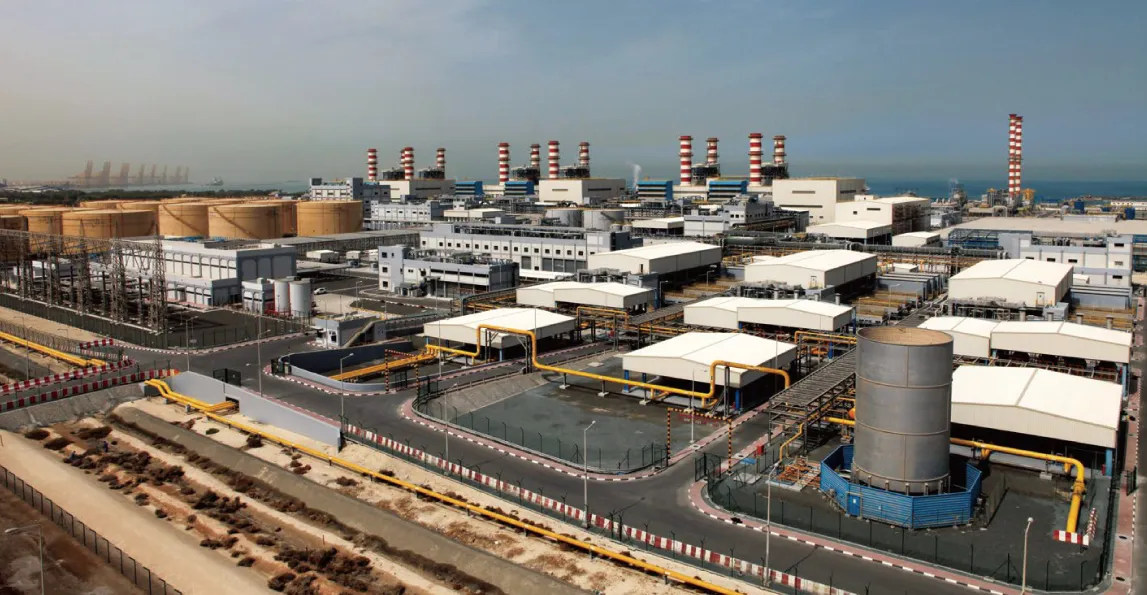
A fundamental transformation into an eco-friendly energy company that considers the future of the company and the future of the EarthAn eco-friendly, future-oriented vision drawn through investment in renewable energyDoosan Enerbility is the new name of Doosan Heavy Industries & Construction, a company familiar to us. Doosan Heavy Industries—which, with power-generation-equipment businesses such as coal-fired and nuclear power as its mainstay, had even been designated a company at high risk of becoming a stranded asset—began drawing attention as a key company positioned to contribute to carbon neutrality as it increased investment in the eco-friendly energy field. In 2020, keeping pace with government policy, it greatly strengthened investment in eco-friendly fields and received A+, the highest grade, in ESG evaluation. It was decisive that the Doosan Group pursued an active ESG management strategy centered on what is now Doosan Enerbility. Having published an integrated report—equivalent to a sustainability report—every July for more than 10 years since 2013 is also a reason Doosan Heavy Industries came to hold the title of ESG honor student.Doosan Enerbility's Sustainable Management 1. An Environmental Management System and Investment in an Eco-Friendly EcosystemDoosan Enerbility established the vision "Endeavoring toward a Sustainable & Green Future 2050"—sustainable growth through ceaseless effort and a transition to eco-friendly business—and set three management strategies to realize it. The gist is to place the value of environmental safety first in all business activities, to comply with environmental laws related to business activities, and to develop eco-friendly technologies and products for environmental conservation. In 2010, it obtained ISO 14001 certification, which evaluates environmental management systems, and it has since systematically managed the environmental performance of all business sites and all processes.[Doosan Enerbility's 2050 carbon-neutrality roadmap ©2023 Doosan Enerbility Integrated Report]In July 2023, Doosan Enerbility completed demand forecasting in Asia, Europe, and elsewhere and confirmed the issuance of a green bond(*) in the form of a three-year, 300-million-dollar Eurobond (Reg S). Beyond transforming its business portfolio toward eco-friendly business, it decided to lead full-fledged investment in eco-friendly business. Doosan Enerbility established a management framework for this green-bond issuance and also obtained certification from the global ESG certification body "S&P Global." It plans to use the funds secured through the green-bond issuance entirely in the eco-friendly energy field, such as renewable energy including wind power, and wind-turbine blade and waste-battery recycling. That Doosan Enerbility issued a green bond as an eco-friendly energy company is also the will of Chairman Park Gee-won. Chairman Park, starting as head of Doosan Heavy Industries' planning and coordination office in 2001, has been through the entire process from Doosan Heavy Industries to becoming Doosan Enerbility. Since taking office as chairman in 2016, he has emphasized the importance of the eco-friendly energy business and has led Doosan Enerbility's fundamental transformation by carrying out organizational restructuring and new-business initiatives to move away from the existing plant business toward a new energy-solutions business.*Green bond: also called a green bond (noksaek chaegwon), a bond issued to raise funds to invest in eco-friendly projects and related social infrastructure that contribute to environmental improvement.Doosan Enerbility's Sustainable Management 2. Transition to a Low-Carbon EconomyThe title of Doosan Enerbility's integrated report is "Energy Toward Sustainability." A particularly notable point in the 2023 report is that the disclosure scope for greenhouse-gas emissions information was expanded. Doosan Corporation has declared a 20% reduction in greenhouse gases by 2023 compared with 2018, and Net Zero (net greenhouse-gas emissions of 0) in 2050. Accordingly, it completed third-party verification not only of greenhouse gases generated directly and indirectly at business sites but also of other indirect emissions generated outside business sites, and disclosed the figures for the first time this year. As a result, direct and indirect emissions were found to be 79,733 tons, down 9,942 tons (12.5%) from the previous year.[Doosan Enerbility's R&D process ©2023 Doosan Enerbility Integrated Report]As a company engaged in the energy business, Doosan Enerbility recognizes that a "transition to a low-carbon economy" is important for securing sustainability. To this end, it has established and is carrying out a core strategy to accelerate its eco-friendly-portfolio transformation centered on four areas—renewable energy, gas turbines, hydrogen, next-generation nuclear power. Beyond responding to environment-related laws and regulations such as carbon border taxes and taxonomy, it is also striving to effectively reduce carbon emissions through improvements in business energy efficiency for actual low-carbon product manufacturing. Through GEMS (Green Energy Management System), it also carries out company-wide management, setting greenhouse-gas reduction targets for each business division in connection with the national greenhouse-gas emission-allowance quota and the company's carbon-neutrality goals, and monitoring greenhouse-gas emissions from energy use in real time each month.The Future of a Sustainable Energy IndustryRecently, Doosan Enerbility announced that it would establish a subsidiary specializing in battery recycling, "Doosan Recycle Solution," to build a commercial production facility, and it is also accelerating the expansion of renewable-energy businesses such as clean-hydrogen production through wind power. It has also developed battery-recycling technology. The technology Doosan Enerbility developed in-house to recover lithium from waste batteries holds great significance in that it is an eco-friendly processing technology that dramatically reduces greenhouse-gas generation and saves resources compared with the method of mining lithium from nature, such as mines.Doosan Enerbility expressed its will to secure sustainability by using the energy technology it holds to enrich human life and make the Earth cleaner. We look forward to the results that will appear in next year's integrated report, to be released in July.by Editor L

Bbegi, a bulky-waste disposal service accomplished with a single touchA resource-circulation journey that begins not with consumption but with throwing awayShopping, the Infinite Loop of Adding and SubtractingIn this world where the things to buy, the kinds of things to buy, and the ways to buy them are all diverse, shopping is a task that draws out desire to its extreme. Every day, through shopping, we confirm our own desires. The unrestrained maximalist runs into a limit at some point: storage space runs short. Now we even resolve that when we shop for one item, we will release one item at the same time.Bbegi, Solving the Trash Problem Through MobileNow let's begin the story of the startup "Gatda." Ko Jae-seong, the CEO who founded "Gatda," discovered—while handling new-business analysis and business planning at an IT company—that a surprisingly large number of people do not know how to throw away bulky waste. He also confirmed that, even among those who know how to dispose of waste, many people around him had had inconvenient experiences because the process differs by local government and the method is complicated. To solve this problem, CEO Ko fleshed out a service by grafting IT onto the process of throwing away bulky waste. And, on the hypothesis that if the process of buying a sticker at a community service center, setting the bulky waste down at a loading spot, and attaching the sticker could be made simple, the deficiency many people feel in the waste-disposal process would disappear, he founded the corporation "Gatda" in 2018. He then launched "Bbegi," a bulky-waste collection platform that produces a waste-disposal estimate with a single mobile touch and connects users with professional waste-collection companies.[Bbegi website main page ©Gatda]The Bulky-Waste Problem, Whose Disposal Process Differs by Local GovernmentAs of 2023, Korea's local governments nationwide number 226. According to a housing-conditions survey conducted by the Ministry of Land, Infrastructure and Transport in 2021, Koreans move an average of 3.6 times, meaning that over a lifetime Koreans must learn at least 3–4 ways of disposing of bulky waste. This is because the disposal process differs for every local government. Depending on the local government, the reporting method, the cost, and the cycle for bulky waste are all different. By handling on their behalf the complex application process and customer service managed by local governments, Bbegi created the effect of saving unnecessary time and reducing repetitive complaints. After starting service in Uijeongbu, Seongnam, and Goyang in May 2020, it now works with 71 local governments nationwide (as of November 2023), including Seoul and Gyeonggi. The number of users also approaches about 1 million."Connection" to Realize the Technology of Throwing Away WellThat is not the only difficulty in the bulky-waste disposal process. For various reasons, there are items that are too much to throw away alone. Capturing that deficiency, Bbegi launched the "Naeryeodeurim" (We'll Bring It Down) service, in which a verified Bbegi partner visits and throws the item away on the customer's behalf. If you enter the desired date and time through the Bbegi app, a Bbegi partner handles everything from disassembly to transport to disposal. At the initial service launch it was carried out through professional companies, but to create jobs for local youth and seniors, it recruited "Bbegi partners" within local governments. It later expanded to include participation by the general public, and Bbegi partners nationwide are continuously increasing. Safety is not neglected, either. For safe disposal, when signing up as a Bbegi partner, one undergoes three identity verifications (sex-crime record check, PASS, eKYC). Through the operation of Bbegi partners, users can throw away bulky waste more safely, conveniently, and at a reasonable cost, and a new kind of job—the Bbegi partner—was also created. Beyond this, through its app Bbegi is spreading better ways for people to throw things away, such as the "Bbegi Dictionary," an encyclopedia of correct sorting and disposal; "Free Secondhand Pickup," a novel free-sharing concept that turns into money; and "Secondhand Sale," which sells, by bid to Bbegi partners, appliances too good to throw away.[On the Bbegi app, you can select the items to throw away ©Gatda]The Loop of Circulation That Begins in the Process of Throwing AwayAs explained earlier, Korea's bulky-waste collection process is not standardized, and because it goes through local processing after disposal, data is said to hardly exist. When using the Bbegi service, at the time of a collection request in the app, you take a photo and generate the product's barcode to create a bulky-waste primary code. The code is then used to collect data by local government. Because of this, the exact number of disposals, the items, and the cost required for processing can be calculated. Local governments that work with Bbegi provide, on the basis of this data, a "carbon-emission reduction report" for their planning of waste-related policy. In addition, through agreements with maker brands—where consumption begins—that provide Bbegi points allowing users to throw away previously used products when purchasing a product, it is building a virtuous loop of consumption and release.[Bbegi taking part in an ESG conference ©Gatda]For a World Without TrashThis is the mission that Ko Jae-seong, the CEO of Gatda, which operates Bbegi, created when he founded the company. The roughly 20 people who agreed with that mission are processing the world's trash through the Bbegi service today as well. Not stopping at simply connecting waste, it is also preparing a carbon-trading platform that can measure, track, and sell an individual's carbon footprint through AI and object-recognition technology.Our Identity, Expressed Through Throwing AwayIn modern society, consumption is even said to represent an individual's identity itself. In addition to this, throwing away, too, will become a way of representing an individual's identity. "Gaining" and "releasing" are inevitably connected. That may be why Gatda is focusing on what is thrown away and the way it is thrown away. We hope more companies like "Gatda" will create ESG value in overlooked areas.by Editor L