Loading Data
Please wait a moment...
Update Cal.
2026.08
03
Mon
04
Tue
05
Wed
06
Thu
07
Fri
08
Sat
09
Sun
Update Calendar
2026.08
01
Sat
02
Sun
03
Mon
04
Tue
05
Wed
06
Thu
07
Fri
08
Sat
09
Sun
10
Mon
11
Tue
12
Wed
13
Thu
14
Fri

Loading Data
Please wait a moment...
Evening ESG news and briefings to wrap up your day.

The ‘Food Safety Day’ observed every year on May 14 was designated to raise awareness of food safety and promote a safety-conscious mindset among food industry workers. Established by the Ministry of Food and Drug Safety (MFDS) in 2002, it was elevated to a statutory commemorative day through a 2016 amendment to the Framework Act on Food Safety. Now, ten years after becoming a statutory day, the meaning of ‘food safety’ has transcended the realm of simple food hygiene management. On Food Safety Day, we contemplate not only the safety of food but also the agenda of a society where everyone can eat safely without any members being left behind. From an ESG perspective as well, food safety is understood as an issue demanding responsibility toward the socially vulnerable and an institutional safety net.Food Deserts That Still ExistNear Exit 6 of Seoul’s Yeongdeungpo Station, by the roadside, stands a soup kitchen called ‘Thomas’s House.’ Opened in 1993, this soup kitchen provides lunch at a price of 200 won each day to homeless individuals, elderly people living alone, and jjokbang (small single-room dwelling) residents in the surrounding community who have difficulty feeding themselves. Serving an average of over 300 people daily, it has held its place for more than 30 years through the efforts of volunteers and individual donors, without support from local governments or the national government. It is a symbolic place showing that blind spots in the food safety net still exist in our society. Socially vulnerable groups such as children, the elderly, and persons with disabilities find it difficult to secure balanced nutrition on their own, and in the absence of systematic societal management, they are easily exposed to nutritional imbalances. It is also a reality that members of environments where hiring a professional nutritionist is difficult — such as small childcare centers or welfare facilities for the disabled — can hardly be guaranteed adequate hygiene management or nutritional balance. For food safety to establish itself as a social responsibility, a cooperative operational system tightly connecting the government, public institutions, and local governments is necessary.Nutrition Management Supported by the Food Safety Management InstituteTo build a food safety net, the MFDS is responsible for overseeing food safety policies based on the Framework Act on Food Safety, while local governments are entrusted with establishing and operating Children’s and Social Welfare Meal Service Management Support Centers to provide locally tailored services.[Customized In-Depth Nutrition Management Special Project run by the Jincheon County Children’s and Social Welfare Meal Service Management Support Center in 2025 © Jincheon-gun, Chungcheongbuk-do]The MFDS, in cooperation with its affiliated institution the Food Safety Management Institute, has established a meal service support system for vulnerable groups. The Food Safety Management Institute supports the improvement of dietary safety for nutritionally vulnerable groups through two key programs. The first is the operation of the Children’s Meal Service Management Support Centers. At these centers, responsible nutritionists make direct visits to small childcare centers and child welfare facilities that are not required to employ a nutritionist, providing巡回 guidance on hygiene and nutritional status. The centers also develop customized educational materials for children, provide tailored menus and standardized recipes, and conduct dietary education for children, kitchen staff, and parents.The second key program is the operation of the Social Welfare Meal Service Management Support Centers, which began in 2023. These centers support customized hygiene and nutrition management for small-scale elderly and disabled welfare facilities that lack a nutritionist. Specifically, they design meal plans that account for the physical conditions and health status of elderly and disabled individuals requiring social care, and conduct hygiene inspections of cooking environments.A Safe Meal That Must Be Guaranteed for AllRecently, in addition to the on-site visit support approach for food safety, the MFDS also operates digitally-based management programs to enhance transparency. A representative example is the website ‘Food Safety Korea’ operated by the MFDS. On this website, consumers can access the food history information menu, enter a product name or company name, and view information on every stage from production to sale. Food Safety Korea also offers a safety management certification product verification service, serving as a window through which consumers can access food safety information.[Screen of the Food History Information Search menu on the Food Safety Korea website © Food Safety Korea]When the institutional efforts of public agencies including the MFDS meet the dedication of private organizations like Thomas’s House, the food safety net will become even tighter. A safe and balanced meal for sustaining life is a universal right that must be guaranteed to every member of society, and a sustainable society is one where all members can sit at a safe table equally. Food Safety Day is one small step in that direction. by Editor N

On April 14, the ‘ICGN Korea Conference 2026’ was held at the Korea Exchange Conference Hall in Yeouido, Seoul. While the key agenda items of the day were the performance of the Value-Up Program and an international comparison of Stewardship Codes, some speakers mentioned cybersecurity as a sustainability risk that boards of directors must address. The fact that the International Corporate Governance Network (ICGN), a global institutional investor network, placed cybersecurity within the official framework of a corporate governance conference carries significant implications.The Ripple Effects of Cybersecurity IssuesThe year 2025 marked a turning point in South Korea’s cybersecurity history. According to the Cybersecurity Threat Trends Report published by the Ministry of Science and ICT and the Korea Internet & Security Agency, the number of corporate personal information breach reports in South Korea reached 2,383 cases in 2025, a 26.3% increase from 2024. Among these were the personal data breach incidents at SK Telecom and Coupang that we all remember. First, the April 2025 SK Telecom personal data breach, in which subscriber information was leaked on a massive scale through a malware attack, was recorded as a representative case in which a telecommunications giant at the forefront of ESG disclosure exposed structural vulnerabilities in its core infrastructure security. With changes to the Personal Information Protection Act’s penalty criteria, sanctions of up to approximately KRW 500 billion were mentioned, and the financial ripple effects on the company were enormous.[Notice regarding the April 2025 SK Telecom personal data breach incident © SK Telecom]In November of the same year, 33.7 million account names, addresses, and order information were leaked en masse from Coupang, South Korea’s largest e-commerce platform company. Coupang became aware of the personal data breach 12 days after the initial incident occurred. The gap between the initially identified scale of 4,500 affected accounts and the actual scale of 33.7 million exposed a comprehensive void in the company’s internal control and monitoring systems. S&P Global downgraded Coupang’s ESG score immediately after the incident. Penalties of up to KRW 1.2 trillion were mentioned for Coupang, and the incident once again proved that cybersecurity failures are directly linked to ESG ratings and corporate value.The Global Response Through RegulationWhile breach incidents have surged in South Korea, global regulatory authorities are forging a trend toward legislating cybersecurity as a board responsibility agenda. The U.S. Securities and Exchange Commission (SEC), through a December 2025 amendment to its cybersecurity disclosure rules, designated material incidents as mandatory reporting subjects and codified the direct oversight responsibility of boards of directors. Based on this amendment, U.S. financial companies are under pressure to establish systems for customer data breach incidents and comply by June 3, 2026. Europe has been implementing the Digital Operational Resilience Act (DORA) since January 2025. Under this act, financial institutions within the EU must comply with requirements including reporting major security incidents and establishing digital operational resilience testing. The Organisation for Economic Co-operation and Development (OECD) also stipulated in its October 2025 report, <OECD Corporate Governance Factbook 2025>, that “boards should define the risk appetite for key risks, including sustainability and cybersecurity, and ensure management policies are in place.”[The Digital Operational Resilience Act (DORA), which entered into force on January 16, 2023, and has been formally applied since January 17, 2025 © ESMA Official Website]Cybersecurity: From an IT Team Task to a Board ResponsibilitySo why is cybersecurity now being mentioned as an ESG agenda, going beyond a board responsibility agenda? The online academic journal platform ScienceDirect estimated the global economic losses caused by cyberattacks in 2025 at approximately USD 10.5 trillion. In November 2025, Donnelley Financial Solutions, a U.S. investment research firm, stated in an official blog post that “investors are intensively scrutinizing corporate governance strengthening, cybersecurity oversight, and human capital as financially material ESG factors.”In South Korea, ESG disclosure will become mandatory from 2028 for KOSPI-listed companies with total assets of KRW 30 trillion or more. Moreover, Korean Sustainability Disclosure Standards compatible with the International Sustainability Standards Board (ISSB) standards are set to be applied in phases, starting with KOSPI-listed companies. Within this disclosure framework, cybersecurity is no longer merely a technical task for the IT team. As the SK Telecom personal data breach demonstrated, cybersecurity incidents are directly linked to corporate ESG reputation risk, declining investor confidence, and punitive fines. In this structure, a board’s failure to directly oversee cybersecurity is tantamount to a governance gap. The fact that cybersecurity was mentioned as one of the key agenda items at the ICGN Korea Conference 2026 serves as an advance warning that global capital will no longer be lenient toward companies that have failed to fill that gap. by Editor N

Companies issue sustainability reports spanning hundreds of pages each year. These reports organize environmental data under Global Reporting Initiative (GRI) standards and describe climate risks according to the International Sustainability Standards Board (ISSB) framework. As of 2025, 51% of the top 50 companies by market capitalization in South Korea applied the ISSB framework in preparing their sustainability reports, and from 2028, KOSPI-listed companies with total assets of KRW 30 trillion or more will be required to file sustainability reports. Viewed solely by the ratio of companies producing sustainability reports, South Korea’s ESG information disclosure system seems to have entered a mature stage.Are AI Systems Reading Sustainability Reports?However, the way investors and consumers review corporate sustainability has already changed. Corporate stakeholders no longer meticulously read 200-plus-page PDF attachments. They ask generative AI such as ChatGPT, Perplexity, Claude, or Google Gemini questions like “What is this company’s carbon reduction performance?” or “What is its supply chain human rights policy?” and make decisions based on the AI’s answers. The problem is that the sources AI uses to compose its answers are not necessarily the official sustainability report. AI synthesizes news articles scattered across the web, social media mentions, and third-party evaluation data to create a ‘summarized corporate image.’ No matter how thoroughly the content is detailed in a sustainability report, if it lies buried in a form that AI cannot read, the situation that emerges is no different from it not existing online at all.[Google AI Overview, where generative AI synthesizes answers from multiple web sources © Google]The strategy that has emerged to solve this problem is Generative Engine Optimization (GEO). Originally developed in the marketing field as a technique for optimizing information structures so that brand content is cited in AI answers, GEO differs from conventional Search Engine Optimization (SEO), which aimed at achieving high keyword-based search result rankings, in that it is designed to make AI trust and cite specific sources when generating answers. The key is ‘structures that AI can easily understand.’ Trustworthy sources, clear sentences, logically connected paragraphs, and fact-based descriptions with specified figures and sources all increase the likelihood of AI citation. Conversely, if descriptions are vague or data are scattered without structure, AI will skip that information.The Format of Sustainability Reports Determines Corporate ReputationApplying a GEO perspective to ESG information disclosure makes the problem of AI struggling to use sustainability reports as information sources even more apparent. The vast majority of sustainability reports are in PDF file format and consist of lengthy narrative text and images — a structure that makes it difficult for AI to collect and cite data in real time. Even if a company diligently discloses its Scope 1·2·3 emissions, if those figures are entered within table images that AI finds difficult to analyze, they will not be reflected in AI search results. If the climate target achievement roadmap lies buried in paragraph form in the middle of a 50-page report, AI will not recognize it as key information.As a result, AI ends up evaluating a company’s ESG level based not on its sustainability report, but on content reported by external media. Because of this, greenwashing controversies surrounding companies can easily spread, while companies that have actually achieved substantive results may be undervalued.[Corporate sustainability report published in PDF file format © Lotte Engineering & Construction Official Website]Leading companies are already responding to this change. Comprehensive shipping and logistics company HMM has publicly released a supply chain carbon calculator on a web-based platform, enabling external stakeholders to query and cite data in real time. Amazon discloses climate targets and partner company data in structured form through its ‘Sustainability Exchange’ platform. [HMM Supply Chain Carbon Calculator screen © HMM Official Website]In this way, a trend is forming in which companies are moving beyond the closed format of the sustainability report and transitioning their ESG information into open data structures that AI can read and cite. Now, as mandatory ESG disclosure expands, the question companies must answer is shifting from ‘what to disclose’ to ‘how to disclose.’ Reports that AI cannot read are reports that will no longer be read. by Editor N
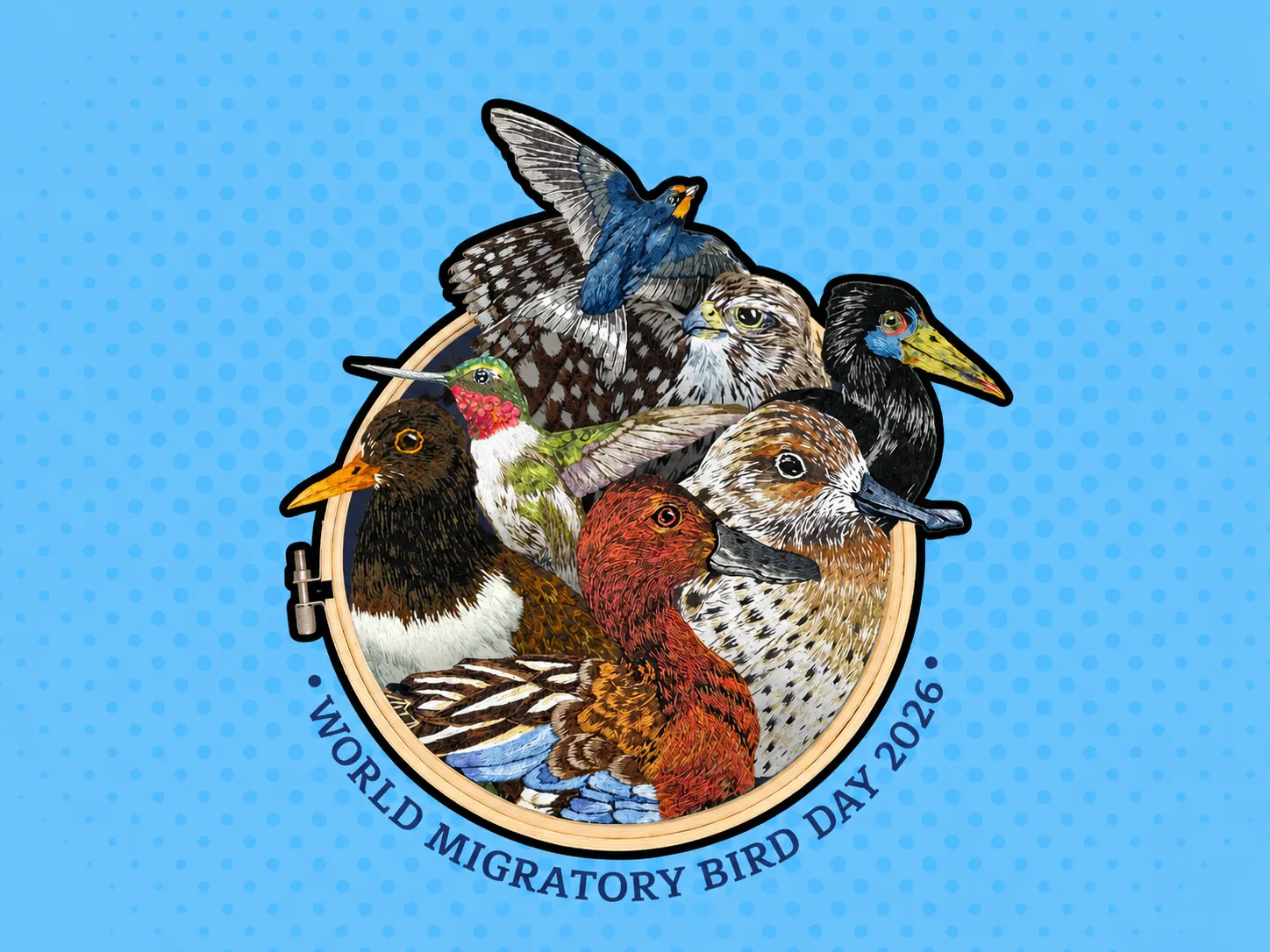
‘World Migratory Bird Day’ is a commemorative day observed on the second Saturday of May and October each year, established by an organization under the United Nations Environment Programme to protect migratory bird habitats and preserve their populations. Because migratory bird movements peak at different times in the Southern and Northern Hemispheres, Migratory Bird Day is celebrated twice a year. The significance of Migratory Bird Day lies in the fact that migratory birds are indicators of ecological connectivity, linking continents, seas, wetlands, and cities. This year’s World Migratory Bird Day has chosen ‘Every Bird Counts — Your Observations Matter!’ as its official theme, raising the questions of who will observe and record migratory birds and how that can be turned into a basis for their conservation.‘Citizen Science’ Emphasized on World Migratory Bird DaySince migratory birds cross borders and traverse continents, it is difficult to fully capture their changes through the surveys of a single researcher or institution alone. This is why World Migratory Bird Day emphasizes the importance of community science — the act of citizens observing and recording — in protecting migratory birds. A single birdwatching record left by someone observing birds at a stream today, or the birdsong recorded at a wetland, can, over the long term, serve as data for reading the migration routes of migratory birds.[2026 World Migratory Bird Day Poster © World Migratory Bird Day (migratorybird.org)]Moreover, 2026 marks the 60th anniversary of the International Waterbird Census (IWC), a long-term project surveying changes in global waterbird populations. Waterbird data accumulated over decades by scientists, nature volunteers, and local communities has become a crucial basis showing the state of wetlands and waterbirds. In this way, birdwatching events and migratory bird observation projects held around the world go beyond mere commemorative events, becoming part of an international monitoring system through data accumulation.Birdwatching: A Hobby That Accumulates Public DataBirdwatching, once considered an activity of a few bird enthusiasts, is spreading as a popular hobby with the combination of binoculars, bird identification apps, and online birding record tools. This change aligns with the background of why World Migratory Bird Day has put citizen science front and center this year. The more people observe birds, the more records accumulate, and the stronger the basis for migratory bird conservation becomes. In particular, the global participatory bird data platform ‘eBird’ accumulates citizen observation records and uses them for avian research and habitat management.[Far Eastern Curlew stopping over at Korean tidal flats during autumn migration © eBird Official Instagram ]Domestically, to foster this virtuous cycle, Suncheon Bay Wetland operates the ‘Suncheon Bay Birdwatching Program,’ where citizens observe birds together, and the Seoul Metropolitan Government has steadily operated birdwatching and walking programs for citizens at Namsan Mountain. Additionally, the Goyang Janghang Wetland offers observation decks for migratory bird watching and monthly educational programs. These initiatives by public institutions also demonstrate that more people are visiting wetlands and forests for the experience of observing and recording birds.Birdwatching Data Leading to Cooperation and DecisionsWorld Migratory Bird Day operates under a structure of international cooperation. The Convention on the Conservation of Migratory Species of Wild Animals (CMS), the Agreement on the Conservation of African-Eurasian Migratory Waterbirds (AEWA), the East Asian-Australasian Flyway Partnership (EAAFP), and the non-profit organization Environment for the Americas (EFTA) jointly support World Migratory Bird Day as a global campaign. As noted, migratory birds do not live solely within the borders of a single nation but connect multiple continents and seas as they travel between breeding sites, stopover sites, and wintering grounds. Since 2020, EAAFP has conducted projects in Incheon and Hwaseong in Korea, including the International Black-faced Spoonbill Forum, the Songdo-Ganghwa waterbird survey, and the Hwaseong Wetland ecological survey, linking local observation and education to international cooperation.[The Black Redstart, known as a representative summer migrant © eBird Official Instagram ]What matters is what comes next. The records left by citizens in the field and the data accumulated by cooperative bodies like the EAAFP must be followed by decisions on how they are used. Only when choices follow — such as when to reduce lighting to avoid harming bird migration, which wetlands to preserve, and where to adjust development — can the meaning of all these activities be preserved. It is at this point that the role of local governments and companies emerges. While citizen participation and cooperative bodies provide the starting point for conservation, reflecting that data in spatial management, site selection decisions, and local policy is the responsibility of government and business.In this way, when migratory bird migration route data accumulated through the observations of countless citizens leads to actual decisions by companies and governments, the original goal of migratory bird conservation can finally be achieved. Migratory bird conservation is, in the end, about leaving places for migratory birds to return to. World Migratory Bird Day reminds us that this role and responsibility can begin with all of our records and be completed through social decisions. by Editor N

Stella McCartney is a designer who has utilized vegan materials and recycling technologies for over 20 years. Her first collaboration collection with the fashion brand H&M in November 2005 sold out within minutes of its release. At the time, this collaboration drew attention simply for being a meeting between a world-class fashion designer and an SPA (Specialty Store Retailer of Private Label Apparel) brand, but it carried an even more significant meaning: it was a signal that vegan fashion pursuing sustainability could reach the masses. Twenty-one years after that first collaboration, on May 7, 2026, the two brands once again joined forces with the goal of presenting a collection that is sustainable and familiar to the public. All products in this collection by Stella McCartney and H&M were made using certified eco-friendly materials. [Printed cotton hoodie from the Stella McCartney x H&M collaboration collection © H&M Official Instagram]Connecting Vegan Philosophy and the MassesSince the founding of her brand in 2001, Stella McCartney has steadfastly adhered to a vegan philosophy, refusing to use not only leather, feathers, and fur but even animal-based adhesives. This collaboration collection with H&M likewise utilizes eco-friendly materials such as metal chains made from 100% recyclable aluminum, regenerated fibers from collected clothing, and organic cotton.Stella McCartney has previously showcased products using next-generation vegan materials such as Mylo mushroom leather and AppleSkin leather made from apple waste, but there was the downside that these products carried high price tags. In the summer of 2025, when Stella McCartney collaborated with the American biotech startup Hydefy, the handbags made from vegan textiles that the two brands introduced at the time reached prices in the millions of won. However, the products in this H&M collaboration are presented to the public at relatively accessible prices ranging from KRW 50,000 to 400,000.[Trench coat made from organic cotton from the Stella McCartney x H&M collaboration © H&M Official Website]A Virtuous Cycle Driven by Sustainable InfrastructureIn its 2025 Sustainability Report, H&M announced that 91% of the materials used in its products were either recycled or from sustainable sources. Among these, the share of recycled materials was 32%, exceeding the 2025 target of 30%. Greenhouse gas emissions were reduced by 41% in Scope 1·2 and by 34.6% in Scope 3 compared to 2019. The supply chain transformation goes further. The number of suppliers using coal-fired boilers decreased from 118 in 2022 to 27 in 2025, with the goal of completely phasing out coal boilers by 2026.H&M’s global supply chain and mass-production infrastructure play a decisive role in scaling up sustainable materials. For materials like the vegan leather and natural rubber leather used by Stella McCartney to be produced at a commercial scale, large-volume orders are necessary. When a global SPA brand like H&M adopts these materials, suppliers can expand production lines, and unit costs fall, making them accessible to more brands. At the time of the Stella McCartney and H&M collaboration in 2005, the materials used amounted to little more than organic cotton and recycled polyester. This year’s collaboration between the two brands has expanded the range to include coating materials derived from raw materials such as sugarcane and industrial corn, and even mushroom-based leather alternatives.Brand Value Expanding Alongside SustainabilityEven before the full launch of the Stella McCartney and H&M collection began, H&M released campaign photos and videos announcing the collaboration through its official website and social media. The campaign video centers on the key phrase ‘&Stella (Stella and You).’ The &Stella concept expands into meanings such as ‘&Here,’ ‘&Now,’ ‘&Me,’ and ‘&You,’ conveying values of care and connection that encompass the past, present, and future. Stella McCartney said, “This collaboration collection brings together the materials I use now with those I have long loved. It is playful, sparkly, joyful, and chic.” [Stella McCartney x H&M collaboration campaign image © H&M Official Instagram]This collaboration collection with H&M carries meaning not only in the pursuit of sustainability but also in how it looks toward Stella McCartney’s past and future. It is also important that vegan materials can now become the mainstream rather than merely an alternative in fashion, and that sustainability can become a choice for everyone, not just a select few. The meaning of the Stella McCartney and H&M collaboration collection, officially launched on May 7, will endure not in whether it sells out but in how many people get to experience sustainable fashion in their daily lives. by Editor N
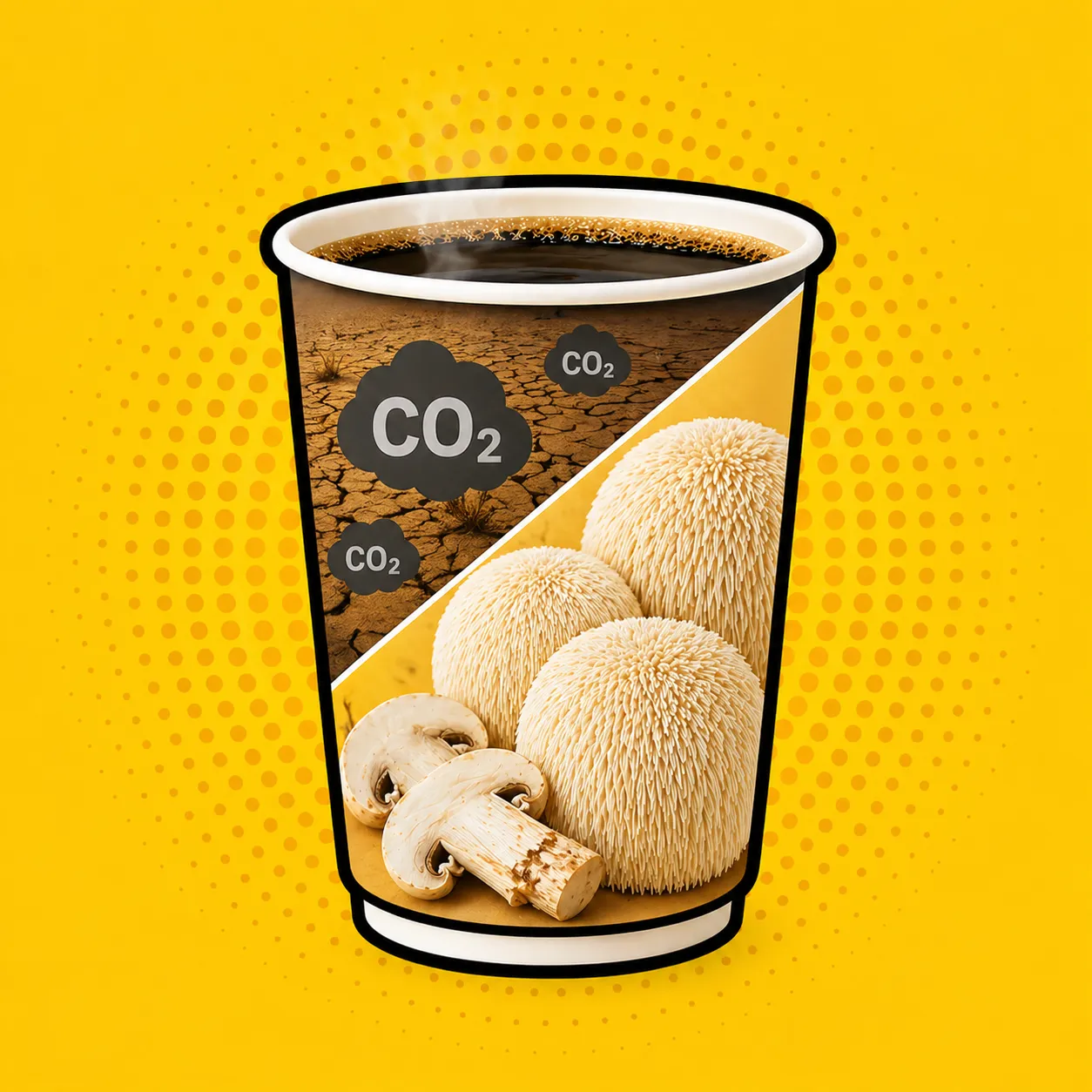
How big a footprint does a cup of coffee or a can of cola leave on the planet? As consumers begin to consider both health and the environment, a new beverage market that substitutes the core raw ingredients of coffee and cola is growing rapidly. Alternative coffee, sometimes called bean-free coffee, is drawing attention for going beyond a mere wellness trend to directly address the ESG challenge of supply chain carbon reduction.The Dawn of the Alternative Coffee EraAccording to World Coffee Research, a non-profit agricultural research and development organization, global coffee demand is projected to double by 2050, while the land suitable for growing coffee is expected to shrink to half its current level. Just as the world’s tropical rainforests are declining for the purpose of cultivating agricultural products including coffee, the coffee industry also bears responsibility for deforestation. [MushBean Coffee, combining coffee beans with Lion’s Mane mushroom © Dolsan Mushroom Farm]To reduce this environmental burden, the alternative coffee market is entering a maturation phase. Belgian food-tech startup Koppie has introduced an alternative coffee based on chickpeas, recording carbon emissions of just 1 kg CO₂eq per kilogram under Life Cycle Assessment (LCA) standards — a markedly lower figure compared to conventional coffee, which is at least double. The mushroom coffee market — where coffee beans are blended with extract powders from mushrooms such as chaga and reishi — is also expanding. The global mushroom coffee market is projected to grow to USD 4.12 billion by 2030, with an expected compound annual growth rate of 5.5% from 2023. Similar changes are being detected domestically as well. Korean coffee company Equitable has launched the carbon-reducing bean brand ‘Tomorrow’s Coffee.’ Consuming 1 kg of Tomorrow’s Coffee beans can reduce carbon by 16.6 kg. Healthy and Kind Drinks? The Beverage Industry Is ChangingVerification work on whether the environmental benefits of alternative ingredients are as substantive as the market claims is also intensifying. Compared to conventional coffee, alternative coffee involves no fermentation process, resulting in lower energy consumption and wastewater generation, and can reduce environmental burden through use of locally sourced ingredients and by-products. On the other hand, systematic Life Cycle Assessment (LCA) research on fermented beverages including kombucha has not yet been sufficiently conducted, and some point out that additional scientific review is needed to solidify their status as sustainable alternatives. [Olipop, promoting a healthy soda containing prebiotic ingredients © Olipop Official X Account]Beverage companies are also pursuing packaging innovation alongside ingredient conversion. Prebiotic soda brands such as Olipop and Poppi are penetrating the MZ generation’s demand for ‘conscious consumption’ with products that lower sugar content and add plant-based dietary fiber. Coca-Cola HBC, a production and distribution partner, uses 100% renewable energy across all its operations in Europe and Switzerland, and as of 2024, its renewable and clean energy usage rate reached 53%, earlier than its 2025 target of 50%.A Single Sip’s Choice Becomes Climate ActionThe alternative coffee and alternative beverage trend does not stop at mere diversification of taste. From tropical forest degradation stemming from coffee bean cultivation to water resource depletion and carbon emissions caused by sugarcane production — these two issues reveal the structural limitations of the global food and beverage supply chain. The chain in which consumer choices change the supply chain, and supply chain transformation leads to climate response, has already begun to form. An era is arriving in which ‘what you drink’ becomes a unit of ESG practice. by Editor N
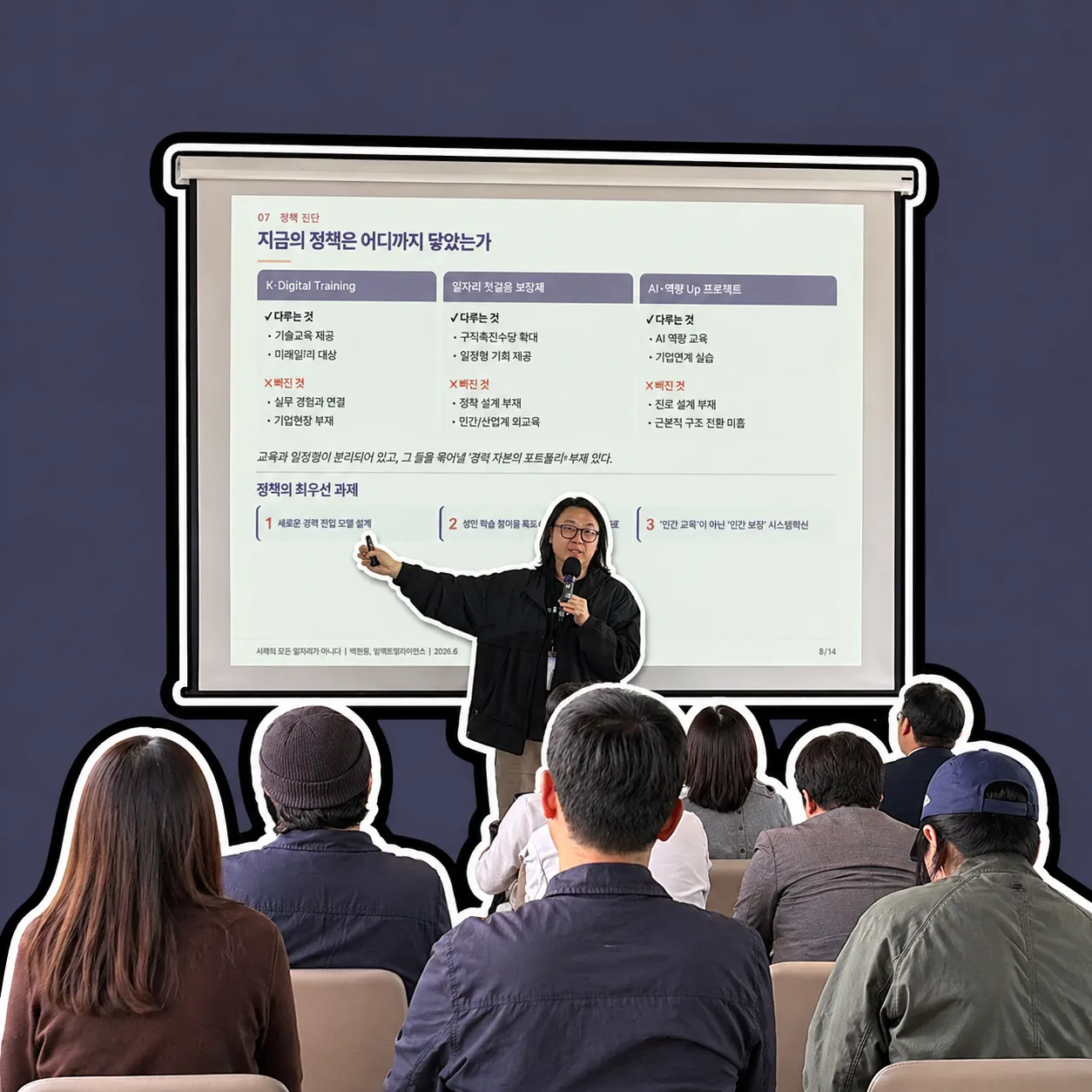
The discussion that AI Transformation (AX) replaces jobs is no longer unfamiliar. The ‘AI Basic Society Action Seminar,’ held on April 23 at Seongsu Heyground hosted by the Underdogs Impact Alliance, went a step further. At the seminar, the conversation centered on who is being left behind in this transition and whether the newly opening jobs are genuinely open to everyone.[Bank of Korea analysis data © Based on Bank of Korea data/ChatGPT]According to Bank of Korea analysis, from July 2022 to July 2025, youth jobs in their 20s and 30s decreased by 211,000, while jobs for those in their 50s increased by 209,000 during the same period. A striking 98.6% of the decline was concentrated in industries with high AI exposure. It was not that the total volume of jobs had vanished, but that a generational shift had occurred. In a Stanford University seminar this past January, Harvard Economics Department graduate students Hosseini and Reitinger presented the results of an analysis of resume data for 62 million workers across 620,000 U.S. companies. They found it significant that the jobs AI is replacing first are not low-difficulty ‘easy work’ but rather ‘junior work.’ Tasks considered junior work — such as standardized document editing, information retrieval, and entry-level coding — are not simply easy tasks. They are the process through which new hires first learn the organization, make mistakes, receive feedback from senior colleagues, and build their professional instincts. That process is quietly disappearing.What the AI Basic Society Asks[AI+ Skill Up Project ©Ministry of Employment and Labor Instagram]The ‘AI Basic Society’ promoted by the government is a vision of making AI a public infrastructure for all citizens, not just a tool for some experts. The Ministry of Employment and Labor plans to support the AI vocational skills development of one million people in the labor market over the next five years, and to invest a total of KRW 254 billion in 2026 to train approximately 240,000 AI personnel. This spans the entire life cycle, from jobseekers to current employees to career changers. At the seminar, shortcomings regarding this policy were aired. It was noted that while current policies reach the point of connecting education provision to work experience, what comes after is left to individuals. Programs are multiplying without a designed connection from internships — where career capital actually accumulates — to employment, and from employment to growth.[AI Works Curator Lee Hye-min speaking on ‘Inclusive AX Job Creation for Vulnerable Groups’ © ESG.ONL]Nevertheless, there are already parts that are working on the ground. AI Works is implementing a roadmap that transforms the job functions of workers with disabilities — who had mainly handled simple repetitive tasks — through the stages of AX education, intellectual property creation, and revenue model proliferation. It is an example of redefining the automation of repetitive tasks not as a threat but as a catalyst for transition. At regional youth startup sites, AI agents have begun to supply resources that previously did not exist. In environments with no developers, no designers, and no mentors, AI is taking over coding, marketing, and market research, and a change is emerging in which the execution capability gap between the capital region and local areas is narrowing.Models That Must Be Built on the GroundHowever, for such experiments to become the standard rather than the exception, the role of companies must change. The AI utilization rate stands at 49.2% for large enterprises versus 4.2% for SMEs — a twelvefold difference. Given that 89.1% of all workers in South Korea are employed by SMEs, this gap is effectively a gap in overall productivity. This is why it is critical for companies to open their AI infrastructure and training programs to SMEs and local communities.Social jobs in the AX era are not a substitute for low-value-added jobs. They are jobs that bridge the technology gap, maintain services in which human interaction is key, and support the transition of vulnerable groups. The OECD has analyzed that social economy organizations can serve as a ‘buffer zone’ for the employment of vulnerable groups during the AI transition. What must be designed now is not the total volume of jobs, but pathways through which people can grow. For the AI Basic Society to become a society for everyone, those pathways must not be open only to certain groups. by Editor N

The Green Transformation International Week (GX International Week) and Climate Change Week kicked off on April 20. At this event hosted by the Ministry of Climate, Energy and Environment, 16 institutions and organizations spanning government, public agencies, and private companies are introducing carbon neutrality practice cases and information at outdoor booths at the Yeosu Venezia Convention site. If you are planning to visit Yeosu during this special week, take note of the booths that ESG Today has highlighted.① Ministry of Climate, Energy and Environment — Promoting GX International Week and Climate Change Week Is Climate Action ItselfThe Ministry of Climate, Energy and Environment, which organized this event, is running an event in which souvenirs are given to those who share messages of support for GX International Week and Climate Change Week on social media. It is participatory promotion that naturally spreads the purpose of the event, conveying the message that climate action is not something far away.[Ministry of Climate, Energy and Environment booth at the venue entrance © ESG.ONL]② Presidential Commission on Carbon Neutrality and Green Growth — Figuring Out the Gains of Green Activities with ‘Green Pig Geudeuki’The Presidential Commission on Carbon Neutrality and Green Growth is operating an information booth where visitors can check everything from the commission’s organizational structure to its major activities at a glance. The Chairperson personally attended the GX International Week opening ceremony and emphasized the commission’s role. The booth is drawing visitors with an event giving away items featuring the character ‘Green Pig Geudeuki,’ which introduces the benefits that can be gained through green activities.[Event booth of the Presidential Commission on Carbon Neutrality and Green Growth © ESG.ONL]③ Korea Environmental Industry and Technology Institute — Even a Seal Knows Carbon Neutrality Points, Plus Double Earning TipsAt the booth of the Korea Environmental Industry and Technology Institute, where a cute seal character catches the eye, the Carbon Neutrality Point system is intensively introduced. It explains how to earn points and receive incentives through everyday green activities such as issuing electronic receipts, using reusable containers, and recycling, and also shares information about limited-time events for earning double points.[Korea Environmental Industry and Technology Institute seal character and event booth © ESG.ONL]④ Climate Solutions — Discovering the Truth of 1.5°C While Making Your Own SandwichThe most eye-catching booth is undoubtedly the Climate Solutions booth, decorated in a red bakery concept. Centered on the theme of global efforts to limit Earth’s temperature rise to within 1.5°C and the impacts of the climate crisis, it operates a hands-on activity in which participants complete a sandwich by connecting sandwich ingredient cards, each containing a piece of climate knowledge. The method of learning climate information by assembling it with one’s own hands is drawing the interest of participants.[Climate Solutions booth where participants learn about climate crisis information by choosing bread and ingredients © ESG.ONL]⑤ H&M — Fashion Asks About SustainabilityAt this event, H&M — the only fashion brand — conveys its sustainability message through an O/X quiz format participation event. From Earth Day-related general knowledge to the procurement methods of the materials H&M uses in its products, the brand unpacks its eco-friendly efforts through quizzes in a natural way. [H&M event booth drawing interest through a quiz game © ESG.ONL]⑥ Sudogwon Landfill Site Management Corporation — Feeling the Possibility of Regeneration Through Sock Toe OffcutsThe Sudogwon Landfill Site Management Corporation, which manages and processes waste discharged by 26 million citizens in the Seoul metropolitan area including Seoul, Gyeonggi, and Incheon, operates a hands-on activity of making pot holders from recycled sock toe offcuts. During the activity, guides explain the corporation’s role and the importance of resource circulation, helping participants to directly feel how meaningful the process of reducing and regenerating waste can be.[Sudogwon Landfill Site Management Corporation information booth offering sock toe offcut item making © ESG.ONL]The GX International Week promotion booths are open from 10 AM to 6 PM at the outdoor Yeosu Venezia Convention site until the 25th. While policy declarations and international forums take place inside the conference halls, the outdoor booths are functioning as a space where citizens pause their steps and experience climate action. These promotion booths, where government, public institutions, and private companies gather in one place to introduce climate action in their own ways, are a microcosm demonstrating that green transformation is not a task for any single entity. If you are curious about how small and large practices toward carbon neutrality are connected, do not miss this week. by Editor N