Loading Data
Please wait a moment...
Update Cal.
2026.08
03
Mon
04
Tue
05
Wed
06
Thu
07
Fri
08
Sat
09
Sun
Update Calendar
2026.08
01
Sat
02
Sun
03
Mon
04
Tue
05
Wed
06
Thu
07
Fri
08
Sat
09
Sun
10
Mon
11
Tue
12
Wed
13
Thu
14
Fri

Loading Data
Please wait a moment...
Evening ESG news and briefings to wrap up your day.
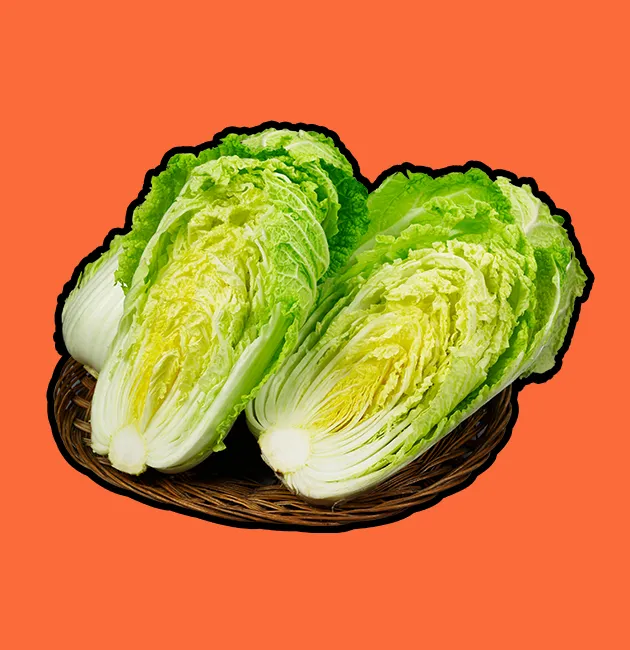
Cabbage prices surged this summer due to the heatwave and drought to the point of acquiring the nickname ‘gold cabbage.’ In mid-August, the price per head of cabbage exceeded KRW 7,000, and consumers, with the burden growing, could not help but worry about cabbage prices with the approaching kimchi-making season.Due to the drought and heatwave in August and frequent rain in September, cabbage shipments decreased to a certain level. In this situation, the government actively intervened in the market starting around Chuseok, securing an all-time high of 35,500 tons of available supply and releasing it to the market in phases to stabilize the kimchi-making season supply. Furthermore, it injected a budget of KRW 50 billion to support discount sales of cabbage. Through December 3, discount events were held at large and small/medium-sized marts on all kimchi ingredient items.[Kimchi-Making Season Cabbage Ⓟ News1]Stabilization of Cabbage Prices and Reduction of Kimchi-Making Costs Through Government ResponseThanks to the effect of these policies, cabbage prices dropped sharply in November. The retail price, which had been KRW 6,844 a month earlier, fell by half to KRW 3,392. The smooth supply of cabbage was also aided by the fact that the autumn cultivation area increased by 2.5% compared to the previous year.As a result, the cost of making kimchi for a family of four was approximately KRW 210,000, about KRW 12,000 lower than last year. As the prices of other kimchi ingredients such as radish, garlic, and onion also fell together, the burden on consumers was reduced.The Climate Crisis Continues, with Ripple Effects Reaching Other Crop CultivationWhile cabbage prices are showing stabilization thanks to government measures, crop cultivation continues to be hit by the climate crisis. Lettuce production decreased due to poor weather such as frequent rain in October, and although the government increased imports to prevent a sharp rise in lettuce prices, keeping them stable, the damage from this autumn’s rainy season was so extensive that the supply of lettuce in Hoengseong-gun, Gangwon-do, a major production area, can hardly be described as stable. [Lettuce Reference Photo Ⓟ gettyimages]Beyond lettuce, the phenomenon in which the prices of key raw materials such as tomatoes and oranges become unstable due to climate change is repeating. Had it not been for government intervention this time, the uncertainty in the supply of the vegetables and fruit we routinely eat would have been much more serious. If climate changes and sudden temperature fluctuations — different from before, like the snow that recently fell at heavy snow levels in a short span — occur again, the volatility of food ingredient prices could grow even greater.[Cabbage Field in Yeoryang-myeon, Jeongseon-gun, Gangwon-do Ⓟ Gangwon State Agricultural Research and Extension Services/Yonhap News]Time for Efforts Toward Crop Cultivation Amid the Climate CrisisMeanwhile, an increasing number of farms are converting from unstable highland cabbage to other crops such as apples and cabbages. Although various measures are being discussed, including the cultivation of heat-resistant cabbage varieties, customized cultivation strategies by variety, and Genome Editing (GEO) technology, these are likely to be stopgap measures in the end. Amid the annually intensifying abnormal weather, the real crisis we face is not the price of a single head of cabbage but the fact that the entire agricultural ecosystem is being shaken. The ‘gold cabbage’ controversy that repeats every kimchi-making season is not a simple seasonal issue but a warning sign showing how the climate crisis threatens our everyday lives. In the face of abnormal weather in which diverse anomalies occur regardless of the speed of our adaptation, urgent measures are needed. by Editor N

Mountain goats that have begun to be frequently sighted within our living radius in recent years. Mountain goats that should inhabit deep mountains came down to roadsides and around villages because they could not find food due to successive heavy snowfalls. As cases of them dying from exhaustion while wandering in the snow or starving after being trapped behind fences unable to escape followed one after another, the mountain goat became an example showing that the survival of wildlife is not easy within the human-made climate crisis.On the 2nd, the Ministry of Climate, Energy and Environment designated the mountain goat as the endangered wildlife species of November 2025. This is to raise awareness of the crisis facing the mountain goat — a herbivore representing the Korean Peninsula’s forest ecosystem and Natural Monument No. 217 — and to heighten alertness regarding its protection.[Mountain goat designated as the Endangered Wildlife Species of November Ⓟ National Institute of Ecology]A Life Form That Withstood Two Million Years Now Stands in CrisisDespite its name, the mountain goat is not a goat but a medium-sized mammal belonging to the bovid family, possessing a body structure specialized for rugged environments such as cliffs and rocky terrain. Both males and females have horns, and their deeply cloven hooves cling to rocks like professional climbing equipment, enabling them to scale steep terrain with agility. In particular, the mountain goat retains much of the appearance it had when it first appeared on Earth approximately two million years ago, thus earning the name ‘living fossil.’ Only four species exist worldwide today, and among them, one species inhabits South Korea, with most of the population concentrated in the mountainous regions of Gangwon-do and the Gyeongsang provinces. Originally, mountain goats were widely distributed across the entire Korean Peninsula. Their population declined sharply in the early 1900s due to industrialization, indiscriminate hunting, and forest degradation, and the mass die-off caused by heavy snow in 1964 accelerated the collapse of the mountain goat population. Accordingly, the mountain goat was designated as a Natural Monument in 1968 and began to be protected as a Grade 1 Endangered Wildlife Species in 1998, yet the mountain goat’s crisis remains ongoing.[Mountain goat walking along an ASF fence © Citizens’ Movement for National Park Protection]Life Crumbled Before Human-Made FencesIn recent years, the most serious factor threatening the survival of mountain goats has been ASF (African Swine Fever) barrier fences. Originally installed with the purpose of blocking the movement of wild boars to prevent disease spread, they were installed lengthily in the form of traversing mountainous terrain along major roads, leaving unexpected side effects for various wildlife including mountain goats, roe deer, martens, and Asiatic black bears. Mountain goats that came down the mountain in search of water and food lost their way upon encountering the fences, and some were structurally trapped in enclosed spaces, with repeated cases of exhaustion or starvation leading to death. Furthermore, the fences blocked genetic exchange between habitats, reducing the health of the population, and deprived them of spaces to evacuate to when climate disasters struck. For wildlife that must migrate seasonally in search of food, the fences did not act as mere ‘obstructions’ but as artificial boundaries that forcibly fragmented habitats and demolished survival strategies themselves.In fact, from November 2023 to May 2024, as many as 1,022 mountain goats died due to heavy snow and ASF barrier fences. Considering the domestic population of approximately 1,600 estimated by the Ministry of Climate, Energy and Environment, about 75% of the mountain goats disappeared. This mass die-off is not a mere natural phenomenon but an event that starkly demonstrates what kind of danger the combination of climate disasters and human-made structures can pose to wildlife.[Removal Roadmap © ASF Central Disaster Management Headquarters]The Government Begins to Move, Albeit LateFollowing the mass die-off, the government conducted a detailed investigation together with the Korea Environment Institute and the National Institute of Ecology to reexamine the effectiveness and ecological damage of the ASF fences. As the investigation concluded that the fences were causing structural obstacles to the survival of wildlife beyond their quarantine purposes, the government announced a full-scale fence removal roadmap.The ASF Central Disaster Management Headquarters finalized a wide-area fence management plan oriented toward maintaining quarantine effectiveness while reducing ecological impact. Wide-area fence management is broadly divided into removal and retention, with removal scheduled to proceed in three phases from January next year: ▲Phase 1 priority removal, ▲Phase 2 expanded removal, and ▲Phase 3 mid- to long-term removal review. Additionally, in preparation for heavy snow this winter, the Ministry of Climate, Energy and Environment decided to expand the partially opened sections of national parks — currently under a pilot project — before fence removal, to secure movement routes for wildlife.One Endangered Wildlife Species Highlighted Each Month: What Does It Mean?Biodiversity does not simply mean the number of plants and animals but signifies a ‘safety net’ responsible for the survival of all life on Earth, including humans. When biodiversity declines, nature’s carbon absorption capacity falls, accelerating climate change, and climate change in turn destroys the habitats of species — a vicious cycle repeats. [Mountain goat that came down seeking food due to heavy snow © Citizens’ Movement for National Park Protection]To raise awareness of this crisis, the Ministry of Climate, Energy and Environment selects and publicizes one endangered wildlife species each month. This means that as many species as we must pay attention to each month are in danger. From heatwaves and droughts to heavy snow and floods, and the mass death of mountain goats, the Earth has already sent warnings multiple times. The reason we must remember endangered species is not simply to mourn them. It is because we must act before the safety net of biodiversity and the balance of the Earth’s ecosystem collapse. Protecting the mountain goat is ultimately protecting ourselves, and will serve as the starting point for restoring the resilience of the entire Earth’s ecosystem. by Editor N

There are university students seeking to examine the ‘environmental problems of a new dimension’ that the current generation faces. The ‘Unbridled Advertising Group,’ a gathering of advertising club students from Korea University, Dongguk University, Sejong University, and Ewha Womans University, is holding an advertising festival under the theme of <Rebirth (甦生): Be Green> from November 14 to 16. Why did the approximately 100 students, gathered under the name of the Unbridled Advertising Group and active as aspiring advertisers and marketers, come to talk about the environment and rebirth? Let us hear their vivid stories as they prepare for the advertising festival. [<Rebirth (甦生): Be Green> held at Eulji Twin Tower from November 14 to 16 Ⓟ Unbridled Advertising Group]We are curious why you chose the keyword ‘Rebirth (甦生)’ as your theme. Among numerous environment-related keywords, why did you focus on ‘coming back to life’?// We thought ‘Rebirth (甦生),’ which means ‘coming back to life,’ conveys a message of hope and recovery for the environment through the word itself. Rather than simply shouting that we must protect the environment because the problems are severe, we wanted to convey a positive perspective that we fully believe in the possibility of living again even amid what we have already lost, and that we should act. Thus, Rebirth signifies not only the will to bring the environment back to life, but also our attitude of believing in the power of change even amid crisis, and our resolve toward a world in which all life and values breathe again.As university students today, what is your perspective on environmental issues? We are curious about what concerns were exchanged when discussing the theme.// We feel that interest in environmental problems and the environment has grown not just among ‘university students’ but across all generations. However, we think that a ‘contradiction’ still exists between the interest in the environment and students’ actions. As we produce advertising materials, waste such as paper and plastic is inevitably generated. But at an advertising festival themed around the environment, we felt a sense of awareness that it would be contradictory for us to harm the environment. So we held many discussions among members to operate in a direction that places as little burden on the environment as possible. For example, we directly contacted brands that use eco-friendly materials to request sponsorship, and we sought to reduce environmental pollution by minimizing printed materials and creating a system to collect pamphlets. These were attempts to make it not merely ‘an advertising festival that talks about the environment’ but ‘an advertising festival that practices it.’[<Rebirth (甦生): Be Green> Exhibition Site Ⓟ Unbridled Advertising Group]There are many advertising festivals dealing with environmental issues. If there is a differentiated perspective or message unique to the ‘Unbridled Advertising Group,’ what would it be?// We think the category of ‘environment’ is a fairly accessible concept, but precisely for that reason, we believe there are many stories that can be unpacked from it. The greatest differentiating point is that we did not view the concept of ‘environment’ solely through the lens of physical pollution. We did not stop at dealing with traditional environmental pollution issues such as waste, fine dust, and plastic, but addressed problems that have expanded into the realm of the ‘digital’ and ‘conscience’ — new forms of environment facing the current generation. Our Unbridled Advertising Group selected three themes within the broad category of environment — resources, digital, and the paradox in the name of eco-friendliness — to convey our message. Additionally, as mentioned earlier, in terms of DP and the like, if you also look at the exhibition hall — where minimal resources were used to create a feel that, while not grand, is clean and orderly — you will also experience a different kind of enjoyment.The three axes of ‘rebirth of resources, rebirth of digital consciousness, and rebirth of conscience’ are intriguing. // Through the three sections of this advertising festival, we sought to view environmental problems from a new dimension. Initially, we tried to structure the advertising festival around keywords that first come to mind when thinking of ‘environment,’ such as plastic, recycling, and waste sorting. But through repeated discussions, we came to think: what about awakening people to things they had unconsciously passed by and not been aware of? From that point, we came to realize that environmental problems are deeply hidden even within the things we use every day but take for granted (consumption, digital devices, our attitudes, etc.). In fact, we think it is not easy for people to reflect on their own unless someone awakens them. Therefore, the three themes — resources, digital consciousness, and conscience — lead to a flow that urges changes not only in the environment but in our perception and attitude toward the environment. The ‘Rebirth’ we speak of is not only the recovery of nature but also the process of our environmental consciousness awakening once more. As a university student advertising club dealing with ESG and environmental issues, what would you say are your strengths compared to companies or professionals?// We think our greatest strength as a university student advertising club is that we can present new perspectives based on diverse backgrounds and viewpoints. Our advertising festival is a project created together by approximately 100 university students from various departments across multiple schools, not just one. As a result, even when looking at topics like the environment or ESG, the perspectives rooted in different majors and experiences came together to reveal much broader and more multi-layered viewpoints. While companies and professionals generally approach issues with a focus on feasibility and marketability, we began from the free imagination and awareness of problems characteristic of university students. Starting from questions like “Is this truly sustainable?” and “What can we actually change?” we placed greater importance on the sincerity of the message and the meaning of practice than on realistic constraints. Ultimately, we believe our strength lies in ‘diverse attempts’ rather than ‘the right answer.’ Our strength seems to be the candid perspective of a generation looking at environmental issues and the potential to lead future changes.[A draft through which the experience provided by the Unbridled Advertising Group can be understood Ⓟ Unbridled Advertising Group]What kind of experience do you want to provide to the audience through holding the advertising festival?// In fact, the Unbridled Advertising Group has held its advertising festival in an ‘exhibition format’ every year, but this year’s festival was designed so that the viewing itself is an experience of the ‘process of rebirth,’ rather than a mere exhibition listing outcomes. As the audience walks through the exhibition hall, they follow a journey leading from ‘rebirth of resources → rebirth of digital consciousness → rebirth of conscience,’ and this circulation route is structured as a storytelling structure that allows one to directly feel how the environment and consciousness in which we live can come back to life. And this advertising festival is being held simultaneously with an online exhibition, where the descriptions of the works created by each team are explained in a PT board format in the form of ‘Because-Begin-Behave.’ And by enabling people to view the environment from a multifaceted angle and think about rebirth through the organic connection of the three sections, we sought to induce behavioral action from the audience.[‘Rebirth’ that can be experienced online Ⓟ Unbridled Advertising Group]Then, is there a specific behavioral change you expect from the audience through this advertising festival?// We hope it will be an advertising festival where novelty remains in memory and influences the audience’s lives. We think it would be a successful advertising festival if people experience information they were not aware of before through actual experience, and this impact later affects their daily lives. For example, there is much new knowledge to be gained, such as the dual nature of merchandise and Black Friday events, and the fact that the overuse of digital resources is also environmental pollution. How this is applied to daily life will differ from person to person, but if possible, we would like even small behavioral changes to occur, such as ‘stopping in one’s tracks before downloading a meaningless file.’ by Editor N

Every year when November approaches, the shelves of convenience stores and supermarkets are filled with Pepero gift sets. Pepero Day, which has established itself as a nationwide event since Korean media began covering it in earnest in 1996, is a commemorative day for both consumers and the retail industry. However, November 11 has a different original protagonist: ‘Farmers’ Day.’ Farmers’ Day was elevated and designated as a statutory commemorative day in 1996 to help the public recognize that agriculture is the foundation of the national economy and to encourage pride and self-esteem among farmers. Its origins are said to trace back to 1964, when the Wongseong-gun Federation of the Rural Improvement Club designated November 11 as Farmers’ Day and held the first commemorative event in Wonju City (then Wongseong-gun). Since the Chinese character 土 (to, meaning soil) can be separated into 十 (ten) and 一 (one), November 11 — where 11 overlaps twice — was chosen to embody the agricultural philosophy of ‘born of the soil, living alongside the soil as a companion, and ultimately returning to the soil.’ [President Kim Young-sam’s speech scene at the 1st Farmers’ Day Ⓟ Ministry of the Interior and Safety National Archives of Korea]The Counter to Pepero Day: The ‘Garaetteok Day’ Korean Agricultural Products MovementEven if Farmers’ Day has a longer history and tradition, what most people think of when November 11 arrives is probably Pepero Day. To overcome this, there were attempts to support Farmers’ Day. South Korea’s first-generation IT company AhnLab (formerly Ahn Cheol-soo Research Institute) launched a movement in 2003 to give and receive garaetteok (long cylinder-shaped rice cakes) instead of Pepero to commemorate Farmers’ Day. The purpose was to promote rice consumption at a time when the declining rice consumption of the younger generation was emerging as a social phenomenon. [AhnLab employees commemorating Garaetteok Day in 2010 Ⓟ AhnLab]When the Ministry of Agriculture, Food and Rural Affairs officially designated Garaetteok Day as a commemorative day in 2006 and expanded it into a government-level campaign for the consumption of Korean agricultural products, Garaetteok Day rose as a formidable counter to the mighty Pepero Day. On Garaetteok Day, held to commemorate Farmers’ Day, related agencies of the Ministry of Agriculture, Food and Rural Affairs and agriculture-related local governments run various campaigns targeting the younger generation each year. [National Institute of Crop Science Garaetteok Day Event Ⓟ NICS Instagram]The Reality of Declining Rice Consumption and Wheat Import DependenceThe need to promote rice consumption that Garaetteok Day emphasizes is no different from the early days of Garaetteok Day. For farmers, Garaetteok Day is not a mere campaign but something closer to an urgent reality. According to Statistics Korea, the annual per capita rice consumption in 2024 was 55.8 kg, less than half of the 120.5 kg consumed in 1994.While rice consumption has declined, wheat consumption has surged. Annual per capita wheat consumption is approximately 33 kg, about half that of rice, but South Korea’s wheat self-sufficiency rate is only around 1%. Over 99% of the 3.2 to 3.7 million tons of wheat consumed annually is dependent on imports. Over the past three years, the average domestic wheat import volume has reached 4.08 million tons. Major importing countries include Australia, the United States, Canada, Russia, and France.The government set a target of achieving a wheat self-sufficiency rate of 5% by 2025 and 10% by 2030 through the ‘1st Wheat Industry Development Basic Plan’ in 2020, but the target has been difficult to achieve to date. As consumption of wheat flour-based foods such as bread, ramen, and pasta has increased due to Westernized dietary habits, concerns are growing that food sovereignty is being threatened. As instability in the international grain market rises — such as the Russia-Ukraine war and India’s wheat export ban — the call for self-sufficiency in a minimum level of grain from the perspective of food security is also growing louder.The Future of Food Sovereignty to Recall When Making Consumption ChoicesIs November 11 Pepero Day or Garaetteok Day? It may be excessive to say we should participate in this competition and even think about wheat imports and food sovereignty. Yet the fact remains unchanged that the choice of traditional foods made from our rice is a matter that will determine food sovereignty and the future of agriculture. As the trends of meaning-out and value consumption spread, particularly centered on the MZ generation, interest in Korean agricultural products is rising. Evidence of this includes the increasing use of local food direct transaction platforms and the growing number of young consumers pursuing eco-friendly and sustainable consumption.How will we commemorate November 11? This year, in the realm of value consumption, let us think about the future that today will create.by Editor N

Just days ago, we were still in short sleeves, but now it has grown chilly enough to need a padded jacket. Where has autumn gone? After the long heatwave had passed, we were expecting a crisp October, but reality was different. A persistent autumn monsoon and a sudden cold wave swept across the nation, and the autumn sky that should have been clear hardly showed itself. At a time when the harvest season and the foliage season coincide, the repeated monsoon has inflicted considerable damage on farms and tourist sites. With the changing seasons becoming increasingly difficult to predict, what is the cause?The Reason the Monsoon Arrived in OctoberThis year, from September onward, the number of rainy days and precipitation nationwide far exceeded the average year. The national average number of rainy days in September was 15.1, about six days more than average, and precipitation also reached 228.8 mm, exceeding the average of 155.1 mm. October was even more severe. In Seoul, it rained continuously for 12 days from the 3rd to the 14th, when the Chuseok holiday began, and within less than a month, the total had already exceeded double the average monthly rainfall for October.[Seoul Greeted by the Long Autumn Monsoon Ⓟ Yonhap News]This abnormal precipitation pattern referred to as the ‘autumn monsoon’ is not appearing for the first time this year. Last year as well, the national average autumn precipitation was 415 mm, approximately 55% higher than the average of 266.1 mm. In this way, autumn precipitation has been steadily increasing in recent years.This year, in particular, in contrast to the unusually short summer monsoon, it has been an anomalous year in which autumn rain fell nationwide for an extended period. Normally, as autumn arrives, the North Pacific High over the southern seas weakens, and the interior of the continent gradually cools, producing clear and dry weather. However, according to the Korea Meteorological Administration’s analysis, this year, cold air descending from the north and warm water vapor from the south met to form a stationary front, and with the North Pacific High lingering longer than the average year, warm, humid air flowed into the Korean Peninsula. As a result, the very structure of the atmosphere was different from the average year, and this can be seen as the greatest cause of this autumn monsoon.Unyielding Rain Strikes Farms During the Harvest SeasonFarms sustained the greatest damage from this autumn monsoon. With news of rain continuing even as harvest time approached, farmers who should have been enjoying the joy of harvest were plunged into anxiety. Various crops including rice, fruit, and vegetables suffered disease damage, and as timely harvesting became difficult, some farms reached the point of having to plow under the fields they had carefully cultivated. In regions awaiting the rice harvest, rice growth was poor due to the prolonged rain, and the fungal disease narrow brown leaf spot spread. In particular, the Yeongdong region suffered the double hardship of having its fields and paddies flooded only about 20 days after having experienced extreme drought. Rice that had been unable to grow due to drought was again hit by rain, delaying harvesting work, and concerns grew over a decline in the quality of new rice, with phenomena such as pre-harvest sprouting appearing in rain-soaked rice. In the case of Samcheok City, as of the 16th, 61% of the total rice cultivation area was confirmed to be in an unharvested state.[Rice paddies in Samcheok collapsed from the autumn monsoon Ⓟ Samcheok City]Not only rice but other crops such as napa cabbage, apples, and potatoes also took a direct hit. Fruit sweetness declined due to reduced sunlight, and the fruit cracking phenomenon occurred from the absorption of more moisture than needed, causing a significant drop in marketability. For kimchi-making season cabbages, the risk of major pests and diseases such as soft rot and downy mildew increased. On top of this, with the addition of concerns about cold damage from the sudden temperature drop, the anxiety of farmers continues to grow.Rain Instead of Autumn Leaves: A Changed Autumn LandscapeThe rain clouds that passed through the brief autumn have even altered the familiar autumn landscape. Those visiting famous foliage spots can easily spot leaves that have not yet fully turned color. This is because the summer heat continued until mid-October, and cold weather set in before the leaves had fully changed, preventing the conditions for foliage formation from being adequately met. Furthermore, concerns are being raised that with frequent rain and high humidity during the delayed foliage period, the autumn leaves may not turn vivid colors or may fall prematurely.[Peak foliage period expected from late October to early November Ⓟ Farmers’ Newspaper]According to the ‘2025 Forest Autumn Foliage Prediction Map’ published by the Korea Forest Service, the peak foliage period this year is projected to be late October to early November depending on the region. This is up to seven days later than the average year, a result that is markedly delayed compared to the past. In other words, anomalous weather phenomena including the autumn monsoon are even rendering the foliage season uncertain.The Familiar Boundaries of the Seasons Are DisappearingAs soon as the autumn monsoon that lasted through the third week of October ended, a sudden cold air mass arrived starting last weekend. Winter has strode in before autumn could even properly begin. On October 20, the minimum temperature at Seoraksan Mountain dropped to -1.3°C, and roughly 1 cm of the season’s first snow accumulated in the high-altitude areas of Seoraksan. The order of the seasons became tangled, with snow falling before the leaves had even changed. Such abnormal seasonal disruptions will only become more frequent going forward. [First snow falling at the Socheong Shelter in Seoraksan National Park, October 20 Ⓟ Seoraksan National Park Office]This year’s unusually long autumn monsoon is a signal that the balance of the seasons is collapsing. ‘Autumn-like weather’ is no longer a given. Within the new environment created by climate change, now is the time for us to prepare realistic response strategies for living alongside the changing seasons.by Editor N

This Chuseok, with National Foundation Day and Hangeul Day falling back-to-back, we were able to enjoy a long holiday. What remains after the holiday spent with loved ones is not just the afterglow of rest. The packaging that wrapped the gifts we prepared to express our gratitude has piled up just as high as those heartfelt sentiments. The unnecessary gift packaging problem recurs year after year — is there no solution?Packaging Waste Delivered Alongside GiftsMost holiday gift sets are wrapped in multiple layers of wrapping cloth, plastic film, Styrofoam, ice packs, coated boxes, and other packaging materials designed to maintain product freshness and convey a premium feel. The problem is that these packaging materials each fall under different recycling classification criteria, and some materials are simply difficult to recycle at all. Fruit protective padding that looks like Styrofoam must be sorted as plastic film, while foil-decorated or coated paper is classified as general waste. [Packaging waste separation and disposal guide ⓒ Korea Environment Corporation]To reduce packaging waste generation and promote recycling, the Ministry of Environment has established product packaging rules under the Act on the Promotion of Saving and Recycling of Resources. These rules prohibit excessive packaging by, for example, limiting food and beverage products to no more than two layers of packaging. However, the regulations do not apply to unit products that repackage already individually packaged items or to products that consumers specifically request to be wrapped in more than two layers, leading to significant controversy over their effectiveness. In the lead-up to the Chuseok holiday, local governments have conducted inspections of offline stores and cracked down on excessive packaging. These efforts include imposing fines on products that violate packaging standards. However, Chuseok gift sets are also purchased online, and the same excessively packaged products distributed outside the jurisdiction of the inspecting local government cannot be fined, meaning such local government efforts yield only partial results. Additionally, this year's Chuseok gift sets also face the problem of excessive packaging costs, adding to the burden on consumers. According to the Korea Consumer Agency's "2025 Chuseok Gift Set Sales Price Survey," 36 out of 43 gift sets sold on manufacturers' own online malls were more expensive than purchasing the items individually. While buying in bundles is normally cheaper than buying individual products, the cost of gift packaging and other non-product elements consumed additional expenses. It is a situation that only adds burden to Chuseok, a time meant for sharing the year's bountiful harvest. Time for Comprehensive Regulatory Refinement and EnforcementTo reduce excessive packaging of agricultural products, which are especially heavily exchanged during holidays, the National Agricultural Products Quality Management Service introduced new standards this year. The revised agricultural product standard specifications announced last August include guidelines for eco-friendly packaging. The main points of the guidelines are: ① Packaging design — avoid excessive packaging and composite materials, use single materials that are easy to recycle, minimize the number of ink colors; ② Reduction — prevent redundant use of supplementary materials such as cushioning and fillers, unify and lightweight materials; ③ Reuse — recommend introducing reusable structures such as multi-use containers; ④ Recycling — use materials with high recycling accessibility, include separation and disposal labeling, and recommend the use of biodegradable tape. The amendment has drawn both praise as a necessary revision for sustainable eco-friendly agriculture and concern that the use of expensive eco-friendly packaging materials will drive up product costs. [Eco-friendly packaging guidelines for agricultural products ⓒ Ministry of Environment]However, according to a survey conducted by the Korea Consumer Agency this year, 86.7% of consumers are willing to purchase eco-friendly products, and 95% of them responded that they would choose eco-friendly products even if they were more expensive. Consumer awareness of eco-friendly products has already reached a high level. This means that price increases resulting from the introduction of eco-friendly packaging materials are unlikely to lead to a contraction in consumption. To continue welcoming the cool autumn Chuseok holidays in the years ahead, eco-friendly products must outnumber those that are not. It is time for products and regulations that keep pace with civic consciousness to be actively introduced, so that a concern for the environment can also be included among the gifts we give. by Editor N
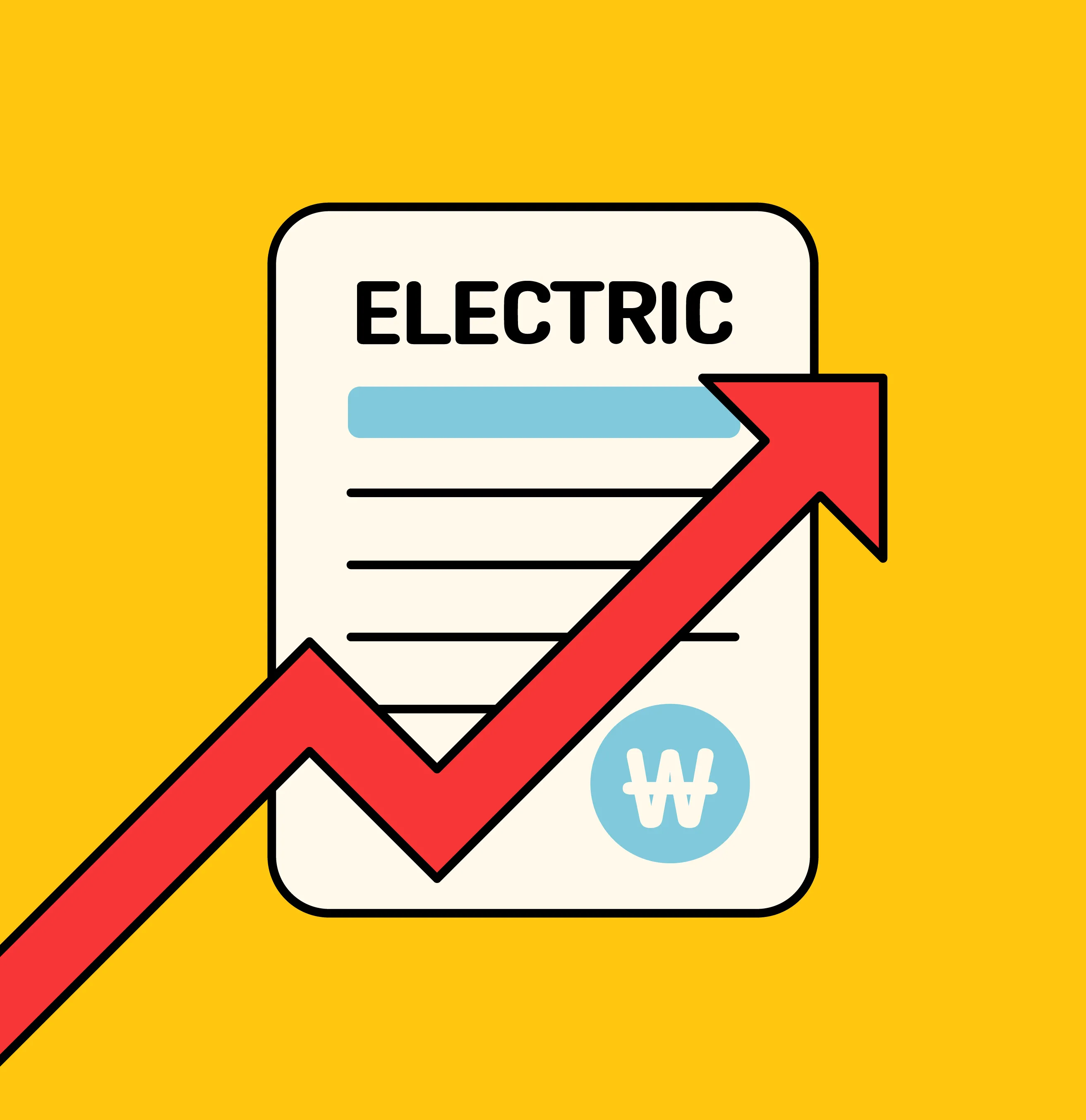
The content of the UN Framework Convention on Climate Change (UNFCCC), adopted at the 1992 UN Conference on Environment and Development (UNCED), was that developed and developing countries would reduce greenhouse gases according to "common but differentiated responsibilities." In effect, it is a promise to try to curb the rise in the Earth's temperature through greenhouse-gas reduction. The Paris Agreement, adopted at the 21st Conference of the Parties (COP) held in Paris in 2015, prescribes limiting the rise in the Earth's temperature to 1.5℃ above pre-industrial levels and, to this end, requires all countries to submit their post-2020 climate-change response plans to the UNFCCC every five years.Since submitting its first Nationally Determined Contribution (NDC) in 2015, Korea revised its NDC in 2020 and is ahead of its second NDC revision this year. At this point, when various reduction plans are being considered to achieve the 2050 carbon-neutrality goal, on August 14, at a senior-secretaries' meeting, President Lee Jae-myung hinted at an electricity-rate increase.Humanity, Already in Debt to the Earth[Overshoot ©GFN]Overshoot—that is, Earth Overshoot Day—is an indicator estimated by the international research organization the Global Footprint Network (GFN), converting into a date the point at which the ecological resources and environment that humanity consumes over a year exceed the Earth's regenerative capacity. This year's Earth Overshoot Day is July 24, and if converted using only the consumption of Korean citizens, that point is moved up to April 9. This means that, generously counted, more than three Earths would be needed to sustain Koreans' resource consumption.The Cost of Failing to Stop Climate Change—We Are Already Paying ItPresident Lee Jae-myung's remark on raising electricity rates immediately caused a great stir in public opinion. This is because, regardless of scale, electricity is an essential good that cannot be absent from everyone's daily life. Also, this is closer to the investment costs put into the renewable-energy transition process than an incentive to reduce electricity use itself. It means it is a cost that is absolutely necessary to reduce greenhouse gases and to keep the Earth's temperature from rising further.Even for such essential cost spending, people's nerves are on edge. But we are already paying the cost of the rise in the Earth's temperature caused by failing to sufficiently reduce greenhouse gases. According to a report by the multinational climate-change research organization World Weather Attribution (WWA), this spring's large wildfires that swept Korea were affected by the high temperatures of a long-term trend due to climate change. As high temperatures persisted, they dried out the soil and vegetation, and this doubled the likelihood of extreme wildfires occurring.[The enlargement of wildfires caused by high temperatures ©Getty Images Bank]According to the Korea Forest Service, wildfires occurring in Korea over the past 10 years averaged 545 per year, and large wildfires occur every year. In particular, the 2022 Uljin-Samcheok wildfire destroyed 16,302 ha of forest, and the scale of economic damage reached about 881.1 billion won. The damage from large wildfires occurring since 2020 is estimated at about 1.0727 trillion won.Large wildfires are not the only problem. According to what the Ministry of the Interior and Safety announced on the 17th of last month, the damage from concentrated heavy rain that occurred this year is 1.0848 trillion won, and more than 2.7 trillion won will be invested for recovery. The heavy rain is caused by the hot, humid stationary front covering the Korean Peninsula, and behind this cause is global warming. In addition, because the tree roots that hold the soil of mountainous terrain were lost due to the spring wildfires, the probability of a compound disaster—in which landslide risk increases—is also growing.The per-capita electricity consumption for 2023 presented by Statistics Korea is 10,637 kWh, and the average annual electricity bill per person, calculated by applying seasonal progressive rates, is about 3,106,820 won. People are on edge over electricity-rate increases, but the damage from wildfires over five years and this year's concentrated heavy rain each amount to about 345,000 people's worth of one year's electricity bill.The Climate Crisis, Into the Realm of Survival, Not MoralityNatural disasters caused by climate change also greatly affect daily life. R. Jisung Park, an environmental economist at the University of Pennsylvania's Wharton School, analyzes in figures the damage climate change inflicts on society in his book "The Price of 1 Degree" (original title Slow Burn) (Willbook, 2025). For instance, when temperatures of 32.2℃ or higher persisted for a week, the monthly rape-crime rate increased by more than 5%, and murder and violence rose by about 3%.Not only in cost but in the social and cultural realms, and even in the realm of survival, we are paying the cost of climate change. Do you still think we must protect the environment to prevent the extinction of polar bears and coral reefs? Climate change is real, and its consequences are revealing themselves in places we did not expect. If it is a cost that must ultimately be paid, it is a point that needs the wisdom of policy and civil society to choose when and in what way to pay it. by Editor N
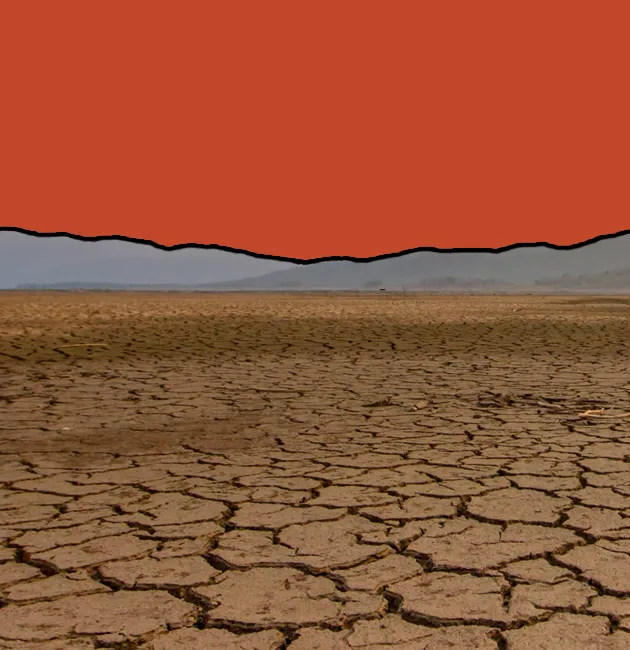
On August 31, 71 fire trucks dispatched in support from all over the country gathered at the Gangbuk Public Stadium in Gangneung. An unusual scene unfolded on a weekend morning. It was the day after the government declared a state of disaster for Gangneung, Gangwon, which is undergoing extreme drought. Even though the storage rate of Obong Reservoir, Gangneung's main water source, recorded 21%—the lowest since observations began—a situation with no clear precipitation forecast is continuing. Gangneung's cumulative rainfall as of August 10 was 394.1 mm, about half the average of 766.6 mm.[Fire trucks gathered in Gangneung from all over the country at the "disaster-zone declaration" ©Gangwon Special Self-Governing Province Fire Headquarters]Gangneung's Crisis, the Worst Drought in 48 YearsAt a "drought-response emergency measures press conference" on the morning of August 19, Gangneung Mayor Kim Hong-gyu announced an extraordinary water-restriction measure cutting the supply of household water by 50%. The explanation was that it was an unprecedented disaster situation in which the storage rate was expected to fall to the 10% range.This was a phenomenon entirely different from traditional drought. The general drought we think of is a natural disaster that progresses slowly over a long period. It occurs gradually over months to years, with a shortage of rainfall as its main cause. But this Gangneung drought is called "flash drought." "Flash drought," which appeared along with climate change, shows an aspect entirely different from existing drought.[The Gangneung City notice that entered water restriction (water-saving measures) due to extreme drought ©Gangneung City Hall]Why Flash Drought Now?Flash drought is a phenomenon in which abnormally dry weather spreads rapidly in a short period; unlike general drought, which occurs slowly over months due to a shortage of rainfall, it occurs as rapid moisture evaporation takes place within weeks. In particular, as the intensity and number of days of heat waves gradually increase, it is characterized by rapidly developing even without a large shortage of rainfall, because evaporation is high.In other words, unlike traditional drought caused by little rain, flash drought occurs as soil moisture is rapidly lost due to high temperatures and strong evaporation. The phenomenon of soil moisture rapidly evaporating due to high heat is the core, and this is in the blind spot of the existing drought-response system. The problem is that flash drought is hard to predict. Korea's drought forecast-and-warning system is basically centered on a monthly unit, and weekly forecasts are used unofficially and supplementarily. Because of this, cases arise where it fails to reflect flash drought, which develops rapidly in a short period.Another problem is that flash flooding can follow flash drought. Soil dried out by hot air becomes hardened, in a state where it is hard to absorb moisture. When a lot of rain suddenly falls on a drought-stricken area, the water cannot be absorbed, leading to flash flooding. One cannot but look back on the post-climate-change disasters, where drought occurs more severely and floods occur more suddenly.[The 2024 California wildfires ©Greenpeace]We Must Prepare for New Disasters of a New EraFlash drought is not a disaster ours alone. There is analysis by experts that the fundamental cause of the 2024 California and Hawaii wildfire damage, which shocked the world, was also flash drought. Now, a new definition of drought is needed that sufficiently considers not only rainfall but the effects of high temperatures and evaporation. Moving away from the past mindset that "if it rains, there is no worry of drought," an approach that considers the comprehensive moisture balance is needed.Flash drought is a new kind of disaster made by climate change. In the current situation where heat waves are becoming frequent, the risk of flash drought is projected to keep increasing. Most important will be recognizing flash drought as an independent disaster type and building a prediction-and-response system suited to it. With the acceleration of climate change, flash drought is no longer a story of a distant country. We too must have the awareness that the Maui Island catastrophe is not someone else's affair, and set out to prepare preemptive countermeasures. by Editor N