Loading Data
Please wait a moment...
Update Cal.
2026.08
03
Mon
04
Tue
05
Wed
06
Thu
07
Fri
08
Sat
09
Sun
Update Calendar
2026.08
01
Sat
02
Sun
03
Mon
04
Tue
05
Wed
06
Thu
07
Fri
08
Sat
09
Sun
10
Mon
11
Tue
12
Wed
13
Thu
14
Fri

Loading Data
Please wait a moment...
Evening ESG news and briefings to wrap up your day.
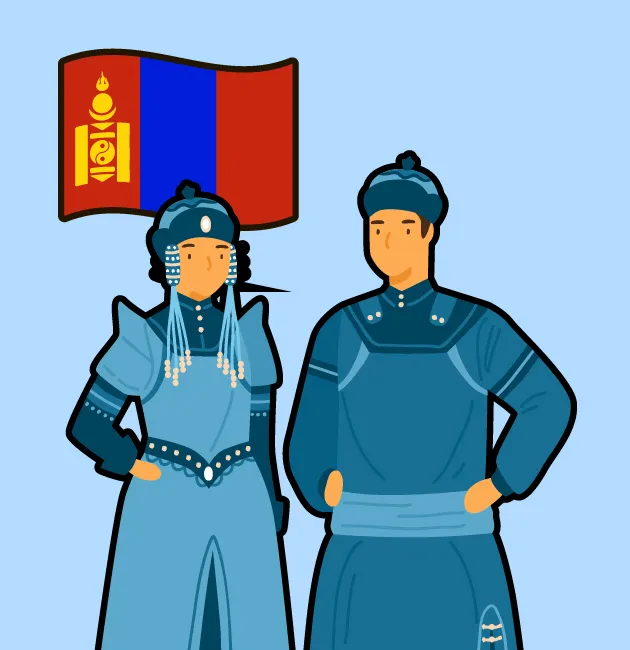
The Netflix variety show ‘Physical: Asia’ drew global attention. Riding on the popularity of the previous installment ‘Physical 100,’ the newly produced Physical: Asia entered the global Top 10 for three consecutive weeks after its first release on October 28, recording 2.5 million viewing hours from November 10 to 16. As a national competition in which eight countries — South Korea, Mongolia, Indonesia, Japan, Thailand, Turkey, the Philippines, and Australia — flew their flags, it drew great interest not only from the participating nations but from sports fans around the world.[Physical: Asia Mongolia Team Ⓟ Netflix]Team Mongolia, Elevated to National HeroesSouth Korea took the victory. However, there was a team that garnered as heated a response as Korea from this program: the Mongolia team. Centered around Erkhenbayar Bayarsaikhan, a champion of Mongolia’s traditional wrestling ‘Bukh,’ the Mongolia team captured the hearts of viewers with their humble and sincere attitude and outstanding strategy. Former Mongolian President Tsakhiagiin Elbegdorj came out to cheer them on, and the Mongolian media covered the team’s performance. Mongolian viewers sent enthusiastic support by posting proof shots of group viewings on large screens on social media, and after the program ended, the members of the Mongolia team were elevated to national heroes and were invited to commemorative events including Genghis Khan’s birthday. Chinbat Undram, Minister of Culture, Sports and Tourism, acknowledged it as a matter of national interest, calling Physical: Asia “a program I watch every week with my son” and stating that it “not only elevates Mongolia’s honor but will also be a great help to the tourism industry.”Mongolia, Close to Us: The Current ‘Strategic Partnership’Mongolia is a country linguistically and culturally close to us. There are children born with Mongolian spots, and we are similar in appearance to the extent of being difficult to distinguish. Since the establishment of diplomatic relations in 1990, bilateral relations developed into a ‘Comprehensive Partnership’ in 2011 and further to a ‘Strategic Partnership’ in 2021. The trade volume, which was USD 2.71 million at the time of establishing ties, showed a more than 200-fold increase to USD 570 million in 2024. Korean companies, noting Mongolia’s abundant mineral resources, entered the mining, wholesale and retail, and construction industries, and in Mongolia, approximately 50,000 Mongolian nationals migrated to South Korea in search of work. Among these, about 11,000 Mongolians are employed, working in manufacturing, agriculture, construction, and the like, forming one axis of the Korean economy.[Mongolia’s ‘Orgil’ Store Displaying Homeplus Private Brand Products Ⓟ Homeplus]The Mongolia team, who received the interest and affection of Koreans through Physical: Asia — yet the environment for Mongolians working in South Korea, especially workers, is marked by both light and shadow. As of 2024, approximately 2.6 million foreign nationals reside in South Korea, of which one million are employed workers. While not a small number, the labor conditions they face are often poor. Representative issues include wage arrears, low wages below the minimum wage, long working hours, and industrial accidents. Particularly regarding Mongolian workers, the issue of industrial accidents cannot go unmentioned. Tragic news stemming from poor environments — such as the fatal fall at a Seoul apartment construction site in April 2025 and the fatal fall at a Gangwon-do waste recycling company in November — continues without end. Housing conditions and health insurance are also problematic. Approximately 65% of employed workers reside in employer-provided accommodations, but 40% of these are illegal temporary structures or provisional lodging. Seventy percent of migrant workers in agriculture and fisheries live in illegal buildings and work under the daily threat of accidents. The health insurance enrollment rate is also only 60%, leaving weak preparation for emergency situations. [Foreign Workers Working in South Korea Ⓟ gettyimages]The perseverance and outstanding physical strength that we saw from the Mongolia team in Physical: Asia are virtues they also demonstrate at Korean labor sites. Yet while we enthusiastically applaud them in the program, are we not indifferent to, and at times prejudiced against, the problems of migrant workers we encounter in everyday life? If the cheers we sent to their impressive appearance in Physical: Asia expand into interest in Mongolian migrant workers, we will be able to coexist with them and create a better future. by Editor N

Cabbage prices surged this summer due to the heatwave and drought to the point of acquiring the nickname ‘gold cabbage.’ In mid-August, the price per head of cabbage exceeded KRW 7,000, and consumers, with the burden growing, could not help but worry about cabbage prices with the approaching kimchi-making season.Due to the drought and heatwave in August and frequent rain in September, cabbage shipments decreased to a certain level. In this situation, the government actively intervened in the market starting around Chuseok, securing an all-time high of 35,500 tons of available supply and releasing it to the market in phases to stabilize the kimchi-making season supply. Furthermore, it injected a budget of KRW 50 billion to support discount sales of cabbage. Through December 3, discount events were held at large and small/medium-sized marts on all kimchi ingredient items.[Kimchi-Making Season Cabbage Ⓟ News1]Stabilization of Cabbage Prices and Reduction of Kimchi-Making Costs Through Government ResponseThanks to the effect of these policies, cabbage prices dropped sharply in November. The retail price, which had been KRW 6,844 a month earlier, fell by half to KRW 3,392. The smooth supply of cabbage was also aided by the fact that the autumn cultivation area increased by 2.5% compared to the previous year.As a result, the cost of making kimchi for a family of four was approximately KRW 210,000, about KRW 12,000 lower than last year. As the prices of other kimchi ingredients such as radish, garlic, and onion also fell together, the burden on consumers was reduced.The Climate Crisis Continues, with Ripple Effects Reaching Other Crop CultivationWhile cabbage prices are showing stabilization thanks to government measures, crop cultivation continues to be hit by the climate crisis. Lettuce production decreased due to poor weather such as frequent rain in October, and although the government increased imports to prevent a sharp rise in lettuce prices, keeping them stable, the damage from this autumn’s rainy season was so extensive that the supply of lettuce in Hoengseong-gun, Gangwon-do, a major production area, can hardly be described as stable. [Lettuce Reference Photo Ⓟ gettyimages]Beyond lettuce, the phenomenon in which the prices of key raw materials such as tomatoes and oranges become unstable due to climate change is repeating. Had it not been for government intervention this time, the uncertainty in the supply of the vegetables and fruit we routinely eat would have been much more serious. If climate changes and sudden temperature fluctuations — different from before, like the snow that recently fell at heavy snow levels in a short span — occur again, the volatility of food ingredient prices could grow even greater.[Cabbage Field in Yeoryang-myeon, Jeongseon-gun, Gangwon-do Ⓟ Gangwon State Agricultural Research and Extension Services/Yonhap News]Time for Efforts Toward Crop Cultivation Amid the Climate CrisisMeanwhile, an increasing number of farms are converting from unstable highland cabbage to other crops such as apples and cabbages. Although various measures are being discussed, including the cultivation of heat-resistant cabbage varieties, customized cultivation strategies by variety, and Genome Editing (GEO) technology, these are likely to be stopgap measures in the end. Amid the annually intensifying abnormal weather, the real crisis we face is not the price of a single head of cabbage but the fact that the entire agricultural ecosystem is being shaken. The ‘gold cabbage’ controversy that repeats every kimchi-making season is not a simple seasonal issue but a warning sign showing how the climate crisis threatens our everyday lives. In the face of abnormal weather in which diverse anomalies occur regardless of the speed of our adaptation, urgent measures are needed. by Editor N

This autumn, numerous local festivals were held. The most talked-about local festival was surely the ‘Gimcheon Gimbap Festival.’ First launched in 2024, the Gimcheon Gimbap Festival achieved great success this year with 150,000 visitors. Restaurant sales rose 29% year-on-year, sales of agricultural and specialty products increased by 93%, and including the food, beverage, accommodation, transportation, experience, and souvenir spending by tourists beyond gimbap ingredients during the festival period, an economic ripple effect of over KRW 10 billion is estimated. Although successful local festivals like this are being held and the festival budgets of local governments nationwide have increased, the number of festival participants and the economic effects are not on an overall upward trend. Even so, can regions still pin their hopes on festivals? Of course they can. The reason is simple. Unlike the Seoul metropolitan area, for regions with limited industrial bases and resources, festivals serve as strategic opportunities that go beyond mere sights to see — strengthening local identity, connecting residents and tourists, and revitalizing the local economy. So how was the Gimcheon Gimbap Festival able to overtake numerous competing festivals at once to gain fame and profit? Let us examine the strategy.[Gimcheon Gimbap Festival Poster Ⓟ Gimcheon City]What Was Placed at the Center of the Festival Was the ‘Visitor Experience’The differentiating point of the Gimcheon Gimbap Festival is that it placed visitors at the center of the festival. It omitted the ceremonial opening ceremony and introduction of dignitaries that no local festival ever skipped and filled the festival with content that visitors could thoroughly enjoy. Having experienced the early exhaustion of gimbap supplies last year, it significantly expanded the number of gimbap suppliers from 8 to 32 this year. As a result, visitors were able to leisurely enjoy a wider variety of gimbap. The types of gimbap were also a fun element. It was arranged so that visitors could taste not only unique gimbap from across the eight provinces of Korea but also the winning entries of the festival’s gimbap contest on the spot.[The buzzworthy ‘Gimbap Factory’ space at the Gimcheon Gimbap Festival Ⓟ Gimcheon City]It also added visual attractions to the food. At the entrance, the manufacturing process of Daejeong Co., Ltd. in the Gimcheon Industrial Complex, which produces over 1,000 rolls of gimbap per hour, was revealed in an open kitchen format, instantly capturing people’s attention. At the experience booths, diverse programs themed around gimbap were operated, such as gimbap nail art, making 70 cm gimbap, and gimbap keyring crafting. The invited performances were also themed accordingly, with singer ‘Jadu’ evoking thoughts of gimbap and ‘Norazo’ with their triangular gimbap-shaped hair taking the stage, solidifying the festival’s identity while raising the atmosphere even higher. Amid the scene of people of all ages and genders naturally mingling and having fun, the festival organically combined a participatory structure, enjoyment, and local character to maximize the tourist experience.A Festival Created Together by Local Resources and IndustryThe starting point of the Gimcheon Gimbap Festival was surprisingly simple. When a survey conducted in a community in 2023 asked ‘What comes to mind when you think of Gimcheon?’ many responded with ‘Gimbap Cheonguk’ (Gimbap Heaven, a gimbap chain brand), and Gimcheon City connected this to local identity and the festival. A citizen’s lightly thrown response developed into a local brand strategy that reinterpreted regional identity. The city’s witty marketing drew the interest of many people.In this way, the Gimcheon Gimbap Festival naturally revitalized local resources and industry through the medium of ‘gimbap.’ It presented local gimbap that could only be tasted in Gimcheon and created a structure in which anyone from inside or outside the region could participate, as long as they did not deviate from the theme. Small merchants even appeared selling triangular gimbap-shaped hand knitting and gimbap-shaped meringue cookies, with the participation of local residents and small businesses organically combining.It is also worth noting that eco-friendliness was added to the festival operation, with the participation of local company EcoV Co., Ltd., which produces cargo electric bicycles. The electric bicycles carried gimbap around the event venue, increasing the efficiency of on-site programs, and after the event ended, they performed various roles such as waste collection and supporting movement routes. When local resources and industry came together, the festival produced a win-win outcome.[Electric bicycle seen at the Gimcheon Gimbap Festival Ⓟ Gyeongsangbuk-do]The Gimcheon Gimbap Festival demonstrates that local festivals can grow in an economically sustainable direction only when visitor-centered operation, the participation of local resources and industry, and eco-friendly methods mesh together. The task that local governments must now solve is clear: not simply to promote specialty products or repeat one-off events to secure subsidies, but to develop festivals into industrial and cultural platforms based on local resources. At the same time, the social value of festivals forming and connecting local communities must not be overlooked.Adding imagination and interpretation to the cultural and environmental resources that each region possesses — it is precisely at that point that the path forward for future local festivals will open. by Editor N

There are university students seeking to examine the ‘environmental problems of a new dimension’ that the current generation faces. The ‘Unbridled Advertising Group,’ a gathering of advertising club students from Korea University, Dongguk University, Sejong University, and Ewha Womans University, is holding an advertising festival under the theme of <Rebirth (甦生): Be Green> from November 14 to 16. Why did the approximately 100 students, gathered under the name of the Unbridled Advertising Group and active as aspiring advertisers and marketers, come to talk about the environment and rebirth? Let us hear their vivid stories as they prepare for the advertising festival. [<Rebirth (甦生): Be Green> held at Eulji Twin Tower from November 14 to 16 Ⓟ Unbridled Advertising Group]We are curious why you chose the keyword ‘Rebirth (甦生)’ as your theme. Among numerous environment-related keywords, why did you focus on ‘coming back to life’?// We thought ‘Rebirth (甦生),’ which means ‘coming back to life,’ conveys a message of hope and recovery for the environment through the word itself. Rather than simply shouting that we must protect the environment because the problems are severe, we wanted to convey a positive perspective that we fully believe in the possibility of living again even amid what we have already lost, and that we should act. Thus, Rebirth signifies not only the will to bring the environment back to life, but also our attitude of believing in the power of change even amid crisis, and our resolve toward a world in which all life and values breathe again.As university students today, what is your perspective on environmental issues? We are curious about what concerns were exchanged when discussing the theme.// We feel that interest in environmental problems and the environment has grown not just among ‘university students’ but across all generations. However, we think that a ‘contradiction’ still exists between the interest in the environment and students’ actions. As we produce advertising materials, waste such as paper and plastic is inevitably generated. But at an advertising festival themed around the environment, we felt a sense of awareness that it would be contradictory for us to harm the environment. So we held many discussions among members to operate in a direction that places as little burden on the environment as possible. For example, we directly contacted brands that use eco-friendly materials to request sponsorship, and we sought to reduce environmental pollution by minimizing printed materials and creating a system to collect pamphlets. These were attempts to make it not merely ‘an advertising festival that talks about the environment’ but ‘an advertising festival that practices it.’[<Rebirth (甦生): Be Green> Exhibition Site Ⓟ Unbridled Advertising Group]There are many advertising festivals dealing with environmental issues. If there is a differentiated perspective or message unique to the ‘Unbridled Advertising Group,’ what would it be?// We think the category of ‘environment’ is a fairly accessible concept, but precisely for that reason, we believe there are many stories that can be unpacked from it. The greatest differentiating point is that we did not view the concept of ‘environment’ solely through the lens of physical pollution. We did not stop at dealing with traditional environmental pollution issues such as waste, fine dust, and plastic, but addressed problems that have expanded into the realm of the ‘digital’ and ‘conscience’ — new forms of environment facing the current generation. Our Unbridled Advertising Group selected three themes within the broad category of environment — resources, digital, and the paradox in the name of eco-friendliness — to convey our message. Additionally, as mentioned earlier, in terms of DP and the like, if you also look at the exhibition hall — where minimal resources were used to create a feel that, while not grand, is clean and orderly — you will also experience a different kind of enjoyment.The three axes of ‘rebirth of resources, rebirth of digital consciousness, and rebirth of conscience’ are intriguing. // Through the three sections of this advertising festival, we sought to view environmental problems from a new dimension. Initially, we tried to structure the advertising festival around keywords that first come to mind when thinking of ‘environment,’ such as plastic, recycling, and waste sorting. But through repeated discussions, we came to think: what about awakening people to things they had unconsciously passed by and not been aware of? From that point, we came to realize that environmental problems are deeply hidden even within the things we use every day but take for granted (consumption, digital devices, our attitudes, etc.). In fact, we think it is not easy for people to reflect on their own unless someone awakens them. Therefore, the three themes — resources, digital consciousness, and conscience — lead to a flow that urges changes not only in the environment but in our perception and attitude toward the environment. The ‘Rebirth’ we speak of is not only the recovery of nature but also the process of our environmental consciousness awakening once more. As a university student advertising club dealing with ESG and environmental issues, what would you say are your strengths compared to companies or professionals?// We think our greatest strength as a university student advertising club is that we can present new perspectives based on diverse backgrounds and viewpoints. Our advertising festival is a project created together by approximately 100 university students from various departments across multiple schools, not just one. As a result, even when looking at topics like the environment or ESG, the perspectives rooted in different majors and experiences came together to reveal much broader and more multi-layered viewpoints. While companies and professionals generally approach issues with a focus on feasibility and marketability, we began from the free imagination and awareness of problems characteristic of university students. Starting from questions like “Is this truly sustainable?” and “What can we actually change?” we placed greater importance on the sincerity of the message and the meaning of practice than on realistic constraints. Ultimately, we believe our strength lies in ‘diverse attempts’ rather than ‘the right answer.’ Our strength seems to be the candid perspective of a generation looking at environmental issues and the potential to lead future changes.[A draft through which the experience provided by the Unbridled Advertising Group can be understood Ⓟ Unbridled Advertising Group]What kind of experience do you want to provide to the audience through holding the advertising festival?// In fact, the Unbridled Advertising Group has held its advertising festival in an ‘exhibition format’ every year, but this year’s festival was designed so that the viewing itself is an experience of the ‘process of rebirth,’ rather than a mere exhibition listing outcomes. As the audience walks through the exhibition hall, they follow a journey leading from ‘rebirth of resources → rebirth of digital consciousness → rebirth of conscience,’ and this circulation route is structured as a storytelling structure that allows one to directly feel how the environment and consciousness in which we live can come back to life. And this advertising festival is being held simultaneously with an online exhibition, where the descriptions of the works created by each team are explained in a PT board format in the form of ‘Because-Begin-Behave.’ And by enabling people to view the environment from a multifaceted angle and think about rebirth through the organic connection of the three sections, we sought to induce behavioral action from the audience.[‘Rebirth’ that can be experienced online Ⓟ Unbridled Advertising Group]Then, is there a specific behavioral change you expect from the audience through this advertising festival?// We hope it will be an advertising festival where novelty remains in memory and influences the audience’s lives. We think it would be a successful advertising festival if people experience information they were not aware of before through actual experience, and this impact later affects their daily lives. For example, there is much new knowledge to be gained, such as the dual nature of merchandise and Black Friday events, and the fact that the overuse of digital resources is also environmental pollution. How this is applied to daily life will differ from person to person, but if possible, we would like even small behavioral changes to occur, such as ‘stopping in one’s tracks before downloading a meaningless file.’ by Editor N

Every year when November approaches, the shelves of convenience stores and supermarkets are filled with Pepero gift sets. Pepero Day, which has established itself as a nationwide event since Korean media began covering it in earnest in 1996, is a commemorative day for both consumers and the retail industry. However, November 11 has a different original protagonist: ‘Farmers’ Day.’ Farmers’ Day was elevated and designated as a statutory commemorative day in 1996 to help the public recognize that agriculture is the foundation of the national economy and to encourage pride and self-esteem among farmers. Its origins are said to trace back to 1964, when the Wongseong-gun Federation of the Rural Improvement Club designated November 11 as Farmers’ Day and held the first commemorative event in Wonju City (then Wongseong-gun). Since the Chinese character 土 (to, meaning soil) can be separated into 十 (ten) and 一 (one), November 11 — where 11 overlaps twice — was chosen to embody the agricultural philosophy of ‘born of the soil, living alongside the soil as a companion, and ultimately returning to the soil.’ [President Kim Young-sam’s speech scene at the 1st Farmers’ Day Ⓟ Ministry of the Interior and Safety National Archives of Korea]The Counter to Pepero Day: The ‘Garaetteok Day’ Korean Agricultural Products MovementEven if Farmers’ Day has a longer history and tradition, what most people think of when November 11 arrives is probably Pepero Day. To overcome this, there were attempts to support Farmers’ Day. South Korea’s first-generation IT company AhnLab (formerly Ahn Cheol-soo Research Institute) launched a movement in 2003 to give and receive garaetteok (long cylinder-shaped rice cakes) instead of Pepero to commemorate Farmers’ Day. The purpose was to promote rice consumption at a time when the declining rice consumption of the younger generation was emerging as a social phenomenon. [AhnLab employees commemorating Garaetteok Day in 2010 Ⓟ AhnLab]When the Ministry of Agriculture, Food and Rural Affairs officially designated Garaetteok Day as a commemorative day in 2006 and expanded it into a government-level campaign for the consumption of Korean agricultural products, Garaetteok Day rose as a formidable counter to the mighty Pepero Day. On Garaetteok Day, held to commemorate Farmers’ Day, related agencies of the Ministry of Agriculture, Food and Rural Affairs and agriculture-related local governments run various campaigns targeting the younger generation each year. [National Institute of Crop Science Garaetteok Day Event Ⓟ NICS Instagram]The Reality of Declining Rice Consumption and Wheat Import DependenceThe need to promote rice consumption that Garaetteok Day emphasizes is no different from the early days of Garaetteok Day. For farmers, Garaetteok Day is not a mere campaign but something closer to an urgent reality. According to Statistics Korea, the annual per capita rice consumption in 2024 was 55.8 kg, less than half of the 120.5 kg consumed in 1994.While rice consumption has declined, wheat consumption has surged. Annual per capita wheat consumption is approximately 33 kg, about half that of rice, but South Korea’s wheat self-sufficiency rate is only around 1%. Over 99% of the 3.2 to 3.7 million tons of wheat consumed annually is dependent on imports. Over the past three years, the average domestic wheat import volume has reached 4.08 million tons. Major importing countries include Australia, the United States, Canada, Russia, and France.The government set a target of achieving a wheat self-sufficiency rate of 5% by 2025 and 10% by 2030 through the ‘1st Wheat Industry Development Basic Plan’ in 2020, but the target has been difficult to achieve to date. As consumption of wheat flour-based foods such as bread, ramen, and pasta has increased due to Westernized dietary habits, concerns are growing that food sovereignty is being threatened. As instability in the international grain market rises — such as the Russia-Ukraine war and India’s wheat export ban — the call for self-sufficiency in a minimum level of grain from the perspective of food security is also growing louder.The Future of Food Sovereignty to Recall When Making Consumption ChoicesIs November 11 Pepero Day or Garaetteok Day? It may be excessive to say we should participate in this competition and even think about wheat imports and food sovereignty. Yet the fact remains unchanged that the choice of traditional foods made from our rice is a matter that will determine food sovereignty and the future of agriculture. As the trends of meaning-out and value consumption spread, particularly centered on the MZ generation, interest in Korean agricultural products is rising. Evidence of this includes the increasing use of local food direct transaction platforms and the growing number of young consumers pursuing eco-friendly and sustainable consumption.How will we commemorate November 11? This year, in the realm of value consumption, let us think about the future that today will create.by Editor N
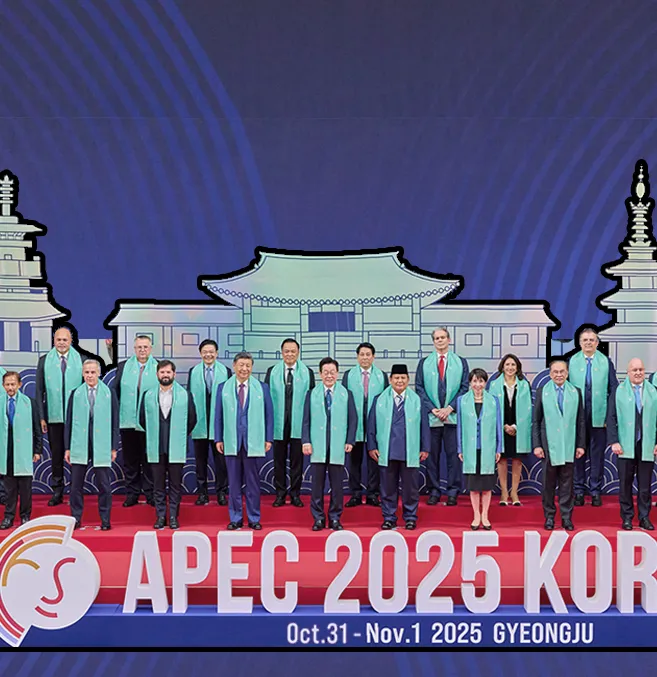
The 2025 Asia-Pacific Economic Cooperation (APEC) Summit, held in Gyeongju from October 31 to November 1, concluded successfully. Some 20,000 people including heads of state and delegations from 21 member countries, businesspeople, and journalists visited the thousand-year-old city of Gyeongju, injecting vitality into the local economy. The commercial districts around Gyeongju Hwangridan-gil and Bomun Complex bustled with domestic and international visitors, and APEC commemorative merchandise and events became daily topics of conversation. Industrial achievements led by AI and the shipbuilding industry, as well as diplomatic outcomes, also drew favorable responses. As the worries of large companies — which occupy a significant share of our industry — were resolved, interest in the stock market also grew. [Heads of state gathered at the Gyeongju APEC Ⓟ Office of the President]APEC with Economic Effects Worth KRW 7.4 Trillion, Vitalizing Local Small Business Districts TooIt is only natural that the economic effects of APEC, where nationwide discussions took place, also injected vitality into Gyeongju and local small business owners. Gyeongju City actively stepped up to support small business owners on the occasion of APEC by holding ‘BeLocal Week’ in partnership with Naver, introducing 30 local shops. Amid concentrated international interest in K-food, opportunities expanded for small business owners presenting Korean cuisine such as tteokbokki and chicken, and Hwangridan-gil is evaluated to have been more vibrant than usual thanks to the APEC boost.[Gyeongju City and Naver’s ‘BeLocal Week’ Site Ⓟ Gyeongju City]To examine somewhat more tangible effects, there was a noteworthy event held just before APEC: the 31st APEC SME Ministerial Meeting, held at the Jeju International Convention Center from September 1 to 5. The APEC SME Ministerial Meeting is one of the sectoral ministerial meetings of APEC, discussing tasks encompassing APEC SMEs, venture companies, and small business owners. Ministerial-level figures from APEC member countries visited Jeju to attend this SME Ministerial Meeting.[APEC SME Ministerial Meeting held in Jeju Ⓟ Ministry of SMEs and Startups]Jeju operated a ‘Receipt Admission Ticket’ program to draw international conference participants out into the local business districts beyond the conference venue. During this period, APEC participants visiting Jeju who presented receipts of KRW 50,000 or more spent at local restaurants, cafés, shops, and the like were able to visit representative tourist sites such as Jeju Stone Culture Park and Fantasy Forest Gotjawal Park at discounted prices. Additionally, APEC tour courses linking the original downtown alley commercial districts and traditional markets were operated, and a Food Expo and Beer Festival were held during the APEC period to expand opportunities for local small business owners to tangibly benefit from the APEC boost. This Jeju approach shows the possibility that international conferences can connect not only large companies and specific industries with benefits but also substantive benefits for the region and its small business owners.The significance of the ‘Jeju Initiative,’ adopted under South Korea’s leadership at the main event, the APEC SME Ministerial Meeting, is also great. It is the first case in which a new initiative was adopted among the various APEC ministerial meetings held this year. Its core is the launch of the ‘APEC Startup Alliance,’ linking the startup ecosystems of APEC member countries, and going beyond a mere declaration, it is planned to include implementation programs such as regular forums and the establishment of a standing network. Why Greater Ripple Effects Are Expected from the Gyeongju APECAt the September Jeju meeting, under the theme ‘SMEs: Engines of Sustainable and Inclusive Growth,’ policy cooperation among APEC member countries regarding SMEs, venture firms, and small business owners was concretely discussed. Cooperative measures were presented for the challenges facing SMEs, such as the rapid advancement of AI and changes in the global supply chain. And these discussions were further concretized through the ‘Gyeongju Declaration’ of the Gyeongju Summit. The Gyeongju Declaration includes cooperation among startups, and mentions small business owners and SMEs as subjects for securing trust in the digital economy roadmap. How far can the achievements of an apparently successful international event spread? Despite support measures such as the expansion of various policy funds and debt restructuring, the accumulated debt and high-interest burden continue to worry SMEs and small business owners. There are also complaints that the policies and environmental support arising from large meetings are concentrated on startups. Beyond Large Companies: New Opportunities for Regions and Small Business Owners Created by International ConferencesFor the APEC event not to end as a one-off event that merely presents a hopeful future across the industry as a whole, declarations must, as a matter of course, lead to implementation. Packages linking international event host regions with small business owners could be applied so that the charm of K-culture experienced by global media and businesspeople in Jeju and Gyeongju can be experienced again at the next international event. To expand the outcomes of international events, especially international conferences dealing with industrial agendas, an implementation plan that concretizes a win-win growth model from large companies down to small business owners as far as possible must not be missed and must be carried forward. From Jeju to Gyeongju, a model of international conferences broadly encompassing industrial sectors including small business owners and startups has unfolded. Going forward, we look forward to this success case becoming the standard for all international conferences that South Korea hosts, establishing a virtuous cycle structure in which the economic effects of large-scale events are evenly distributed not only to large companies but to the small business owners of alleyway commercial districts.by Editor N

The merch sold at the National Museum of Korea is becoming the starting signal of a new consumption trend. The "Pensive Bodhisattva Liberation Edition" and "Deny Taegeukgi keyring" sellout frenzy, which occurred this year marking the 80th anniversary of Liberation, is being treated as a phenomenon beyond mere souvenir popularity. Companies' merch fervor is already a familiar picture—bookstores including Kyobo Book Centre hold online events that sell Liberation Day special souvenirs on the side. The point to note in the renewed merch craze is not the merch itself but the fundamental change in consumption culture hidden behind it.[The National Museum of Korea online merch shop screen showing sold-out status ©National Museum Foundation of Korea online shop]Looking Back at the Value-Consumption Trend on Liberation DayThese days, the most popular space at the National Museum of Korea is not the exhibition hall but the souvenir shop, the merch shop. The National Museum of Korea's merch, rooted in our traditional culture, has risen to a "it-item" that stimulates the collecting desire of a broad range of consumers, including the MZ generation. The fervor for National Museum of Korea merch, whose influence is expanding globally, can be seen as arising from three reasons. First, consumers want to know the "story" of merch containing history and culture. Second, they want to share the story they learned this way on social media and express their own "cultural taste." Third, they want merch that expresses their taste this way to become a tool that explains themselves.On online channels where the MZ generation gathers, the scene of sharing the backstory—"this badge is actually a design inspired by Joseon folk painting"—has become a fairly familiar daily occurrence. Now merch is not simply an object a consumer owns but a means of revealing someone's cultural sense and identity. The merch drawing attention in the National Museum of Korea merch craze faithfully performs this role. A paradigm shift from conspicuous consumption to meaningful consumption is also taking place together.The Meaning of the Successive Sellouts of NMK MerchThe phenomenon of the National Museum of Korea's 80th-anniversary-of-Liberation merch selling out one after another was fully expected. Following sellouts, there is already much merch available only through pre-orders that endlessly stack up rounds. The Pensive Bodhisattva Liberation Edition, of which 500 were to be released, quickly sold out and 1,500 additional units went into production, and the Deny Taegeukgi keyring exhausted its initial batch of 1,000, with about 3,000 additional units currently in production. Purchase reviews poured out comments such as "because I want to remember the meaning of history in daily life," "to explain the meaning of Liberation to my child," and "as a resolve not to forget the sacrifice of the grandfather generation." This response is not a flow suddenly created this Liberation Day. It is the result of "value consumption," which has been called an MZ-generation consumption trend. A consumption trend that pays attention to the value and story behind a product, beyond its function and price, has taken root at the base of daily life.[The Pensive Bodhisattva miniature Liberation Edition, an 80th-anniversary-of-Liberation limited product scheduled for restock in mid-September ©National Museum Foundation of Korea online shop]The "Condition of Authenticity" That Brands Did Not Miss"Starbucks," another brand that draws attention with merch, also leaves a meaningful message around Liberation Day each year. Last year, the 79th anniversary of Liberation, it released dancheong merch supervised by Kim Seok-gon, a transmission-trainee of the state-designated intangible heritage dancheong master. The reason the dancheong merch drew attention at the time was not simply because it used a Korean design. The authenticity shown by merch supervised by a transmission-trainee of the intangible-heritage dancheong master, and the act of donating part of the proceeds to a national-heritage protection-activity fund, was recognized. This year, marking the 80th anniversary of Liberation, Starbucks donated "Bungjeong Manri (鵬程萬里)," a handwritten calligraphy of Baekbeom Kim Gu, to the National Trust for Cultural Heritage. It also released collaboration merch themed on the National Museum of Korea's popular section "The Room of Quiet Contemplation," explained earlier. As consumers' standards rise in a way that distinguishes commercial marketing from authentic support for social value, it is a case for companies and brands to reference in how they should approach history and culture.[The Starbucks Liberation Day dancheong merch released in 2024 ©Starbucks Korea]The consumption of 80th-anniversary-of-Liberation merch appears to be a point where personal satisfaction and social-value creation connect. The act of posting a purchase verification photo on social media leaves the social message that one is "a person who remembers history." If companies and brands want to naturally join this context, they must create the common denominator of authenticity. Not simply following a trend, but when the value the product contains and the brand's philosophy align, it moves consumers' hearts. by Editor N
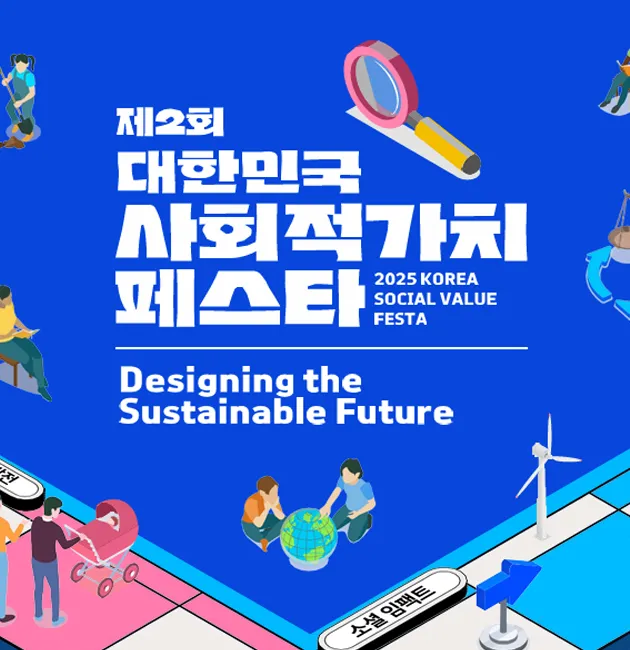
2024 was a year that became a meaningful turning point for Korea's social-value ecosystem. This is because SOVAC (Social Value Connect), which had been run under private-sector leadership for five years since its first start in 2019, joined hands with the Korea Chamber of Commerce and Industry to expand into the "Korea Social Value Festa," showing that social value had established itself in the domain of mainstream economic activity. As the participant composition expanded to government, large companies, academia, and civil society, it was reborn as a rich event with 247 partner companies, 132 exhibition booths, and 22 sessions.[The 2024 Korea Social Value Festa site ©Korea Social Value Festa]Gather Together—We Who Gather for a Better LifeAnd from August 25 to 26, this year's "Korea Social Value Festa" is held at COEX Hall C and the conference rooms. Held under the theme "Designing the Sustainable Future," this event focuses on designing substantial change, beyond mere discourse. In terms of content, too, major partners such as the Daum Foundation, Happynarae, Impact Alliance, Impact Square, MYSC, and SK Telecom are participating from the event-planning stage, adding substance from booth events to participant networking at the festa, which has been expanded to two days.New programs are also drawing interest, such as "SKT FLY AI X SOVAC Challengers" for social enterprises, social ventures, and university-student groups hoping to advance their solutions through the adoption of AI technology; the SOVAC Flagship session, where ecosystem leaders and government officials participate to share the key status and outlook of the social-value ecosystem; and the SOVAC Bazaar, a participatory event sharing experiences of value consumption.[The 2025 Korea Social Value Festa ©Korea Social Value Festa]Points to Anticipate at the 2025 Social Value FestaThe event is expected to be held amid the attention of more stakeholders, including not only companies but even the government. Due to the mandatory ESG disclosure that begins in earnest from 2025, more companies are expected to take an interest in social-value creation. This festa, where a session by the Ministry of the Interior and Safety is also being prepared, is expected to serve as a platform that connects companies with practical guidelines and cooperation partners.That one will be able to see at a glance the diverse terrain of social-value-creation models is also expected to draw the ecosystem's attention. From the cases of regional impact business that drew great interest at the 2024 event, to academia including students, there are also sessions expanding globally. In 2025, through the sharing and study of more impact-business cases, one will be able to check information on concrete, actionable models. How technological innovation such as AI and digital transformation can contribute to solving social problems—the fusion of technology and social value—will also be dealt with as a major theme.In an era when social value has become not a choice but a necessity, let us look forward to what new change the 2025 festa will bring about. by Editor N