Loading Data
Please wait a moment...
Update Cal.
2026.08
03
Mon
04
Tue
05
Wed
06
Thu
07
Fri
08
Sat
09
Sun
Update Calendar
2026.08
01
Sat
02
Sun
03
Mon
04
Tue
05
Wed
06
Thu
07
Fri
08
Sat
09
Sun
10
Mon
11
Tue
12
Wed
13
Thu
14
Fri

Loading Data
Please wait a moment...
Morning features and interviews. A morning story over a cup.

We consume an average of three to four hours of entertainment every day. We watch dramas, variety shows, and sports broadcasts, spending our time laughing and crying. Until now, there was no need to scrutinize what processes the content that brought us joy in those hours had gone through to be made. However, now that climate change is no longer an issue confined to a specific field, one question may be worth adding: What processes did this content we enjoy go through to be created, and how much greenhouse gas was left behind in that process? This question is not meant to criticize entertainment. Rather, it is closer to a proposal to harness the influence and scalability of entertainment to expand the space in which more citizens can be naturally exposed to and participate in the theme of climate change response. Climate Disclosure for Sustainable EnjoymentGenerally, ‘information’ becomes a tool that broadens consumers’ discernment, and this in turn has led to a virtuous cycle that raises the competitiveness of the entire industry. When buying food, we check the nutrition facts label, and through the eggshell code stamped on eggs, we examine the rearing environment and production history. Even when buying clothes, information on raw materials and country of manufacture is close to the default. Such information broadened the criteria for choice rather than shrinking consumption, and before we knew it, consumers verifying information about the production and operation processes has become an established practice. If entertainment content also came accompanied by such information, it could become ‘yet another point of interest worth knowing’ for viewers.This trend is already partially emerging in the sports industry. Some European football clubs disclose their energy use in stadium operations, carbon emissions from travel, and renewable energy transition plans. Several clubs in the English Premier League are attempting to reduce away-match travel, operate eco-friendly stadiums, and run emission-reduction campaigns linked to fan travel, and similar cases are being observed in the K League as well. This is not about giving up sports but closer to an experiment in enjoying sports more sustainably.[Tottenham Hotspur Stadium, using 100% renewable energy © Populous]The ‘Process’ by Which Content Is Made Matters as Much as the ‘Message’ of the ContentThe entertainment industry has also begun to take its first steps. Domestically, Studio Dragon has attempted climate disclosure by measuring and publicly releasing the environmental impact of its production processes. The global OTT platform Netflix is also calculating the carbon emissions from the filming and production processes of some of its productions and operating production guidelines and pilot projects to reduce them. Disney, through its ESG sustainability report, specifies the greenhouse gas emissions occurring during the film and drama production process as objects of management and is pursuing the energy efficiency of filming sites and the expanded use of renewable energy. Warner Bros. Discovery is also treating energy use and travel reduction at production sites as one pillar of its sustainability strategy. While it is difficult to say that this has spread across the entire entertainment industry, it is significant in showing that not only the ‘message’ of content but also the ‘process’ by which content is made can become a subject of social discussion.[Studio Dragon Sustainability Report © Studio Dragon]Beyond this, what we should pay attention to is the ‘scope’ and ‘reliability’ of such climate information. This is because not only the physical travel of the production site but also the ‘digital carbon footprint’ generated in the process by which the completed content reaches us cannot be overlooked. The climate impact of entertainment can be fully grasped only when the power consumption of the data centers operating for high-definition streaming is transparently disclosed as well. Moreover, if such figures are derived not through the arbitrary calculations of the production company but through authoritative production guidelines or standardized calculation tools, the credibility of the information felt by viewers will increase further.A New Culture to Be Formed Through the Disclosure of Climate InformationSuch disclosure of climate information can become a new arena for experimentation and competition, rather than regulation or obligation. One production company might reduce travel, another might utilize renewable energy, and yet another might offset unavoidable emissions with reduction efforts in other ways. In this process, a new axis of competition could form among creators: ‘who created content more creatively and with fewer emissions.’For viewers as well, change approaches not as coercion but as a new form of participation. A culture could form in which people discuss per-episode emissions, voluntarily compare them online, and pose questions about the production methods of content they enjoy. This produces the effect of naturally bringing the climate crisis into everyday conversation topics without heavy preaching.Entertainment is an industry that creates social imagination. Adding one line of ‘climate information’ to that imagination does not take away the enjoyment. On the contrary, it can become an opportunity to make us recognize together on what kind of world the enjoyment we experience rests. In that sense, the disclosure of climate information in entertainment is closer to a new invitation through which more citizens can indirectly participate in climate response.by Kim Won-sang (Climate Solutions, Media Communications)
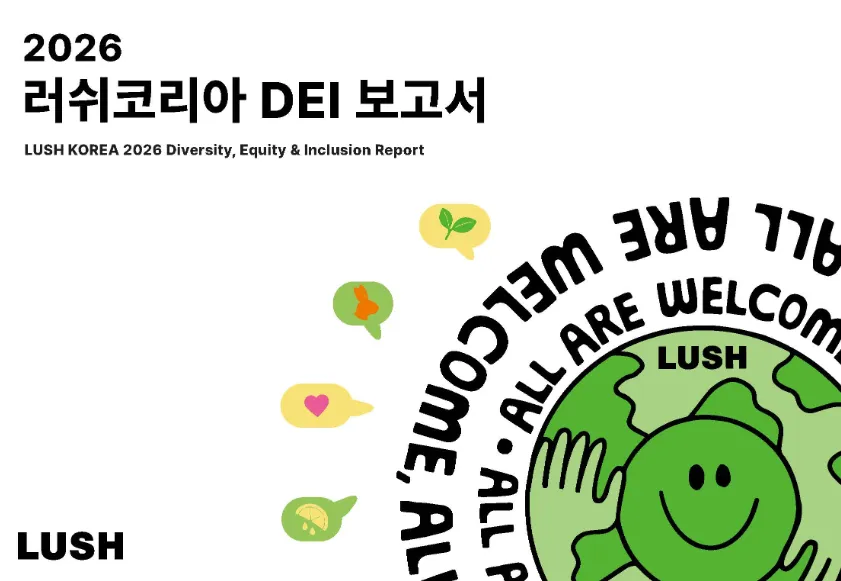
The pace at which the world is changing is incomparably faster than in the past. Some decisions are swiftly automated, and some judgments become the domain of algorithms instead of people. The more technology evolves, the more organizations must respond quickly and flexibly. Amid such changes, companies face the most fundamental question: ‘With whom, and based on what values, are we working right now?’ This is not simply a matter of organizational culture. It is a question that asks whether a company can earn the long-term trust of the market, and by what data such sustainability can be evaluated. Confirming Organizational Health Through Objective DataMany companies speak of sustainable management and hold up ‘respect’ and ‘inclusion’ as core values. However, whether such abstract words are actually reflected in the systems of the real organization, or whether they merely remain as declarative phrases, cannot be known until one becomes a member of the organization and experiences it. Until now, diversity and inclusion within organizations were areas difficult to measure, closer to variable factors that changed depending on the personal inclinations of good colleagues or leaders. Thus, proving the health of an organization to external stakeholders was a vague task. It is precisely here that DEI (Diversity, Equity, and Inclusion policy) reports gain their significance. Key data points — such as who enters and exits the organization, whether caregiving responsibilities lead to career interruptions for certain members, and whether formal governance that manages discomfort is functioning — are not mere personnel statistics. Through DEI reports, one can confirm that the concepts of ‘respect’ and ‘inclusion’ have been transposed into data in the form of figures and structures. Such data serves as a key indicator that objectively diagnoses the previously vague state of an organization’s health and gauges its resilience.[Image of the datafication of value concepts © ChatGPT]Our Own Benchmark, Not Answers for the Sake of EvaluationOf course, indicators are always a double-edged sword. Quantified data can serve as powerful evidence proving corporate performance, but at times, it also starkly reveals gaps that need to be addressed. In this context, defining a company’s DEI report merely as promotional material showing that the company is fulfilling its ‘social responsibility’ is a one-dimensional approach. The essential value of a DEI report lies in examining ‘by what criteria the organization was designed’ and in reading the meaning of the data. Since each company differs in size and industry, there is no single correct answer, but it is important for companies to approach the data not by filling their DEI reports with answers aimed merely at showing off, but with criteria unique to the organization.In this context, the case of the ‘2026 Lush Korea DEI Report’ is intriguing. Lush Korea did not list short-term campaigns or token systems in its DEI report. Instead, it chose the approach of transparently disclosing the default values that drive the organization and showing them in figures and language. From the forms of address and work modes of its members to the customized job design for the employment of persons with disabilities and the governance through which childcare and caregiving are viewed — all these elements are designed not as temporary benefits for specific groups but upon a reality that acknowledges diverse ways of living. [Lush Korea DEI Report © Lush Korea]Particularly impressive is the fact that the ‘feedback culture that embraces mistakes’ is being measured as a quantified indicator of the psychological safety net. The figure showing that 76.8% of all members responded that they ‘exchange improvement-oriented feedback rather than blame when mistakes happen’ demonstrates that the value of inclusion is functioning as the organization’s substantive operating system, going beyond mere declaration. The ‘2026 Lush Korea DEI Report’ is, in effect, the outcome of calmly recording the intangible values that Lush Korea has been pursuing and proving them through data. An Essential Foundation for Sustainable ManagementCompanies in this era must transparently show not only what they count as performance but also their attitude toward their members. For this, not mere words but ‘structures’ and ‘data’ must back it up. The DEI report is not merely a means to pass external evaluation, but an essential foundation for companies to continue sustainable management without wavering in a rapidly changing environment. Through DEI reports, we can confirm not the completion of an organization but the image of an organization responsibly moving forward toward a better future. In the end, a company’s true sustainability is proven not by grand declarations but by the concrete systems that support those promises in places unseen. by Editor L

In Korean society, the issue of young people is primarily explained through two images: young people who stay indoors, disconnected from society, or adults who have failed to achieve independence. However, between these two lies a far more colorful reality. ‘Youth who have left home’ are one part of that. There are young people who chose to leave home as a survival strategy due to repeated domestic violence, economic exploitation, and control and abuse.Forced Independence for Survival: A Blind Spot of Family-Centered SystemsSome may ask this: “I understand that the situation was difficult, but aren’t they adults now? The difficulty of becoming financially stable after leaving home is something most young people who become independent go through.” But this statement misses a critical premise: for young people who have left home, independence is closer to a forced separation that begins in a state stripped of care, relationships, and safety.Young people cut off from their family of origin work without rest to sustain their livelihoods, yet their housing remains perpetually unstable. They have almost no one to rely on when they are sick. Moments in which they have to repeatedly explain their circumstances even in ordinary conversation continue, and relationship fatigue accumulates.[Image of youth who left home © Unsplash]Then why have young people who left home — a group that should have been addressed at the institutional level, beyond individual choice — been so invisible? The reason can be found in the fact that the basic premise of the administrative system still rests on the family. In the contradiction of being severed from their parents yet still administratively bound to them, young people who left home are pushed outside the system.The various youth support systems operated by the government are also often designed based on parental income or consent, making it easy for these young people to fall into blind spots of welfare policy. After leaving home, their lives continue with the universal protection and support of their family of origin cut off, and with the institutional protection of the state also failing to function smoothly. It is a continuous stretch of time in which the individual must bear economic and emotional responsibilities and risks entirely alone.[Canada’s Housing First for Youth (HF4Y) © Homelessness Learning Hub]The HF4Y model in Canada asks young people who have left home this question: “Do you have a safe place to stay tonight?” Because when housing is unstable, no form of independence can be sustained. This model first provides housing as the starting point of recovery, then, at the next stage, integrates support for mental health, education, employment, and social recovery. It is a method of first establishing the minimum conditions that make independence possible, before demanding proof of qualifications.The one-stop youth centers in the United States also depart from the same recognition of the problem. The issues of housing, medical care, legal assistance, counseling, and employment that young people who left home face are intertwined with each other, yet under existing systems, they had to visit different service windows for each. The one-stop centers view this structure itself as a problem and are designed so that related support services are connected in a single space, ensuring that young people do not have to repeatedly explain their harm and deprivation.The Conditions Preceding Youth IndependenceThese two overseas cases overturn the existing perception surrounding independence. Until now, independence in South Korean youth policy has primarily been understood in terms of employment and income. However, these policies take as their starting point the recognition that if the conditions for maintaining a working state — namely, housing stability, the restoration of relationships, and emotional stability — are not first established, no job can be sustained.What these cases commonly show is clear. For the independence of young people, employment is an important requirement, but it cannot be the starting point for solving the problem. Amid housing instability, severed relationships, and the absence of emotional recovery, employment is easily interrupted. That is why the creation of social infrastructure in which they can work and live must take priority.In South Korea, Seoul City recently proposed the ‘Ordinance on Support for Youth Who Have Left Home,’ beginning to call out by name, in the language of policy, those who had stood outside the system. This is a signal that severance from family is to be recognized not as an individual choice but as a state that requires additional protection. However, the ordinance is merely a starting point; how far housing and care will be designed as a public responsibility remains a challenge to be resolved.Youth who left home are a case that reveals how Korean society has defined youth independence and what premises it has taken for granted in that process. In a place where protection and support have disappeared and only individual responsibility remains, no life can be sustained. How we answer the question posed by the existence of young people who left home is also a matter of choosing the direction in which youth policy will proceed going forward. by Editor L

Zebras, always appearing as extras in African savanna documentaries, are now rapidly disappearing for certain species — yet they remain familiar to us as the symbol of sub-Saharan Africa thanks to their black-and-white stripes. January 31, ‘International Zebra Day,’ was established in 2014 to raise awareness of the importance of protecting zebras and their habitats and to encourage action for ecosystem conservation. Let us learn about International Zebra Day, which opens the first of the nearly 100 international commemorative days for the protection of endangered flora and fauna throughout the year. Three Species of Zebras Facing Different Survival RealitiesZebras are broadly divided into three species according to their coat pattern, stripe arrangement, and habitat: the Plains Zebra found across eastern and southern Africa, the Mountain Zebra inhabiting only the arid highlands of Namibia and South Africa, and the Grevy’s Zebra seen in the forests of Kenya and Ethiopia. Among these, the Plains Zebra is known to have the largest population at over 250,000, yet it has declined by 25% since 1992 and is currently classified as ‘Near Threatened’ on the IUCN Red List. The Grevy’s Zebra, which inhabits only Kenya and Ethiopia, numbers fewer than 3,100 individuals, and its extinction has already been declared in Somalia and Sudan — a staggering 80% decline since the 1970s.[Grevy’s Zebra Ⓟ Wikipedia]What is at least hopeful is the news that the Mountain Zebra, especially the Cape Mountain Zebra, which had nearly gone extinct in the 1930s, increased to approximately 5,693 individuals as of 2023 thanks to the devoted efforts of conservation organizations. The Mountain Zebra National Park, established in 1937, played a key role in saving the Cape Mountain Zebra from the threat of extinction.[Cape Mountain Zebra Ⓟ AfricanBudgetSafaris]Why Ecosystem Keystone Zebras Are DisappearingThe causes of the zebra’s decline are similar to those of other wild animals: extreme drought due to climate change, habitat loss from the expansion of agriculture and grazing lands, and poaching for meat and hides. Particularly as agriculture has spread and irrigation facilities have increased, the water volume of Kenya’s Ewaso Ng’iro River has sharply decreased by over 90%, causing chronic water shortages for the animals of the African savanna.The zebra’s trademark stripes are not simply for looks. They are the product of evolution for survival. When zebras gather in herds, their stripes create dizzying light reflections under intense sunlight, causing visual confusion for predators and ultimately making it difficult for them to pinpoint their prey precisely. The stripes are also known to have the effect of repelling insects that cling to their backs. Yet to humans, those stripes were considered a requirement for fine leather, and became one of the causes placing zebras at risk of extinction. The reason zebras must not disappear is not simply because they are ‘cute.’ Zebras are a keystone species that maintains the balance of the ecosystem. By primarily consuming tall, tough grasses, they make it easier for smaller animals to access short, nutrient-rich grasses. While plant diversity is promoted in this way, the seeds spread through zebra droppings further enrich the plant species of the habitat. Moreover, as a primary food source for predators, zebras play an important role in the food chain, so if they disappear, the entire grassland ecosystem could collapse.[Zebras of the savanna Ⓟ getty images]There are nearly 100 international commemorative days for the protection of endangered flora and fauna throughout the year, yet the environment around us is becoming an increasingly unstable refuge for life, including humans. There are countless ways we can contribute to animal and plant protection, from efforts to conserve habitats to supporting conservation organizations. On January 31, International Zebra Day, why not broaden our interest? Small actions such as sharing posts about zebra protection on social media or donating to wildlife conservation organizations can together protect the zebra. by Editor L
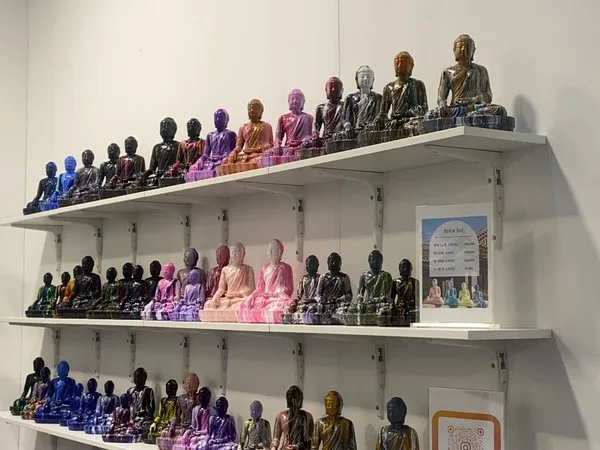
The ‘2025 Seoul International Buddhist Expo’ surpassed 200,000 visitors. That Buddhism is hip is now a proposition the MZ generation would at least nod to. At a time when Buddhism and its teachings are creating a trend beyond religion, Buddhism is also participating in the ESG trend. Although ESG and Buddhism may seem distant at first glance, ESG.ONL has already had conversations about ESG with Ven. Seonji. And in Buddhism, an important ESG-related event was held at the start of the year. Today, let us talk about the ‘Second Bhutan International ESG Forum,’ held at the Royal University of Bhutan on January 9.ESG from a Buddhist Perspective Found in the Buddhist Country of BhutanThe ‘Bhutan International ESG Forum’ is a gathering where officials from the government, academia, and industry of South Korea and Bhutan discuss climate crisis response, ESG, and Bhutan’s national governance philosophy of ‘Gross National Happiness (GNH).’ GNH in Bhutan, a Buddhist country, is the concretization of the core Buddhist value of ‘practicing compassion’ as a national development philosophy. It encompasses sustainable and equitable economic development, environmental protection, and good governance, making it similar to the concept of ESG. The Jogye Order, which participated as part of the Korean Buddhist delegation, also emphasized in the congratulatory address of Ven. Jinu that ‘the way of practicing various Buddhist ideas is ESG management.’ In the keynote lecture, Ven. Wongul explored ESG ethics, policy, and industrial practice measures from a Buddhist perspective under the theme of ‘Buddhist Ecological Philosophy and Environmental Activities of Korean Buddhism.’[Poster for the 2021 Seoul International Buddhist Expo themed ‘Wisdom for a Sustainable Life’ Ⓟ Seoul International Buddhist Expo][2025 Seoul International Buddhist Expo ‘Budda-e Butda’ goods exhibition Ⓟ Consumer Evaluation]The Buddhist community has already been consistently speaking about ESG for a long time. In 2020, Buddhist Climate Action began, and the 2021 Seoul International Buddhist Expo held an environment-related exhibition under the theme of ‘Wisdom for a Sustainable Life.’ In 2022, Ven. Muwon, who was inaugurated as the Chief Administrator of the Cheontae Order, spoke in his inaugural address of ‘strengthening sustainable management that prioritizes the environment and life,’ while the Jogye Order held a forum in 2023 under the theme ‘ESG Management Expansion: How Will Social Welfare Be Practiced.’ This trend gained greater visibility after Ven. Seonji’s book <Buddha Management> was published in 2025. [Buddha Management Ⓟ Dam & Books]Values Shared by ESG and Buddhism: Transparent Management, Practicing Respect for the Environment and LifeWhat is always mentioned when discussing Buddhism and ESG is ‘Dependent Origination (Pratītyasamutpāda).’ Dependent Origination is a core Buddhist doctrine meaning the truth that nothing exists in isolation but exists within relationships. It is the recognition that life, society, the nation, and nature are not separate entities but are situated within an interdependent network of relations, which can be interpreted as meaning that companies should act by harmoniously considering not merely the pursuit of profit but also the coexistence of humanity and the interests of society. Related to this, ‘Non-Duality (Advaya)’ is the concept that elements that appear to be in opposition are not different from each other and are situated in a relationship of mutual dependence. Concretely, in relation to the E dimension, it can be interpreted as meaning that humans are likewise not different from nature or its rulers but are a part of nature, and in the G dimension, it can be interpreted as meaning that corporate executives and employees are not different from each other, thereby creating a safe working environment.[2023 2nd Jogye Order Social Welfare Foundation Future Welfare Forum on ESG Management Ⓟ Jogye Order Social Welfare Foundation]The Five Precepts (Pañcaśīla), the five most fundamental ethical guidelines in Buddhism, can likewise be interpreted as basic principles in the E dimension. At the Bhutan Forum, Ven. Wongul linked four of the Five Precepts — not killing (Ahiṃsā), not stealing (Asteya), not engaging in sexual misconduct (Kāmamithyācāra), not lying (Mṛṣāvāda), and not taking intoxicants (Madyapāna) — excluding not engaging in sexual misconduct (meaning to preserve marital fidelity), to the environmental dimension. First, not killing, meaning ‘respect life without destroying it,’ becomes the basis for management activities that minimize ecosystem damage. Not stealing, meaning ‘do not take what is not given,’ relates to the meaning of not taking resources that future generations will use, and can thus be interpreted from the perspective of resource conservation. Not lying, meaning ‘do not speak falsehoods,’ is practiced in the form of facing squarely the current climate crisis and transparently disclosing environmental information. Not taking intoxicants means not drinking alcohol, but it also carries the meaning of guarding against a state of intoxication in which a clear mind cannot be maintained — this is connected to individuals living through the climate crisis refraining from addictive consumption and maintaining a temperate lifestyle.ESG Cases Demonstrated by the Domestic Buddhist CommunityThe ‘Third Korea ESG Awards’ ceremony held last December was an occasion to confirm cases of ESG practice by the Buddhist community. Dongguk University, operated by the Jogye Order, won the Grand Prize in the comprehensive category for outstanding achievements in establishing an on-campus greenhouse gas inventory and in ESG education and research based on the Buddhist spirit. The Ulsan Buddhist Environmental Solidarity won the Grand Prize in the Religious Category E domain for its ‘Friday Climate Action Campaign’ held every Friday and the operation of eco-friendly dharma assemblies that do not use disposable products. In the Religious Category S domain, Jiongsa Temple in Miryang won the Grand Prize in recognition of its social contribution activities for children from multicultural families.[60th Anniversary Dharma Assembly commemorating the enshrinement of the Bronze Standing Buddha Ⓟ Dongguk University]In this way, the expansion of ESG practice methods based on the Buddhist spirit continues. Going forward, it is hoped that this will go beyond inducing individual practice based on Buddhist doctrine to become an ESG practice that the religious community, the state, and the industrial world ponder together. by Editor L

A scene in which cup prices are separately charged when ordering a drink at a café and straws are provided only upon request may not be far from becoming everyday life. Last December, the Ministry of Climate, Energy and Environment officially reported its 2026 key work plan and presented ten major tasks for implementing the 2035 NDC (Nationally Determined Contribution). Among these, the Plastic-Free Comprehensive Plan directly targets our everyday consumption patterns, including a system reform that separately charges for disposable cups and restrictions on straw use.Why has the government introduced the plastic-free policy now?A Necessity, Not a Choice: The Plastic-Free PolicyThe backdrop to the government’s strong push for the plastic-free policy is the global environment. The European Union (EU) is already implementing a directive that completely bans single-use plastics, and the United Nations (UN) is also discussing global-level regulatory measures through the ‘International Plastics Treaty.’ As plastic use is directly tied to climate and environmental issues, our government is likewise pursuing the plastic-free policy in step with the situation in which individual countries and international organizations are taking action.[Plastic-Free Comprehensive Plan Public Debate © Ministry of Climate, Energy and Environment]The problem identified by the Korean government is the ‘excessive use’ of plastics. Domestic waste plastic emissions were approximately 7.71 million tons in 2023, and if the current trend continues, they are projected to exceed 10 million tons by 2030. It is the government’s judgment that, even if plastic is an essential material in our lives, the consumption of disposables and packaging materials has exacerbated the problems of waste increase and environmental persistence.Accordingly, the government has presented ‘source reduction,’ which reduces plastic from the usage stage, as the core of its policy. Alongside this, it plans to lower waste plastic generation to the 7 million ton level by 2030 by concurrently expanding the use of recycled raw materials. In this way, the plastic-free policy has arrived at cafés — spaces closely connected to daily life. The ‘separate cup billing system,’ which separately charges for disposable cups, and the restriction on providing straws in stores have already become topics of discussion. The government’s calculation is that by making consumers feel the cost and inconvenience at the consumption stage, it will reduce the unconsciously repeated use of disposables.Between Environment and Reality: The Challenges of the Plastic-Free PolicyThese policies go beyond simple regulation to herald a change in café culture as a whole. The ordering method in which disposable cups were the default gradually shifts to a structure premised on the use of reusable cups or personal cups, and straws likewise become an option rather than an ‘item provided as a matter of course.’ For example, when purchasing a drink priced at KRW 5,000, an additional KRW 100–200 for the use of a disposable cup would be separately added and indicated together on the receipt.In this process, consumers become directly aware of the cost of cup use, and the responsibility for the choice regarding the use of disposables also returns to the individual. At the same time, as fines may be imposed for providing disposable cups free of charge under the revised law, cafés also face a situation in which they must contemplate changes to their operating methods premised on compliance with the system.[Disposable Cup © Unsplash]Meanwhile, voices of concern are also emerging from the field. Alongside the naturally ensuing complaints of everyday inconvenience, it is also pointed out that for small business owners with small-scale establishments, the process of implementing the system itself could act as an operational burden. In particular, the issue is also raised that confusion is unavoidable in actual practice, as there is no clear standard on how beverage prices and disposable cup prices should be separately determined and communicated.The plastic-free policy has been put to the test between the unavoidable choice for the environment and the changes that daily life and business sites must bear. To reduce confusion, phased application and clear standards must be established together so that consumers and the industry can adapt to the change.Moreover, there is a need to actively utilize incentives such as discounts when bringing a tumbler, so that the transition for the environment is perceived as a choice rather than a burden. When citizens naturally join in for the environment and feel that responsibility, the plastic-free policy will become a substantive opportunity to move toward a sustainable future. by Editor L

In recent years, as winter weather forecasts have increasingly gone awry, everyday inconveniences have also grown. Last March, unprecedented heavy snow warnings were issued across the country including Seoul, and the anomalous winter landscape that unfolded on the cusp of spring left many considerably shocked.Why does this keep happening? Experts are focusing on La Niña, manifested through changes in sea surface temperatures, and the Sudden Stratospheric Warming (SSW) phenomenon occurring in the upper atmosphere.The Causes of Extreme Weather Changes: La Niña and Sudden Stratospheric Warming[La Niña occurrence mechanism © Namuwiki]La Niña is a phenomenon in which trade winds strengthen, pushing the warm surface water of the eastern Pacific toward the western Pacific, with the vacated space filled by cold deep water, maintaining the sea surface temperature of the eastern Pacific below normal levels for several months or more. Although this explanation alone may not seem problematic, changes in sea surface temperature are not simple. When La Niña occurs, the overall atmospheric circulation pattern changes, and the variability of temperature and precipitation tends to expand significantly compared to before, with heavy snow and cold waves intensifying in some regions while mild weather continues in others. [Sudden Stratospheric Warming phenomenon © Climate Change Economics]When the phenomenon of Sudden Stratospheric Warming overlaps with this, weather forecasting becomes even more difficult. Sudden Stratospheric Warming is a rare phenomenon in which the stratospheric temperature above the Arctic rises rapidly over a short period, and in the process, the structure of the Stratospheric Polar Vortex (SPV: a low-pressure mass accompanied by strong westerly winds that encircles the Arctic in the stratospheric polar region during the Northern Hemisphere winter) can weaken or become distorted. When the Arctic vortex weakens, cold air becomes more likely to descend to mid-latitude regions, increasing the possibility that stronger-than-normal cold waves or sudden heavy snow will appear in mid-latitude areas.Extreme Winter Weather Disrupting Daily LifeLast year, temperatures in parts of Canada and the central United States dropped below -30°C, and residents of those areas experienced cold waves and heavy snow for the first time in decades. At the same time, winter storms with concentrated precipitation repeatedly occurred in California in the western United States as storm tracks shifted southward.[Heavy snow in Canada © Dong-A Ilbo]South Korea is no exception. Recently, days in which the daily temperature range in winter exceeds 10°C have increased, and a tendency for heavy snow of around 20 cm per day to be concentrated has also become prominent. Extreme weather phenomena that are difficult to explain through average temperature alone are repeating.The extreme weather that is spiraling toward extremes is inflicting direct damage on our daily lives — including flight cancellations, road and rail transportation delays, and disruptions to commuting and logistics — with significant impacts also felt from safety accidents due to severe cold, crop damage, and surging energy demand.Extreme Weather to ContinueGlobal weather experts have been warning that this winter as well, the convergence of La Niña and Sudden Stratospheric Warming could give rise to extreme weather. La Niña and Sudden Stratospheric Warming go beyond simple temperature changes in a single region, acting as compound factors that intensify extreme winter weather worldwide. As the instability of the climate system grows with global warming, the possibility that unpredictable weather phenomena will recur will remain valid. Now more than ever, more precise observation and analysis, along with long-term climate response strategies, are critical. by Editor L
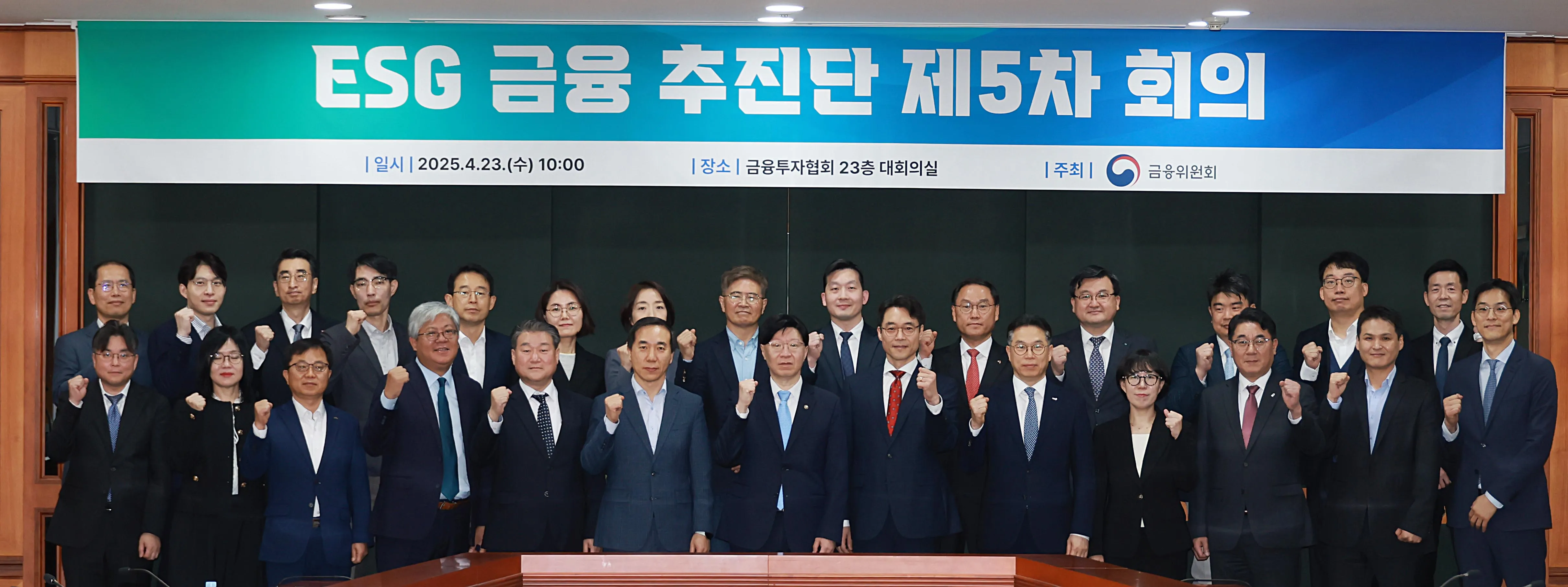
Efforts toward ESG are expected to continue in 2026 for everyone’s sustainable life. In 2025, with a new government taking office, much attention was focused on ESG-related pledges and policies, and overseas, changes in ESG policies suited to new political and economic circumstances also emerged. Let us examine what policies lie ahead in the new year.Mandatory ESG Disclosure: Will It Progress This Year?In 2026, many are focusing their attention on the mandatory disclosure of ESG. ESG disclosure refers to the disclosure by companies of non-financial information such as ESG-related activities and performance. If disclosure becomes mandatory, the currently fragmented ESG evaluation standards will be organized, making it possible not only to respond to global investment standards but also for people to understand the ESG information of many companies and make better consumption and investment decisions. Such mandatory disclosure is essential for promoting the practice of corporate ESG management. South Korea pre-announced phased mandatory disclosure in its 2021 ‘ESG Disclosure Roadmap,’ initially scheduled from 2025, but in October 2023 this was postponed to after 2026. Accordingly, disclosure standards and timelines were expected to be decided in 2025, but at the 5th ESG Financial Promotion Group meeting last April, this was effectively postponed once again. In March 2024, the Korea Sustainability Standards Board (KSSB) under the Korea Accounting Standards Board released a draft disclosure standard following ISSB standards, but this has yet to be finalized.[5th ESG Financial Promotion Group meeting held last April Ⓟ Financial Services Commission]However, as mandatory ESG disclosure is an international trend, substantive discussion is expected to continue this year. From 2025, the EU began mandatory disclosure in earnest under the Corporate Sustainability Reporting Directive (CSRD), and major Asian countries including Singapore, Taiwan, Hong Kong, and Japan have already scheduled or are in the process of mandatory disclosure. With the financial authorities currently reviewing a plan for ‘sequential application starting from listed companies above a certain size from 2026 onward,’ once the KSSB standards are finalized, phased mandatory implementation is highly likely. Plans to expand mandatory disclosure from large KOSPI-listed companies with total assets of KRW 2 trillion or more to all KOSPI-listed companies and large KOSDAQ-listed companies are being discussed in the market. Although it is not ESG disclosure, there is another related information disclosure scheduled to take effect in 2026. The Ministry of Economy and Finance announced the ‘Public Institution ESG Guidelines’ last December. Accordingly, public institutions will be subject to disclosure and evaluation based on standardized ESG criteria including greenhouse gas emissions, safety management, labor-management relations, and board operations. Going beyond simple quantitative indicators, the plan is to disclose the degree of achievement against ESG targets, implementation processes, outcomes, and future plans, with measures to link these to management performance evaluations also being pursued. The disclosure of the Corporate Governance Report — which falls within the G dimension and discloses to shareholders whether companies are abiding by the core principles of governance — will apply to all listed companies on the securities market from 2026. The obligation, which was previously applied to 541 securities market-listed companies, will be expanded to the entire pool of 842.[Public Institution ESG Guidelines Ⓟ Ministry of Economy and Finance]Government Moving Toward K-GXLast November, the ‘2035 Nationally Determined Contribution (NDC)’ and the ‘4th Emissions Trading System (ETS) Allocation Plan’ were confirmed at a Cabinet meeting. Decided through six public hearings between the demands of industry and civil society, South Korea aims to reduce greenhouse gases by 53–61% compared to 2018 levels by 2030. When compared to the targets of the EU, the United States, or Japan, achieving the maximum of 61% would place Korea at a mid-to-upper international level. The ETS, in which the government sets per-company greenhouse gas emission allowances, will be operated based on the 53% reduction standard to ease the burden on companies. Companies that exceed their greenhouse gas emissions must purchase emission allowances, and this measure alleviates that purchase burden. In addition, the government has signaled that it will prepare and present a ‘K-GX (Green Transformation) Strategy’ by the first half of 2026. [Excerpt from the 2026 Ministry of Climate, Energy and Environment Key Work Promotion Plan press release Ⓟ Ministry of Climate, Energy and Environment]Taken together, the NDC and ETS announcements and the Ministry of Climate, Energy and Environment’s 2026 work plan from last December suggest that 2026 will be a year of active amendment and enactment of legislation and establishment of policy plans for K-GX. First, a target has been set to expand renewable energy facilities from the current 34 GW to 100 GW by 2030. This year, a special law will be enacted to vitalize agrivoltaics, and new solar power sites will be sought through pan-governmental collaboration. Wind energy regulations will also be streamlined, and renewable energy development and demonstration will be supported. Furthermore, to assist companies’ transition to decarbonized industries, the processes of high-carbon-emission sectors such as steel and petrochemicals will be improved, and low-carbon technologies will be supported. In the second half of this year, the ‘Carbon Neutral Industry Act’ will be enacted to induce the transition to low-carbon facilities. Beyond this, electric vehicle deployment policies will be expanded, and legal arrangements for the decarbonization of building energy consumption will also proceed. The ‘12th Basic Plan for Electricity Supply and Demand,’ the 2040 ‘Coal-Fired Power Transition Roadmap,’ and a decarbonized power mix plan that mutually complements the issues of renewable energy and nuclear power will also be formulated. To this end, the Ministry of Climate, Energy and Environment announced that it will form a pan-governmental K-GX Promotion Group in the first half of the year to identify sector-specific tasks and gather industry opinions. More detailed information can be found in the Ministry of Climate, Energy and Environment Key Policy Promotion Plan.2026 will be a year in which numerous regulations and plans for sustainability are established or scheduled. Not only in South Korea but in many countries around the world, ESG-related policies are being established or revised, adjusting to and accommodating the demands of companies, governments, and civil society. We look forward to seeing what changes will unfold in the ESG practice of governments and companies going forward. by Editor L