Loading Data
Please wait a moment...
Update Cal.
2026.08
03
Mon
04
Tue
05
Wed
06
Thu
07
Fri
08
Sat
09
Sun
Update Calendar
2026.08
01
Sat
02
Sun
03
Mon
04
Tue
05
Wed
06
Thu
07
Fri
08
Sat
09
Sun
10
Mon
11
Tue
12
Wed
13
Thu
14
Fri

Loading Data
Please wait a moment...
Morning features and interviews. A morning story over a cup.
Having run hard throughout 2025, ESG Today is growing together with you, our readers. Under the name of ‘today’s magazine for tomorrow,’ ESG Today is always busy recording the changes in the ESG ecosystem, digging into curious stories, and sometimes turning its attention to topics that have not received the spotlight. From the AM menu, which we wish could stay with you like a morning cup of coffee or a piece of bagel, to the NOON menu for sharing a single word of knowledge at lunchtime, and the PM menu delivering today’s trending news like a busy afternoon — ESG Today is striving to create better content filled with interesting stories, and it quietly marked its second anniversary on December 21.Today, we would like to introduce ESG Today’s ‘today’ to all of you.[ESG.ONL Logo Image Ⓟ ESG.ONL]About 2,500 people visit ESG Today each day.First of all, pleased to meet you, everyone. Having undergone a period of reorganization in 2024, ESG Today communicated with you through 151 articles this year. Issuing an average of three articles per week, we delivered stories that spanned the Environmental (E), Social (S), and Governance (G) domains. As a result, more readers have been receiving coffee coupons.There are even readers who have earned lunch coupons, no less. As readers who frequently visit ESG Today may well know, after signing up as a member, you can accumulate ONL points by clicking the ONL mark below the title of an article that has been uploaded ‘today.’ And when you collect 50 of these points, you can receive a coffee coupon; when you collect 100, you can receive a lunch coupon along with contact from an ESG Today staff member. The increasing number of readers receiving coffee and lunch coupons in this way carries special meaning for ESG Today’s editors. After all, it is proof that there are people who diligently check our articles on the very day they go up. For those who visit each time a new article is posted, ESG Today’s editors go forth today as well in search of good topics.The topic that drew the most attention in 2025 was Governance.Looking at the topics covered by ESG Today this year, it appears that Environment accounted for roughly 40%, Social roughly 35%, and Governance roughly 25%. The reason for the vague expression is the characteristic of ESG-related content, in which it is difficult to say that a single article is strictly confined to one domain. It is ironic that despite the relatively low volume of articles on Governance, the content that drew views and reactions was the articles on Governance. The articles most read by you this year were ESG and Evaluation Standards and News from Government Ministries. As the executive branch underwent major changes this year, many readers took an interest and checked articles on what thoughts the presidential candidates held regarding ESG and what impact the newly established Ministry of Climate, Energy and Environment would have. The article on ESG evaluation standards, published ahead of the mandatory disclosure scheduled for 2026, also drew much attention despite being recent. Of course, readers also showed great interest in environmental topics, which accounted for the highest volume of articles, and as the impacts of climate change have become part of daily life, the view counts of environment-related keywords such as Greensumer and Flash Drought were remarkably high. In 2026, We Will Share More ‘Todays.’ESG Today is contemplating more opportunities and points of contact so that the record of ‘today’ it is accumulating does not merely remain as a news archive. We will strive to serve as a partner for co-prosperity in the ESG ecosystem, as essential information for corporate practitioners tackling ESG as a task, and as a medium that explains to general readers, who live day by day in the ESG field, how ESG connects to our lives. In this way, today’s record for tomorrow continues. We hope you, our readers, will be with us on this journey. Thank you sincerely to everyone who has been with ESG Today throughout 2025.By ESG.ONL

Year-end is a period with many gatherings and appointments. The streets that wrap up one year and welcome the new are filled with dazzling lights and colors enough to make one forget the cold. The Salvation Army’s charity pots and briquette volunteering are also special scenes visible around the time one’s nose stings from the cold. Year-end is certainly a bountiful and generous period, but there are people who exist in places that warmth does not reach.Until now, the ‘alienated neighbors’ of year-end have mainly been represented by the elderly living alone. Of course, this remains an important issue. However, a new form of isolated group encompassing young people and the middle-aged has recently been rapidly increasing. The terms used to refer to them — such as hikikomori (social recluses), isolated and withdrawn youth, and the like — are also becoming increasingly segmented. Although their specific characteristics differ, what they share in common is that they have been severed from economic activities and social relationships. Among these, the most widely used expression, ‘hikikomori,’ is a Japanese term referring to people who stay at home for long periods and extremely avoid contact with society, or that state itself, which emerged as a full-fledged social issue in the early 2000s. It was the result of the combined effects of school bullying (ijime), school refusal, youth unemployment due to the bubble economy, and prolonged recession in the 1970s and 1980s. In South Korea as well, amid the deepening employment instability and spread of individualism following the 1997 IMF financial crisis, the number of people falling into social isolation due to employment failure or workplace maladjustment increased, emerging as a social issue.[Japan’s ‘8050 Problem’ aggravated by aging hikikomori Ⓟ NHK Special]Withdrawal and isolation are often dismissed as due to an individual’s will or lack of ability. Yet examining the statistics reveals structural factors that are difficult for individuals to overcome. In January 2025, the job-to-applicant ratio compiled by the employment service platform ‘Employment 24’ dropped to 0.28, meaning there were two jobs for every ten jobseekers. Recently, even job vacancies have decreased. Job vacancies, which stood at 185,000 in July last year, dropped by 27,000 over the course of a year to 158,000 this July. Even jobs that had been unpopular have become scarce. As jobs have shrunk, the number of those pushed out of the job-seeking competition has increased, and some quietly exit the social system.Employment failure is not the sole cause of isolation. For various reasons — domestic violence, school violence, maladjustment or harassment in the military and workplace, business failure, relationship failure, illness, and existential skepticism — people give up on life and go into seclusion. Even people who had a normal social life in the past can become lethargic after experiencing fraud, betrayal, office politics, or unexpected dismissal. Isolation is not a problem of specific individuals but closer to a risk that can befall anyone.[Seoul Isolated and Withdrawn Youth Performance Sharing Event Ⓟ Nae Son Ane Seoul]The problem is that individual isolation leads to social costs. Young people who have been in a prolonged state of ‘resting’ are highly likely to grow into middle-aged kangaroo tribe members. Delayed independence of the youth increases the economic burden on the parent generation, leading to poverty in old age. In fact, according to the Seoul Institute’s report ‘Changes in the Life Course of Seoul Citizens and Poverty Risk,’ the proportion of those living with their parents at age 35 rose sharply from 22.8% among those born in 1971–1975 to 41.1% among those born in 1981–1986. In Japan, the ‘8050 problem’ — in which parents in their 80s live with and continue to provide financial support for children in their 50s — has already drawn attention as a social issue.Nevertheless, systematic management and response remain insufficient. Because isolated individuals lose even the energy to seek help themselves, ‘outreach support’ is important. In this process, it is necessary to broadly identify the isolated across age and situation — including the middle-aged, youth, and single-person households — and provide appropriate forms of support tailored by type.[Year-End Street Scene Ⓟ Jeonju City Hall Facebook]A joint study on ‘Youth Isolation Typology’ conducted by the Youth Foundation and the Seoul Women’s University Industry-Academic Cooperation Foundation emphasizes the need for customized support by type. The researchers pointed out that substantive recovery is possible only when approaches are tailored to the individual’s way of life and the cause of isolation, rather than judging solely by the duration of withdrawal. The ‘Seoul Youth Gijigae Center’ operated by the Seoul Metropolitan Government classifies the degree of youth social isolation into three types for diagnosis and systematically supports over 50 customized programs. Programs conducted in December also consist of a diverse range, from sewing clubs and companion plant programs to basic competency enhancement training and year-end performances.What is interesting is the approach utilizing online content, which is encouraging in that it actively generates social discussion on isolation and withdrawal issues through online channels with high diffusion power. The YouTube content ‘Fearless Series’ jointly produced by the Youth Foundation and the hikikomori support organization ‘Fearless Company’ contains content in which Korean young people with experiences of isolation and withdrawal directly covered the issue of hikikomori, a longstanding social problem in Japan. The Naver webtoon ‘Armadillo’ is also a work that features a hikikomori as its protagonist. For those whose external activities are extremely limited, online platforms are communication channels with a relatively low barrier. The comment sections of online content are becoming spaces for people to share their own experiences and offer comfort.The issue of isolation and withdrawal is an indicator that gauges how finely the social support system operates. Life expectancy is increasing, but jobs are decreasing. It is now time for society as a whole to pay attention to the quality of life. Looking back at those quietly isolated behind the dazzling lights — perhaps that should be yet another way in which we spend the year-end at this time. by Editor L
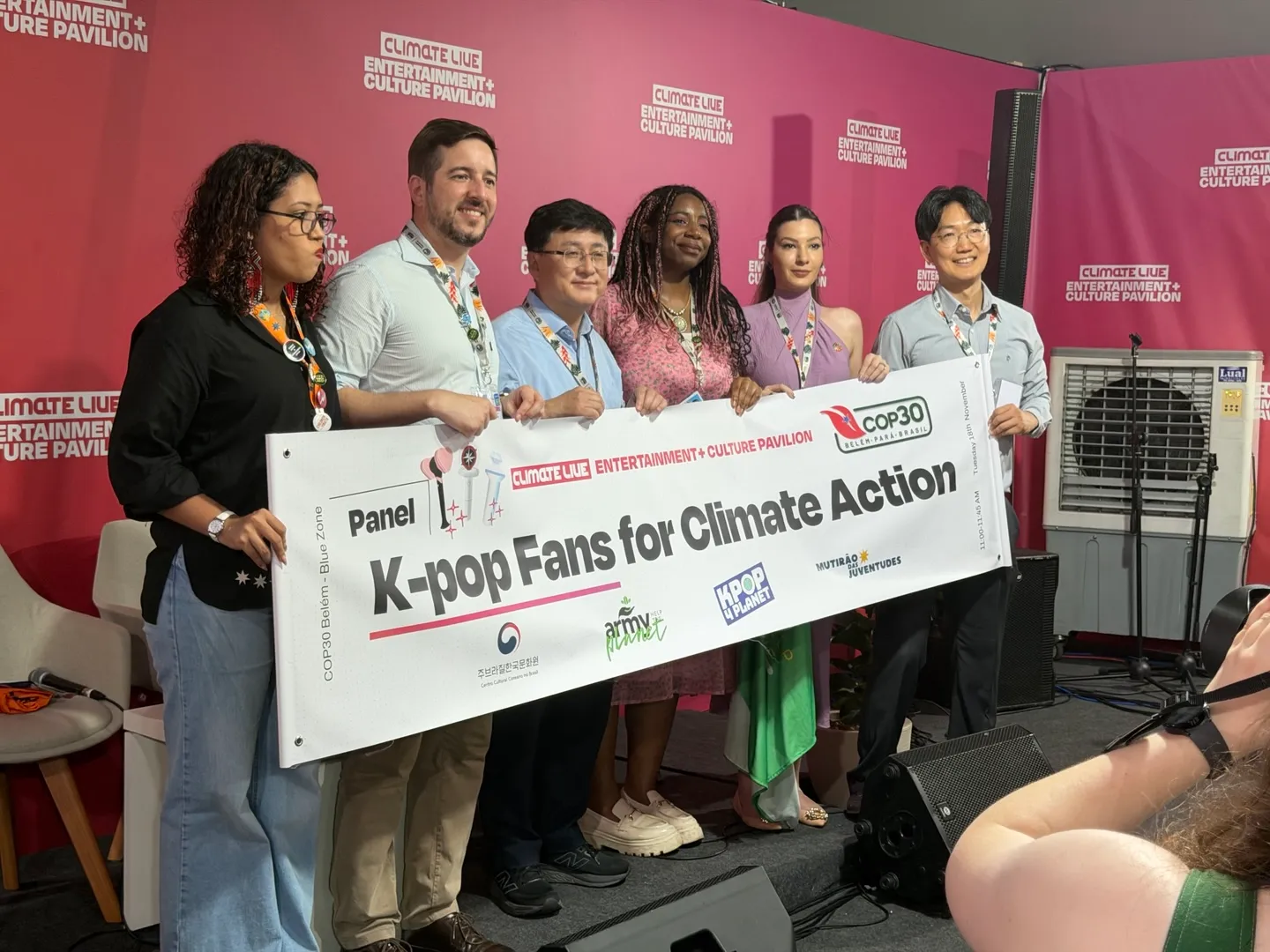
Last November, the COP30 venue (the 30th Conference of the Parties to the United Nations Framework Convention on Climate Change, held in Belém, Brazil from November 10–21, 2025), located in the city of Belém at the mouth of the Amazon with a population of 1.5 million, was a point where the urgency of the climate crisis and the harsh reality of international politics intersected. Climate negotiations are frequently stalled or in a standstill as economic interests and political and diplomatic calculations become complexly entangled. This General Assembly likewise once again failed to codify the phasing out of fossil fuels, leaving room for regret. But what was witnessed in the gaps of this sluggish negotiation was a completely different possibility: the ‘power of culture’ that unties the knots that politics could not.[COP30 Venue © Kim Won-sang, Climate Solutions Media Communications]At this General Assembly, Climate Solutions teamed up with global organizations to carry out actions calling for an end to fossil fuel investment. What breathed life into this campaign, which could have been stiff and formulaic, was the cosplay of characters from the animated film ‘K-Pop Demon Hunters.’ Perhaps thanks to the power of global content, the response from participants and press was heated. Multiple foreign media outlets including the AP gave it concentrated coverage, and this soon became an opportunity for climate issues to be translated into popular language and delivered across the globe. This trend even led to actual discussion venues, with a session themed around K-pop and climate response being organized. When Minister of Climate, Energy and Environment Kim Sung-hwan, who visited the venue, delivered an encouraging message through a congratulatory speech, a natural point of connection was formed through which the cultural approach linked to policy interest.The anecdotal experience of a journalist I met on site was even more dramatic. When covering indigenous people in the Amazon rainforest, where public access is strictly restricted, the people who were normally exclusive toward outsiders changed their attitude at the journalist’s single remark that they had ‘come from Korea.’ They mentioned Korean dramas they had watched on Netflix and called out actors’ names, showing goodwill. It was the same at street marches held in downtown Belém. Citizens welcomed them simply for being Korean, and reached out first to take photos together or share social media accounts. The ‘finger heart’ that appeared in every group photo was a symbol of cheerful solidarity that transcended ideology and language.[COP30 Venue © Kim Won-sang, Climate Solutions Media Communications]Such experiences did not flow only one way. To an average Korean, the communities of Pacific island nations were distant both geographically and emotionally. But the ‘Moana Pavilion’ they set up was different. Drawn in by a name made familiar through a famous animated film, people listened at length to the reality of the climate crisis they faced and the messages they conveyed. It was a moment in which the suffering of others, which would have been passed by without culture, was transposed into one’s own issue through the catalyst of culture. Amid the COP30 venue, filled mostly with stiff language and business attire representing companies or nations, the only point of contact that eased the tension and evoked a warm feeling was this kind of informal cultural exchange.As a longtime football fan, Brazil had been a distant country connected only through football. Prior to this, I had only vaguely known of the vast nature of the Amazon ecosystem and had no experience whatsoever of perceiving the indigenous communities within it or their culture. I was able to encounter a country I was uncertain I would ever visit in my lifetime, thanks to the unfamiliar stage of the Climate Assembly, and the two countries broke down each other’s psychological barriers through culture. In the enormous international task of climate response, what is as important as technological solutions or policy consensus is ultimately ‘the will to connect.’ This is because no matter how sophisticated the policy, it is difficult to gain momentum if it cannot move the hearts of the public.[COP30 Venue © Kim Won-sang, Climate Solutions Media Communications]The role of culture as one axis of climate negotiations will become even more important going forward. Even if we do not share a language and even if our political stances differ, we watch the same films and enjoy the same songs, thereby recognizing each other’s existence. This soft link could become the key to solving the planetary conundrum of the climate crisis. This is why more cultural artists and influencers must gather under the value of climate. The power to rescue climate politics from deadlock may lie not on the cold negotiating table but in the site of the vibrant culture we enjoy together.by Kim Won-sang (Climate Solutions, Media Communications)
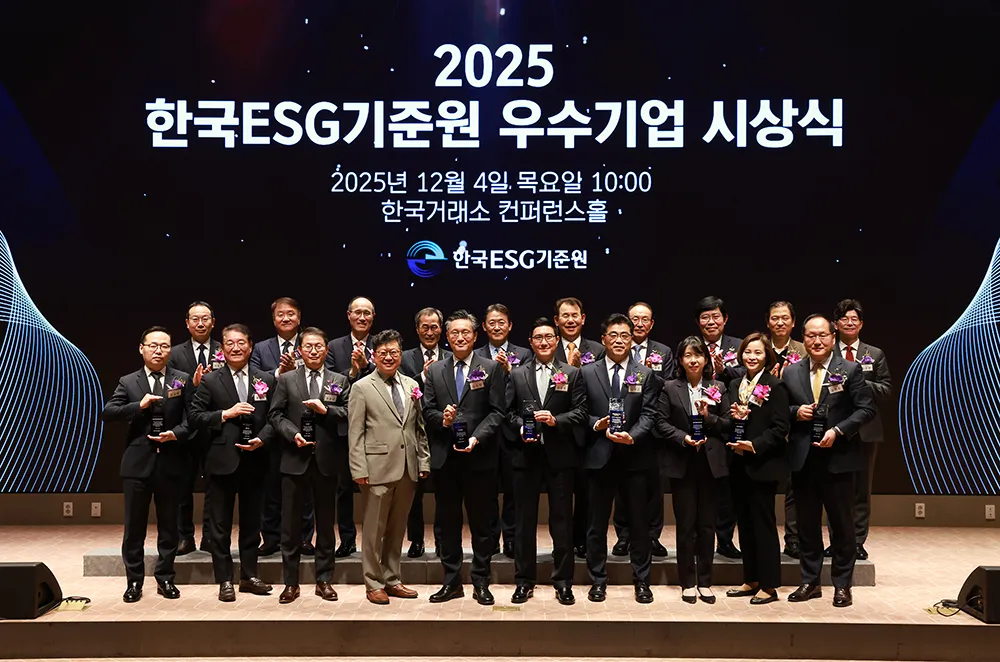
With the arrival of December, companies’ ESG report cards are being released one after another. Companies with excellent ESG performance publicized this year’s ESG achievements, while the reasons for the relatively low ratings of other companies are being analyzed by the media and the market. ESG stands for the three core elements for achieving sustainability in corporate management. So what is ESG evaluation, and what kinds of evaluation agencies exist? Let us also learn about what ESG evaluation is, the differences between domestic and international ESG evaluators and their respective evaluation criteria, and the comprehensive ESG evaluation elements through the K-ESG Guidelines.[2025 Korea ESG Standards Institute (KCGS) Excellent Company Awards Ⓟ KCGS]What Is ESG Evaluation?Now, both investors and consumers are utilizing ESG to evaluate companies. According to a 2021 survey, over 60% of consumers responded that they consider ESG activities in their consumption, and several global credit rating agencies including Moody’s also reflect ESG in their credit ratings. While it is important to receive good ESG evaluations, there is no single common evaluation standard. Currently, more than 600 evaluators worldwide assess companies using differing ESG definitions and processes. This is precisely why ESG evaluation grades differ significantly from one evaluator to another, regardless of whether they are domestic or international. ESG disclosure is scheduled to become mandatory in South Korea from 2026 onward, and if evaluations can be conducted with a common standard in this way, it appears that somewhat more accurate evaluation and comparative analysis will be possible going forward. The ESG evaluation grades of representative companies can be grasped at a glance on the ESG Portal jointly created by the Korea Exchange and the Financial Services Commission. [ESG Portal Site Mobile Screen Ⓟ ESG Portal]Where Should ESG Evaluations Be Received?ESG evaluation institutions each set the definition of evaluation items, measurement methods, and the weighting of each item differently. For example, for the same electric vehicle company, Evaluation Agency A focuses on the emission of pollutants during the operation of the electric vehicle, while Agency B focuses on the emission of pollutants during the production process of the electric vehicle. This is how evaluation scores diverge.If a domestic company is evaluated by a domestic evaluator, a qualitative ESG evaluation based on non-financial information is possible compared to an overseas evaluator. A major advantage is that even companies without an English-language sustainability report can receive an evaluation. In addition, the ability to encompass domestic-specific ESG risks such as chaebol owner risk within the evaluation scope can also be seen as a strength. The broad framework for evaluation by institutions providing scores on the ESG Portal, such as KCGS, Sustinvest, and the Korea ESG Research Institute, is similar. They use corporate disclosures, business reports, sustainability reports, and publicly available materials on company websites as evaluation data, and may also utilize media such as news articles. Each of the E, S, and G domains are divided into detailed items to assign scores, points are deducted where risk factors exist, and weightings are applied to each item score reflecting industry-specific characteristics. Evaluation results are expressed in 7 grades; for Sustinvest, AA is the highest grade, while for the other two institutions, S is the highest grade.[Ⓟ Sustinvest]Examining the characteristics of each evaluator more closely, KCGS is a non-profit incorporated foundation in which capital market-related institutions including the Korea Exchange participate. Its evaluation purpose is to help companies examine and improve their current level of sustainable management. Among ESG, it evaluates the G domain by dividing it into ‘general listed company governance’ and ‘financial company governance,’ and also awards companies with excellent evaluations. Sustinvest’s evaluation purpose lies in investment. It helps investors make investment decisions that consider ESG factors as well. It also verifies information that companies have not disclosed, which is reflected in the ‘controversy assessment,’ where points are deducted by monitoring issues that may be controversial from an ESG perspective, and the ‘large corporate group assessment,’ where points are deducted from the G domain score for risks arising when the owner family influences the corporate group with a minority stake. Meanwhile, the Korea ESG Research Institute is a relatively new institution launched in 2021 from the Daishin Economic Research Institute. It is carrying out improvement work to refine industry-specific weightings on an annual basis and calculates evaluation grades by applying relative evaluation. [Ⓟ KCGS]There are also advantages to being evaluated by overseas evaluators. Cross-comparison of scores with global companies becomes possible. The most widely used evaluation standard, MSCI, evaluates based on publicly available information, selecting and weighting issues of high financial materiality by industry. It is also designed to measure a company’s resilience to ESG risks. S&P reflects global corporate sustainability assessment scores in publicly available materials such as corporate disclosures. This sustainability assessment includes industry-specific questionnaires that companies can directly answer. S&P produces results by scoring from 0 to 100 points instead of grades. Beyond these, Sustainalytics and Refinitiv are representative overseas evaluation institutions. [Ⓟ MSCI]ESG Evaluation Items: Based on the K-ESG GuidelinesSince ESG evaluation methods differ so much, companies may be confused about which indicators to use as the basis for establishing their ESG response direction. The Sustainable Management Support Center provides the ‘K-ESG Guidelines,’ which are materials analyzing the key points of major domestic and international ESG evaluation indicators and disclosure standards, and can be considered suitable for understanding common evaluation criteria across evaluators.[K-ESG Guidelines v2.0 Cover Ⓟ Sustainable Management Support Center]The Guidelines add a P (disclosure) domain to E, S, and G. First, Environmental (E) is composed of a total of 25 items. It checks whether environmental management objectives have been established, how resources (energy, water) are being managed, and the volume of greenhouse gases, waste, and pollutants being emitted. Whether there are any violations of environmental laws and regulations, and how many eco-friendly certified products exist also have an impact. It includes climate change response methods including climate change governance, as well as biodiversity conservation activities. Social (S) is composed of a total of 22 items. These include the labor domain, which checks new recruitment, the proportion of regular employees, and the guarantee of freedom of association, as well as the diversity and gender equality domain, which evaluates the proportion of female members and the employment rate of persons with disabilities. Governance (G) has a total of 17 items. It evaluates board composition and activities, shareholder rights, and so forth. Additionally, ESG Information Disclosure (P) refers to the act of publicly informing about environmental, social, and governance-related information that influences the decision-making of investors and diverse stakeholders. The disclosure domain checks the method, frequency, and scope of information disclosure.Since ESG does not yet have a long history, its evaluation standards are diverse as described. With both South Korea and the world set to begin ESG regulations in earnest from 2026, the importance of ESG evaluation is expected to grow even further. Next year, checking ESG evaluation methods and inferring the ESG level of our companies will also be an interesting activity. by Editor L
2025 was a year in which global interest in K-pop exploded with the success of the Netflix original animation <K-Pop Demon Hunters>. K-pop artists won major music awards overseas, and the elevated status of K-pop could be confirmed as major international award ceremonies newly established K-pop categories. Accordingly, the number of idol groups conducting world tours is increasing, and the reach of K-pop is expected to expand further, with so-called ‘export-type idols’ who receive more love overseas than in Korea emerging. [YG 2024 Sustainability Report Cover Ⓟ YG]As more people pay attention, those turning their eyes toward the sustainability of K-pop are also increasing. Behind the glamour of K-pop — from the scene of purchasing and discarding albums made of materials difficult to recycle as if they were fan sign tickets, to the changing facilities and custom-made costumes for each stage — lie environmental issues that cannot be ignored. Like G-Dragon, the youngest recipient of the Order of Cultural Merit, and BLACKPINK, who received the Order of the British Empire, YG is a ‘prestigious K-pop house’ that has produced artists representing K-pop. YG, which broke a seven-year hiatus last year by unveiling the new female idol group BABYMONSTER and is actively active, is also putting considerable effort into ESG. Today, we examine YG’s sustainable management, which is writing records of firsts in the domestic entertainment ESG field, including obtaining the international standard for occupational health and safety management systems set by the International Organization for Standardization, presenting the concept of sustainable performances, and strengthening accessibility within concert venues.The Impact of Climate Change on EntertainmentThe entertainment business, having no production activities, has relatively low greenhouse gas emissions compared to other industries. However, if appropriate management policies for responding to climate change are not established, the activities of affiliated artists and, further, the brand image could take a hit. Moreover, abnormal weather can inflict direct physical damage on corporate management activities. Weather anomalies such as wildfires, typhoons, and heatwaves are highly likely to generate unnecessary costs and unexpected accidents. For instance, if an accident occurs due to a natural disaster during the travel or operational process for an artist’s overseas or regional performance attendance, or if the artist’s condition is affected, this can act as a business risk. Accordingly, YG is responding to risks by calculating the greenhouse gas emissions of performances, using new and renewable energy, improving the energy efficiency of its company building, and establishing guidelines by type of natural disaster. YG is also considering opportunity factors in which the company’s reputation and the market and social perception of its artists improve as a result of selling low-carbon, environmentally friendly products. It carries great significance from an ESG perspective that a company that sells intangible values such as brand image and music has reached a conclusion converging on the value of coexistence: that being eco-friendly is directly in the company’s interest. The First Step to Eco-Friendliness Starts with ElectricityGiven the nature of the entertainment industry, where nearly all corporate activities take place in the digital realm, the first greenhouse gas reduction and climate change response measure YG can take is to change the way it consumes electricity. In fact, with the goal of achieving RE100 by 2050, YG is establishing a plan to convert this year the power usage that accounts for 65% of Scope 1 and 2 to renewable energy. [YG New Building Bird’s-Eye View Ⓟ YG]To achieve this target, YG has installed solar power facilities at the new company building, the construction of which began in 2012, and is partially producing its own energy. It is reducing its purchase of external electricity by installing building-integrated photovoltaic modules and rooftop solar panels. As a result, in 2023, 3% of its annual electricity usage was replaced with self-produced new and renewable energy. Beyond its own production of new and renewable energy, YG is also reviewing direct and indirect new and renewable energy purchase policies including PPA and REC platform transactions. In fact, in 2023, it purchased renewable energy equivalent to 5% of its annual electricity usage through RECs, and in 2024, it has a policy to expand that proportion to 30%. In addition, YG has made efforts to reduce its absolute electricity usage by optimizing the number of heating cycles through external temperature monitoring.A New Vision: Sustainable PerformancesYG defines performances as festive venues that move the emotions of countless people and lead them to action. A performance, as an occasion that can gather people with the same interests and lead to behavioral change, is not only an opportunity for fans and artists to breathe together but becomes an event of cultural significance. YG is pursuing projects to improve the environmental impact of such performances and the accessibility for disabled audience members. A sustainable performance is one that minimizes the negative impacts of the performance on the environment and society and enhances the positive impacts. YG’s sustainable performances are being advanced in accordance with the ‘2030 Sustainable Performance Roadmap,’ which aims to produce all performances by YG-affiliated artists as sustainable performances by 2030, following preliminary work to derive KPIs. [YG Sustainable Performance Report Cover Ⓟ YG]YG’s first action to realize sustainable performances is to collect objective indicators of the greenhouse gases generated by performances. ‘YOUR GREEN STEP,’ first attempted at BLACKPINK’s concert, is a program that calculates the means of transportation used by audience members to travel from their residences to the concert venue and the approximate greenhouse gas emissions accordingly. Since then, AKMU’s concert and TREASURE’s concert have also measured the greenhouse gas emissions emitted by the audience using the same program, and have estimated the Scope 1–3 greenhouse gases generated per performance by calculating the greenhouse gases emitted during the performance operation process through a third-party institution. Based on this data, YG plans to establish work promotion processes, develop a framework, and utilize it for numerical improvement. Beyond this, YG has collaborated with waste collection companies to reduce the environmental impact of waste generated during performances, secured seating for wheelchair-using audience members, and produced videos guiding access to the performance venue. This is a policy that considers not only the environment but also the social impact on audience members who attend performances, and is a point where one can glimpse YG’s deliberation on the cultural values that performances disseminate, going beyond environmental protection. Like K-pop and K-beauty, Korean culture is spreading across the world bearing the ‘K’ brand. The sustainable management that YG practices across its corporate management and performance operations is significant in that it leaves ethical legitimacy for Korea’s soft power, as well as material and spiritual heritage for future generations. If you are curious about the ESG moves of domestic entertainment companies striving to deliver tangible and intangible values, take a look at YG’s sustainability report. by Editor L
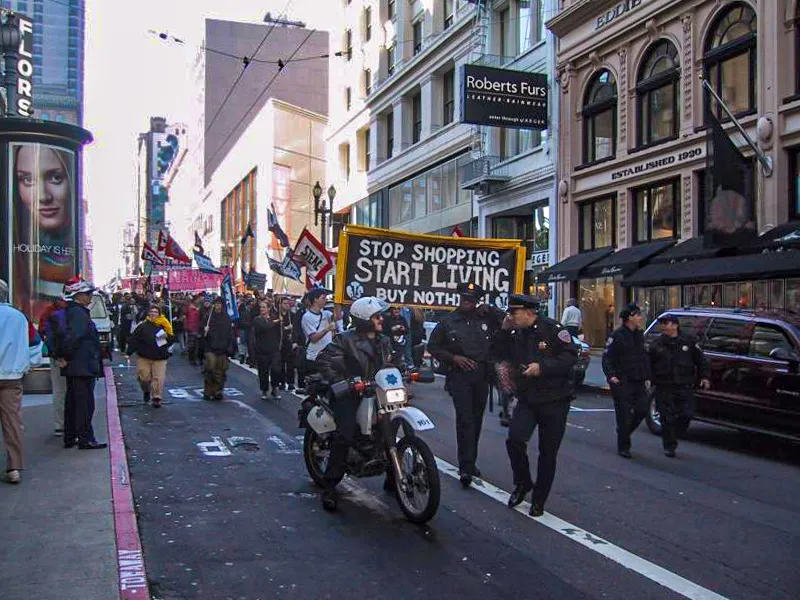
How much did we consume this autumn? From late October through early December, many of our favorite shopping malls — SSG.com, AliExpress, Musinsa, Olive Young, and others — held sales. Amid the relentless sale relay surrounding Black Friday, our wallets opened ceaselessly as well. Musinsa, which recorded the highest-ever sales for this Black Friday in the heat of the moment, disclosed that it sold products worth over KRW 1.5 billion every hour. In the United States, where Black Friday originated, it was projected that 186.9 million people would go shopping this year, from Thanksgiving through Black Friday to Cyber Monday, the online shopping mall discount event. The U.S. retail market is in high spirits, with expectations of USD 11.7 billion in online sales on Black Friday, an 8.3% increase from the previous year, and USD 14.2 billion on Cyber Monday, a 6.3% increase from the previous year.[Musinsa Black Friday Poster Ⓟ Musinsa]Is Black Friday, which sways our hearts in this way, simply a good day to purchase the things we want cheaply? Is it not spurring indiscriminate consumption at low prices and causing the waste of countless resources? The last Friday of November, the same day as Black Friday, is also ‘Buy Nothing Day.’ The anti-consumerism movement also began around this day, giving it great significance. Today, let us examine ‘Black Friday’ on the last Friday of November, ‘Cyber Monday’ on the following Monday, and ‘Buy Nothing Day.’[U.S. Walmart Black Friday Promotion Poster Ⓟ Walmart]Black Friday + Cyber Monday vs. Buy Nothing DayBlack Friday is the day after Thanksgiving, the fourth Thursday of November, and is the shopping day boasting the largest discount rates in the United States. The expression ‘black’ originates from the fact that it is the day retailers first record profits in black ink for the year. After spending the biggest holiday, Thanksgiving, Americans take the following Friday off to visit stores and sweep up goods. Cyber Monday, the online version of Black Friday, is the first Monday after Black Friday. The New York Times has reported that this day records the largest annual internet shopping sales, because office workers who have returned to work after the four-day Thanksgiving holiday shop using the fast internet at their workplaces. Based on this, Cyber Monday, which began around 2005, now draws even more attention than Black Friday, as online shopping has become ubiquitous.[Buy Nothing Day Ⓟ Wikipedia]Buy Nothing Day is, contrary to the above commemorative days, a day to reflect on the environmental destruction, labor issues, and unfair trade problems caused by excessive consumption, and to look back at ourselves, addicted to trends and shopping. Begun in 1992 by advertising industry professional Ted Dave, and promoted annually by the non-profit organization ‘Adbusters Media Foundation,’ composed of activist artists, this day began its campaign in South Korea in 1999 led by Green Korea United. Brands Participating in Buy Nothing DayIt is fascinating to see brands that should promote consumption either halt product sales on Buy Nothing Day or lead sustainable consumption. The Swiss brand Freitag, which recycles truck tarpaulins into bags, and the American eco-friendly fashion brand Patagonia are representative examples. Freitag launched the bag exchange platform ‘S.W.A.P (Shopping Without Any Payment),’ and from 2020 has redirected consumers accessing its online store on Black Friday to this platform. Going further, in the past two years, it did not sell products at its official stores and online stores worldwide for the one day of Black Friday. Instead, in 2023 it ran a free bag rental campaign, and in 2024 it encouraged people to experience the S.W.A.P bag exchange service offline. This year, it opened a new bag repair center in Zurich timed for Black Friday, and in celebration, ran a first-come, first-served free bag repair service at select stores worldwide. Patagonia, which gained fame in 2011 by running the advertisement ‘Don’t Buy This Jacket’ on Black Friday, likewise does not hold Black Friday discounts. Instead, through its official website, it introduces clothing repair services and repair methods and shares information on grassroots environmental protection activities across the country. It has also released ‘Reading Hate Comments’ content in which employees themselves cheerfully explain why Patagonia does not have a sale on Black Friday, and why and how it strives for environmental protection.[Freitag’s New Repair Studio Ⓟ Freitag][Patagonia’s ‘Don’t Buy This Jacket’ Campaign Ⓟ Patagonia Korea]Beyond these, the Canadian beauty company Deciem’s brand The Ordinary, noting that Black Friday encourages impulse buying with short sale periods and high discount rates, runs the ‘Slowvember’ campaign, discounting products throughout the month of November. It provides time to consider what the skin needs and even presented a ‘Guide to Distinguishing Fake Benefits’ that spur unnecessary purchases. South Korea’s online shopping platform 29cm commemorated ‘Buy Nothing Day’ this year by releasing interview content on sustainable consumption with stand-up comedian Won So-yoon and YouTuber Jimmy Jo. By recommending environmentally related products such as vegan items, it naturally heightened interest in ‘Buy Nothing Day’ and ‘sustainable consumption.’Buy Nothing Day and the YONO Consumption TrendAnti-consumerism has spread in earnest from Buy Nothing Day as its starting point. Anti-consumerism rejects consumption itself, recycles to reduce social and environmental problems, and may even boycott specific products or brands based on political or social beliefs. This anti-consumerism, which began in the 1990s, has appeared in various forms including the emergence of freeganism* and the popularity of minimalist lifestyles.*Freeganism: A compound of ‘free’ and ‘veganism,’ an anti-consumerist, anti-capitalist movement of consuming and using discarded food and goods.[<Low Consumption Life> Ⓟ RH Korea]The recently spotlighted trend ‘YONO (You Only Need One)’ is a movement to minimize current consumption and possessions. As a concept opposite to YOLO (You Only Live Once), which gained popularity a few years ago, it aims not to buy unnecessary items, to buy quality items and use them for a long time, and to seek out secondhand transactions when purchasing. The fact that the usage of major domestic secondhand transaction applications has nearly doubled in four years also attests to this trend. Recently, it has also been referred to as ‘underconsumption core’: the book <Low Consumption Life>, which deals with the low-consumption lifestyle of Japanese YouTuber Kazenotami, became a bestseller in both Korea and Japan, and videos under the ‘#Underconsumptioncore’ hashtag on TikTok gained popularity with total views exceeding 60 million. Although it is a trend that has surged due to the prolonged high inflation, economic downturn, and low growth since the pandemic, that is not the only reason. The younger generation that is reducing consumption uses eco-friendly materials, purchases local products that reduce carbon emissions, and rejects fast fashion. It can also be seen as one facet of sustainable consumption that considers society and the environment.We have examined brands that participate in Buy Nothing Day, rather than Black Friday, and the related consumption trends. If you have already pressed the purchase button countless times for Black Friday, how about resolving to be ‘the me who buys nothing’ next Black Friday? It will become the simplest environmental movement — one practiced not by doing something but simply by not buying. by Editor L

The trendiest place in Seoul right now is without a doubt Seongsu. The reason the former factory district of Seongsu-dong has risen to become a hot place in just a few years is precisely pop-up stores. Now, one can encounter pop-up stores not only in Seongsu-dong but anywhere with a high young floating population. The boundaries of brands operating pop-up stores have also expanded. Beyond consumer goods such as fashion and beauty, IT companies like Lenovo are also opening pop-up stores. Pop-up stores, to which the concept of ‘limited-edition spaces’ has been added, are currently the most attractive marketing tool.The explosive growth of pop-up stores is because they satisfy the needs of both consumers and companies. As social media has become a means of self-expression beyond a communication channel, demand for visually ostentatious content has increased. A pop-up store, which shows a brand at its most dazzling for a limited period, is material second to none for uploading to social media. For companies for whom a long-term offline space is burdensome, the pop-up store is a convenient method that can deliver a message with impact while minimizing risk. Through pop-up stores, consumers are provided with visual content they can share, while companies can enjoy high visitor numbers and social media diffusion effects in a short period.[‘Pop-Up Guidebook’ created by Seongdong-gu, the mecca of pop-up stores Ⓟ Seongdong-gu Office]What Pop-Up Stores Leave Behind After They DieIn Seongsu-dong, the landscape changes after just a few days. It is a vibrant landscape created by the countless pop-up stores that open and fade away. So where do all the decorative elements that have transformed the space overnight go?According to Seongdong-gu Office, an average of around 90 pop-up stores go up and disappear in the Seongsu-dong area each month. As Seongsu-dong has become a mecca for pop-up stores and space rental costs have risen, the operating period of pop-up stores is trending shorter. The average operating period of pop-up stores, which was still 22.6 days in 2024, decreased to 15.7 days in May 2025. The shorter the operating period of pop-up stores, the more waste increases. Given the temporary nature of pop-up stores, quick installation and dismantling are necessary, so interior structures and one-off installations are made from cheap materials. Most of these materials are unavoidably damaged in the dismantling process, making recycling difficult.Each time a single pop-up store is dismantled, roughly 3 containers of waste are discharged. Since this is not construction waste such as brick or concrete, it is classified as general waste and is either incinerated or landfilled without any particular regulation. The volume of general workplace waste generated within Seongdong-gu has increased more than tenfold, from 51.2 tons in 2018 to 518.6 tons in 2022. The influence of pop-up stores is not insignificant. Such repetitive and continuously occurring resource loss and waste disposal increase corporate carbon footprints and local community environmental costs. A red light has come on signaling a transition into ESG risk.The Possibility of Sustainable Pop-Up StoresAs if conscious of the environmental problems caused by pop-up stores, some brands are operating sustainable pop-up stores. The beauty brand Tone28, at its pop-up store held last year, minimized new installations by utilizing equipment previously used at its headquarters and laboratory for booth construction. Additionally, Maeil Dairies operated the pop-up store ‘Amazing Oat Café’ built with eco-friendly interiors, such as presenting chairs made from rice straw material in 2022 and utilizing discarded wood pallets in Seongsu-dong.Specialized interior companies that create sustainable pop-up stores have also emerged. A representative example is ‘Buildweller.’ Buildweller developed the ‘Store Module System,’ eliminating adhesive methods that make material dismantling difficult and designing the system so that materials used for short periods can be easily separated and collected. Dismantled modules are reassembled to suit the brand concept, creating an entirely new space.[‘JOODOC’ Pop-Up Store created by Buildweller © Buildweller]Preparing pop-up stores in a new way requires the reorganization of existing operating methods and cost structures. Those who operate pop-up stores will inevitably worry about profit and loss. Yet for companies today that seek to contribute to sustainability, the gains that can be made in terms of resource efficiency and brand reputation cannot be ignored.Quality of Experience vs. Overconsumption: Where Will We Open Our Wallets?Although the environmental issues of pop-up stores are endlessly discussed, substantive change is minimal. This is because people visit even without such deliberation. Currently, the management of pop-up store waste is entrusted entirely to corporate voluntarism. However, the responsibility for operating sustainable pop-up stores cannot be left solely to companies. Those who enjoy, record, share, and consume pop-up stores — everyone in the pop-up ecosystem — bears this responsibility. We cannot simply wait for companies to change in the absence of individual and policy changes.We can express our intentions by choosing where to pour our limited resources. This connects to policy discussions. When institutional mechanisms such as regulations on one-off exhibition structures and waste, and environmental impact assessments are strengthened, companies will naturally adopt more sustainable methods. Furthermore, companies will strategically interpret consumer choices and the regulatory environment to redefine the quality of the brand experience from an ESG perspective. The environmental problems created by pop-up stores will not be easily resolved without multifaceted efforts to change all together: individual awareness, government-level support and regulation, and the need for ethical corporate management.Pop-up stores have added vitality to the run-down Seongsu-dong, but the rapidly increasing environmental costs are hard to ignore. When designs and operating methods that take ESG standards into account spread, pop-up stores will be able to establish themselves not as a mere ‘trend’ but as a sustainable brand experience platform. by Editor L

Global credit rating agency S&P Global introduced a new evaluation system in 2025 for the first time targeting solar and wind ESS (Energy Storage System) manufacturers worldwide. Outstanding companies were selected by comprehensively analyzing various factors including market position, market share, scale, financials, and sustainability. After passing through such rigorous criteria, the Q Cells division of the domestic company Hanwha Solutions was selected as Tier 1 Clean Tech. Let us examine the ESG strategy of a company leading the materials and energy sector, recognized for its value in the global market, through Hanwha Solutions’ sustainability report. [Hanwha Solutions 2025 Sustainability Report Cover Ⓟ Hanwha Solutions]Together, Further: Hanwha Solutions’ PortfolioHanwha Solutions is a global energy and materials-based solution company operating businesses in a total of five fields. Its representative business areas include the Chemical division, which produces petrochemical products and recycled raw material rPE (recycled polyethylene) certified by global certification bodies under international recycling standards, and the Q Cells division, which is building a solar power value chain from solar panels to energy storage devices. The Insight division, which emphasizes sustainability, researches sustainable urban development solutions that consider industrial and lifestyle domains such as new and renewable energy and premium lifestyles. As for business areas that target overseas markets without having domestic business sites, there are the Q Energy division, which is dedicated to introducing eco-friendly energy within Europe, and the W&C division, which constructs grids that distribute power produced through new and renewable energy methods.These five business divisions are researching and developing sustainable energy and material solutions by domain. Hanwha Solutions, whose business portfolio alone reveals its orientation toward a sustainable future — so what methods is Hanwha Solutions employing to realize ESG?The Sustainable Future Created by Hanwha SolutionsFirst, it is necessary to examine the way Hanwha Solutions makes its products and the results. Hanwha Solutions analyzed the business risks and opportunities arising from climate change. The petrochemical-based Chemical division carries the risks of policy regulation, changes in consumer awareness, and the emergence of low-carbon substitutes. Meanwhile, the expansion of the hydrogen industry, the increase in the share of new and renewable energy, and the growth in demand for bio and recycled plastics will provide positive opportunities for the Chemical, Q Cells, and W&C divisions.[Representative Types of Water Electrolysis Technologies Ⓟ Hanwha Journal]Based on this analysis, Hanwha Solutions is adopting a strategy of expanding eco-friendly businesses, developing new and renewable energy infrastructure, and taking the lead in total energy solutions. First, the Chemical division is researching and developing Anion Exchange Membrane Electrolysis (AEMEC) technology to activate the hydrogen industry. Currently commercialized water electrolysis methods include Alkaline Water Electrolysis (AWE) and Proton Exchange Membrane Water Electrolysis (PEMEC), but both technologies have respective limitations in terms of initial investment cost or productivity. The AEMEC being developed by Hanwha Solutions is a method that complements the limitations of AWE and PEMEC, and is expected to be capable of producing large volumes of hydrogen even with low investment costs and low electricity consumption. Additionally, the Hanwha Solutions Insight division is planning the construction of solar power and fuel cell facilities at H-Techno Valley in Hwaseong, Gyeonggi Province, for the development of new and renewable energy infrastructure. H-Techno Valley is a semiconductor and automotive specialized industrial complex, and producing products using new and renewable energy in an industrial sector where demand will remain high going forward is significant. Beyond this, reflecting the geographical characteristics of South Korea with its many mountainous areas, the Insight division also acquired a patent for a solar power facility structure that can be arranged in an east-west direction. The structure, which compensated for the limitations of existing facilities that could only be arranged facing due south, now secures advantages such as shortened construction periods, improved economic viability, and reduced wind resistance, thus ensuring the efficiency and economic viability of the solar power facilities that will grow in the future. [Perovskite Campaign Image Ⓟ Hanwha]Finally, the Hanwha Solutions Q Cells division is strengthening its leadership in solar technology to take the lead in total energy solutions. Most solar silicon modules have a power generation efficiency of around 23–24%. In other words, only 23–24% of the solar light energy received by the module can be converted into electricity. The M10-standard perovskite-crystalline silicon tandem cell, independently developed and manufactured by the Q Cells division, can absorb solar light of wavelengths different from existing silicon cells and produce approximately 15% additional power. The Q Cells division is also constructing a ‘Solar Hub,’ an integrated solar production complex, to build a renewable energy value chain within the United States. Through this, it provides total energy solutions encompassing product sales, project development and operation, and power intermediation and sales. As a result, it was selected as the engineering, procurement, and construction partner for TransGrid Energy, which operates a significant-scale Battery Energy Storage System (BESS) complex within the United States, and construction is underway. Sustained technology research and energy capability development have borne substantive results. Making ‘Eco-Friendly Products’ in an ‘Eco-Friendly’ WayHanwha Solutions does not stop at developing eco-friendly technologies and producing products, but applies processes that ensure the process does not have a negative impact on the environment. Hanwha Solutions declared its 2050 Net Zero commitment in 2021.[View of the Jincheon Plant of Hanwha Solutions Q Cells Division Ⓟ Hanwha Q Cells]The most important aspect of greenhouse gas reduction is to reduce absolute energy consumption. The Q Cells division promoted an LED lighting replacement project at the Jincheon and Eumseong plants. Unlike fluorescent lamps, LEDs do not use mercury, thus producing no carbon dioxide, and are superior to incandescent bulbs in terms of energy efficiency and power consumption. In addition, the Jincheon plant, which produces solar cells and modules, introduced cooling system optimization facilities to reduce its energy usage, investing in the HVAC system that uses the most power to save energy.The Chemical division is realizing sustainability through air pollutant management. It has set its air pollutant emission allowance standards at 30% of the legal standard and is conducting self-measurement of abatement facilities. It systematically manages air pollutant emissions by strengthening close monitoring of the operation of air pollution-related facilities. It is also managing nitrogen oxide emissions by introducing reduction facilities suited to the characteristics of each business site.Hanwha Solutions is an affiliate of the Hanwha Group, launched through the integration of Hanwha Q Cells & Advanced Materials and Hanwha Chemical. In particular, the Chemical division, one of the domestic petrochemical Big Four, traces its origins to the state-owned enterprise Hanyang Chemical and shares the history and lineage of the Korean petrochemical industry. The petrochemical industry produces materials indispensable to our lives such as plastics, nylon, polyester, and acrylic, yet it faces a crisis in which the very reason for the industry’s existence must be proven, due to global oversupply and the trend toward defossilization. Hanwha Solutions is securing its future competitiveness through a strategy of diversifying its portfolio with various energy supply solutions including petrochemicals, while simultaneously pursuing sustainability in both process and outcome. Hanwha Solutions’ ESG strategy and Scope 3 emissions strategy, which could not be covered in this article, can be found in the 2025 Hanwha Solutions Sustainability Report. by Editor L