Loading Data
Please wait a moment...
Update Cal.
2026.08
03
Mon
04
Tue
05
Wed
06
Thu
07
Fri
08
Sat
09
Sun
Update Calendar
2026.08
01
Sat
02
Sun
03
Mon
04
Tue
05
Wed
06
Thu
07
Fri
08
Sat
09
Sun
10
Mon
11
Tue
12
Wed
13
Thu
14
Fri

Loading Data
Please wait a moment...
Morning features and interviews. A morning story over a cup.
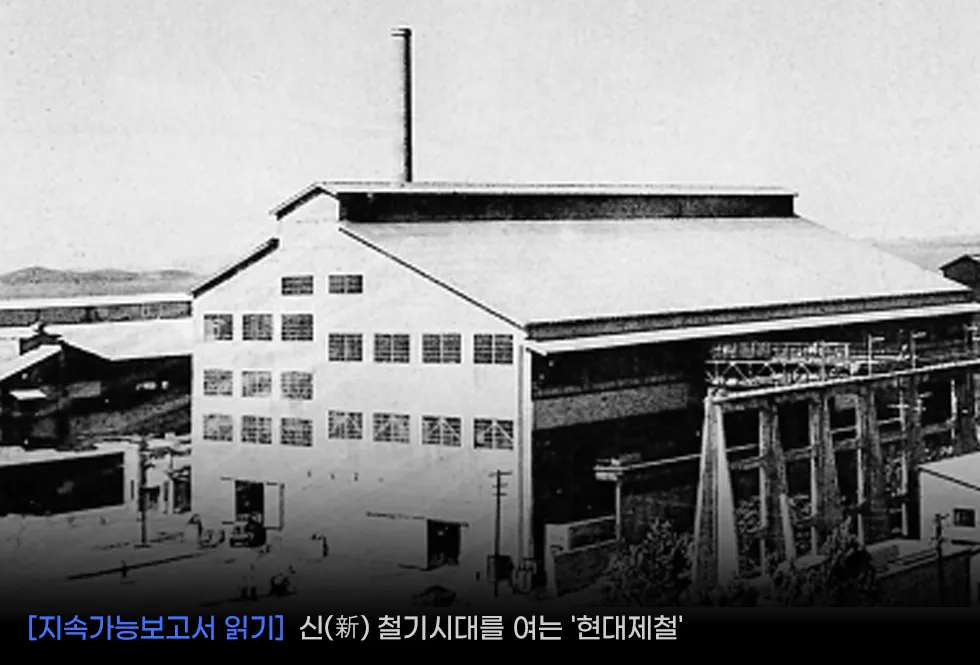
On June 10, 1953, even before the Korean War was concluded, "Hyundai Steel" began as "Daehan Heavy Industries Corporation." Hyundai Steel, which raised up the steel industry for the first time in Korea with the will to rebuild the nation over the ruins of war, is now counted among the world's top 10 steel companies. Let us look at the sustainability report of Hyundai Steel, driven by continuous innovation and a spirit of challenge.[A view of the brightly lit steelworks exterior © Hyundai Steel]WE Do in Sustainable H-waysHyundai Steel says that for a company's success, social responsibility for the "environment" is important. Under the slogan "We Do in Sustainable H-ways," meaning acting in a sustainable way, it set an ESG strategy framework of three practice directions: "eco-friendly management (Heritage)," "shared-growth management (Humanity)," and "right management (Harmony)."It also set six ESG promotion fields, establishing and practicing mid-to-long-term goals by field. Through this, it carries out activities that minimize environmental impact and also unfolds activities to protect natural capital, such as biodiversity conservation. Here, we will look at a few ESG areas that Hyundai Steel highlighted as major.[Byproducts from the metal-melting process are also recycled © Hyundai Steel]Hyundai Steel's Environmental ManagementTo improve the environment and reduce greenhouse gases, Hyundai Steel is actively working on environmental improvement, investing 680 billion won over five years starting in 2021. It also strives to develop recycling technology utilizing the byproducts that come out of the process of making molten iron. Hyundai Steel strives to create a clean environment with a thorough pollutant-management system and hazardous-chemical monitoring. Based on this direction, it is responding to the climate crisis by practicing the bold goal of carbon neutrality by 2050 and a phased reduction plan.It has also rolled up its sleeves to raise energy efficiency. With the goal of reducing energy use by 5% by 2027, it is working on company-wide energy saving. Executives directly preside over energy-saving meetings and oversee energy diagnostics by plant. It operates measures to prevent energy waste, such as developing a system that uses artificial intelligence to predict the temperature of coke ovens. In particular, it plans to reduce greenhouse-gas emissions by building "Coke Dry Quenching" equipment that recycles thermal energy. It is also practicing energy saving by introducing technology that raises the combustion efficiency of heating furnaces.[Ecosystem-protection program © Hyundai Steel]Implementing Ecosystem-Protection ProgramsHyundai Steel carried out endangered-species conservation projects near its sites such as Dangjin and Suncheon, together with partner organizations such as World Vision, the Korea Ecotourism Association, and the Citizens' Institute for Environmental Studies. In particular, by installing an "ecological ladder" for "improving the habitat environment of the gold-spotted pond frog" and carrying out environmental-cleanup activities, it provided an occasion for local residents and employees to pool their strength for environmental restoration together. It also ran the "I'm a Citizen Scientist Too" program, which provides ecosystem education and field experience for young people in the Dangjin area. This program, for the purpose of biodiversity education, has participants observe and record endangered species while learning the importance of biodiversity.It also conducted an "ecotoxicity assessment" to minimize the impact of wastewater discharge on marine ecosystems. As part of its efforts to minimize Hyundai Steel's impact on the environment, this also led to an eco-park project creating green space near its sites. Through such programs, Hyundai Steel continues to cooperate with local communities and join in sustainable development and the conservation of the natural environment. [Coffee-ground recycling and the "Anyone Bench" project © Hyundai Steel]Activities for a Society That Lives TogetherHyundai Steel is also carrying out various activities for social responsibility in the areas of the environment, safety and protection, and future generations. In the environmental field, it carried out a "coffee-ground (coffee waste) re-resourcing project" and an urban-forest creation project, "Making a Green Dong-gu." In particular, through coffee-ground re-resourcing, it also contributed to reducing local-community waste and creating jobs for vulnerable groups. In the safety-and-protection area, it expanded facilities for people with disabilities through the "Anyone Bench" project. The Anyone Bench, a convenience facility that both people with and without disabilities can use, drew attention with its user-friendly bench model design along with improving awareness of disability. On the sustainability front, Hyundai Steel continues efforts to enhance the welfare of the local community and stakeholders, providing investment of 17.1 billion won in social contribution and 88.5 billion won in shared-growth support.The "Korea Institute of Corporate Governance and Sustainability (KCGS)" evaluated Hyundai Steel with a "comprehensive A grade in ESG management evaluation." In addition, Hyundai Steel, also selected as a "Sustainability Champion" by the "World Steel Association (WSA)," established itself as an ESG-leading company in the global steel industry. We look forward to Hyundai Steel creating a future of sustainable growth through continuous strengthening of ESG management befitting its evaluations so far.By Editor L

Director Bong Joon-ho's new film "Mickey 17" opened on February 28 amid much interest. This work, combining space-set SF with the director's characteristic black comedy, also drew attention for injecting blockbuster-scale capital of 118 million dollars (about 127.7 billion won), with Director Bong Joon-ho joining hands with America's Warner Bros.Films with Human Clones as MaterialHuman clones are one of the major materials of SF films. Representative examples include "Blade Runner" (1982), about tracking "replicants," clones who have infiltrated Earth; "The Island" (2005), about clones made for the purpose of organ provision who attempt an escape; and "Moon" (2009), a story about an astronaut working at a lunar base and a clone."Mickey 17," another clone film, borrowed as its motif Edward Ashton's original novel "Mickey7," but it is a work that went through much adaptation. The protagonist Mickey, to avoid a loan shark demanding repayment of a debt incurred through business failure, volunteers to become a clone called an "Expendable." He is repeatedly deployed on dangerous missions to achieve the goals of "Kenneth Marshall," a politician seeking to colonize the ice planet "Niflheim," dying and coming back to life over and over. In the process, an accident occurs in which he falls into a crevasse where the "Creepers" — the natives of Niflheim, and from our standpoint alien life forms — lived. Due to this accident, an error occurs even though Mickey 17 is alive, and a new Mickey, Mickey 18, is created; the conflict that ensues is the gist of the film.What story did Director Bong Joon-ho want to tell with the long-standing material of the human clone? The films preceding Mickey 17 explored clones in various ways within their respective eras' contexts. They mainly delved into ethical dilemmas, social class conflict, and the problem of human identity to sharpen their thematic consciousness. This context is contained in Mickey 17 too. Now let us look at this from an ESG perspective.[Radical politician "Kenneth Marshall," revered like a religious cult leader © Warner Bros.]Earth's Devastation and the Problem of SustainabilityWhy did Mickey, who had to die and be revived as many as 17 times, have to leave Earth in the first place? The film is set in an era when interplanetary migration is possible. Humanity, saying it can no longer live having caused environmental problems on Earth, begins a journey of more than four years to find a new territory to conquer. Before Mickey boarded the spaceship, an overwhelming sandstorm raged outside the airport. Inside the airport, a photo of a radical politician revered at the level of a religious leader hung like a banner. The image of a reality facing a serious climate crisis and an extreme politician stimulating the anxious public psyche is not unfamiliar to us in the 2025 reality (which has not yet secured life beyond Earth) either.Politician Kenneth Marshall's vision approaches the Expendable clones from the standpoint of a recyclable resource. Saying that "people" can be remade and used by extracting organic matter from trash to make human bodies, he self-praises its usefulness highly while entirely ignoring ethical problems such as the disregard for humans. Behavior in the same vein continues at the new settlement "Niflheim." As soon as the spaceship carrying the settlers lands on the alien planet, it seeks to encroach on and exploit the existing ecosystem, just as on Earth. The reality the director seeks to criticize is clear through the greedy villain who lightly ignores sustainable resource management and environmental problems including the ecosystem, even in a situation where, leaving an extreme crisis behind, they set out to build a new home.Technological Advancement and Ethics, the Tragedy of Human AlienationSo then, was humanity itself — which aimed at survival and prosperity without concern for resources and the environment — happy? Mickey 17 depicts humans who, even if a world achieved through scientific attainment high enough to enable clone creation and interplanetary travel arrives, cannot help but think and act according to their innate humanity.The setting in which Mickey is cloned retaining his memory each time he dies, and the look in Mickey's eyes and his expression reflected on screen each time, are the human ethical dilemma itself. Even to Mickey, who knows he will be revived, death was terror. But the Mickeys, trapped in an irrational structure, willingly submit to a reality where economic and technological logic comes first. If they do not follow the extremely controlled living and working environment for efficiency, they are cruelly excluded. In fact, even on Earth, Mickey — who dropped out for failing to produce results under the capitalist system — had no other choice. He merely lived day after day reaching death without any safety device, until the somewhat rebellious 18th Mickey found courage. Even so, Mickey 18 too is a being treated as a printout tumbling on the floor, printed from a machine as one of a scientist's routine tasks, a mere resource for a goal. The characters in the film ask the Mickeys what "death" feels like — as if asking the audience whether a situation where human dignity is annihilated is all right, whether there is no room to reflect.Of course, it is not that the scientists, politicians, and philosophers in the film all failed to ponder the disregard for life. It is just that, before the economic and scientific gains to be obtained through technology, it took a lot of time to reach complete disposal. In such a situation, it is all too natural to view the intelligent life form "Creeper," which lived on the planet "Niflheim," with a focus on use value.Still, there is hope. It is also a facet of humanity that the settlers — reminiscent of the cultural clashes of imperial colonies humanity has experienced on Earth — quickly shift their perception toward beings with the possibility of coexistence and set out to seek the common good. The scene that kindly shows the process of driving out corrupt forces and re-establishing the goals human society should pursue, in order to keep a minimum of humanity, makes us reflect on what our goals are.[Spaceship passengers living under control and surveillance © Warner Bros.]"Mickey 17," which depicts a fable in which, even amid the most painful and tragic moments, those who love and unite ultimately win. This film, true to a Bong Joon-ho film, throws out things to think about regarding the environment, society, and governance we face, not too heavily. Mickey 17 is a film like a good reference for exploring how we will prepare for the coming future, and what kind of future the present us are making a today for each day.By Editor L

"Quality Never Goes Out of Style."[The slogan of the jeans brand Levi's © Levi's]This is the slogan written on the label of "Levi's," a jeans brand loved by many. The paradox of a fashion brand talking about quality rather than style explains why this brand, which began in 1853, is still loved today. In modern society, fashion has established itself, beyond a part of the basics of living, as an element of economic value and cultural expression. But as awareness of this industry's negative impact on the environment has accumulated, it is being asked for sustainability, as recently in many fields. The fashion industry's carbon emissions account for about 10% of global greenhouse-gas emissions, which is more than the aviation and shipping industries combined. Water is used to the tune of 920 billion tons each year, an amount that 10% of the world's population could use for a year. The problem does not end here. Social problems — labor exploitation, low wages, and poor working environments that threaten underdeveloped and developing countries in pursuit of cheap production costs — are also not unfamiliar. Consumers now take an interest in such problems and choose friendly products. Furthermore, they also make a brand's ethical management an important purchase-decision factor. Because of this, sustainable fashion brands are increasing in the fashion industry, which is sensitive to consumer interest. Although their influence and results so far are slight, sustainable fashion brands have emerged to solve the burden of excessive resource consumption, using eco-friendly materials, recycling, and upcycling. They also leave declarations to fulfill social responsibility. Modern fashion brands are, beyond simply selling products, presenting a vision to make a better world. In this context, the clothing brand "Patagonia" launched "Patagonia School" in Korea in April 2024.The Reason "Patagonia School" Was Born: The Barrier That Is PatagoniaTo understand Patagonia School, let us refer to a comment left on a blog by Seo Jin-seok, a research fellow at Inno Social Lab who planned this project.*"In January 2017, the mission of the 'Beyond CSR, Patagonia' project was not simply to make Patagonia known. By presenting Patagonia as the North Star of CSR, it was to help change the direction of Korea's CSR. At the time it started, many knew Patagonia only simply as the company that ran the 'Don't Buy This Jacket' campaign, or did not know it properly. The North Star of CSR at the time was Yuhan-Kimberly. (...omitted...) Now, seven years later, it is hard to find anyone who denies Patagonia's status as the North Star of CSR. But rather, another barrier has arisen: dismissing Patagonia as an 'insurmountable wall' and writing it off as a different world."*To turn away from Patagonia because it does too well. Meaningful, but an ironic situation. So this project team felt the need to reset the mission it had set for itself, and after pondering from 2022, in April 2024, through the approval of headquarters, it established the "Patagonia Unfashionable Business School (hereafter Patagonia School)." For Patagonia School's curriculum and specific ideal, refer to the following:• First, a person who has a sense of calling in the fields of social innovation and ESG going forward, and who can educate and share problem awareness with people who will work hard from a social-change perspective.• Second, a person who can visit Patagonia's headquarters in Ventura, California, USA, and bring back discussion and inspiration.• Third, a person who recognizes that the current ESG is unsustainable — that a net-zero-centered strategy can never solve the environmental crisis and inequality — and who is capable of an Earth-ecosystem-centered approach.• Fourth, a person who can find their own direction as a participant.In-House Philosopher Vincent Stanley Becomes PrincipalPatagonia has an executive in charge of corporate philosophy. "Vincent Stanley," who serves as Director of Philosophy at Patagonia, was with founder Yvon Chouinard from the early days of the company's founding. Such a person took up the role of principal of "Patagonia School," established by Patagonia Korea. Having worked at this company for over 50 years, he is said to have accepted this role with expectation and hope for how the radical yet hopeful management philosophy Patagonia has shown will be applied to Patagonia School, and how this seed will connect to other countries. In a recent Hankyoreh 21 interview, he cited the following three items as reasons for the high level of cultural confidence Patagonia holds:["Vincent Stanley," Patagonia's Director of Philosophy and principal of Patagonia School © Patagonia]• First, the steady effort of the Chouinard family to "consider human happiness and the good of the Earth" in every decision we make.• Second, that most Patagonia employees made the same steady effort equally.• Third, that all employees have pride in the products and services we make.Patagonia School was planned and established by people from public enterprises, Patagonia Korea, social enterprises, and investment companies gathering together. The curriculum is said to have referred to Director of Philosophy Vincent Stanley's book "The Responsible Company." So it was all too natural that he took up the principal role himself. Patagonia School's first cohort, which began in April 2024, started with a total of 8 people. Even in the first semester, CSR and ESG officers from many companies are said to have applied. They conduct classes in the form of special lectures, presentations, discussions, and topic discussions until September, and in October they visit Patagonia's headquarters. The reason Patagonia School exists is to dream that, through such study, discussion, observation, and reporting, company workers become "seeds" that realize a new capitalism.Do Companies Have Souls Too?Patagonia, which answers this question loudly through a megaphone, supports the efforts of company workers connected to realizing CSR and ESG, as "seeds of a new capitalism" to confront the climate crisis. With the wish that those seeds, like dandelion spores, return to their respective places and become the new seeds of those companies.[The DON'T BUY THIS JACKET ad that made Patagonia known to the world © Patagonia]The brand Patagonia gives substance to a vision to make a better world, beyond a value of merely selling more goods. And it does it well. Patagonia School is closer to the story of a brand creating new possibilities beyond what Patagonia does well. The results are not yet known. But the inspiration this new experiment offers to the companies around it is certain.by Editor N
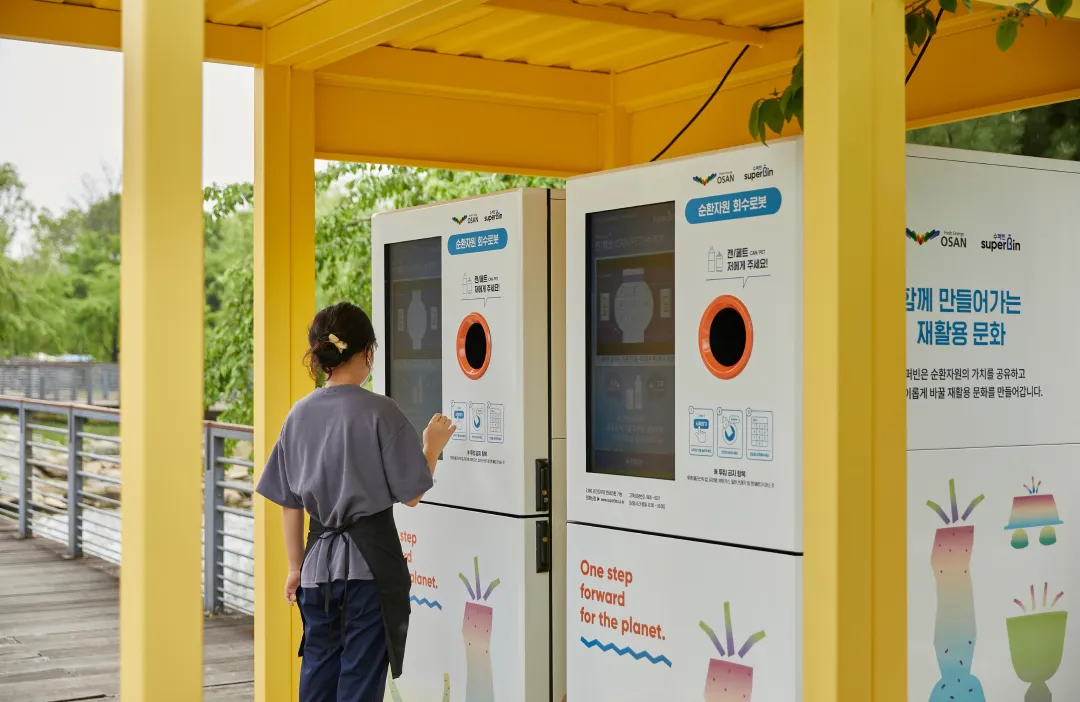
Sustainable Resource Circulation: A New Revolution in Waste ManagementKorea achieved a high level of economic growth, accomplishing advanced industrialization and urbanization in a short time. This growth produced the side effect of large-scale waste generation, and its damage and treatment costs are increasing more and more. According to Statistics Korea, Korea treats about 150 million tons of waste each year, and a considerable portion of this is not recycled and heads to landfills or incinerators. On top of resources on an Earth living with limited resources, there is the bonus of serious environmental pollution from the treatment process and the obstacle it poses to sustainable development.SuperBin (hereafter "SuperBin") is a Korean climate-tech brand that noticed this problem and improves the waste-management system. SuperBin's automatic waste-sorting technology combines artificial intelligence and machine learning to accurately sort waste and recover recyclable resources as much as possible. Through this, it improves the recycling rate, reduces the negative impact of waste on the environment, and at the same time promotes resource circulation. Let us now learn about the approach of SuperBin, which seeks to create a global standard for waste-management technology beyond Korea.[A factory that doesn't look like a factory, located in Hwaseong, Gyeonggi Province: SuperBin's I'm Factory © Kim Yi-hong Architects]Creating a World Where Trash Becomes Money and Recycling Becomes PlaySuperBin CEO Kim Jeong-bin created SuperBin in 2015 out of interest in environmental issues. He focused on automatic recognition and sorting systems among waste-management technologies, combining high-performance sensors with artificial intelligence. This technology, which quickly and accurately sorts various types of recyclable resources, is proving its cases through collaboration with various institutions and brands.[The Yeonnam-dong Trash Mart, carried out together by SuperBin, Coca-Cola, and WWF Korea © Coca-Cola YouTube]#1 NephronSuperBin's Nephron is a recyclable-resource recovery robot combining AI, Big Data, and IoT. Users gain monetary profit by trading the trash they throw away, and the traded trash becomes a resource again, building a circular-economy ecosystem. For B2B users or users trading large quantities of resources, it also operates a face-to-face recovery channel called "Super Moa."#2 Trash SpacesThe biggest feature of SuperBin's services is that it has fun content that can encourage the circular economy — a Trash Café selling upcycling menus and experience kits, a Trash Mart where you can shop with trash, "Super Rookie," which educates students on correct recycling awareness, and a Trash Art Museum where upcycled works can be exhibited.#3 Global Challenges and OpportunitiesCurrently, SuperBin is accelerating its expansion into the global market, based on successful verification of its business model in Korea. Based on a new approach that turns trash into play, it also obtained the safety standards of the US, Europe, and elsewhere and the Global Recycled Standard (GRS). Amid discussions worldwide to reduce plastic use, the forecast is that such demand will increase not only domestically but also abroad.[Citizens using Nephron, the recyclable-resource recovery robot © SuperBin]The Trash-Free World SuperBin EnvisionsCEO Kim Jeong-bin has revealed the ambition to "firmly build the circular-economy cycle of waste PET bottles and have ownership of the concept of 'circular economy.'" It is said he plans to expand the business by increasing waste items, and to continuously pay attention to spreading recycling culture with content that can prove the cultural value of recycling.SuperBin, which pursues continuous innovation and technological advancement in the waste-management field and plays a leading role among Korea's climate-tech brands, has to date attracted investment six times, recognized with cumulative investment of 46.7 billion won and a corporate value (valuation) of 250 billion won. With SuperBin's confirmed standing and brand value, let us look forward to the value of resources and the cultural environment surrounding the circular economy getting better.by Editor L[Climate-Tech Brands and ESG] When talking about the Earth's future, one cannot skip "climate change." Until a few years ago we used the term "climate change," but amid concerns that it lacked a sense of crisis, we now use the word "climate crisis." Since the 2015 Paris Climate Agreement, more practical concepts and goals such as 1.5°C and carbon-footprint management have been emphasized, and various stakeholders — each country's government, companies, non-governmental organizations, academia, and more — are seeking measures to respond to climate change. In this process, climate tech is playing an important role. Climate tech is a concept encompassing all strategic approaches to create a sustainable environment through technological innovation and to confront climate change and its aftermath. Climate-tech companies provide products and services through the development of technologies that will help respond to the climate crisis — renewable energy, increased energy efficiency, carbon capture and storage technology, eco-friendly building materials, sustainable agriculture, carbon-footprint reduction solutions, and more. ESG.ONL, today's magazine for tomorrow, seeks to introduce leading climate-tech brands through the "Climate Companion (Gihu Donghaeng)" series.
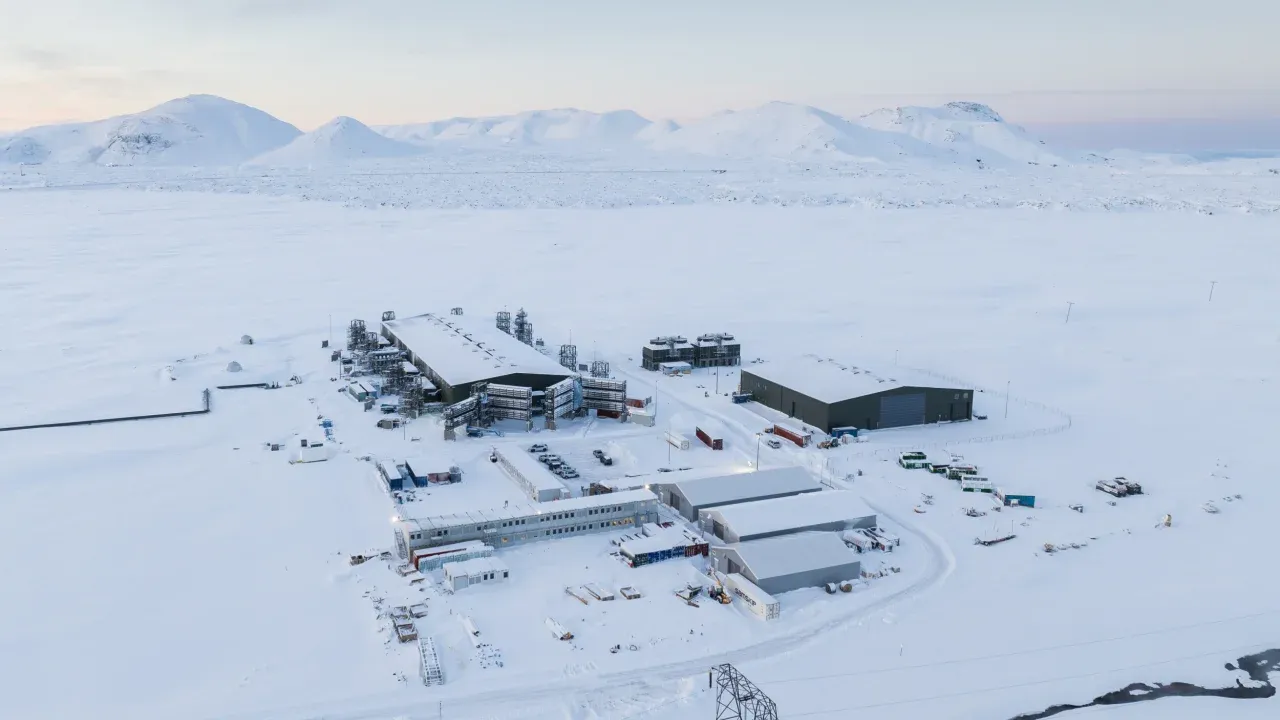
CO₂ Reduction: A New Solution Is Demanded to Confront the Climate CrisisAt this very moment, in places all over the world, large amounts of carbon dioxide are being emitted through industrial activity, deforestation, agriculture, and more. The carbon-dioxide emissions we have traded for our convenience are continuously increasing. Carbon-reduction efforts at the previous level alone have limits in curbing rapid climate change. Against the backdrop of this reality, the technology of Climeworks (hereafter "Climeworks"), which can directly capture carbon dioxide from the air and store or recycle it, began to draw attention. The technology called "Direct Air Capture (DAC)" presents a way to solve the otherwise-unmanageable problem of carbon-dioxide emissions by directly capturing carbon dioxide from the atmosphere and storing or recycling it. The direct-air-capture technology led by Climeworks, founded in 2009, is an innovative approach that not only supplements existing carbon-reduction efforts but can also manage even unavoidable emissions.[Climeworks' two founders © Bloomberg]The Principle of Direct Air CaptureLet us look at Climeworks' direct-air-capture technology. First, a huge fan is turned to draw air into the system, and then a specially made filter is used to selectively capture only the carbon dioxide. The captured carbon dioxide is heated at high temperature and refined into pure carbon dioxide, which can then be recycled right away, or stored and used later for other purposes. Projects using direct-air-capture technology are under way at 15 sites around the world, and are known to be successfully capturing more than 9,000 tons of carbon dioxide per year.Among these, "Orca," which Climeworks operates in Iceland, is currently the largest direct-air-capture facility in the world. The carbon dioxide captured at this facility is stored in underground basalt layers at a depth of 800–2,000 meters, where it naturally forms carbonate rock. The period needed for this process is about two years, which is more efficient than other carbon-dioxide capture methods, and it is drawing attention for being environmentally sustainable. Another direct-air-capture facility operating in Switzerland captures 900 tons of carbon dioxide each year and supplies it to a local greenhouse. This greenhouse uses the captured carbon dioxide to boost the photosynthesis of greenhouse crops such as tomatoes and cucumbers, and as a result increases yield, thereby also improving the sustainability of agriculture.The carbon dioxide produced and managed through direct air capture is used as the carbonation source for carbonated drinks, or is converted into an intermediate needed for renewable-energy production. With such highly versatile direct-air-capture technology, Climeworks aims to capture a certain proportion of the world's carbon-dioxide emissions. Experts forecast that applying direct-air-capture technology in industries where carbon emissions are unavoidable can contribute to achieving climate-change-related goals. In addition, Climeworks continues to explore technologies that can improve economic efficiency and become part of a sustainable climate-response strategy. This is because, like every innovative technology company, Climeworks too seeks to solve the problems of cost and efficiency. It may not be a perfect technology, but the success cases already created have drawn investment from technology companies such as Bill Gates's Microsoft, Jeff Bezos's Amazon, and Elon Musk's Tesla.["Orca," which Climeworks operates in Iceland © Climeworks]The Future of Direct-Air-Capture Technology and a Sustainable OutlookThe direct-air-capture technology Climeworks holds is known as an effective countermeasure that can confront climate change, one of the most urgent problems of our time. As a developing technology it invites various viewpoints, but this technology shows the potential of a means that can manage the Earth's carbon-dioxide concentration.The results achieved at large facilities such as "Orca" have proven that direct-air-capture technology can offer environmental and economic benefits beyond mere theoretical possibility. It is a technology that not only increases crop yields in agriculture but can also be used in the carbonated drinks we consume. According to a January 2023 report, direct-air-capture technology received official certification for its carbon-removal technology and process from DNV, an international specialized certification body. In response, Climeworks CEO Christoph Gebald explained that "(third-party certification) is proof that we are doing the right thing in the right way." With expectations for the formation of a carbon-removal credit market to be created with carbon-removal technology, the multinational e-commerce company Shopify purchased 5,000 tons of credits through a multi-year contract with Climeworks. We look forward to substantive results following, as much as the market's expectations and investment.["Mammoth," a facility Climeworks is building in Iceland on a scale larger than Orca © Climeworks]by Editor L[Climate-Tech Brands and ESG] When talking about the Earth's future, one cannot skip "climate change." Until a few years ago we used the term "climate change," but amid concerns that it lacked a sense of crisis, we now use the word "climate crisis." Since the 2015 Paris Climate Agreement, more practical concepts and goals such as 1.5°C and carbon-footprint management have been emphasized, and various stakeholders — each country's government, companies, non-governmental organizations, academia, and more — are seeking measures to respond to climate change. In this process, climate tech is playing an important role. Climate tech is a concept encompassing all strategic approaches to create a sustainable environment through technological innovation and to confront climate change and its aftermath. Climate-tech companies provide products and services through the development of technologies that will help respond to the climate crisis — renewable energy, increased energy efficiency, carbon capture and storage technology, eco-friendly building materials, sustainable agriculture, carbon-footprint reduction solutions, and more. ESG.ONL, today's magazine for tomorrow, seeks to introduce leading climate-tech brands through the "Climate Companion (Gihu Donghaeng)" series.
Agriculture: Facing the Demand of the TimesAmid climate change, the problem of food shortage is rising. According to statistics, by 2050 the world's population will reach 9.7 billion. This means that a greater food supply than now will be needed. Along with the gradual increase of the world's population, agricultural systems are under pressure to produce more food than ever. Sustainable agriculture is a strong demand of the times, and building a sustainable food-production system is also an important matter at the level of global food-security concerns. Pivot Bio (hereafter "Pivot Bio") is a climate-tech brand that builds a sustainable food system with new agricultural technology harnessing the power of nature, contributing to sustainable development.["Pivot Bio," located in Berkeley, California © Pivot Bio]Innovation in Agricultural Technology Achieved Through Microbes and New TechnologyUnlike existing farming methods, Pivot Bio is a climate-tech brand that reduces the use of chemical fertilizers and utilizes microbial technology. They developed an innovative technology that uses certain types of microbes to help plants absorb nitrogen directly from the air, greatly reducing dependence on chemical fertilizers. With this technology, crop growth can be promoted while the negative impact on the environment is minimized. The microbe-enhancement technology Pivot Bio developed is proving its effectiveness through collaboration with actual farms. A corn farm in Michigan that used Pivot Bio's product reduced synthetic-fertilizer use by 30% and increased yield by 10%. A California grape farm also achieved quality improvement while reducing synthetic-fertilizer use by 20%.[This product, called Pivot Bio PROVEN® 40, uses microbes that absorb nitrogen from the air to produce the ammonia plants need to grow and thrive, helping to supply plants throughout their most important growth stages © Pivot Bio]The second technology Pivot Bio unveiled is a data-based customized farm-management solution. Using big data and artificial intelligence, it analyzes each farm's soil characteristics, climate conditions, crop types, and more, to provide a farming solution tailored to the farm. An Iowa soybean farm used Pivot Bio's technology to reduce water use by 15% and cut the incidence of pests and disease by 10%, and a Nebraska wheat farm reduced carbon emissions by 20% while improving soil health.In addition, Pivot Bio produces sustainable products that use materials extracted from nature rather than chemicals harmful to the environment. It is also contributing to environmental protection and preventing soil pollution through the development of biodegradable bio-fertilizers that decompose naturally in the soil. It is also increasing the proportion of renewable energy used in the product-production process. These innovations of Pivot Bio are expected to play an important role in climate-crisis-response issues related to agriculture — a primary industry with a complexly intertwined value chain.Pivot Bio's Approach to a Global Problem[Using a "Pivot Bio" product © Pivot Bio]Pivot Bio contributes to a sustainable food-production system with agricultural technology that harnesses the power of nature. As a result, in 2021 it succeeded in attracting a $500 million Series E investment. As continuous R&D investment and success cases have come to light, thousands of farms across the US currently use their technology. Farms using Pivot Bio's technology saw productivity increase by an average of 15% and synthetic-fertilizer use decrease by an average of 20%, confirming the effect of strengthening the economic stability of farming communities. Food-production methods applying Pivot Bio's technology are improving not only the environment but also the health of agricultural society.Agriculture is the most basic industry, directly linked to humanity's survival. We gain energy through the food we consume every day, and we are active. The same is true of all economic activity. Today, as it is confirmed that agriculture, beyond a simple food-production function, is the foundation of global environmental protection and socioeconomic stability, practicing sustainable agriculture is no longer a choice but an essential task. Now, when companies like Pivot Bio are changing the paradigm of agriculture with new technology, let us watch how such changes in production technology will contribute to the global climate-crisis response and to strengthening food security.by Editor L[Climate-Tech Brands and ESG] When talking about the Earth's future, one cannot skip "climate change." Until a few years ago we used the term "climate change," but amid concerns that it lacked a sense of crisis, we now use the word "climate crisis." Since the 2015 Paris Climate Agreement, more practical concepts and goals such as 1.5°C and carbon-footprint management have been emphasized, and various stakeholders — each country's government, companies, non-governmental organizations, academia, and more — are seeking measures to respond to climate change. In this process, climate tech is playing an important role. Climate tech is a concept encompassing all strategic approaches to create a sustainable environment through technological innovation and to confront climate change and its aftermath. Climate-tech companies provide products and services through the development of technologies that will help respond to the climate crisis — renewable energy, increased energy efficiency, carbon capture and storage technology, eco-friendly building materials, sustainable agriculture, carbon-footprint reduction solutions, and more. ESG.ONL, today's magazine for tomorrow, seeks to introduce leading climate-tech brands through the "Climate Companion (Gihu Donghaeng)" series.
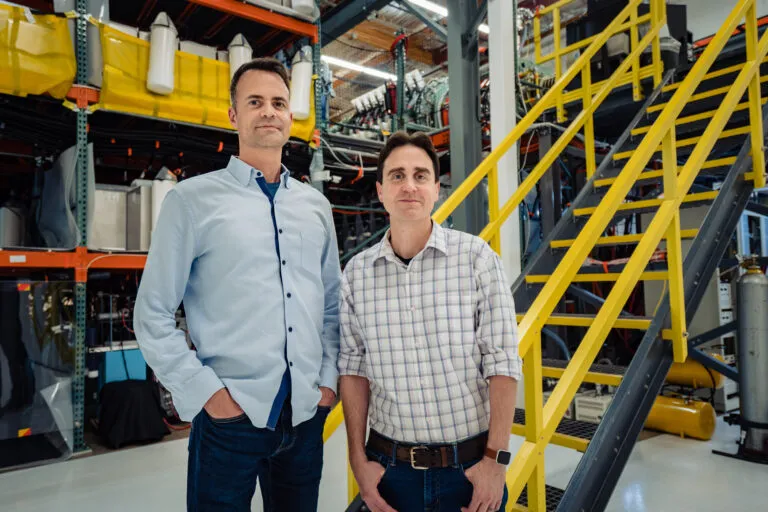
The Endless Loop of Energy Use and the Climate CrisisWe stand at the intersection of unprecedented challenge and change. At its center exists an uncomfortable but undeniable, powerful link: "energy and the climate crisis." Through this link, we can clearly see how the supply, demand, and use of the energy we consume in daily life are connected to the Earth's future. Our energy system still depends heavily on fossil fuels. The use of fossil fuels such as oil, coal, and natural gas is a major cause of greenhouse-gas emissions, and even though we know this brings global warming and extreme weather anomalies, converting to alternatives is not easy. Weather anomalies — droughts, torrential rains, typhoons — are directly affecting our lives. Converting the way we use energy in a sustainable direction is clearly an essential measure for responding to the climate crisis.But the energy transition is bound up in a very complexly intertwined value system. The use of sustainable energy is a concept that cannot but be considered in various directions — economic, social, technological, and more. This complexity is making the process of finding solutions to the climate crisis exhausting and difficult. Meanwhile, the climate crisis has become reality. Helion Energy's (hereafter "Helion Energy") approach to solving this situation is worthy of attention. With the potential to provide sustainable and nearly limitless energy through nuclear-fusion technology, Helion Energy presents an innovative solution to the existing energy problem.[Helion Energy's fusion technology © Helion Energy]Helion Energy: Can Practical Nuclear Fusion Become a Stable Energy Source?Helion Energy developed a compact fusion reactor, raising to a practical level the nuclear-fusion technology that has, until now, struggled to be commercialized because of size and cost. The reactor they developed is designed with a simple design so that it can reach commercial energy production within a short time. With technology that stably maintains and controls the fusion reaction in the reactor, Helion Energy becomes able to use the energy generated in this process. Technically, this energy emits no greenhouse gases and minimizes the nuclear-waste problem as well. In this way, Helion Energy seeks to create a sustainable and stable energy source.*Plasma state: when gas is heated to an ultra-high temperature, atomic nuclei and electrons separate so that positive ions and electrons exist in nearly equal amounts, resulting in an electrically neutral state.With this technology, which is expected to be used in various fields — power generation as well as industrial heat supply, and even energy supply in the aerospace field — Helion Energy announced a notable achievement in 2023. It signed an innovative contract to supply Microsoft with electricity produced at its first fusion power plant. This power plant aims to begin operation by 2028, and is set to produce more than 50 MW (an amount of power that can meet the electricity demand of about 70,000 households). An important milestone in the field of commercially executed fusion-energy generation has been created. Microsoft, too, chose an important strategy for achieving the carbon-negative goal it presented for 2030.[An experimental machine that produces electricity directly through faster-speed reactions, using strengthened magnets to improve fusion conditions © Helion Energy]The Attention Gathering Around Helion Energy in 2024The prototype of the seventh reactor Helion Energy is currently developing is set to demonstrate electricity-production capability within 2024. The new model, which will show Helion Energy's continuous progress, is expected to go beyond the achievement of the sixth prototype — which drew attention by succeeding in practical fusion-energy generation, including successfully reaching a plasma temperature of 100 million degrees — and to create an important turning point in energy production.Nuclear power, once remembered as a weapon of war, is being used as a weapon to end the climate crisis. In this age accustomed to fossil fuels, it is presenting an innovative solution and preparing to take the stage as a new energy supplier. Will Helion Energy's seventh prototype in 2024 usher in the age of pure electricity? Let us watch with interest in climate-change response and clean-energy production.by Editor L[Climate-Tech Brands and ESG] When talking about the Earth's future, one cannot skip "climate change." Until a few years ago we used the term "climate change," but amid concerns that it lacked a sense of crisis, we now use the word "climate crisis." Since the 2015 Paris Climate Agreement, more practical concepts and goals such as 1.5°C and carbon-footprint management have been emphasized, and various stakeholders — each country's government, companies, non-governmental organizations, academia, and more — are seeking measures to respond to climate change. In this process, climate tech is playing an important role. Climate tech is a concept encompassing all strategic approaches to create a sustainable environment through technological innovation and to confront climate change and its aftermath. Climate-tech companies provide products and services through the development of technologies that will help respond to the climate crisis — renewable energy, increased energy efficiency, carbon capture and storage technology, eco-friendly building materials, sustainable agriculture, carbon-footprint reduction solutions, and more. ESG.ONL, today's magazine for tomorrow, seeks to introduce leading climate-tech brands through the "Climate Companion (Gihu Donghaeng)" series.
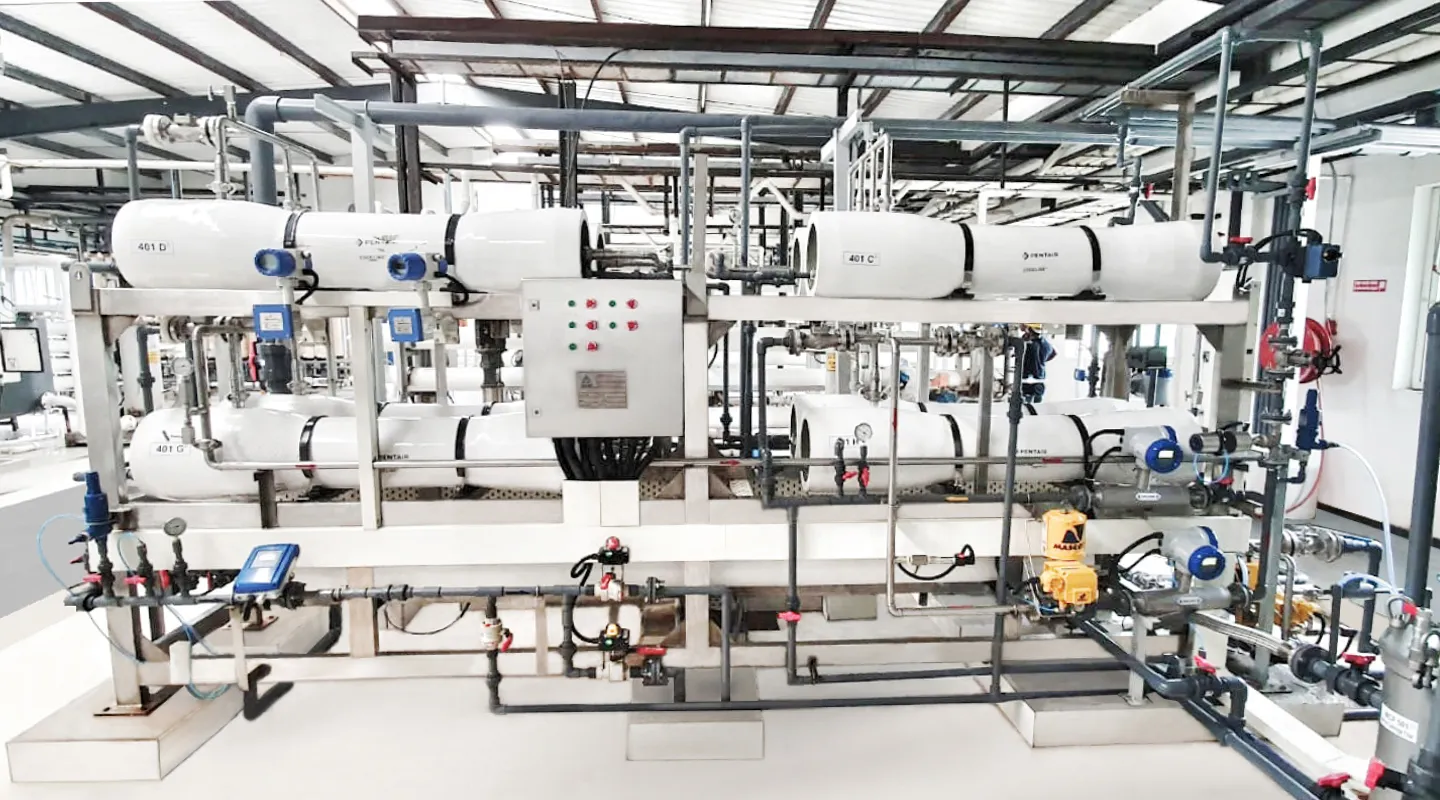
When talking about the Earth's future, one cannot skip "climate change." Until a few years ago we used the term "climate change," but amid concerns that it lacked a sense of crisis, we now use the word "climate crisis." Since the 2015 Paris Climate Agreement, more practical concepts and goals such as 1.5°C and carbon-footprint management have been emphasized, and various stakeholders — each country's government, companies, non-governmental organizations, academia, and more — are seeking measures to respond to climate change. In this process, climate tech is playing an important role. Climate tech is a concept encompassing all strategic approaches to create a sustainable environment through technological innovation and to confront climate change and its aftermath. Climate-tech companies provide products and services through the development of technologies that will help respond to the climate crisis — renewable energy, increased energy efficiency, carbon capture and storage technology, eco-friendly building materials, sustainable agriculture, carbon-footprint reduction solutions, and more. ESG.ONL, today's magazine for tomorrow, seeks to introduce leading climate-tech brands through the "Climate Companion (Gihu Donghaeng)" series.More Than 7 of Every 10 Natural Disasters Are Related to "Water"Water is a substance that directly affects our life and survival. And it is also part of our environment that is being most greatly affected by the climate crisis. Fundamentally, climate change disrupts weather patterns and causes severe weather anomalies. The availability of water becomes hard to predict, and serious impacts arise — water shortages and the destruction of water-supply networks. In particular, we must not overlook that children are being greatly affected by this change.According to "Water and the Global Climate Crisis: 10 Things You Should Know," released by UNICEF in March 2024, about 74% of the natural disasters that occurred from 2001 to 2018 were water-related, including droughts and floods, and the frequency and intensity of such events are expected to increase due to climate change. And as a result, by 2040 about 1 in 4 children will live in an area experiencing extreme water shortage. A not-easy future awaits adults too. The floods and sea-level rise that will occur due to climate change can pollute land and water-supply networks and will damage water-resource and sanitation infrastructure. Insufficient drinking-water resources, droughts, and wildfires will destabilize the local communities where we have set down roots.[A water-shortage campaign photo © UNICEF]Interest in sustainable water management is gathering. And Gradiant (hereafter "Gradiant"), which seeks to respond to water-related problems, was born. Gradiant is a company that deals in "water technology," and it has proven its corporate value by providing the solutions needed to confront the climate crisis."Gradiant," the Expert Group That Best Knows Water's Impact and SolutionsA key problem Gradiant discovered was that about 10% of the water used worldwide is used by industry, and that about 70% of the wastewater resulting from it is not properly treated. Gradiant is attempting a multi-angle approach to improving the water-use environment: reducing water use itself by improving water-use processes, raising the recycling rate with technology that sorts metals and resources out of wastewater, and purifying polluted water through desalination technology so it can be used again.[Gradiant co-founders Prakash Govindan and Anurag Bajpayee © Forbes]Why are Gradiant's technology and approach recognized as a new approach to water management? Each day, Gradiant reduces water use by about 650 million liters, recovers 10,500 kg of useful water resources, and regenerates 850 million liters of wastewater. With these results, it shows direct environmental-improvement solutions — saving 1,500 megawatts of power per hour each day and reducing 950 tons of carbon emissions.Gradiant's start was a team composed of internationally recognized experts and engineers. Anurag Bajpayee and Prakash Govindan, who obtained their PhDs at MIT, founded it together. For his "research on industrial seawater desalination and water treatment," which is the foundation of Gradiant's technology, Bajpayee was recognized by Scientific American (founded in 1845, the longest continuously published magazine in the US) as a scientist who devised one of the "10 Ideas That Will Change the World." Govindan co-developed one of Gradiant's flagship products, the Carrier Gas Extraction (CGE) system. Having grown up in India, the two watched the impact of water shortage on individuals and communities closer than anyone as they grew up. Students who were researching water purification at MIT founded a company to solve that problem. And this company unveiled a technology that recycles 98% of polluted water and purifies it with 2% new water. Co-founder Bajpayee says, "We cannot eliminate dependence on water, but if we greatly reduce it, we can increase sustainability."[A Gradiant solution © Gradiant]Gradiant's AchievementsGradiant believes water-resource problems can be solved with reasonable technology and human-resource solutions. It smoothly designs end-to-end solutions running from design to manufacturing to management, along with a proprietary AI platform, and provides customized services to various industries — semiconductors, pharmaceuticals, F&B, oil refining and chemicals, and even textiles.According to what Gradiant revealed through a 2023 Forbes interview, since 2020, through a project for the pharmaceutical company GSK in Singapore, it has extracted about 5 tons of waste from the wastewater generated each day and raised the amount of reused water. With the crude-oil-development company "Schlumberger," it signed a contract to extract, from brine rather than rock, the lithium used in lithium batteries. Based on such achievements, Gradiant is said to have achieved more than $200 million in revenue and more than $500 million in new contracts in 2023. Operating 20 branches worldwide and attracting a total of $400 million in investment to raise its corporate value to $1 billion, Gradiant is confidently establishing itself as a company that shows innovation and leadership in climate tech, and in the water-technology field within it.Four billion people — two-thirds of the world's population — experience serious water shortage for at least one month each year. Due to the climate crisis, humanity's water-related difficulties are expected to grow. The time has come to pay attention to the scope and effect of the solutions Gradiant provides, and the way they contribute to solving water-resource problems.by Editor L