Loading Data
Please wait a moment...
Update Cal.
2026.08
03
Mon
04
Tue
05
Wed
06
Thu
07
Fri
08
Sat
09
Sun
Update Calendar
2026.08
01
Sat
02
Sun
03
Mon
04
Tue
05
Wed
06
Thu
07
Fri
08
Sat
09
Sun
10
Mon
11
Tue
12
Wed
13
Thu
14
Fri

Loading Data
Please wait a moment...
Morning features and interviews. A morning story over a cup.
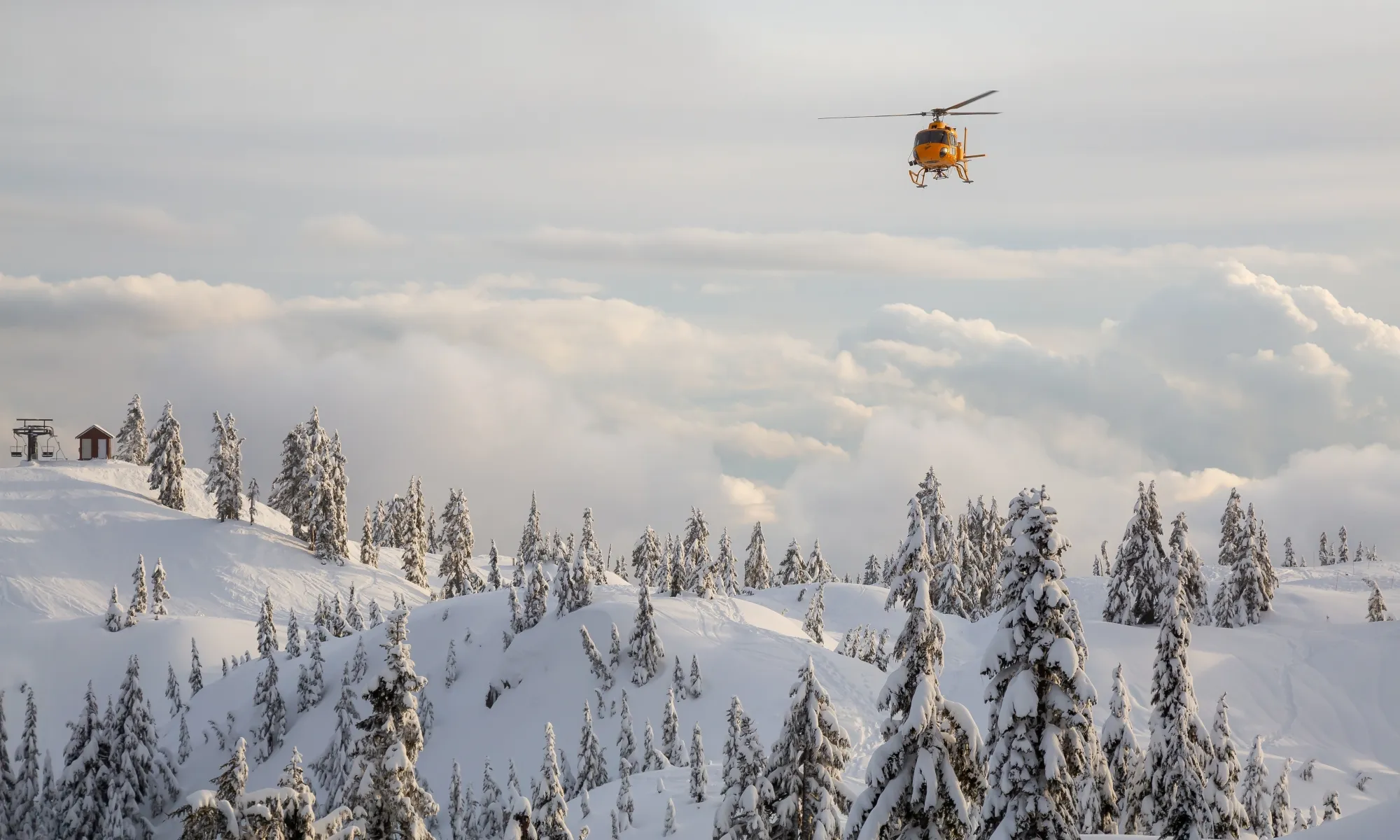
In recent years, as winter weather forecasts have increasingly gone awry, everyday inconveniences have also grown. Last March, unprecedented heavy snow warnings were issued across the country including Seoul, and the anomalous winter landscape that unfolded on the cusp of spring left many considerably shocked.Why does this keep happening? Experts are focusing on La Niña, manifested through changes in sea surface temperatures, and the Sudden Stratospheric Warming (SSW) phenomenon occurring in the upper atmosphere.The Causes of Extreme Weather Changes: La Niña and Sudden Stratospheric Warming[La Niña occurrence mechanism © Namuwiki]La Niña is a phenomenon in which trade winds strengthen, pushing the warm surface water of the eastern Pacific toward the western Pacific, with the vacated space filled by cold deep water, maintaining the sea surface temperature of the eastern Pacific below normal levels for several months or more. Although this explanation alone may not seem problematic, changes in sea surface temperature are not simple. When La Niña occurs, the overall atmospheric circulation pattern changes, and the variability of temperature and precipitation tends to expand significantly compared to before, with heavy snow and cold waves intensifying in some regions while mild weather continues in others. [Sudden Stratospheric Warming phenomenon © Climate Change Economics]When the phenomenon of Sudden Stratospheric Warming overlaps with this, weather forecasting becomes even more difficult. Sudden Stratospheric Warming is a rare phenomenon in which the stratospheric temperature above the Arctic rises rapidly over a short period, and in the process, the structure of the Stratospheric Polar Vortex (SPV: a low-pressure mass accompanied by strong westerly winds that encircles the Arctic in the stratospheric polar region during the Northern Hemisphere winter) can weaken or become distorted. When the Arctic vortex weakens, cold air becomes more likely to descend to mid-latitude regions, increasing the possibility that stronger-than-normal cold waves or sudden heavy snow will appear in mid-latitude areas.Extreme Winter Weather Disrupting Daily LifeLast year, temperatures in parts of Canada and the central United States dropped below -30°C, and residents of those areas experienced cold waves and heavy snow for the first time in decades. At the same time, winter storms with concentrated precipitation repeatedly occurred in California in the western United States as storm tracks shifted southward.[Heavy snow in Canada © Dong-A Ilbo]South Korea is no exception. Recently, days in which the daily temperature range in winter exceeds 10°C have increased, and a tendency for heavy snow of around 20 cm per day to be concentrated has also become prominent. Extreme weather phenomena that are difficult to explain through average temperature alone are repeating.The extreme weather that is spiraling toward extremes is inflicting direct damage on our daily lives — including flight cancellations, road and rail transportation delays, and disruptions to commuting and logistics — with significant impacts also felt from safety accidents due to severe cold, crop damage, and surging energy demand.Extreme Weather to ContinueGlobal weather experts have been warning that this winter as well, the convergence of La Niña and Sudden Stratospheric Warming could give rise to extreme weather. La Niña and Sudden Stratospheric Warming go beyond simple temperature changes in a single region, acting as compound factors that intensify extreme winter weather worldwide. As the instability of the climate system grows with global warming, the possibility that unpredictable weather phenomena will recur will remain valid. Now more than ever, more precise observation and analysis, along with long-term climate response strategies, are critical. by Editor L
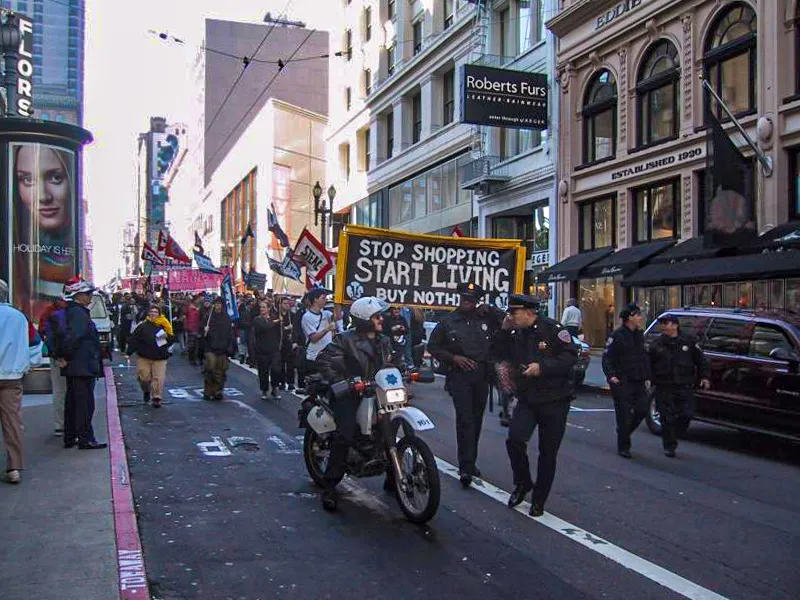
How much did we consume this autumn? From late October through early December, many of our favorite shopping malls — SSG.com, AliExpress, Musinsa, Olive Young, and others — held sales. Amid the relentless sale relay surrounding Black Friday, our wallets opened ceaselessly as well. Musinsa, which recorded the highest-ever sales for this Black Friday in the heat of the moment, disclosed that it sold products worth over KRW 1.5 billion every hour. In the United States, where Black Friday originated, it was projected that 186.9 million people would go shopping this year, from Thanksgiving through Black Friday to Cyber Monday, the online shopping mall discount event. The U.S. retail market is in high spirits, with expectations of USD 11.7 billion in online sales on Black Friday, an 8.3% increase from the previous year, and USD 14.2 billion on Cyber Monday, a 6.3% increase from the previous year.[Musinsa Black Friday Poster Ⓟ Musinsa]Is Black Friday, which sways our hearts in this way, simply a good day to purchase the things we want cheaply? Is it not spurring indiscriminate consumption at low prices and causing the waste of countless resources? The last Friday of November, the same day as Black Friday, is also ‘Buy Nothing Day.’ The anti-consumerism movement also began around this day, giving it great significance. Today, let us examine ‘Black Friday’ on the last Friday of November, ‘Cyber Monday’ on the following Monday, and ‘Buy Nothing Day.’[U.S. Walmart Black Friday Promotion Poster Ⓟ Walmart]Black Friday + Cyber Monday vs. Buy Nothing DayBlack Friday is the day after Thanksgiving, the fourth Thursday of November, and is the shopping day boasting the largest discount rates in the United States. The expression ‘black’ originates from the fact that it is the day retailers first record profits in black ink for the year. After spending the biggest holiday, Thanksgiving, Americans take the following Friday off to visit stores and sweep up goods. Cyber Monday, the online version of Black Friday, is the first Monday after Black Friday. The New York Times has reported that this day records the largest annual internet shopping sales, because office workers who have returned to work after the four-day Thanksgiving holiday shop using the fast internet at their workplaces. Based on this, Cyber Monday, which began around 2005, now draws even more attention than Black Friday, as online shopping has become ubiquitous.[Buy Nothing Day Ⓟ Wikipedia]Buy Nothing Day is, contrary to the above commemorative days, a day to reflect on the environmental destruction, labor issues, and unfair trade problems caused by excessive consumption, and to look back at ourselves, addicted to trends and shopping. Begun in 1992 by advertising industry professional Ted Dave, and promoted annually by the non-profit organization ‘Adbusters Media Foundation,’ composed of activist artists, this day began its campaign in South Korea in 1999 led by Green Korea United. Brands Participating in Buy Nothing DayIt is fascinating to see brands that should promote consumption either halt product sales on Buy Nothing Day or lead sustainable consumption. The Swiss brand Freitag, which recycles truck tarpaulins into bags, and the American eco-friendly fashion brand Patagonia are representative examples. Freitag launched the bag exchange platform ‘S.W.A.P (Shopping Without Any Payment),’ and from 2020 has redirected consumers accessing its online store on Black Friday to this platform. Going further, in the past two years, it did not sell products at its official stores and online stores worldwide for the one day of Black Friday. Instead, in 2023 it ran a free bag rental campaign, and in 2024 it encouraged people to experience the S.W.A.P bag exchange service offline. This year, it opened a new bag repair center in Zurich timed for Black Friday, and in celebration, ran a first-come, first-served free bag repair service at select stores worldwide. Patagonia, which gained fame in 2011 by running the advertisement ‘Don’t Buy This Jacket’ on Black Friday, likewise does not hold Black Friday discounts. Instead, through its official website, it introduces clothing repair services and repair methods and shares information on grassroots environmental protection activities across the country. It has also released ‘Reading Hate Comments’ content in which employees themselves cheerfully explain why Patagonia does not have a sale on Black Friday, and why and how it strives for environmental protection.[Freitag’s New Repair Studio Ⓟ Freitag][Patagonia’s ‘Don’t Buy This Jacket’ Campaign Ⓟ Patagonia Korea]Beyond these, the Canadian beauty company Deciem’s brand The Ordinary, noting that Black Friday encourages impulse buying with short sale periods and high discount rates, runs the ‘Slowvember’ campaign, discounting products throughout the month of November. It provides time to consider what the skin needs and even presented a ‘Guide to Distinguishing Fake Benefits’ that spur unnecessary purchases. South Korea’s online shopping platform 29cm commemorated ‘Buy Nothing Day’ this year by releasing interview content on sustainable consumption with stand-up comedian Won So-yoon and YouTuber Jimmy Jo. By recommending environmentally related products such as vegan items, it naturally heightened interest in ‘Buy Nothing Day’ and ‘sustainable consumption.’Buy Nothing Day and the YONO Consumption TrendAnti-consumerism has spread in earnest from Buy Nothing Day as its starting point. Anti-consumerism rejects consumption itself, recycles to reduce social and environmental problems, and may even boycott specific products or brands based on political or social beliefs. This anti-consumerism, which began in the 1990s, has appeared in various forms including the emergence of freeganism* and the popularity of minimalist lifestyles.*Freeganism: A compound of ‘free’ and ‘veganism,’ an anti-consumerist, anti-capitalist movement of consuming and using discarded food and goods.[<Low Consumption Life> Ⓟ RH Korea]The recently spotlighted trend ‘YONO (You Only Need One)’ is a movement to minimize current consumption and possessions. As a concept opposite to YOLO (You Only Live Once), which gained popularity a few years ago, it aims not to buy unnecessary items, to buy quality items and use them for a long time, and to seek out secondhand transactions when purchasing. The fact that the usage of major domestic secondhand transaction applications has nearly doubled in four years also attests to this trend. Recently, it has also been referred to as ‘underconsumption core’: the book <Low Consumption Life>, which deals with the low-consumption lifestyle of Japanese YouTuber Kazenotami, became a bestseller in both Korea and Japan, and videos under the ‘#Underconsumptioncore’ hashtag on TikTok gained popularity with total views exceeding 60 million. Although it is a trend that has surged due to the prolonged high inflation, economic downturn, and low growth since the pandemic, that is not the only reason. The younger generation that is reducing consumption uses eco-friendly materials, purchases local products that reduce carbon emissions, and rejects fast fashion. It can also be seen as one facet of sustainable consumption that considers society and the environment.We have examined brands that participate in Buy Nothing Day, rather than Black Friday, and the related consumption trends. If you have already pressed the purchase button countless times for Black Friday, how about resolving to be ‘the me who buys nothing’ next Black Friday? It will become the simplest environmental movement — one practiced not by doing something but simply by not buying. by Editor L

The trendiest place in Seoul right now is without a doubt Seongsu. The reason the former factory district of Seongsu-dong has risen to become a hot place in just a few years is precisely pop-up stores. Now, one can encounter pop-up stores not only in Seongsu-dong but anywhere with a high young floating population. The boundaries of brands operating pop-up stores have also expanded. Beyond consumer goods such as fashion and beauty, IT companies like Lenovo are also opening pop-up stores. Pop-up stores, to which the concept of ‘limited-edition spaces’ has been added, are currently the most attractive marketing tool.The explosive growth of pop-up stores is because they satisfy the needs of both consumers and companies. As social media has become a means of self-expression beyond a communication channel, demand for visually ostentatious content has increased. A pop-up store, which shows a brand at its most dazzling for a limited period, is material second to none for uploading to social media. For companies for whom a long-term offline space is burdensome, the pop-up store is a convenient method that can deliver a message with impact while minimizing risk. Through pop-up stores, consumers are provided with visual content they can share, while companies can enjoy high visitor numbers and social media diffusion effects in a short period.[‘Pop-Up Guidebook’ created by Seongdong-gu, the mecca of pop-up stores Ⓟ Seongdong-gu Office]What Pop-Up Stores Leave Behind After They DieIn Seongsu-dong, the landscape changes after just a few days. It is a vibrant landscape created by the countless pop-up stores that open and fade away. So where do all the decorative elements that have transformed the space overnight go?According to Seongdong-gu Office, an average of around 90 pop-up stores go up and disappear in the Seongsu-dong area each month. As Seongsu-dong has become a mecca for pop-up stores and space rental costs have risen, the operating period of pop-up stores is trending shorter. The average operating period of pop-up stores, which was still 22.6 days in 2024, decreased to 15.7 days in May 2025. The shorter the operating period of pop-up stores, the more waste increases. Given the temporary nature of pop-up stores, quick installation and dismantling are necessary, so interior structures and one-off installations are made from cheap materials. Most of these materials are unavoidably damaged in the dismantling process, making recycling difficult.Each time a single pop-up store is dismantled, roughly 3 containers of waste are discharged. Since this is not construction waste such as brick or concrete, it is classified as general waste and is either incinerated or landfilled without any particular regulation. The volume of general workplace waste generated within Seongdong-gu has increased more than tenfold, from 51.2 tons in 2018 to 518.6 tons in 2022. The influence of pop-up stores is not insignificant. Such repetitive and continuously occurring resource loss and waste disposal increase corporate carbon footprints and local community environmental costs. A red light has come on signaling a transition into ESG risk.The Possibility of Sustainable Pop-Up StoresAs if conscious of the environmental problems caused by pop-up stores, some brands are operating sustainable pop-up stores. The beauty brand Tone28, at its pop-up store held last year, minimized new installations by utilizing equipment previously used at its headquarters and laboratory for booth construction. Additionally, Maeil Dairies operated the pop-up store ‘Amazing Oat Café’ built with eco-friendly interiors, such as presenting chairs made from rice straw material in 2022 and utilizing discarded wood pallets in Seongsu-dong.Specialized interior companies that create sustainable pop-up stores have also emerged. A representative example is ‘Buildweller.’ Buildweller developed the ‘Store Module System,’ eliminating adhesive methods that make material dismantling difficult and designing the system so that materials used for short periods can be easily separated and collected. Dismantled modules are reassembled to suit the brand concept, creating an entirely new space.[‘JOODOC’ Pop-Up Store created by Buildweller © Buildweller]Preparing pop-up stores in a new way requires the reorganization of existing operating methods and cost structures. Those who operate pop-up stores will inevitably worry about profit and loss. Yet for companies today that seek to contribute to sustainability, the gains that can be made in terms of resource efficiency and brand reputation cannot be ignored.Quality of Experience vs. Overconsumption: Where Will We Open Our Wallets?Although the environmental issues of pop-up stores are endlessly discussed, substantive change is minimal. This is because people visit even without such deliberation. Currently, the management of pop-up store waste is entrusted entirely to corporate voluntarism. However, the responsibility for operating sustainable pop-up stores cannot be left solely to companies. Those who enjoy, record, share, and consume pop-up stores — everyone in the pop-up ecosystem — bears this responsibility. We cannot simply wait for companies to change in the absence of individual and policy changes.We can express our intentions by choosing where to pour our limited resources. This connects to policy discussions. When institutional mechanisms such as regulations on one-off exhibition structures and waste, and environmental impact assessments are strengthened, companies will naturally adopt more sustainable methods. Furthermore, companies will strategically interpret consumer choices and the regulatory environment to redefine the quality of the brand experience from an ESG perspective. The environmental problems created by pop-up stores will not be easily resolved without multifaceted efforts to change all together: individual awareness, government-level support and regulation, and the need for ethical corporate management.Pop-up stores have added vitality to the run-down Seongsu-dong, but the rapidly increasing environmental costs are hard to ignore. When designs and operating methods that take ESG standards into account spread, pop-up stores will be able to establish themselves not as a mere ‘trend’ but as a sustainable brand experience platform. by Editor L

Global credit rating agency S&P Global introduced a new evaluation system in 2025 for the first time targeting solar and wind ESS (Energy Storage System) manufacturers worldwide. Outstanding companies were selected by comprehensively analyzing various factors including market position, market share, scale, financials, and sustainability. After passing through such rigorous criteria, the Q Cells division of the domestic company Hanwha Solutions was selected as Tier 1 Clean Tech. Let us examine the ESG strategy of a company leading the materials and energy sector, recognized for its value in the global market, through Hanwha Solutions’ sustainability report. [Hanwha Solutions 2025 Sustainability Report Cover Ⓟ Hanwha Solutions]Together, Further: Hanwha Solutions’ PortfolioHanwha Solutions is a global energy and materials-based solution company operating businesses in a total of five fields. Its representative business areas include the Chemical division, which produces petrochemical products and recycled raw material rPE (recycled polyethylene) certified by global certification bodies under international recycling standards, and the Q Cells division, which is building a solar power value chain from solar panels to energy storage devices. The Insight division, which emphasizes sustainability, researches sustainable urban development solutions that consider industrial and lifestyle domains such as new and renewable energy and premium lifestyles. As for business areas that target overseas markets without having domestic business sites, there are the Q Energy division, which is dedicated to introducing eco-friendly energy within Europe, and the W&C division, which constructs grids that distribute power produced through new and renewable energy methods.These five business divisions are researching and developing sustainable energy and material solutions by domain. Hanwha Solutions, whose business portfolio alone reveals its orientation toward a sustainable future — so what methods is Hanwha Solutions employing to realize ESG?The Sustainable Future Created by Hanwha SolutionsFirst, it is necessary to examine the way Hanwha Solutions makes its products and the results. Hanwha Solutions analyzed the business risks and opportunities arising from climate change. The petrochemical-based Chemical division carries the risks of policy regulation, changes in consumer awareness, and the emergence of low-carbon substitutes. Meanwhile, the expansion of the hydrogen industry, the increase in the share of new and renewable energy, and the growth in demand for bio and recycled plastics will provide positive opportunities for the Chemical, Q Cells, and W&C divisions.[Representative Types of Water Electrolysis Technologies Ⓟ Hanwha Journal]Based on this analysis, Hanwha Solutions is adopting a strategy of expanding eco-friendly businesses, developing new and renewable energy infrastructure, and taking the lead in total energy solutions. First, the Chemical division is researching and developing Anion Exchange Membrane Electrolysis (AEMEC) technology to activate the hydrogen industry. Currently commercialized water electrolysis methods include Alkaline Water Electrolysis (AWE) and Proton Exchange Membrane Water Electrolysis (PEMEC), but both technologies have respective limitations in terms of initial investment cost or productivity. The AEMEC being developed by Hanwha Solutions is a method that complements the limitations of AWE and PEMEC, and is expected to be capable of producing large volumes of hydrogen even with low investment costs and low electricity consumption. Additionally, the Hanwha Solutions Insight division is planning the construction of solar power and fuel cell facilities at H-Techno Valley in Hwaseong, Gyeonggi Province, for the development of new and renewable energy infrastructure. H-Techno Valley is a semiconductor and automotive specialized industrial complex, and producing products using new and renewable energy in an industrial sector where demand will remain high going forward is significant. Beyond this, reflecting the geographical characteristics of South Korea with its many mountainous areas, the Insight division also acquired a patent for a solar power facility structure that can be arranged in an east-west direction. The structure, which compensated for the limitations of existing facilities that could only be arranged facing due south, now secures advantages such as shortened construction periods, improved economic viability, and reduced wind resistance, thus ensuring the efficiency and economic viability of the solar power facilities that will grow in the future. [Perovskite Campaign Image Ⓟ Hanwha]Finally, the Hanwha Solutions Q Cells division is strengthening its leadership in solar technology to take the lead in total energy solutions. Most solar silicon modules have a power generation efficiency of around 23–24%. In other words, only 23–24% of the solar light energy received by the module can be converted into electricity. The M10-standard perovskite-crystalline silicon tandem cell, independently developed and manufactured by the Q Cells division, can absorb solar light of wavelengths different from existing silicon cells and produce approximately 15% additional power. The Q Cells division is also constructing a ‘Solar Hub,’ an integrated solar production complex, to build a renewable energy value chain within the United States. Through this, it provides total energy solutions encompassing product sales, project development and operation, and power intermediation and sales. As a result, it was selected as the engineering, procurement, and construction partner for TransGrid Energy, which operates a significant-scale Battery Energy Storage System (BESS) complex within the United States, and construction is underway. Sustained technology research and energy capability development have borne substantive results. Making ‘Eco-Friendly Products’ in an ‘Eco-Friendly’ WayHanwha Solutions does not stop at developing eco-friendly technologies and producing products, but applies processes that ensure the process does not have a negative impact on the environment. Hanwha Solutions declared its 2050 Net Zero commitment in 2021.[View of the Jincheon Plant of Hanwha Solutions Q Cells Division Ⓟ Hanwha Q Cells]The most important aspect of greenhouse gas reduction is to reduce absolute energy consumption. The Q Cells division promoted an LED lighting replacement project at the Jincheon and Eumseong plants. Unlike fluorescent lamps, LEDs do not use mercury, thus producing no carbon dioxide, and are superior to incandescent bulbs in terms of energy efficiency and power consumption. In addition, the Jincheon plant, which produces solar cells and modules, introduced cooling system optimization facilities to reduce its energy usage, investing in the HVAC system that uses the most power to save energy.The Chemical division is realizing sustainability through air pollutant management. It has set its air pollutant emission allowance standards at 30% of the legal standard and is conducting self-measurement of abatement facilities. It systematically manages air pollutant emissions by strengthening close monitoring of the operation of air pollution-related facilities. It is also managing nitrogen oxide emissions by introducing reduction facilities suited to the characteristics of each business site.Hanwha Solutions is an affiliate of the Hanwha Group, launched through the integration of Hanwha Q Cells & Advanced Materials and Hanwha Chemical. In particular, the Chemical division, one of the domestic petrochemical Big Four, traces its origins to the state-owned enterprise Hanyang Chemical and shares the history and lineage of the Korean petrochemical industry. The petrochemical industry produces materials indispensable to our lives such as plastics, nylon, polyester, and acrylic, yet it faces a crisis in which the very reason for the industry’s existence must be proven, due to global oversupply and the trend toward defossilization. Hanwha Solutions is securing its future competitiveness through a strategy of diversifying its portfolio with various energy supply solutions including petrochemicals, while simultaneously pursuing sustainability in both process and outcome. Hanwha Solutions’ ESG strategy and Scope 3 emissions strategy, which could not be covered in this article, can be found in the 2025 Hanwha Solutions Sustainability Report. by Editor L
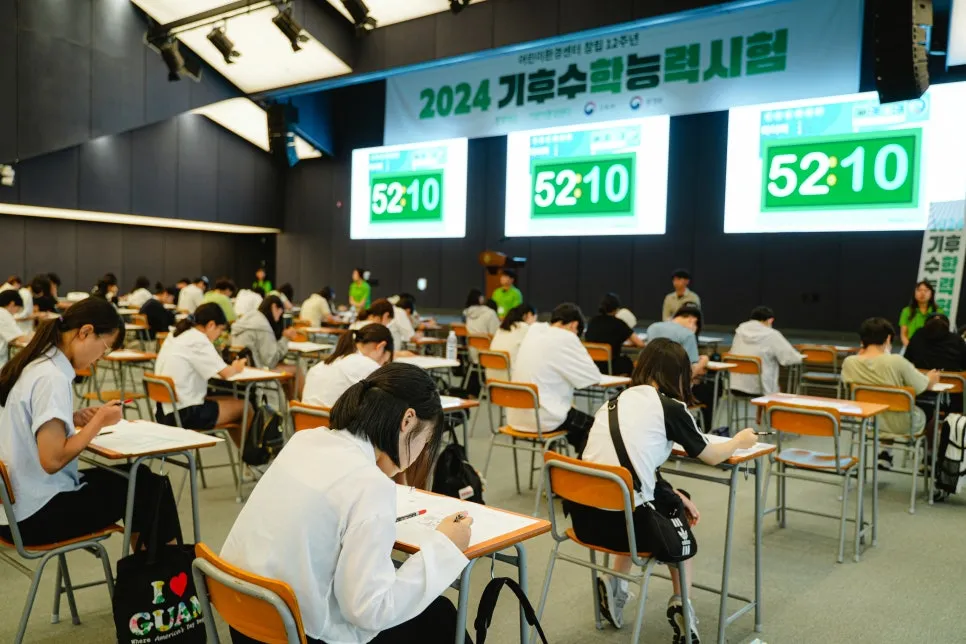
November 13 is the date of the 2026 College Scholastic Ability Test (CSAT). On this day of one of the nation’s major events, let us tell the story of another type of CSAT. Seventy-five days before today, on August 30, 81 middle and high school students took a special CSAT. What these anxious-looking students received was the ‘2025 Climate CSAT Climate Section’ question paper, which closely resembled an actual CSAT paper. The students, holding the provided computer marker pens and mechanical pencils while pondering, looked no different from any other test-takers. After the exam ended, students checked their answers as with the CSAT and some even shed tears of regret. [2025 Climate CSAT Poster Ⓟ Korea Environmental Foundation]Another CSAT: The ‘Climate CSAT’The Climate CSAT hosted by the Korea Environmental Foundation marked its second edition this year. It is a project carried out by the Foundation’s Children’s Environment Center, now in its 13th year, together with the Ministry of Environment and the Ministry of Education, designed to help young people understand the climate crisis and build the capacity to respond proactively. Participants solve 38 multiple-choice questions and 2 short-answer questions in 60 minutes, drawn from the 2022 revised middle school environmental textbook and the latest climate and environmental issues. This year’s Climate CSAT handwriting verification passage was a quote from Rachel Carson’s other book, <The Lost Woods>: “Wonder and humility are wholesome emotions, and they do not exist side by side with a lust for destruction.” It seemed to encapsulate the fundamental mindset we must hold in responding to the climate crisis. The average score was 69.8, up 6.8 points from last year, but the difficulty remained high. A number of concepts somewhat unfamiliar to adolescents appeared, such as RCP scenarios*, intergenerational equity**, and the EP100*** campaign, and the graph interpretation questions were reminiscent of the CSAT.*RCP scenarios: One of the climate change scenarios that predicts how the climate will change by forecasting changes in the Earth’s greenhouse gas concentrations.**Intergenerational equity: A concept often mentioned in environmental issues, meaning the fair sharing of resources, opportunities, and burdens between current and future generations.***EP100: A campaign launched in 2014 that aims to double product energy efficiency and reduce greenhouse gas emissions.[2024 Climate CSAT Venue Ⓟ Korea Environmental Foundation]Before the exam, the Korea Environmental Foundation provided a wealth of preparation materials on the Children’s Environment Center blog, as with the actual CSAT, helping both students and the general public study climate. It published environment textbook preview pages, core keywords for the exam, mini mock tests, and past exam questions. The 1st Climate CSAT questions and explanations can be downloaded from the Children’s Environment Center blog, and this year’s exam can be taken by anyone on the Climate CSAT website. Those scoring 60 or above can receive a ‘Climate Leader Certificate,’ and various events are held in connection with the actual CSAT.The Foundation of the Climate CSAT: Climate Education NowPrior to the exam, climate CSAT exam setter and Seoul’s only environmental teacher, Shin Kyung-jun, stated that “despite the increasingly severe climate crisis, domestic environmental education is in a very poor state.” While the 2022 revised national curriculum’s general guidelines include content reflecting ecological and environmental education responding to climate and environmental change across all subjects, and the revised environmental education explicitly states ‘climate crisis’ and ‘strengthening ecological transition,’ environmental education still remains a neglected subject compared to major ones. The proportion of schools offering environmental subjects among middle and high schools nationwide is only 7.9% for middle schools and 31.7% for high schools. The higher rate at high schools was sadly reported to be because environmental education hours can be used as ‘self-study time.’Overseas, climate education is being made mandatory to respond to the climate crisis, actively encouraging student participation. The North of Tyne region in the UK decided in 2020 to place one climate and environment teacher in every public school, and Italy became the first in the world to adopt climate change as a mandatory subject, providing 33 hours of compulsory education annually to students aged 6–19. Finland, which has added climate and environmental education as a required credit, is even promoting participatory education in which students directly collect and interpret environmental data.Do Other Countries Have a Climate CSAT?Just as the CSAT is a uniquely Korean exam, the ‘Climate CSAT’ is rare overseas. However, there are a few noteworthy exams. The French Ministry of Education announced that it would introduce a ‘Green Knowledge Certification Exam’ for fourth-year middle school students starting in 2024. It covers desirable dietary habits and waste sorting and disposal, and can evaluate students’ climate change knowledge and response capabilities. In India, the ‘Green Olympiad’ is hosted by the non-profit research institute The Energy and Resources Institute (TERI). It began in 1999 in the form of an environmental quiz and is now held at approximately 2,000 schools in India and abroad. It targets grades 4–12 and covers diverse topics such as global warming, sustainable development, and eco-friendly technologies. The Hong Kong Observatory conducted an online exam related to climate change and gave souvenirs to the first 100 people with the most correct answers.[India Green Olympiad Introduction and Awards Ceremony Ⓟ TERI]The Climate Change IQ Test produced by the international body UN CC:Learn can be taken by anyone at any time. UN CC:Learn is an international learning platform created through the cooperation of 36 multilateral organizations to strengthen knowledge and capacity for responding to climate change. The Climate Change IQ Test takes the online format of solving 20 questions in 15 minutes. After taking the test, it provides learning content from UN CC:Learn and information on the status of climate crisis-related campaigns around the world.Both domestically and internationally, there is consensus that ‘climate education’ is necessary for everyone’s future amid the climate crisis. How about taking the ‘Climate CSAT’ on this CSAT day? Regardless of the score, testing how much we know and do not know about climate will be a great help for future learning and small actions. by Editor L
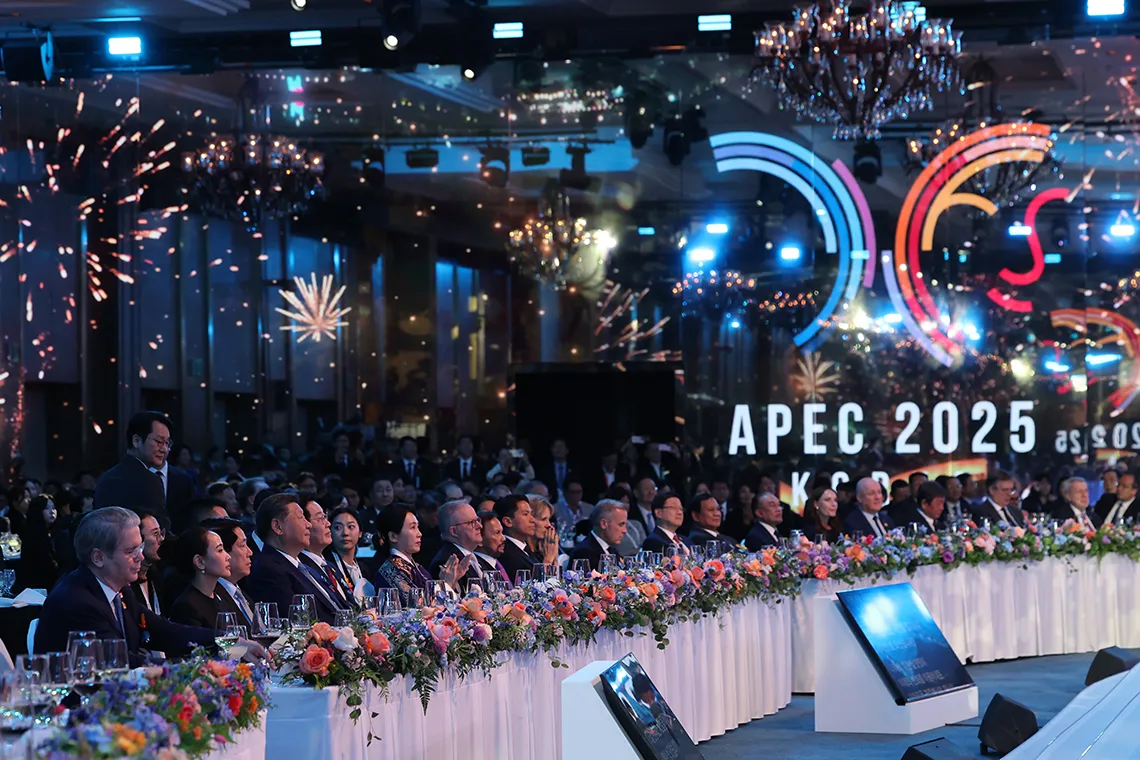
The Asia-Pacific Economic Cooperation (APEC) Summit held this time in Gyeongju was not merely an economic meeting. The venue was a stage where culture shone more brightly than politics and diplomacy. A Silla-era golden crown was presented as a gift to President Trump, and the CEO Summit was adorned with a keynote speech and music by BTS. The scene of NVIDIA’s Jensen Huang, Samsung Electronics Chairman Lee Jae-yong, and Hyundai Motor Group Chairman Chung Euisun sharing a meal at a chicken restaurant in Seoul was more talked about than anything else. Through this series of scenes, one thing became clear: there are times when soft power is more effective than hard power in the international community. The doors of relationships, which do not open through numbers, strategies, and statements, opened gently before the language of culture.[‘Swallowtail Butterfly’ drones active during the gala show Ⓟ APEC2025KOREA]The brief conversation between President Xi Jinping and President Lee Jae-myung shared on the subject of butterfly drones inspired by Korea’s ‘swallowtail butterfly’ also falls in the same vein. President Xi said, “Butterflies were fluttering at the banquet venue and it was truly beautiful,” and tossed out a topic, saying, “President Lee asked me, ‘Next year, will you make the butterflies fly this beautifully?’ and I replied, ‘I hope this beautiful butterfly here will fly all the way to Shenzhen and even sing.’” The dialogue between the two was as concise as a poem, yet contained within it was a symbol of change and connection. It was a moment that left a much softer and richer lingering impression than official statements reconciling the interests between nations. It can be evaluated that such cultural rhetoric and symbols contributed to easing the overall atmosphere of the talks and fostering a positive outlook.It is hoped that such a language of communication will also exist in climate negotiations. At the talks held each year, technical discussions on reduction rates, financial burden-sharing, and emissions trading pour out, but progress is slow. Countries clash over responsibility, and consensus statements always stay at the level of principle. Science is precise and economics is cold, but people’s emotions are still far away. Yet the essence of the climate crisis is not a problem of data but of relationships. It is not that technology is lacking but that the grain of trust is broken.Culture is the power that reconnects this grain. Art and music, food and stories restore the human dimension that cannot be captured by political language or economic indicators. Culture lowers the barrier of language and restores the circuit of emotion. It is ultimately culture that loosens the atmosphere of the conference hall stiffened by numbers and clauses, and creates space for empathy within the competitive structure. It is not a procedure of consensus but the soil of trust.[The Kkanbu Chicken gathering of NVIDIA, Samsung Electronics, and Hyundai Motor leaders that drew major attention during APEC © Hyundai Card CEO Chung Tae-young’s Instagram]Now, as multilateralism is losing trust in its function, a new breakthrough lies outside rigid institutions. Culture may seem like the periphery of talks and negotiations, but in reality it acts as an invisible needle that adjusts the direction of the talks. Instead of documents that are forgotten after the talks end, long-lasting exhibitions and performances, songs and stories carry on the memory of cooperation. Just as cultural symbols and communication raised the temperature of relationships at APEC, a human language is also needed at climate talks. This will interlock each other’s grain and set the rigid structure in motion again.In the era of the climate crisis, culture must further radiate that power. Culture must exert the power to seep through the gaps in negotiations and softly connect the grain of relationships. If hard power builds walls, soft power carves a path between those walls. Just as chicken and beer (chimaek) and the swallowtail butterfly changed the atmosphere of diplomacy and negotiations, we hope that a new language of climate diplomacy will also begin on that path.by Kim Won-sang (Climate Solutions, Media Communications)

Games are no longer mere entertainment. The global gaming market is projected to grow to approximately USD 188.9 billion in 2025 — a market larger than the film or music industries. Games, accessed by billions of people, have now become a core axis of popular culture. And to that extent, games have also become mirrors that subtly reflect how we view the world and society, going beyond simple enjoyment.[Nintendo’s ‘Game Boy’ console and game cartridges © Nintendo]I had experienced that fact while playing ‘Civilization VI.’ This game, which once became a meme for its extreme addictiveness — once started, you end up playing through the night — is a simulation of advancing civilizations and growing cities and nations. What is interesting is that as you enter the latter stages, climate change appears in earnest. I intellectually knew, as numerous scientists and economic experts have publicly stated, that preemptive response is the wisest course. But when actually immersed in the game, the situation is different. Amid competition with neighboring cities, resources were always insufficient to maintain the system built over a long time, and stable energy was desperately needed to maintain population and industry. In the end, within the game, I had no choice but to delay the closure of coal power plants, and I could only postpone bold decisions while watching how the surrounding civilizations behaved. Even though in reality I work on urging the government and National Assembly to respond to the climate crisis, within the game, I keenly felt how difficult and political a choice responding to the climate crisis can be. Ironically, the game taught me before reality did that energy transition is ‘realistically’ difficult.[Civilization VI dealing with climate change and natural disasters © Maeil Business Newspaper]‘Final Fantasy VII’ unpacks this problem much more dramatically. Within the game, the mega-corporation ‘Shinra’ extracts the planet’s life force under the name of ‘Mako Energy’ to power its cities and weapons. Yet as a result, the planet gradually sickens and ultimately faces the threat of destruction. The entire game unfolds upon this dystopian backdrop. Released in 1997, ‘Final Fantasy VII’ was an innovative work that led the ‘cinematization’ of console games through the introduction of 3D graphics and cinematic direction, and simultaneously conveys the message that “corporate greed and energy abuse threaten the Earth.” Looking back now, this narrative appears not as simple fantasy but as a prophecy that overlaps with our reality, addicted to fossil fuels.There are more familiar examples. Pokémon has also boarded the climate change discourse. ‘Pokémon Sword and Shield,’ released in 2019, is set in the ‘Galar’ region, which draws its motif from the United Kingdom, symbol of the Industrial Revolution. In this version, the chimney-shaped gas Pokémon ‘Koffing’ appears, as if embodying the factory chimneys of the Industrial Revolution era. The coral Pokémon ‘Corsola,’ originally pink in color, has turned white in this version and wears a somber expression. Having changed from Water/Rock type to Ghost type, it clearly reveals the intent of ‘extinction.’ Traces of climate change are thus directly reflected even in games enjoyed by many children. The Pokémon production company has decided to officially cooperate with the UN’s Sustainable Development Goals (SDGs), and has begun to move beyond the framework of over-catching and utilizing Pokémon in the early series to reveal the value of biodiversity and symbiosis. As the series progresses, the in-game settings show the transition from thermal power plants to renewable energy such as wind, solar, and geothermal power over the passage of time. Shattering our perception that ‘Pokémon are cute and harmless,’ even this most popular and familiar content shows that we cannot sidestep the climate crisis.[The coral reef Pokémon gradually taking on an appearance as if going extinct © Pokémon]These three case studies, while differing in character, tell a common story. ‘Civilization VI’ makes one feel the difficulty of responding as an experience; ‘Final Fantasy VII’ imprints the structural problem of energy exploitation like a drama; and ‘Pokémon Sword and Shield’ shows the symbols of the climate crisis even in a world familiar to children. Across generations and genres, games let us know that the climate crisis is not merely numbers in scientific reports but a reality that touches our lives.Going forward, games will remain positioned at the center of the popular culture industry. The climate crisis, too, can only become an increasingly important narrative within games. Issues such as resource depletion, pollution, extinction, and disaster are already metaphorized in diverse ways. Even as gamers pass these scenes by without much thought, they are, in fact, gradually feeling the weight of the climate crisis.What matters in the end is not ‘clearing the game’ but how we advance to the next stage. Whether we farm more resources or, as in team play, all cooperate together to protect the map called Earth. The climate crisis is not simply a set of virtual choices but a shared quest that we are undertaking in reality. It is not a problem to be solved through someone’s sacrifice or a cheat code but like a raid in which the entire party must gather its strength. What games let us know, in the end, is this: the way we play now will soon change the outcome screen of tomorrow.by Kim Won-sang (Climate Solutions, Media Communications)

The Ministry of Environment has been expanded and reorganized into the ‘Ministry of Climate, Energy and Environment.’ The establishment of the ‘Ministry of Climate and Energy’ (hereinafter the Climate Ministry), one of the key presidential campaign pledges of President Lee Jae-myung, was decided in the form of transferring the energy policy of the Ministry of Trade, Industry and Energy (hereinafter the Industry Ministry) to the Ministry of Environment. At the launch ceremony held on October 1, Minister Kim Sung-hwan, in his inaugural address that opened with the severity of the climate crisis, expressed his ambition to achieve a ‘great transformation into a decarbonized green civilization centered on renewable energy’ rather than fossil fuels, creating a sustainable future.The newly launched Ministry of Climate, Energy and Environment is receiving both expectations and concerns. Various voices are heard, from the prospect that effective climate crisis response will become possible to the problems anticipated in the transfer of energy policy. Let us examine the expectations and concerns regarding the Climate Ministry in more detail.[Ministry of Climate, Energy and Environment Ⓟ Ministry of Climate, Energy and Environment]What Has Changed from the Ministry of EnvironmentThe Climate Ministry is a department that combines the climate policy coordination function of the Ministry of Environment with the energy function. While the Ministry of Environment had a structure of one Vice Minister and three offices, the Climate Ministry was reorganized into a structure of two Vice Ministers and four offices, having transferred most of the functions of the Energy Policy Office under the Second Vice Minister of the Industry Ministry. The Resource Industry Policy Bureau, which handles resource security and oil, gas, and coal-related affairs, remains under the jurisdiction of the Industry Ministry, while the Climate Ministry manages renewable energy and nuclear power, which are classified as ‘carbon-free power sources.’ However, nuclear power export affairs remain with the Industry Ministry, while the Climate Ministry is responsible for nuclear power construction and operation. Meanwhile, the Ministry of Trade, Industry and Energy was renamed the Ministry of Trade and Industry.To summarize, the Climate Ministry now oversees carbon neutrality, renewable energy expansion, and power supply and demand coordination, on top of the existing functions of ecological conservation, pollution management, and environmental regulation. In addition, the Climate Response Fund and the Green Climate Fund, which were under the jurisdiction of the Ministry of Economy and Finance, have been transferred to the Climate Ministry, enabling it to design the entire process of climate crisis response and execute budgets.Why the Ministry of Climate, Energy and Environment Is Needed NowIn the first half of this year, global renewable energy generation surpassed coal-fired generation for the first time. While many countries are increasing their renewable energy generation, South Korea’s share of renewable energy generation stood at 10.5% as of 2024, still at the lowest level among OECD countries. The Nationally Determined Contribution is at a low level compared to advanced countries, but even this is expected to be difficult to achieve, and in the Climate Change Performance Index, it ranked 63rd among 67 countries.One of the causes cited is the gap between the ministry in charge of climate crisis response affairs and the ministries responsible for greenhouse gas emission sectors. The Industry Ministry manages the energy sources that account for 76.2% of greenhouse gas emissions, but given the nature of the ministry, it is difficult to prioritize carbon neutrality, while the Ministry of Environment, which responds to the climate crisis, cannot control other ministries. A clear example is the case in which the Ministry of Environment and the Carbon Neutrality and Green Growth Commission requested the Industry Ministry to increase the proportion of new and renewable energy in the 10th and 11th Basic Plans for Electricity Supply and Demand, but the Industry Ministry repeatedly refused.[Climate Change Performance Index (CCPI) Ⓟ CCPI]As the climate crisis worsened, energy demand continued to increase due to the AI industry and other factors, and concerns emerged that the delayed transition to renewable energy would also affect industrial competitiveness. Accordingly, President Lee Jae-myung had shown his will to solve the problem by putting forward the pledge to ‘establish the Ministry of Climate and Energy’ since his time as a candidate. The process was not smooth. Various reorganization proposals were put forward regarding the form of the new ministry — such as newly establishing the Ministry of Climate and Energy, transferring the energy sector to the Ministry of Environment, or transferring the climate sector of the Ministry of Environment to the Industry Ministry — and debate continued as the process faced difficulties. While many sympathized with the need for the Ministry of Climate and Energy, social discussion continues even on the finalized form. Cases of Integrating Government Ministries for Climate, Environment, and EnergyWe were not alone in carrying these concerns. Among OECD countries, 15 have established ministries that integrate climate, environment, and energy, 3 have integrated climate and energy, and 20 operate them separately. The new government’s ‘Industrial Policy Promotion System and Government Reorganization Plan,’ announced last May, stated that four countries that newly established ministries in which energy and climate policy are integrated, like the current Climate Ministry, showed results in which the greenhouse gas emission reduction rate increased from an average of 5% to 18% in the five years before and after the establishment of such ministries.Denmark, a representative success case of establishing a Ministry of Climate and Energy, established the ministry in 2007 and supplied 50% of its total power generation from wind by 2020. It developed the industry by consolidating wind power generation permits into a single window to reduce procedures and proceeded toward carbon neutrality. Germany, cited as a failure case, launched the Ministry for Economic Affairs and Climate Action in 2021, integrating the climate policies of the Federal Ministry for Economic Affairs and Energy and the Ministry for the Environment, but energy costs surged and manufacturing competitiveness weakened, leading to a reversion to its pre-reorganization form. The United Kingdom, which achieved coal phase-out as the first G7 country in 2024, is mentioned as both a success and failure case. In 2008, the UK established the Department of Energy and Climate Change and achieved results, and the policy framework of that time is still maintained today. However, in 2017, this department was merged with the Department for Business, Innovation and Skills to simultaneously manage industrial and energy policy, and it was criticized for causing energy cost and security problems and weakening manufacturing due to the Russia-Ukraine war. Currently, it is again separated and operated as the Department for Energy Security and Net Zero (DESNZ). In this way, the integration of energy- and climate-related ministries is not a finalized policy but a new attempt that must be managed to produce policy effects tailored to each country’s circumstances. [Minister Kim Sung-hwan at the Launch Ceremony of the Ministry of Climate, Energy and Environment Ⓟ Ministry of Climate, Energy and Environment]The Path the Climate Ministry Must Take, Beyond Concerns and ExpectationsThere are three major concerns shared by the ruling and opposition parties, industry, and environmental groups regarding the launched Climate Ministry. First, the Climate Ministry has been simultaneously charged with the conflicting policy objectives of ‘climate and environmental regulation’ and ‘energy industry promotion,’ and both could end up fizzling out. Second, with the Industry Ministry continuing to handle nuclear power export affairs, domestic energy industry policy and overseas nuclear power exports will be dualized, with confusion expected. Third, carbon-based power sources and carbon-free power sources are organically connected, as are electricity (generation) and gas (resources), yet dividing the managing ministries impairs policy coherence and reduces effectiveness. In addition, environmental groups are concerned that the Climate Ministry, by taking on industrial promotion functions, will see regulations weakened and is likely to focus on energy transition policy. The industry sector reacted against the recently raised NDC target of the Climate Ministry, also anticipating higher electricity costs. While many express concerns, there is also the positive outlook that the Climate Ministry will prepare climate crisis response measures that consider greenhouse gas reduction, renewable energy expansion, and ecosystem conservation together, and that as a responsible ministry has been created, faster execution will follow. Regarding electricity costs, which many are concerned about, it is also possible to anticipate that stable operation will ultimately become possible through the decline in renewable energy unit costs and the expansion of the power grid. Immediately after its launch, the Climate Ministry’s minister visited the Taean coal-fired power plant, which is scheduled to be decommissioned, and demonstrated the will to transition to decarbonized new and renewable energy. It remains to be seen whether the Climate Ministry can, as its name suggests, become a true control tower for responding to the climate crisis at the balance point between climate and energy.by Editor L