Loading Data
Please wait a moment...
Update Cal.
2026.08
03
Mon
04
Tue
05
Wed
06
Thu
07
Fri
08
Sat
09
Sun
Update Calendar
2026.08
01
Sat
02
Sun
03
Mon
04
Tue
05
Wed
06
Thu
07
Fri
08
Sat
09
Sun
10
Mon
11
Tue
12
Wed
13
Thu
14
Fri

Loading Data
Please wait a moment...
Morning features and interviews. A morning story over a cup.
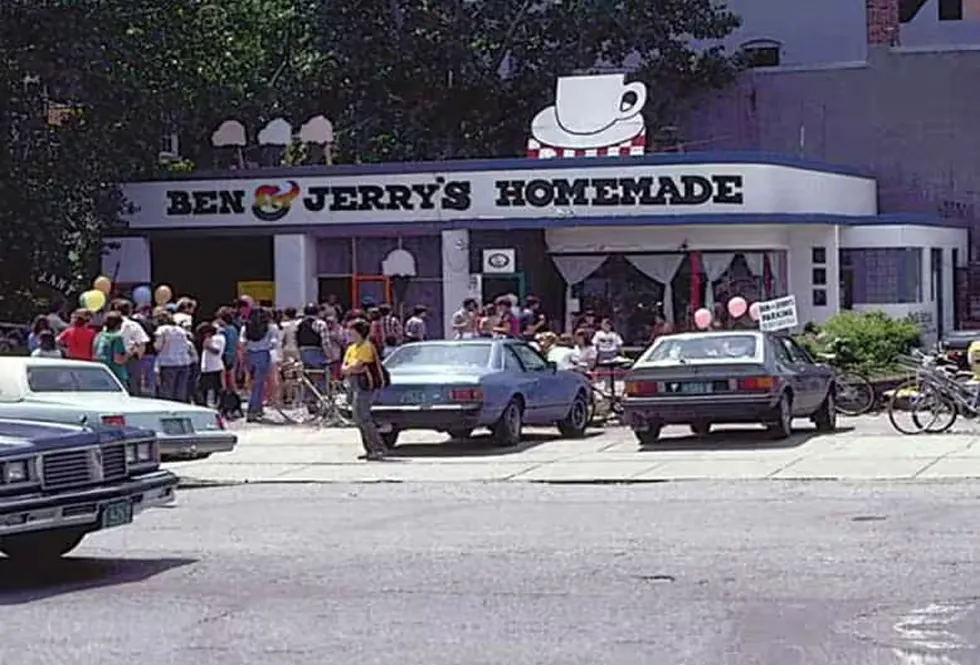
Every store of the global skincare brand Aesop has a sink where customers can try products. All Five Guys locations, a fast-food brand that has also entered Korea, offer free peanuts. And then there is a brand that gives away free ice cream at all its stores worldwide on a single day each year — the world's best-selling ice cream brand, Ben & Jerry's. Ben & Jerry's Brand ActivismBen & Jerry's was founded in 1978 when founders Ben Cohen and Jerry Greenfield converted a gas station into their first store. The two founders believed that the company's success was rooted in the local community, including its residents. As a way of giving back, they started "Free Cone Day," an annual event where visitors at all stores worldwide receive free ice cream — an event that has become synonymous with the Ben & Jerry's brand. If you think of Ben & Jerry's as just a cute brand with warm, fuzzy events thanking customers and soft, sweet ice cream, that would be a huge misconception. When you learn that the most powerful value underpinning Ben & Jerry's is brand activism, that pint of Chocolate Chip Cookie Dough in your freezer starts to look very different. [Ben & Jerry's first Free Cone Day ⓒ Ben & Jerry's website]Brand activism refers to brands taking active stances on social issues to drive positive change. Ben & Jerry's business philosophy rooted in brand activism was made unmistakably clear by the way co-founder Jerry Greenfield recently left the company. When multinational corporation Unilever acquired Ben & Jerry's in 2000, management made it a condition that Unilever not interfere with the company's business policies. Unilever agreed to this condition, but over time it began to curb Ben & Jerry's outspoken social engagement. In response, Ben & Jerry's filed lawsuits against Unilever twice, and as tensions escalated, Greenfield decided to leave Ben & Jerry's entirely on September 17. "I can no longer remain as an employee who has worked at Ben & Jerry's for 47 years, feeling pangs of conscience," he stated. It is hard to find a more emblematic example of brand activism, where action to uphold the values a brand stands for is treated as paramount.[Jerry Greenfield's resignation announcement ⓒ Ben Cohen's X] Ben & Jerry's, which takes an active stance even on politically sensitive social issues, pursues creating "a small number of passionate fans" rather than "being vaguely loved by many." How are the convictions behind each scoop of Ben & Jerry's ice cream being realized internally?You Cannot Sell Happiness While Creating UnhappinessDiversity, Equity, and Inclusion (DEI) is a core corporate value that global companies are devoting themselves to. This is not merely a charitable perspective where companies give socially disadvantaged groups opportunities to enter society. DEI is critical to the success of modern organizations. Numerous studies support this — DEI can cut the risk of employee turnover by nearly half, and companies with above-average executive diversity have been shown to generate higher innovation revenue than those below average. Naturally, it also improves brand perception and contributes to higher sales performance. The more diverse a workforce, the better equipped an organization is to solve the complex and individualized problems of our time. [Overall race and gender composition of U.S. operations ⓒ Ben & Jerry's 2023 Sustainability Report]Ben & Jerry's also maintains that its business and the world improve when every characteristic that constitutes and defines an individual — race, gender identity, and more — is respected. To verify that this conviction is properly applied in its business operations, Ben & Jerry's has publicly disclosed the gender and race breakdown of its U.S. manufacturing and office workers since 2020. The disclosure specifies Black, Hispanic, Asian, Native American, and multiracial categories, with white employees comprising the largest share. Since the racial composition was first disclosed in the 2020 report, the proportion has been gradually declining. Ben & Jerry's DEI policy does not stop at the hiring level. Ben & Jerry's also champions diversity as a key value in its ice cream ingredient supply chain and runs a program called Values Led Sourcing (VLS). VLS sets supply chain diversification, shared value creation with social enterprises, regenerative agriculture and animal welfare, and the success of farmers and farmworkers as its primary goals. To this end, Ben & Jerry's sources ingredients from farms operated by Black, Indigenous, and People of Color. It is Ben & Jerry's way of supporting cultural diversity through ice cream. [Ben & Jerry's carbon footprint graph ⓒ Ben & Jerry's website]When the Earth Melts, Ice Cream Melts TooFifty-three percent of the carbon footprint from manufacturing Ben & Jerry's ice cream comes from dairy products. Other ingredients, aside from dairy, make up the next largest share. Carbon emissions from the ice cream production process far outweigh those from transportation and distribution. Ben & Jerry's has set a goal of reducing greenhouse gas emissions by 100% by 2025, but dairy products like milk are essential ingredients that are hard to eliminate from ice cream. That is why Ben & Jerry's operates the Caring Dairy Program. Now in its second phase since 2020, this program pursues values of farm economic success, healthy soil and clean water, animal welfare, and low-carbon dairy, with the goal of creating a dairy farming environment that ultimately places less burden on the planet. Farms participating in this program practice cover cropping (planting non-cash crops during fallow periods to strengthen the soil) and conservation tillage (covering the soil with crop residues such as roots and stalks). Through these practices, they foster a healthy soil environment. They also feed cows a diet designed to reduce the methane emitted during digestion, making efforts to cut greenhouse gases from livestock operations. In 2023, 48 farms participated in the Caring Dairy Program, producing approximately 190 million liters of milk and accounting for 84% of the U.S. dairy supply chain. While building a dairy farming structure that does not burden the environment is important, Ben & Jerry's is also continuing its efforts to create ice cream without milk. It has already introduced sorbet ice cream, which uses no dairy ingredients, and a non-dairy product line that uses sunflower butter instead of milk. The non-dairy ice cream line, which launched in 2016 with four products, has been praised for faithfully replicating the taste of the original dairy-based flavors, and the variety has been steadily expanding. Ice cream is a food that delivers comfort and happiness regardless of the season with its sweet, smooth taste. If you want to explore a successful case of brand activism that brings the cultural meaning of food to life in social and environmental terms, why not read Ben & Jerry's Social & Environmental Assessment Report (SEAR) yourself?by Editor L

October 4 is "World Animal Day," which encourages action for animal-rights protection and animal welfare. In Korea, its meaning has grown greater as, starting this year, the same day has been established as the statutory commemorative day "Animal Protection Day." The topics we might say to pay attention to on Animal Day cover a very wide range — protecting endangered species, welfare for living together with companion animals, protecting the rights of service animals and laboratory animals, and so on. This year's "World Animal Day" dealt with the protection of endangered species and a sustainable Earth shared with animals as its main themes, while the domestic "Animal Protection Day" event dealt with the protection and welfare improvement of animals around us, showing a direction that is similar yet different.On October 4, in celebration of the day, let us look at the establishment processes of "World Animal Day" and Korea's "Animal Protection Day." Dividing them into the two broad frames that are the two days' themes — "protecting endangered animals" and "improving animal welfare" — we have organized the current state of animal-protection activities and the activities of domestic local governments and companies commemorating "World Animal Day."[World Animal Day poster © WorldAnimalDay]How "World Animal Day" Came to Be Established as "Animal Protection Day" in KoreaWorld Animal Day was designated at an international animal-protection congress in 1931, on the proposal of the German writer and activist "Heinrich Zimmermann." Zimmermann was a person devoted to animal protection — publishing the biweekly magazine "Man and Dog (Mensch und Hund)" to make the general public aware of the concept of animal welfare and carrying out a movement to ban animal cruelty. The reason it was set as October 4 is that it is the feast day of "Francis of Assisi," a 13th-century Roman Catholic saint who spent his life for animals and nature. Since 2003, World Animal Day has been run by the UK animal-welfare organization "Naturewatch Foundation." Naturewatch Foundation put forward "Save animals, Save the planet" as this year's theme; this theme was selected to make people aware that the way we treat animals and the environment directly affect each other — from the loss of biodiversity and habitat destruction to industrial agriculture and pollution.[Animal Protection Day poster © Ministry of Agriculture, Food and Rural Affairs]In Korea, various local governments, public institutions, and companies have carried out their own related events commemorating World Animal Day. Although the Seoul city government designated October 4, 2024, as "Seoul Animal Protection Day," this year is the first time it has been established and commemorated as a statutory commemorative day. The Lee Jae-myung government selected "a society where people and animals are happy together" as a national policy task and designated and proclaimed October 4 as the statutory commemorative day Animal Protection Day. Regarding the day's designation, bills were proposed to the National Assembly several times even in the 2010s but did not come to fruition; it is the result of finally passing after the full revision of the Animal Protection Act in 2023.Efforts to Protect Disappearing AnimalsAccording to 2024 statistics from the World Wide Fund for Nature (WWF), over the 50 years since 1970, the size of wildlife populations worldwide has decreased by an average of 73%. Amid worldwide efforts for the conservation of endangered species, Korea established the "Comprehensive Plan for the Conservation of Endangered Wild Species 2018–2027" and is aiming to restore 25 endangered species by 2027. Because problems such as damage to the food-chain structure due to habitat destruction and overhunting had previously been pointed out, it is focusing not on simply raising and releasing endangered animals but on restoring habitats and creating a healthy food chain. As a result, this past June, footage was released of a fox — a Class-I endangered species — hunting a water deer, and a Eurasian eagle-owl and a marten — Class-II endangered species — hunting a hedgehog and a hare. From a human standpoint, one's heart may go out to the small animals, but the realization of such a food chain is proof of the result that endangered species returned to the wild are adapting well and recovering into a stable ecosystem.[A fox carrying off a water deer © National Park TV]Around World Animal Day, many campaigns are carried out in the private sector to call for interest in endangered species; last year, Cheil Worldwide and the World Wide Fund for Nature drew attention with "AniStay," a unique donation campaign using a travel platform to commemorate World Animal Day. When you search for domestic accommodations, lodgings whose "owners" are endangered animals living nearby are shown, and on the detail page you can check information about the endangered animals and their habitats. Donation is made through the action of pressing the "sponsor by booking" button, and the entire donation is used for the World Wide Fund for Nature's protection of domestic endangered species and habitat-conservation activities. This campaign drew much interest by effectively and wittily capturing that endangered species, which feel somewhat distant, exist closer than one might think. Besides this, education and campaigns related to endangered species are carried out each year at domestic private and public zoos and aquariums.[The AniStay campaign © World Wide Fund for Nature]Efforts for Animal Welfare, Where Animals Are HappySince the Universal Declaration of Animal Rights was announced at the UN in 1978, the perception that "all animals must be respected as beings that feel pain" has begun to spread. The EU defined animals as "sentient beings" and, on this basis, created welfare standards and enacted laws for farm animals, laboratory animals, and companion animals alike. On September 27 this year, at the Animal Protection Day event, Korea for the first time declared an "Animal Welfare Charter" recognizing "animals as living beings, not possessions." It also gave concrete shape to content addressing animal welfare — welfare tailored to the animal life cycle, protection in disaster situations, scientific animal-welfare indicators, building an evaluation system, and public-private cooperation. Though it has no legal force, it is greatly significant in that it presents a direction for animal policy and promises standards of practice for the government and the private sector. Furthermore, our government is moving to change the "Animal Protection Act" into the "Animal Welfare Act."[The signing ceremony of a business agreement to support retired national service dogs, held last year © Ministry of Agriculture, Food and Rural Affairs]What drew attention in the process of spreading awareness of animal welfare was the "national service-animal adoption business agreement ceremony." National service animals serve in public duties for more than two-thirds of their lives. Yet 8 out of 10 service animals, after retirement, live confined in kennels due to failed adoption. All six agencies where service animals work — police, fire services, and others — pooled their intentions in this business agreement for improving service animals' welfare and operated adoption-promotion booths. Last year, the Ministry of Agriculture, Food and Rural Affairs signed an agreement with several private institutions so that those who adopt a retired service animal can receive large discounts on treatment costs, feed costs, and funeral costs. A program in which a retired service animal and a prospective adopter go on a trip together before adoption to decide whether to adopt also drew attention. A recently held policy forum for invigorating adoption also drew the interest of the media and citizens, and related legislation has proceeded, so improvement in service animals' welfare is anticipated.There are so very many agendas we should pay attention to on World Animal Day. The population raising companion animals is steadily increasing, interest in animal rights has grown, and the movement to prevent species extinction accelerated by the climate crisis is also large. In order to live together, we hope it becomes a commemorative day on which we can think about the animals around us or far from us, and let us continue to pay attention to the movements of various domestic local governments, institutions, and the private sector, which will grow even richer going forward. by Editor L

By Kim Won-sang (Media Communications, Solutions for Our Climate) · September 29, 2025I am an early adopter. I have great interest in new tech and often buy electronic devices. It is a hobby of resolving the curiosity a new product brings and filling a craving for new experiences. But sometimes the thought suddenly comes to me that this hobby and consumption habit could be criticized. It is because electronic products inevitably emit greenhouse gases in the process of production, transport, and sale. The awareness comes to me that consumption chosen not because it is truly necessary but at the level of curiosity or hobby is not climate-friendly.[ⓒESG.ONL]This worry was not mine alone. One of my colleagues was an ardent fan of F1, but after starting work on climate change, he said that out of guilt he was even hesitant to watch "F1: The Movie," which recorded millions of viewers. F1 machines that run around the world with huge teams, burning fuel lavishly and circling the track countless times — and a sport in which, while some people barely change their car's tires a few times over its life, the tires must be changed several times after circling only a few laps. On one hand it is a reasonable worry, but on the other hand the thought "is there really any need to go that far?" also came, and I once laughed it off heartily. The moment when consuming the culture one likes and empathizing with and responding to the climate crisis collide is a dilemma anyone faces at least once.If I keep following the thoughts that bite one another's tails, I reach a larger problem awareness — that all the activities of eating well and living well ultimately contribute to warming. That is, the act of consumption itself is connected to the climate crisis. Come to think of it, there are times I am seized by a contradictory sense that the activity of solving the climate problem and my consumption stand at exact opposites. And the fundamental question thrown out is this: Are the prosperity of human civilization and the response to the climate crisis really compatible problems? Like the joke often seen in the comments of internet articles, can humanity approach carbon neutrality only if Thanos comes to Earth and wipes out half of humanity?This question spreads beyond personal reflection into structural skepticism. Until now, economic development has revolved around consumption. Making a lot, selling a lot, and thus individual income increases and again leads to larger consumption than before. A belief formed that this is a virtuous-cycle structure in which the whole collective prospers and the economy grows. But where is the end of this model? Can that process be said to be sustainable? In the era of the climate crisis, might this feedback structure rather drive us to catastrophe? If so, instead of an economic model like the present one, in what way should we live? I still have not found a clear answer to such questions.Yet amid such worries, there is also an interesting case. I once tried to give a modest souvenir to an influencer I got to know through work. But he declined the gift, saying he would accept only the intention. It was an unremarkable item, fine to receive or not, but he viewed the very culture of exchanging gifts differently. What was more interesting was his story about birthday gifts. He said he asks the people around him not to send gifts or gift vouchers, but to donate to an institution or organization he recommends. Instead of goods easily thrown away or wasted in the process of ritual exchange, he expanded the meaning of a gift into social value and sharing. I thought that such small cultural practices could be the starting point that cracks the paradigm built around consumption.There is another hint too. In 2023, Apple released the Apple Watch as its first carbon-neutral product. Of course, there is room for debate over the method of carbon-neutral certification. But the mere fact that the world's most famous brand planned and released a carbon-neutral product line created a small hope. This shows the possibility that even when I engage in consumption activity, I might not contribute to greenhouse-gas emissions. What if the majority of the products and goods I consume were certified carbon-neutral and came onto the market? Then might a future in which consumption and carbon neutrality coexist be realized? If so, there would be no need for Thanos to appear and wipe out half the population.Of course, this is not a simple problem. We cannot overturn the consumption-centered capitalism that made humanity prosper in one stroke and open a new system. But nor can we turn away from the fact that greenhouse gases, a byproduct of the current system, threaten humanity's survival. We have now entered a phase in which we must create a human civilization where the whole world can eat well and live well, while at the same time creating a sustainable Earth environment good for humans to live in. It is not for nothing that people say a greater transformation than the effort humanity poured into the Industrial Revolution is needed.[ⓒESG.ONL]This is by no means a problem that can be solved by individual practice or the efforts of a few. But one thing is clear: that participation and solidarity are the fundamental driving force in drawing such a picture and moving forward. Not me alone, but everyone must look in the same direction together. It begins from pondering for a moment before pulling out a card at a fashion store, before bringing up a simple-payment QR code at an electronics store.In the end, whether it is essential consumption needed to make a living, or the hobbies and leisure activities that make one feel like oneself, and even the social task of responding to climate change — they in fact start from the same root. It is the question of what and how we will consume. The answer does not lie in reducing consumption. It begins from redefining consumption. What kind of consumption we do — that is precisely what tells us what kind of future we will choose.By Kim Won-sang (Media Communications, Solutions for Our Climate)
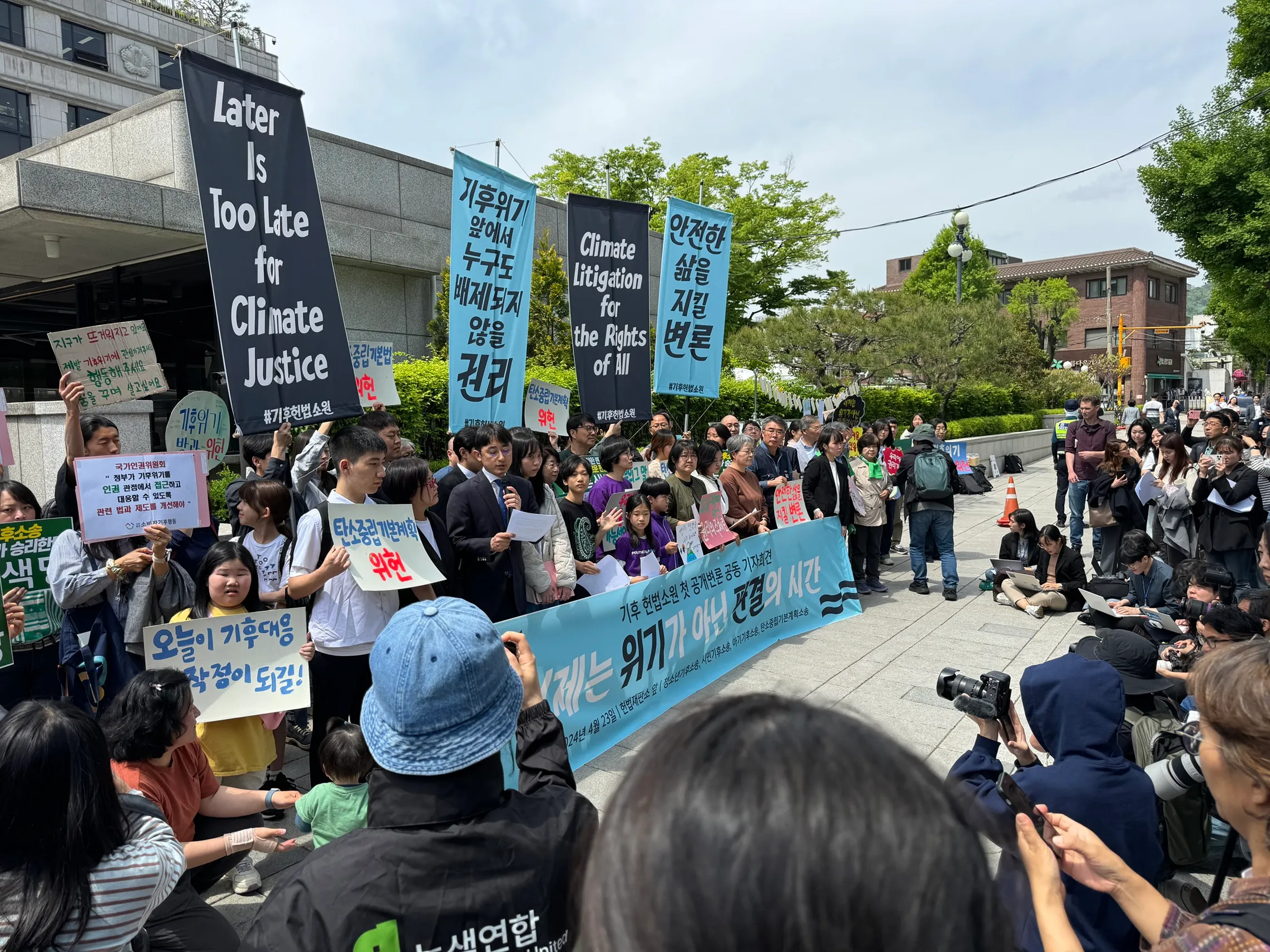
In 2013, the film "The Attorney" surpassed 10 million viewers, and in 2022 the drama "Extraordinary Attorney Woo" saw its domestic ratings soar to nearly 20% and drew great popularity abroad as well. The reason a trial as drama is attractive is not simply genre fun. It is because a courtroom dispute is a narrative that most vividly reveals the themes of social justice, institutional contradiction, and the protection of the weak's rights, while at the same time containing the catharsis in which conflict is dramatically resolved through a verdict. The history of content that takes courtroom narrative as its material goes far back to ancient times. Trials presided over by gods in the Greek tragedies of the BC era, or the Judgment of Solomon handed down in the Bible, were the first scenes in which human society tried to resolve conflict through law and justice. This tradition continued into the early Hollywood era of the 1930s–40s, and the courtroom established itself as a stage with powerful appeal in film and drama. In Korea, as democratization progressed in the 1980s, the independence of the judiciary was institutionally guaranteed, and due process and legalism began to settle into daily life. As litigation became a relatively familiar subject to citizens, films and dramas began to use courtroom scenes as the climax of dramatic tension, and entering the 2000s, full-fledged courtroom works featuring lawyers and judges as main characters gained popularity, and over time the courtroom work firmly established itself as a genre. At the same time, it became a genre that reflects the changes in society. Watching "Woo," I was greatly moved and inspired. Seeing the news that Season 2 was confirmed and going into production, I wrote a proposal email to the head writer asking them to deal with climate litigation. It was because the thought came to me that, since what moves us as we watch courtroom dramas is, in the end, the fight for justice and rights, the case that best suits that stage in reality right now is precisely climate litigation. Putting on the courtroom, beyond the rights and wrongs of a particular individual, generations and society as a whole, and further the future of the Earth and humanity — could there be any story more dramatic than this? Unfortunately, at that time I did not receive a reply. [The joint press conference for the first public hearing of the climate constitutional complaint © Solutions for Our Climate] In the era of the climate crisis, demands containing the implementation of carbon neutrality and everyone's sustainability are also emerging clearly in the form of litigation. Courts around the world are facing lawsuits with no precedent or case law — claims that greenhouse-gas emissions have infringed on life, liberty, and property rights, or that sea-level rise has infringed on cultural rights or the right to housing. The climate problem has aspects that are unfamiliar or vast to handle within law's traditional framework. But because a challenge of the times that cannot be turned away from is dissolved within it, the majority of climate lawsuits are treated as significant not only by each country's judiciary but also in the media. Symbolic climate lawsuits are appearing in Korea too. There was a constitutional complaint filed against the state, with young people and various citizens as complainants, arguing that the government's response to climate change was not sufficient and thus infringed on the basic rights of citizens, including future generations. In August 2024, the Constitutional Court ruled that the level of the government's climate-crisis response partly violated the Constitution. This ruling was assessed as a historic milestone in climate litigation, both in Korea and internationally. This past August, too, a climate lawsuit that drew social interest appeared. Six farmers from across the country who grow apples, rice, tangerines, peaches, strawberries, and more filed a lawsuit for damages against the Korea Electric Power Corporation and five power-generation subsidiaries over harm caused by the climate crisis. This is greatly significant in that it is the first civil lawsuit in Korea to directly hold the corporate group with the largest greenhouse-gas emissions legally responsible for climate damage in the agricultural sector. Depending on the judiciary's judgment, it means that going forward, high-emitting companies — that is, the parties who actually contributed to the climate crisis — could directly or indirectly compensate those who suffered harm. [The press conference for the farmers' climate-damage compensation lawsuit held at Gwanghwamun © Solutions for Our Climate] The reason climate litigation is special does not lie simply in distinguishing the fault of one individual or company. Different in form though they are, climate lawsuits all converge on one question: the question of what kind of society we will move toward now. The inadequacy of the climate-crisis response, the responsibility of high-emitting companies, and the question of future generations' rights are all questions asking what kind of society we will move toward now. In that it is a verdict staking complex interests, a long-term time axis, and the fate of society as a whole, climate litigation is in itself a new narrative that can contain genre tension and emotion. Recently, the JTBC drama "Esquire" ended amid great viewer response. At the base of each episode's case was "love" in a broad sense. PD Kim Jae-hong explained the drama as "a drama that deals with law but ultimately talks about people." In fact, climate litigation is no different. The actions of farmers and fishers who lose their livelihoods due to the climate crisis, and of young people who worry about the future, also ultimately arise from the heart of wanting to protect people and lives. If today's conflict and tomorrow's hope intersect on the stage of the courtroom, that alone can make a story with enough resonance. This time, I intend to pester the production team to deal with climate litigation. If I use as a weapon the old connection continued since university days, might I not expect a slightly different result? By Kim Won-sang (Media Communications, Solutions for Our Climate)
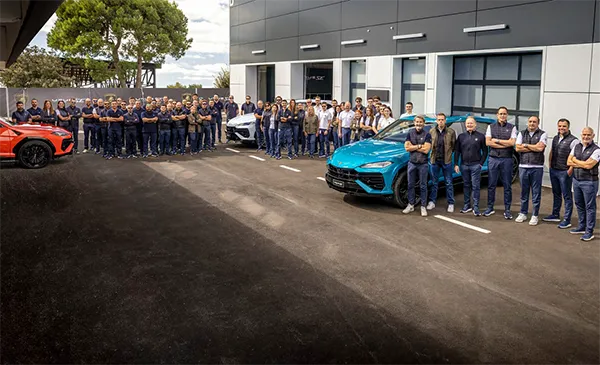
"F1: The Movie," directed by Joseph Kosinski, director of "Top Gun: Maverick," and starring Brad Pitt, set a new box-office record by surpassing 60 million dollars (about 810 billion won) at the worldwide box office. Prompted by this film, made to commemorate the 75th anniversary of F1, the world's fastest car race, much interest is gathering around F1 and motorsports in general. [A scene from F1: The Movie © f1themovie.com] Meanwhile, according to the International Energy Agency (IEA)'s "World Energy Outlook 2024" report, energy demand in the transport sector will increase by about 10% by the end of the 2020s, and the main factor is road transport. However, while the number of vehicles corresponding to road transport increases by about 10%, the growth rate of road-transport energy use is expected to stay at around 5%. The spread of electric vehicles offset the energy use of existing internal-combustion-engine cars that use fossil fuels. The Fédération Internationale de l'Automobile (FIA), which governs many motorsports, is responding to this change by holding Formula E, electric-powered open-wheel racing, since 2014. So then, in what way is a mobility company that makes the fastest cars on the road raising its speed toward ESG? [Cover of Lamborghini's sustainability report © Lamborghini] Toward Taurus (Direzione Cor Tauri) Ferrari, Aston Martin, McLaren, and Lamborghini — the brands that represent supercars — each practice sustainability in their own way. Ferrari has steadily published sustainability reports since 2018, Aston Martin since 2019, and McLaren since 2021. Lamborghini published its sustainability report for the first time this year, beginning to officially share the brand's ESG moves. Under the slogan "Driving Human Beyond," Lamborghini aims for the goal of newly creating not only what is visible but even the experience. The strategic direction "Direzione Cor Tauri" — that is, "Toward Taurus" — launched in 2021, was to the extent of electrifying all of Lamborghini's models, but in 2024 it expanded its goal and scope to the decarbonization of the company's entire value chain. This means achieving decarbonization in the true sense not only in Lamborghini's cars but in all processes encompassing the brand, such as production and transport. [Lamborghini's production process © Lamborghini] Lamborghini's Sustainable Value Chain Lamborghini continues to collaborate, through ongoing communication, with partners who pursue common values in social, environmental, and quality terms. Through this, it consistently maintains a high level in the basic quality of products and in the experience the products deliver to consumers. Since joining the Audi Group in 1998, Lamborghini has been innovating its supply chain, collaborating with related departments to create synergy with Volkswagen Group brands. Lamborghini's headquarters and manufacturing plant are in Italy, and it reduces transport-related greenhouse-gas emissions by sourcing parts from suppliers in the Europe, Middle East, and Africa region. In addition, as part of a project to employ the socially disadvantaged, it signs supply contracts with local cooperatives. This can be called a mutually beneficial value chain that solves the problem of excessive greenhouse-gas emissions arising from long-distance transport while at the same time realizing local development. [Lamborghini's high-performance electric car "Revuelto" © Lamborghini] An Upright Promise for Future Generations In line with Lamborghini's Direzione Cor Tauri strategy, the "Revuelto" model, unveiled in 2023, is the brand's first hybrid HPEV (High Performance Electrified Vehicle) supercar, a model combining a 12-cylinder engine with three electric motors. The following year, Lamborghini also unveiled the Urus SE, a hybrid version of its super SUV, and the Temerario, its second HPEV. At the 2024 Asia-Pacific unveiling event for the Temerario, Lamborghini CEO Stephan Winkelmann stated, "We will convert our entire lineup to hybrid in sequence, and we are waiting for the right time to apply electrification technology that maintains the driving experience Lamborghini pursues." A pure electric car inheriting Lamborghini's performance and driving pleasure is scheduled for release in 2030. Besides making its existing internal-combustion supercar lineup all hybrid and electrified, Lamborghini operates various policies for environmental protection: saving energy and resources, reducing greenhouse-gas emissions to minimize environmental impact, and protecting biodiversity. Paying particular attention to water-resource management, Lamborghini uses water supplied through the waterworks network as domestic water for the cafeteria, cleaning, and the like, and supplies the water needed for the production process from its own wells. Lamborghini covered 82% of its total water use from 2023 to 2024 with well water, also using water treated in its own purification facilities as a major supply source. Going forward, Lamborghini aims for a zero-discharge plant that completely reuses, until depletion, the intake resources of process wastewater, domestic sewage, industrial wastewater, and rainwater generated in the process. By reducing unnecessary waste of water resources and recycling used water, it is expected to contribute to environmental protection and resource circulation. Like the speed approaching 300 km/h and the tremendous performance, many of the elements that represent the sentiment of a supercar originate from the internal-combustion engine. Supercar brands are preparing for changes in future mobility by exploring various methods such as e-fuel, hybrids, and high-performance motors. If you are curious about what the future of mobility that Lamborghini is preparing — and further, its future as a sustainable carmaker — will look like, how about reading Lamborghini's sustainability report, whose meaning is all the greater for being its first? by Editor L

Let us tell the third story about Son Heung-min. This time it is the physical backdrop, the stadium. LA's BMO Stadium is not a mere soccer field. This 22,000-seat stadium, designed with eco-friendliness as its goal from its opening in 2018, is physical proof of sustainability. Unlike ordinary stadium construction, BMO Stadium applied an integrated design premised on obtaining LEED (Leadership in Energy and Environmental Design) Silver certification even before groundbreaking. LEED is the world's most widely recognized eco-friendly building certification system, provided by the U.S. Green Building Council (USGBC). The certification result, which reviews everything from a building's design, construction, and operation to maintenance, aims at improving the process of building and managing a building — energy saving, water saving, carbon-emission reduction, and the like. Certification is divided into four levels: Certified (40–49 points) → Silver (50–59 points) → Gold (60–79 points) → Platinum (80 points or more), and BMO Stadium obtained a Gold grade, higher than planned.[A view of BMO Stadium © BMO Stadium]LEED certification in the sports-facility field is even more demanding. This is because the attributes a building must have — accommodating large crowds, high energy consumption, complex infrastructure — conflict with eco-friendly design. Tom Penn, one of LAFC's owners, said at the time of the Gold-certification announcement, "From the early stages of the project, we were committed to building an environmentally friendly stadium," and "we strove to build a building that uses minimal resources while having no impact on the environment."The Economic Virtuous Cycle That Sustainability CreatesThe eco-friendly technologies of BMO Stadium, which thus received LEED Gold certification, are producing concrete results. The stadium, built as an eco-friendly building to the extent of being certifiable, reduced energy consumption by 30% and cut water consumption by 40%, saving more than 770,000 gallons of water annually. There is also a rainwater-recycling system. Turning LA's dry climate to advantage, it collects the rainwater from the occasional torrential downpour and uses it for the turf and landscaping. Behind the green turf that visitors see hides such invisible wisdom. It is also equipped with mechanical conditioning facilities that use refrigerants with a low global-warming index, and devices to mitigate the heat-island effect are designed through the rooftop design.The reason BMO Stadium's eco-friendly operation is important is economic sustainability. The operating-cost-saving effect from introducing eco-friendly technologies is considerable. Where does the cost saved by the reduced 30% of energy consumption and 40% of water use go? It is reinvested straight into the LAFC Foundation's social-contribution programs. It becomes the financial foundation of the various regional-mutual-prosperity partnership programs confirmed in Part 2 of the Son Heung-min series.This investment may also connect to long-term investment in preparation for the 2028 LA Olympics. Among the LA Olympics scheduled for 2028, BMO Stadium is to be used as a venue for soccer, lacrosse, and more. The International Olympic Committee has, since 2020, taken sustainability as a core criterion for hosting the Olympics. BMO Stadium's eco-friendly operation know-how is expected to contribute directly to the successful hosting of the 2028 Olympics as well.As Son Heung-min joined LAFC, stadium-development officials from various Asian countries are said to have begun taking interest in BMO Stadium. The new stadium of Tottenham Hotspur, the English club Son Heung-min previously belonged to, also introduced eco-friendly technologies on a large scale, but BMO Stadium has a point of differentiation in that it was designed on the premise of sustainability from the start. The key is that it is a newly built stadium in which green-building principles were planted from the beginning, not a renovation of an existing facility. That it possesses measurable results is also an important point. The concrete operating-cost-saving effects and environmental-protection results prove that eco-friendliness is not mere marketing but real management efficiency.[Son Heung-min at his debut match at BMO Stadium © LAFC]440 Bicycles Changing LA's Daily LifeOne of the scenes surrounding BMO Stadium is the bicycles lined up around the stadium on match days. It is a daily scene created by 440 bicycle parking spaces. LA in the US is one of the cities heavily dependent on cars. BMO Stadium is challenging this environment. From bike lanes to EV charging stations, it uses the stadium itself as a testing ground for sustainable mobility. In fact, 5% of the parking lot consists of EV charging stations, and 20% is equipped with EV-ready infrastructure. Also, as part of "My Figueroa," a community-regeneration and development project jointly pursued by the City of LA and LAFC, a bike lane leading to the stadium was created.What is interesting is the fans' reaction. People who at first found it odd that one could come to the stadium by bicycle in LA now accept coming by bicycle as a match-watching culture. A new routine has even appeared of stopping by nearby restaurants on a bicycle before and after matches.We should pay attention to the economic and cultural sustainability that BMO Stadium is realizing. A stadium that spent more money on eco-friendly technology at the initial investment stage reduces operating costs over the mid-to-long term and recovers its investment. More importantly, the saved money leads to community contribution and even raises brand value. It is a time when a new perspective of "eco-friendly = management efficiency" is needed, breaking out of the fixed notion of "eco-friendly = cost burden." The team Son Heung-min chose was not simply a good team but an organization preparing for the future. It is a point for domestic sports facilities, too, to reflect on whether they are preparing for the future with such a long-term outlook.by Editor L

Now that we have entered the latter half of 2025, at this point when the earnings reports of major companies are wrapping up, there is a report that must be examined as importantly as the earnings — the "sustainability management report," which checks a company's ESG moves. Because a sustainability management report lets one confirm a company's goals, moves, and outlook for ESG management, it plays the role of an important evaluation indicator, all the more as corporate environmental and social responsibility comes to the fore. Today, we review the "2024 Amorepacific Holdings Sustainability Report" of "Amorepacific," the leading player in Korea's beauty industry.2030 A MORE Beautiful Promise[Cover of the 2024 Amorepacific Holdings Sustainability Report © Amorepacific]The influence of K-beauty is formidable. According to the Ministry of Food and Drug Safety, Korea's cosmetics exports in the first half amounted to 5.5 billion dollars (about 7.6026 trillion won), a record high. Actively entering not only the traditional export market of China but also the Middle East and South America, it proved that K-beauty's achievements are not a temporary phenomenon appearing only in a particular region. At the center of such K-beauty, how is Amorepacific (hereafter "Amore"), active under the calling of "making people beautiful, making the world beautiful," striving to make the world beautiful?Amore is executing a strategy of fulfilling five promises based on the two axes of "walking together with customers and society" and "coexistence with great nature." Specifically, to contribute to realizing customers' sustainable lifestyles, it reduces the carbon footprint of all new products through Life Cycle Assessment (LCA) and actively uses renewable energy. It reduces the environmental impact of cosmetics packaging by improving the materials of plastic packaging, and to minimize the environmental impact of the palm-oil cultivation process — palm oil being used as a raw material across beauty products — it is also making the effort to fully use palm oil certified by the "Roundtable on Sustainable Palm Oil (RSPO)." Beyond this, spreading the values of diversity and inclusion, Amore pursues sustainability toward the environment and society as a whole.Sustainability in the Cosmetics Development and Manufacturing ProcessThe product Life Cycle Assessment that Amore established comprehensively analyzes the environmental impacts arising throughout a product's entire process — raw-material extraction, production, distribution, use, and disposal. This assessment consists of 16 categories containing factors that can affect the environment and humans, such as fossil fuels, water use, acidification, toxic components, and fine-dust formation. Therefore, the Life Cycle Assessment can be used as an objective indicator to refer to when developing new products, as a standard by which consumers purchase products, and through this it can also draw out positive change across the industry.[Dongbuk-Bukchon Wind Farm © Renewable Energy Guide]In addition, in 2024, Amore achieved RE100 by converting 100% of the electricity used at its four major production sites and logistics centers nationwide to renewable energy. Amore sought the renewable-energy transition by directly building solar-power systems on idle land at its sites and logistics centers, and mobilizing various methods such as direct and third-party Power Purchase Agreements (PPA), Virtual Power Purchase Agreements (VPPA), the purchase of Renewable Energy Certificates (REC), and green tariff plans. Among these, the VPPA is a power-purchase-agreement format that Amore concluded for the first time in Korea. With this, Amore became a company that applied the maximum methodologies for securing renewable energy available in Korea.The Company's Efforts for Value ConsumptionAmore conducts a materiality assessment to identify, among the ESG matters related to its business, those that must be dealt with first. The materiality matter ranked first in the 2024 report is the environmental impact of packaging. This is based on the judgment that, through packaging improvement, it can reduce carbon emissions and improve the recycling rate, giving a real positive impact to the environment. Considering that most cosmetics use plastic packaging, building a plastic-circulation model based on the 4R strategy — reducing plastic packaging use (Reduce), raising recyclability (Recycle), creating an environment for reuse (Reuse), and directly recovering containers (Return) — will hold great meaning.In fact, Amore reduced plastic use by 1,696 tons over the single year of 2024 through the expanded application of recycled plastic and the lightening of packaging. It also succeeded in cutting about 4.2 tons of plastic use by improving cap designs and removing unnecessary spatula specifications. Amore plans to reduce plastic use by continuously applying such improvements.[Cosmetics that adopted refill capsules © Amorepacific]There are also cases of making recycling easy by not mixing materials other than plastic into cosmetics packaging. It improved product specifications so that containers could be recycled without a complex process — by removing the steel spring inside a pump, or replacing the cap material from steel with the same plastic material as the container. Alternatively, by selling refill containers separately and encouraging repeated use of the case, it reduced plastic use by 81% compared with buying a new product, and by directly intervening in resource circulation through an empty-bottle collection campaign, it collected a cumulative 2,721 tons of empty bottles.Such a resource-circulation model holds significance in that it enables value consumption — that simply buying Amore's products adds to ESG. What Amore protects is, beyond simply the Earth and the environment, the sustainability of K-beauty, which has become a culture in itself. If you are curious what the beautiful world Amore envisions looks like, how about confirming it through the sustainability report?by Editor L
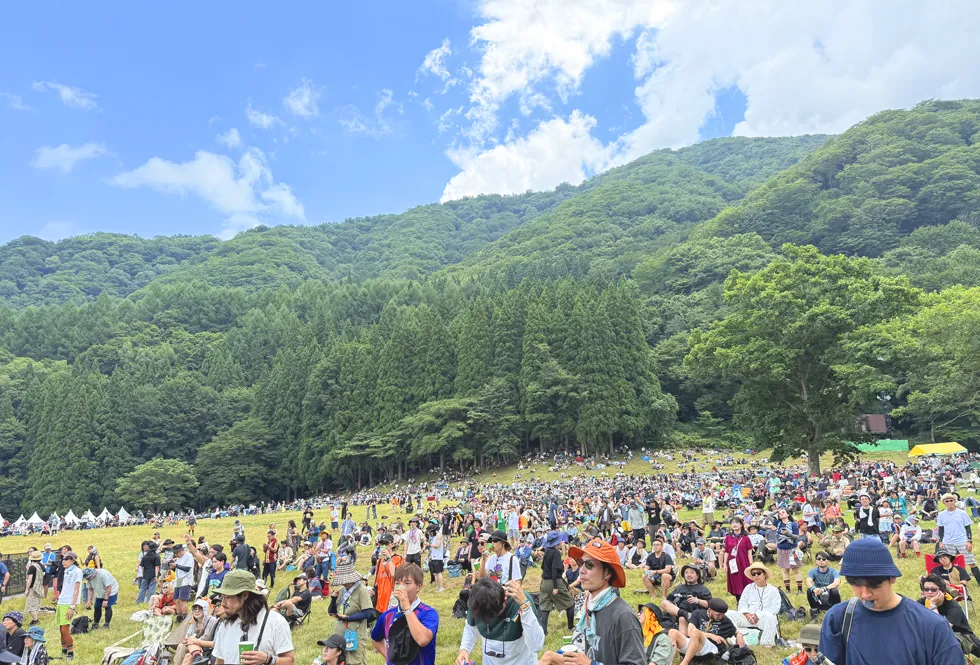
This year, for the first time, I took part in the Fuji Rock Festival held in Japan. The festival, first held next to Mt. Fuji in 1997, is now — after relocating — held at the Naeba Resort in Yuzawa, Niigata Prefecture, about 200 kilometers northwest of Tokyo. It was a space of drums and guitars echoing through the forest, a wave of people listening to music while treading the earth, and clear, transparent valley water brimming to wash away the heat. That atmosphere, in which freedom and solidarity mingled among people of all ages and various nationalities and races, was full of scenes hard to forget for a while.But at the tail end of that romance, a question came to mind."Is there really no price for all this freedom and enjoyment?"[Fuji Rock Festival © Kim Won-sang]I do work for climate response at a climate-change NGO. It is the work of drawing out systems and policies for climate-change mitigation to lower greenhouse gases nationally. Naturally, I come to examine the carbon footprint I myself induce.The car ride to and from home and the airport, the round-trip flight from Incheon to Tokyo, the round-trip Shinkansen from Tokyo to Niigata Prefecture, the round-trip bus shuttle to the resort, plus food and drink, trash, souvenirs, and lodging. The carbon footprint generated simply by taking part in the rock festival roughly exceeded 350 kg. It was, in effect, spewing out in a few days the carbon that 20 forest trees would have to absorb all year, and consuming 20% of my annual carbon budget in a few days. To think that the pursuit of happiness and keeping the Earth sustainable are in conflict.To settle it simply with "just don't go" — the power of comfort and solidarity that music gives to many people's lives is too great. But it is also hard to just enjoy it while turning away. In the end, I arrived at the thought that the answer lies in changing the "way of participating."[Fuji Rock Festival © Kim Won-sang]What was somewhat comforting was that the Fuji Rock Festival aims to be an "environmental festival" more than any other event. This is because the Fuji Rock Festival carries a history that cannot help but be sensitive to the environment, having experienced the effects of climate change. The first event, held near Mt. Fuji in 1997, was disrupted by an extreme typhoon, and as participants suffered hypothermia, it was canceled after just two days. The following year it was held again on the Tokyo coast, but the scorching heat caused great concern, and it eventually settled in its current home at the foot of the mountains in Niigata Prefecture. This is why the Fuji Rock Festival holds the environmental slogan "efforts for coexistence with nature."At the place where the Fuji Rock Festival is held, decking is laid to protect the forest paths and minimize humans' impact on the forest's biodiversity, and staff are stationed at all times to thoroughly carry out waste separation. Plastic bags made from inedible rice are distributed so participants can collect their trash, paper cups are collected and made into toilet paper for the following year, oil from fryers is reused as biofuel, and some energy is sourced from solar power. Booths that raise awareness of environmental conservation and sustainability, and stalls selling upcycled and eco-friendly products, are located here and there. In one corner, an NGO Village was set up, providing a platform for participants to discuss and communicate centered on climate and the environment. Most impressive of all is that a culture and atmosphere of "leave no trace" is created across the entire festival. It was a festival that shared its resonance not by setting up a stage against the backdrop of the forest but by becoming one with the forest.[Fuji Rock Festival © Kim Won-sang]Fortunately, such a refreshing movement is spreading across the performing-arts world as a whole."Coldplay" abruptly halted its concert tour in 2019. They judged that the enormous carbon emissions from their own musical activities were not sustainable. Afterward, over two years, they collaborated with a team of experts to prepare principles and methodologies and design a sustainable tour. They even secured assessment and verification systems. They declared they would reduce carbon emissions to less than half compared with the previous tour, and resumed their world tour in 2022, publishing on their website their performance methodology and promises regarding water, food, goods, trash, and more. "Massive Attack" also publicly declined to appear at Coachella, citing environmental burden. "Lukas Graham" completed a performance using only wind power and batteries. The UK comprehensive-arts festival "Glastonbury" began to operate entirely on renewable energy, and Chicago's music festival "Lollapalooza" achieved a 67% reduction in fuel use and greenhouse-gas emissions. The music world is now creating a new rhythm containing a transition for the climate.In summers that grow ever hotter, festivals delayed by increasingly unstable extreme weather are appearing, and the environment in which one can enjoy music is gradually shrinking. The "Pentaport Rock Festival," counted as Korea's largest rock festival, is held in the first week of August each year, but recently, with rising temperatures, fans' demands that the timing should perhaps be adjusted are growing ever stronger.[Fuji Rock Festival © Kim Won-sang]We must not stop at consuming music but must protect, together, the ground on which music can stand. It is not simple. We must feel some reflection and small responsibility about the dilemma that enjoying a hobby and preventing greenhouse-gas emissions are in conflict. I want to share with more people this complex and subtle emotion I felt after visiting the Fuji Rock Festival. The more we do, the closer I believe we can get to overcoming the climate crisis.by Kim Won-sang (Media Communications, Solutions for Our Climate)