Loading Data
Please wait a moment...
Update Cal.
2026.08
03
Mon
04
Tue
05
Wed
06
Thu
07
Fri
08
Sat
09
Sun
Update Calendar
2026.08
01
Sat
02
Sun
03
Mon
04
Tue
05
Wed
06
Thu
07
Fri
08
Sat
09
Sun
10
Mon
11
Tue
12
Wed
13
Thu
14
Fri

Loading Data
Please wait a moment...
Morning features and interviews. A morning story over a cup.

With Pope Francis's passing, a conclave to elect a new pope was held, and a great wave of change swept through the religious world. Following the wish of Pope Francis, who during his life gravely worried about environmental issues, we met Father Yang Ki-seok (Stephen) — the author of "The Climate Is Changing — Won't We Change?" and chair of the Ecology and Environment Committee of the Catholic Diocese of Suwon — to hear about the "ecological spirituality" that copes with today's climate crisis.The "Prayer for Our Earth" of Pope Francis, who passed away last month, contains the words "let us protect the world rather than harm it, and sow seeds of beauty, not of pollution and destruction." Sharing this spirit, the "Ecology and Environment Committee of the Catholic Diocese of Suwon" was established with the purpose of preserving the order of creation by having the church community achieve an ecological transition. Crossing between home and abroad, it carries out energy-transition and carbon-neutrality-related activities, and strives at various ecological-environmental ministry, such as publishing educational materials and conducting educational activities for ecosystem conservation.• Ministry (samok) usually means, in Catholicism, the work of a priest guiding the faithful.Father Yang Ki-seok (Stephen), chair of the Ecology and Environment Committee of the Catholic Diocese of Suwon, has, since his ordination as a priest in 1999, pondered while seeking the point of contact between social justice, ecological issues, and faith, and is playing a major role in raising interest in ecology and the environment within Catholicism today. Let us hear Father Yang Ki-seok's story about ESG as spoken of in Catholicism.The "Eco Priest" Who Fused Faith and the Environmental MovementFather Yang Ki-seok is called the "Eco Priest." Living up to that name, carrying a tumbler is basic; when doing everyday shopping, he always brings reusable containers to carry home what he buys, and strives to find products with less packaging. Pondering ecology and the environment even during his daily work, he has been deeply involved in environmental issues within the diocese since 2007. In the early days, he recognized environmental problems as issues of social justice and irregularity. But as he gradually began to realize the importance of life and ecology, his eyes opened even to the seriousness of environmental destruction carried out — within the range not defined by law — to the extent of harming human life. To prevent environmental destruction driven by economic logic, he began to live a "life of action." Those efforts connected with the major civil-engineering-project issues our society experienced. His activities — opposing the Korean Peninsula Grand Canal project in 2008 and issuing a statement against the Four Major Rivers project in 2010 — continuously created a fusion of faith and the environmental movement.[The Ecology and Environment Committee, following Pope Francis's ecological spirituality © ESG.ONL]The Catholic Community and a Catholic Way of Practicing ESGIn the Catholic faith, responding to the ecological crisis is a matter directly linked to religious salvation. The Catholic encyclical "Laudato Si'," proposed by Pope Francis in 2015, has the subtitle "an encyclical on caring for our common home" for the future of humanity. This was the first environmentally themed encyclical written by a pope. This encyclical, which points out that "humanity's attitude of prioritizing economic gain and slighting life" is the fundamental cause of the climate crisis, may be somewhat unfamiliar to non-Catholics, but it is an indispensable point when discussing ecological faith. This is because it also reveals the actual state of ecological problems and the approach and mode of action at the Catholic level, and contains in detail content calling for a climate-justice movement.Accordingly, Father Yang said, the Catholic Church seeks to have all the faithful and good neighbors open a sustainable society through ecological conversion and achieve climate justice by practicing "the values of coexistence, care, and consideration." In particular, he emphasizes that, following the doctrine of keeping away from excessive growth-first thinking and forbidding the worship of material things, if this is not overcome, the path of human life and salvation is threatened. For this reason, Father Yang emphasized that a faith-based response to the climate crisis is also needed, in order to fulfill environmental, social, and ethical responsibility that touches on the ESG spirit.Contrary to the outside perception that the Korean Catholic Church is a centralized organization, in reality the faithful's awareness and practice determine the ministry policies and operation each parish priest unfolds. Father Yang pointed out that a task is that, although there are already concrete practice guidelines such as energy transition and eco-friendly consumption, the faithful do not recognize these as their own concern. If the diocesan bishops deliver clear ESG-related messages, the faithful of each parish will accept them as a natural responsibility and be able to lead change in the church and society. If faith-based action guidelines based on Pope Francis's "Laudato Si'" encyclical are also clearly presented so as to be applicable to the Korean situation, Father Yang said, one can also expect a substantive spread of ESG culture and change within the church.[Father Yang Ki-seok, chair of the Ecology and Environment Committee © ESG.ONL]The Catholic Diocese of Suwon's 2040 Carbon-Neutrality Roadmap, Ahead of UN and Government TargetsThe Catholic Diocese of Suwon, to which Father Yang Ki-seok belongs, seeks to achieve energy independence by converting 100% of the electricity used at the 222 churches within the diocese to renewable energy such as solar by 2030. It declared, as the first in Korea's religious community, that it would realize carbon neutrality by 2040. This plan, which reflects the Vatican's 2021 carbon-neutrality declaration and the climate-crisis warning of the "Intergovernmental Panel on Climate Change (IPCC)," is a target brought forward by ten years from the UN and government targets.In fact, the Catholic Diocese of Suwon installs solar power plants on each church's roof and idle land, and secures funding through establishing energy cooperatives and cooperating with the government and local governments. It also commissioned the Energy & Climate Policy Institute to create a report examining whether the Suwon Diocese's carbon-neutrality plan is feasible. Newly built and remodeled churches apply zero-energy building certification to raise energy efficiency, and it also developed a carbon-reduction campaign with the faithful through "46 practice items in daily life." Despite such efforts, the outlook for achievement is not very bright. From 2022, when implementation began, to the present, it has achieved a target of about 2,000 kilowatts (kW), falling short of the target of 20,000 kilowatts.It is a regrettable reality, but one cannot stop. Raising awareness of and expanding participation in solar power remain a task, he says. Father Yang carefully conveyed that, sadly, installing solar power plants in Korea often meets opposition depending on political and ideological conflicts and the local community's leanings. He added that even the faithful hold various political views, so opinions on installing solar power are divided. Because of this, he stated that when pushing solar projects, a strategy is needed of strengthening communication with local residents beyond ideological conflict, an approach considering convenience and consideration, and maintaining political neutrality. Creating a culture that naturally settles eco-friendly habits will also play an important role in easing conflict, he says. Still, Father Yang said with a smile that there are more supporters than before he took action, and revealed his resolve that the Suwon Diocese will lead a sustainable future through concrete, systematic practice for climate-crisis response.Religious Solidarity for Climate-Crisis Response and Sustainable DevelopmentFather Yang Ki-seok emphasized the importance of solidarity with other religions, beyond Catholicism. Expressing gratitude and respect to fellow religious figures who have long carried out the environmental movement together, Father Yang introduced the case of the Won-Buddhist order, the first in the religious world to open its eyes to the energy transition. Won-Buddhism worked hard with a plan for its 100 temples to create 100 "sunlight power plants," and, seeing this, Father Yang has worked with Won-Buddhism since 2008. Buddhism too, after various attempts, is carrying out activities to lead climate-crisis response and the energy transition through the "Birojana Natural Energy Cooperative."There is another example too. The cooperation of Korea's five major religious orders (Catholicism, Protestantism, Buddhism, Won-Buddhism, and Cheondoism), which began in 2002 from opposition to the Saemangeum development plan, developed into a solidarity body called the "Korea Religious Environment Conference," which for 24 years has carried out activities for various purposes such as nuclear phase-out, expansion of renewable energy, and the realization of environmental justice. In particular, after the Fukushima nuclear-power-plant accident, the orders even visited Germany's nuclear-phase-out sites together, and each order, with strengthened interest in and cooperation on the energy transition, strives to spread faith-based environmental activism and ecological faith. Father Yang said that Catholicism's carbon-neutrality target again promoted collaboration with other religions and became an important occasion for religious joint action toward Korean society's climate-crisis response and sustainable development.[Father Yang Ki-seok's book "The Climate Is Changing — Why Won't We Change?" © ESG.ONL]"There Are So Many Environmental and Ecological Problems; We Must Change Our Actual Living Habits"A large amount of carbon is emitted through our daily lives. So, Father Yang Ki-seok said, we need to recall the words Pope Francis left: "the present era is a time to distinguish what is most important from what is less important." "Is what I am about to buy really necessary, is it something I cannot do without?" Father Yang recommended thinking about this at least once, adding the thought that, to reduce consumption and save energy, we must make efforts to change our own daily lives.Father Yang, who established the meaning of ecological faith, participated in the environmental movement, and sought solutions to the environmental crisis through faith. Realizing the values of ESG through pursuing the diocese's carbon-neutrality roadmap and broad solidarity with other religions, he is opening a new path of ecological spirituality for our society.After meeting Father Yang, there was one sentence that came together clearly: "The climate is changing, so we too must change." What the quiet but sure footsteps of action he has walked tell us is that, whether one has a religion or not, we must, through reflection at this very moment, start with "one action." by Editor L

By Lee Choong-gul (essayist, former editor-in-chief of GQ Korea) · May 14, 2025Drinking takeout coffee through a plastic straw, I suddenly think, "What if the polar bears go extinct?" What is this guilt I feel every time I see a coffee company's logo? Is it because humans are animals good at pretending to be sorry, so we can lessen our guilt just by pretending to reflect while our hearts aren't really in it?[Photo: Kang Bong-hyung; Design: ESG.ONL]ESG — this term abbreviating environment, society, and governance — evokes in people these days, slowly, painfully, perhaps long-windedly, a certain moral comfort and existential discomfort at the same time. That subtle awkwardness when you first encounter the acronym ESG in the news, at a barbecue restaurant, in a slogan engraved on a coffee cup. The incomprehension that it seems like a category soon to be forgotten.Seoul's summer is hotter than expected, and New York's spring comes later than anticipated. The word ESG swims through the times like a sense of the seasons. But what is this feeling — at first not even glancing at it, and now having vaguely heard of it but not knowing it exactly, something seemingly important yet somehow someone else's story? In a way, it read like a newspaper editorial. Correct words, but a bit far away. Understandable, but without body heat.When I see copy saying a product was made in a sustainable way, I reflexively feel sorry. What on earth is the person who chose a product made in a non-sustainable way thinking? But that's me, isn't it? (Then the "just one person like me" circuit soon switches on, and I put the plastic straw back in. Like the struggle of redefining the potato chips I ate a moment ago as a "naturalist snack containing dietary fiber," while declaring that from tomorrow I definitely won't eat junk food.)Meanwhile, ESG has become the best PR of this era. Because it is moderately harmless, ethical, and packageable. This term, as if symbolizing humanity's contradictions, sounds, so to speak, like a cover letter that wants to make a good impression on everyone. An ambiguity that seems sincere yet not sincere yet sincere. Perhaps it is like a name tag capitalism has stuck on its chest saying, "I'm going to be good now." And companies use this word like the shampoo of marketing. To thoroughly rinse away the greasy truth.A butterfly hits the office window. Crushed against the glass, it flaps its wings fiercely, squeezing out the last strength of its life. The glass reflects the sky as if imitating it, but there is no wind, no clouds. ESG, glossy like a windowpane, asks about the ethics and efficiency, transparency and responsibility of the times. And now it is time to talk about what we see, and fail to see, beyond the curtain of clear letters.ESG is in fact a question, but few answer it. Perhaps it is a question mark too small to be seen. Or a question so big that everyone avoids it. I found a clue to this doubt two years ago, in an alley in Omotesando, Tokyo. A small eatery that had sold grilled-eel rice bowls for decades. The owner developed paper packaging to avoid using plastic containers. Moreover, he donates leftover food to the homeless. All the employees were regular workers, and the head chef was a person with a disability. Thinking back now, the very unspoken motto of that eel-rice eatery was itself ESG. At that time he did not know ESG, but he respected his customers. And I believed that such respect is what lasts. Longer than trends, longer than marketing. Astonishingly, at the eatery two doors down, they were carefully packing up the rice a customer couldn't finish. The paper packaging made of recycled paper was stamped with a cat-shaped stamp and written in Japanese, "Food is life." There was no system telling them to do so, nor any figures reported about it. His day was ethics built upon honestly washed grains of rice. That eatery owner had simply lived that way. Then I learned again that an improved society is completed by such small, repeated choices.One night in Vancouver, at a factory that employed undocumented workers, the boss bought gimbap for a migrant worker who had finished a day's work. It was not in the contract, and it was recorded nowhere. That night, I was certain. Real sustainability is like that gimbap. ESG is not some standard but an attitude. The moments when ESG becomes truly wonderful are often seen outside the reports. Good things always begin quietly, and the beginning usually arises from a very small conviction. Excellent ESG is not something grand but doing the small things well. Washing cups, using less paper, keeping promises. Above all, having no shame in what one does. Some want to speak of turbulent transformation, but real change is always small. So small that it usually isn't even reported in the news. Yet we know. That it is real. That it lasts longer than words.Sometimes even the person shouting ESG doesn't seem to properly understand it. To be exact, he mistakenly believes he understands ESG. The contradiction of refusing a disposable cup, clicking his tongue at the reality of the Amazon, or being aghast at the ratio of female executives in a board photo, while still holding stock in mega-corporations. A retort wriggles inside: so what? Is ESG, in essence, the (perhaps only) attempt to institutionalize human guilt? Or is it a struggle to survive by organizing the era's anxiety into concrete items?Some company publicly declares it will reduce carbon. Those words are like wind, but you have to keep watching where the wind blows from. Words are easy, but monitoring is hard. That is the reason to take an interest in ESG, and precisely the reason we cannot give up. In truth, we pretend not to know while knowing. Because to know means to act. Everyone confesses inside: how tiring action is. But no one is exempt. On the endless treadmill called social responsibility. Sometimes the Earth looks like a huge bucket. The bucket, once full of water, now leaks little by little. Someone makes a hole, another blocks it with a finger, the rest listen to the sound of water. ESG is a story about that finger. The one who blocks. The one who pierces. The one who does nothing. And the one reading this text. In the end, ESG is how I behave decently even when no one is watching me. Not an ethical choice, just a good choice. Not an accounting risk, but human intuition. We all know. That such intuition isn't visible in reports but remains long in memory.Whether ESG becomes a rare tool that changes the world, or ends up as just a report, is ultimately decided by people. Even if sustainability is shouted in the marketplace every day, isn't it in the end a series of small things? What cups the people working behind the company nameplate drink from, whether they turn off the computer when they leave, in what tone they begin a meeting. Not a large-scale declaration, a majestic case, or the ambition to overturn everything, but simply the habit of believing something is better, one person's quiet choice, will change the world little by little, ever so little.Eternity sometimes dwells in unmeasured ways — the gesture of drinking coffee and washing the cup, the heart of adding a kind greeting to an email, the consciousness of taking responsibility for what one has made. Like old timber, like a relationship that grows sturdier the more it is used. Sometimes I think that might be enough. Because there is no such thing as a perfect structure in the world to begin with. Still, someone plants a tree every day. Nor is a tree necessarily planted only in a forest. Sometimes, even under an office desk, something quietly grows.Someday I hope ESG remains as a story. Not in a chairman's interview, but in a factory worker's diary. Not in a brand's ad copy, but in the hands of an old person cleaning the seashore. That, I think, is a gesture without any reward and the purest form of ESG. Now one question remains. What face does your ESG wear? Is it shining like glass? Or is it dirtied with dust yet vividly alive? And what smell does it give off? The smell of paper? The smell of ink? Or a warm smell like freshly baked bread? The world is filled with lies, but if just one person tells the truth, the dry air might, for a moment, grow moist. If so, could I too become that one person? Could you too?By Lee Choong-gul (essayist, former editor-in-chief of GQ Korea)
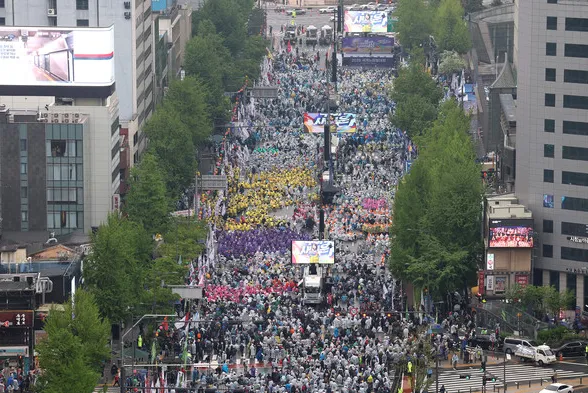
May 1, 2025 — the start of a holiday for some — was May Day. On this day, the two major umbrella unions in Korea, the "Korean Confederation of Trade Unions (hereafter KCTU)" and the "Federation of Korean Trade Unions (hereafter FKTU)," held simultaneous large-scale rallies in central Seoul and across the country, demanding the guarantee of workers' basic rights — strengthening labor rights, raising the minimum wage, amending the Trade Union Act, and protecting non-regular workers. The working population is decreasing more and more, but the reality is that solving problems in the labor field is slow. Let us look at the discussions pointed out at the 2025 May Day rallies and talk about the essence we should reflect on for May Day.[The "2025 World May Day Rally" held near Sungnyemun © Yonhap News]Workers' Basic Rights Viewed from an ESG PerspectiveMay Day is a day to remember sacrifice and struggle through the "Haymarket affair" — the large-scale general strike in which hundreds of thousands of workers in Chicago, USA, in 1886 demanded humane working hours, and the bloody incident that occurred in the process. Today, around May Day, workers, remembering this history, still raise their voices for a humane life and rights. Now that ESG management has established itself as an essential corporate value, in the "S (Social)" area, guaranteeing workers' human rights and basic rights becomes an indispensable evaluation criterion. The "International Labour Organization (ILO)" presented a guideline called "Just Transition," which holds that in the process of transitioning from a high-carbon economy to a low-carbon economy, the burden and harm on vulnerable groups must be minimized. Under this concept, companies must practice, for workers, improving the working environment, respecting human dignity, creating "Decent Work" in which productive labor takes place, and inclusive management in which no one is marginalized. But reality is not easy.[Hanjin delivery workers opposing 7-day-a-week delivery © Newsis]Delivery Workers, a Symbol of "Labor Without May Day"Ahead of May Day, Hanjin delivery workers announced a position denouncing the forced implementation of 7-day-a-week delivery, which does not guarantee delivery workers' right to health and rest. The delivery workers opposed 7-day delivery, informing people of a labor reality in which — due to long working hours reaching 72 hours a week, cuts to delivery fees, and unstable forms of employment — even basic rights to health and rest are not guaranteed. Behind the convenient logistics service in which a package ordered the previous night arrives at the door when you wake up lies the ever-present reality of delivery workers who face excessive workloads and the risk of death from overwork due to the forced implementation of 7-day delivery without additional staffing.To handle the delivery volume that surged after the COVID-19 pandemic and the shift to online commerce services, delivery workers have suffered hardship over the past several years. Over the eight years from 2017 to 2024, the number of delivery workers whose deaths from illness, including overwork, were recognized as industrial accidents totals 36. Including other causes such as accidents during this period, the total number of delivery-worker fatality accidents over the last five years rises to 51 (36 from illness, 15 from accidents). Including "hidden accidents" not captured in official statistics due to non-enrollment in industrial-accident insurance, the figure could rise further.The solution presented by labor organizations including the KCTU to resolve delivery workers' burden is to induce appropriate working hours by preventing long, high-intensity labor — setting a maximum daily working time, restricting late-night delivery, and so on. These labor organizations are also strongly voicing the need for a five-day workweek and the guarantee of the right to rest, which is recognized as a natural right for workers in other occupations but is not observed for delivery workers alone. Labor organizations argue that overhauling the system so that workers are not disadvantaged even when delivery is delayed is also necessary.Women, Youth, Migrant Workers... Why We Must Pay Attention to Vulnerable Labor GroupsA topic that has drawn attention for a long time in relation to labor issues is the problem of non-regular workers. The non-regular-worker problem refers to experiencing structural discrimination and inequality — not being paid the same wage for the same work, lower welfare and employment stability besides wages, and non-enrollment in essential social-security insurance. Korean law limits non-regular work to two years and regards fixed-term workers who exceed two years as indefinite-contract workers, but the reality of non-regular workers is one where employment insecurity is rampant — this is abused, for example, by restricting employment of more than two years itself.The non-regular-worker problem is directed at vulnerable labor groups who have conditions that make it relatively hard to access quality jobs.[The human-rights issue of women workers, still a task to be solved © Minjung-ui Sori]Although it is said to have improved, society still views women workers with a double standard. Even amid declaring a national emergency over low birth rates and labor shortages, the gaze toward policies supporting women's work-family balance — women who stand before the burden of childcare and housework, conversion to non-regular status, and the threat of career interruption — is not always kind. Structural gender discrimination such as the gender wage gap also cannot be ignored. Korea has very few female leaders compared with other countries. The structure that limits women from becoming leaders is called the "glass ceiling index"; the average ratio of female corporate executives among OECD member countries is about 30%. That the ratio of female executives at domestic large corporations is about 6% — only one-fifth of that level — and has ranked last for 11 straight years alone shows our reality.[Migrant workers demanding guaranteed freedom to change workplaces © News1]Another vulnerable labor group is migrant workers. To put it in the extreme, Korea's dependence on migrant workers has now grown to the point that industrial sites cannot be operated without them. Migrant workers, placed in the most dangerous and poor working environments, currently number one million, but they suffer from low wages, high-intensity labor, unpaid wages, and violence and sexual assault. In particular, the current "Employment Permit System" places constraints on migrant workers freely choosing and changing their workplaces, a structure that makes it hard for migrant workers to actively escape poor working environments. Each labor organization, publicizing the migrant-worker issue on this May Day, argued the need for a minimum respect for human rights for the sake of Korean society's sustainability and the realization of justice.[A protest for guaranteeing the human rights of youth workers © Newsis]Youth workers, though few in number, also attended the May Day rally and raised their voices for youth workers' human rights. Youth workers, like adult workers, provide labor to our society, but due to the limitation of being newcomers to society, they frequently face unreasonable situations and suffer harm. There are also not a few cases where they suffer harm because they have not sufficiently learned about their rights as workers. For youth workers, whose numbers are increasing day by day, labor-human-rights education should be conducted starting from school, and it is necessary to strengthen the writing of employment contracts to protect them from excessive night and holiday work and unpaid wages when they provide labor. In addition, practical mechanisms are also needed so that young people can be protected from various rights violations and exploitation problems in the workplace — such as sexual harassment, which can also lead to serious crimes including crimes against children and youth.The Korea Employment Information Service officially announced a prediction that from 2028, Korea's economically active population — that is, the working population — will decrease. Therefore, coexistence with the potential labor force that will support the insufficient workforce — women, foreigners, youth, and others classified as vulnerable labor groups — is essential for our government and companies.A Call for a "Just Transition" for the Labor Market and SocietyOn this May Day, too, various worker groups gathered to publicize their respective pressing issues. The problems each worker group pointed out are not unfamiliar. We must undergo overall industrial-structure changes led by the climate crisis and the advance of AI technology, while carrying familiar problems long left unsolved. Of course, there are also new agendas. Discussion of introducing a four-day workweek has begun, and measures to improve the quality of life of older workers and resolve polarization as we enter a super-aged society have also become topics.Considering the "Just Transition" — that support is needed so that no one is left behind in the process of transitioning toward a sustainable society — it is time to seek a transition to a society in which labor, welfare, and the environment achieve harmony, beyond simply preserving jobs. As satisfaction and joy in life through work are precious, let us all ponder together ways to guarantee the labor rights of various worker groups, replenish the insufficient workforce, and form better jobs. by Editor L
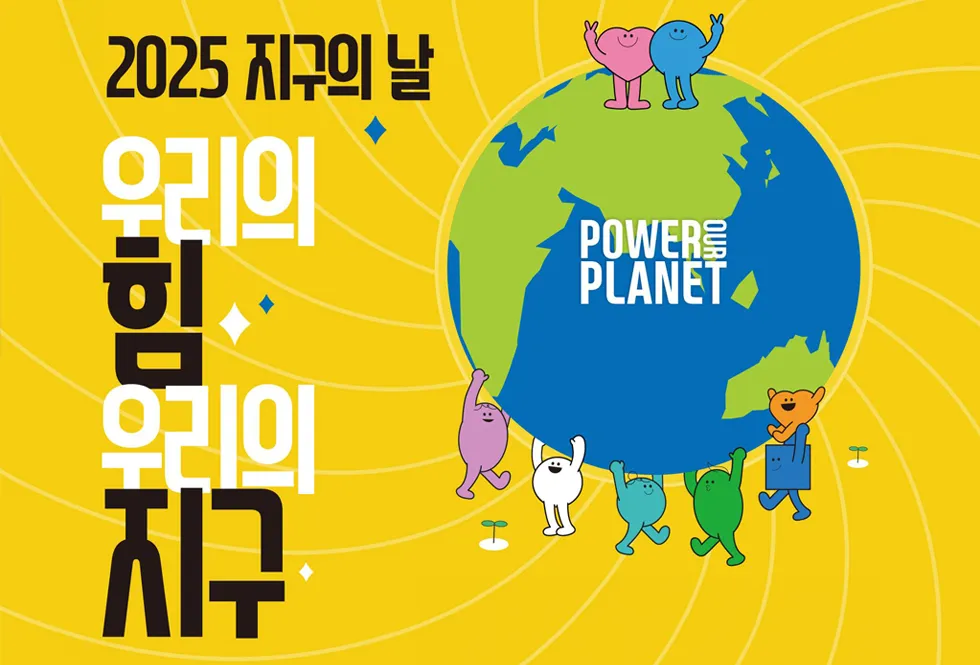
In April, when the number of outing-goers heading out for flower viewing increased thanks to the weather finally warming up, environment-related events stand out. On the occasion of "Earth Day" on April 22, ESG.ONL visited the site to capture the passion of people who cherish the Earth! Through on-site coverage of the "Earth Day" event hosted by the Seoul city government, we would like to share a time of listening to stories of making an Earth we live in together and reflecting on the significance the 2025 Earth Day holds.[The entrance to the Earth Day event site © ESG.ONL]This past Sunday, ahead of Earth Day on April 22, the "Our Power, Our Earth" outdoor event was held at the "Culture Plaza" of Yeouido Park. This event, created together by the Seoul Metropolitan Government and the Green Seoul Citizens' Committee, prepared 25 various hands-on booths and won the enthusiastic response of citizens who visited the site. A large hot-air balloon floating in the sky above the plaza and the clear voices of environmental-musical actors on the stage heightened the festive atmosphere.At the center of the site, tables were arranged drawing a large arc, and there was a "Our Power That We Draw Together" drawing hands-on area on large paper, so that everyone's Earth gathered to decorate one beautiful Earth. Like an Earth completed by everyone pooling their strength, various promotional booths at this event showed different ways to practice loving the Earth. Diverse groups participated, adding to the meaning of "Earth Day" — the local government hosting the event, the Seoul city government, as well as nonprofit organizations such as "People Who Think About the Environment," corporate foundations such as the "BMW Korea Future Foundation," the first social-contribution foundation among imported-car brands, and environment-related companies such as "Repenguru," an environmental-education content production company.[A fishing hands-on activity finding reusable containers among disposable ones, and the reusable-container service "returnit" © ESG.ONL]A Meaningful Collaboration Between Local Government and a Reusable-Container CompanyIn front of the booth of the Seoul City Hall Resource Circulation Division, a "magnet fishing hands-on activity" with reusable containers and plastic was prepared, and the laughter of family-unit visitors was constant. The "delivery food" we often order is convenient but has the side effect of generating excessive trash. The Seoul Resource Circulation Division, worried about the harm that endlessly discarded disposable plastic containers do to the environment, worked with "returnit," a reusable-container supplier, to inform citizens of the advantages of reusable containers through a fun game and encourage reducing the use of disposable containers.Using one reusable container many times has the effect of not using 300 disposable plastic containers. Moreover, if you use reusable containers through a delivery app, you can, along with a food discount, earn 1,000 won per order through "carbon-neutral points." Delivery apps such as Baemin, Coupang Eats, Yogiyo, and Ddangyo already offer reusable-container benefits, and the target delivery apps and delivery areas are on a continuously increasing trend. Yang Yu-jin, an official of the Seoul Resource Circulation Division, said, "We will promote so that citizens have a positive view of the very existence of reusable containers, and continuously raise the participation rate of reusable-container delivery orders, currently 10,000 per month on average," asking for the active use of reusable-container ordering, a small effort to protect the Earth.[Climate Fresk environmental education with the nonprofit "People Who Think About the Environment" © ESG.ONL]Exploring "Your Climate Emotions" with People Who Think About the EnvironmentAt the booth of the nonprofit "People Who Think About the Environment" (hereafter "PWTE"), a special environmental education using climate cards was in full swing. It is an environmental-education program developed in France called "Climate Fresk." Through a dialogue asking and answering what the concept of the climate and environmental keyword written on each card is, and whether it is placed in the correct cause-and-effect relationship, it expands thinking, and goes through a process of understanding by checking the explanation written on the back of the card. After the program, participants also talk about the climate emotions they felt through Climate Fresk, and together build wisdom to solve environmental problems. Participants comment that they can have a more interesting and rewarding time than reading any environment-related book.PWTE, an environmental group that aims to share knowledge about environmental problems, connect it to practice, and create a sustainable future, is operated in a citizen-led way. PWTE's members have diverse backgrounds, from urban-ecology majors to environmental consultants and biology teachers. Gathered with a passion to sincerely think about the environment and carry it through to action, they actively raise their voice to the world based on the group's expertise, such as proposing environmental policy together with the "Seoul Youth Policy Network." PWTE Vice President Kim Won-ji said, "Living up to our slogan 'from learning to practice,' I hope the knowledge we conveyed to citizens here today becomes inspiration usable in daily life." PWTE does not only environmental education such as "Climate Fresk" workshops but also academic activities and eco-friendly activities. In particular, it will continuously develop activities to lead the public's practice — such as conducting plogging (picking up trash while walking) campaigns and preparing climate talk concerts, in collaboration with "Earth Mera," which created an application that records eco-friendly activities.[Families assembling an electric-car kit together with the BMW Korea Future Foundation © ESG.ONL]BMW Korea Future Foundation: A Preview of the Future with Electric CarsAmong the many booths at the site, the place where you could feel the popularity by far, with its long waiting line, was the electric-car guidance booth of the "BMW Korea Future Foundation." BMW Korea, which established the first nonprofit foundation among imported-car brands in Korea in 2011, develops various education and campaign programs related to automobiles with sustainable development as its core vision. Its environmental-education program "Next Green" alone is held 20 times a year, and the electric-car kit experience carried out as part of the Next Green program concentrated interest at the event site. Participants learned the principles of electric cars and, by actually assembling and operating a car kit, could build knowledge about electric cars, which will spread further as a future means of transport.BMW Korea donates 15,000 won to the "BMW Korea Future Foundation" for each car sold, under the concept of a "sales matching fund." It is meaningful that everyone — BMW's dealers and finance companies — takes part. Moreover, among BMW customers, there are said to be cases of individual donation to join the foundation's good cause. BMW Future Foundation Manager Lee Hyun-ji said, "Because electric cars have a more positive impact on the environment than internal-combustion cars, I hope interest in electric cars spreads further through a program that children and families can all enjoy together."[Repenguru environmental-education blocks for stacking penguins on a melting iceberg © ESG.ONL]Repenguru: Saving Penguins Is the Way to Save the EarthThis place, full of cute penguin-shaped blocks, is "Repenguru," an environmental-education content company that features the penguin, an animal symbolizing the risk of extinction. Repenguru's penguin blocks are a play tool for stacking large and small penguins on a glacier-shaped block, finding the center of gravity so they don't collapse. This has the meaning of helping children's growth and development while doing environmental education together. The product materials, too, use eco-friendly materials such as wood or biodegradable plastic, containing Repenguru's own philosophy throughout the product.Repenguru is a company established to inform people of the seriousness of climate change, posing the question, "If the glaciers of Antarctica all melt and disappear due to climate change, what will happen to the penguins?" CEO Lee Ji-young, a former designer, has steadily carried out a sincere business over the past ten years, studying endangered penguins one by one and personally making teaching tools, books, stationery, and more. Repenguru CEO Lee Ji-young said, "The message that we should all strive together for the global environment should be conveyed easily regardless of whether one is a child or an adult," conveying the resolve to make Repenguru's products pretty to look at and safe to use, so that anyone can approach them with interest and enjoyment.[The number of disposable cups reduced by using tumblers © ESG.ONL]As it was an outdoor event, the day's weather luck also had to cooperate, and perhaps because it was an occasion commemorating "Earth Day," this past Sunday the event could be enjoyed safely under clear weather. Someone may have a skeptical view of "will carbon neutrality be kept just because I alone change?" But the many groups and citizens who took part in the event will have experienced the hope that we are heading toward a goal together, not through one person's effort alone.At the event site, there was a booth handing out tea for free to people who brought tumblers. And on the electronic-display banner installed right next to it, "the number of disposable cups we reduced today" was written. The "Earth Day" event once again reminded us that what is needed to make a today for tomorrow is the effort of all of "us." by Editor L
The "2025 Osaka-Kansai Expo (EXPO, world exposition)" began its six-month journey on April 13. The theme of this Expo, held again 55 years after Japan hosted its first Expo in Osaka in 1970, is "Designing Future Society for Our Lives."[The official logo of the Osaka-Kansai Expo © Japan Association for the 2025 World Exposition]A noteworthy point this time is that the Osaka-Kansai Expo aims to contribute to achieving the UN SDGs (Sustainable Development Goals). As an Expo held in 2025, five years before 2030, the SDGs achievement target set by the UN, this event seeks to become a platform that can accelerate the pace of achieving the UN SDGs. At this Expo, where you can see at a glance the latest technology and culture of the 158 participating countries, various exhibitions on a "sustainable future" have also been prepared for this goal. Let us look at the major Expo pavilions selected by ESG.ONL — including Korea and the host country Japan.[A view of the Korea Pavilion © Korea Trade-Investment Promotion Agency]The Korea Pavilion, a Popular Pavilion Drawing Attention for Scale and ContentThe Korea Pavilion, talked about for its overwhelming super-large LED — 27 meters wide and 10 meters high — consists of three exhibition halls containing the connection of tradition and modernity, people and technology, and Korea and the world, under the theme "With Hearts." The Korea Pavilion, buoyed by interest in K-culture, is counted as a popular pavilion within the Expo; it contains a visual experience through which one can feel the latest digital-media technology and storytelling that makes one reflect on the relationship and recovery between the environment and humans. Its content includes the regeneration of nature blooming from concrete, a symbol of industrialization; a new eco-environmental system utilizing hydrogen fuel cells; and a participatory exhibition experiencing the communion between humans and the environment using breath sensors. At the Korea Pavilion, one can confirm, in dynamic content, the ESG messages we should know amid cutting-edge technologies such as AI and new and renewable energy. The Korean restaurants that can be experienced only at the Korea Pavilion are a bonus.[The Japan Pavilion, built with disassembly and recycling in mind © Yonhap News]The Japan Pavilion, Containing the Great Cycle of LifeThe Japan Pavilion is made of numerous wooden panels, containing the designer's intent, who pondered "the circulation and continuation of life (Between Lives)." The wooden panels form a circle, composing the route so that one can experience the concept of circulation. As the host country that prepared the Expo with ESG in mind, it shows a rough sketch of an environment-related ultra-smart society — the simultaneous resolution of traffic congestion and carbon emissions through real-time data simulation of self-driving electric vehicles, and the optimization of renewable energy through a smart energy grid. At this Expo site, "direct air capture technology" provided by the "Research Institute of Innovative Technology for the Earth (RITE)" is also being demonstrated. One can learn the process of separating carbon from the air like a tree, capturing it, and reducing it into a usable substance.The Japan corporate pavilion also prepared its exhibition with an emphasis on regeneration and circulation. The Japanese technology company "Panasonic" built its pavilion by actively using recycled iron and copper obtained from home appliances. Panasonic is also providing ideas and technology to realize the regeneration and circulation of the environment and cities, with a vision of recycling urban empty houses — which had emerged as a social problem in Japan — into "urban Mini Farms." This smart farm will show the future of sustainable agriculture, stably producing fresh vegetables in the city center going forward.[The Netherlands Pavilion, meaning "illuminating the future through water" © archdaily.com]The Netherlands: Future Technology Competing with WaterThe Netherlands, which always carries a tension related to water in a place lower than sea level, especially presents future technologies concerning water. At this Expo exhibition, it shows smart coastline technology and a water-recycling system, through which one can confirm how it responds nationally to problems such as sea-level rise and water shortage. In addition, visitors can confirm, through digital images, how it protects the safety of cities and provides clean water by building a seawall as a digital twin model. In this way, at the Netherlands Pavilion, one can confirm an extraordinary system that responds to climate change together with water — such as presenting an integrated renewable-energy model combining offshore wind turbines and an energy-storage system.[The France Pavilion, adding aesthetic beauty with a spiral staircase © designboom.com]France: The Fashion of a Sustainable FutureFrance participates under the theme "digital-twin-based circular fashion." The fashion-tech startups "Circul'R" and "3DLOOK" show a solution combining fabric recycled from waste clothing with an AI design system. People can experience clothes through AR virtual fitting and, after ordering, watch the process of AI producing clothes with a waste-minimizing pattern. France, a fashion powerhouse, has foreshadowed that, based on the growth of such fashion-techs, it will also present a "2030 France Fashion Waste 50% Reduction Roadmap" at the exposition site, drawing further anticipation.The Link of Sustainable Circulation and RegenerationThe Japanese government, which hosted the 2025 Osaka-Kansai Expo, stated that it plans to apply the technologies presented at the Expo to the "2025 Osaka Carbon-Neutral City Project." This Expo will be an exposition condensing our future, which we will directly experience before long. The 2025 Osaka-Kansai Expo runs with a long breath until October 13. Let us enjoy the visions of a sustainable future society from around the world during the remaining Expo period. by Editor L

With the overlap of the Trump second administration's tariff strengthening and the EU's Carbon Border Adjustment Mechanism (CBAM), Korean companies face a double burden. ESG.ONL met "foreign attorney Hong Seung-pyo," who specializes in EU law and international law, to learn about the ESG competitiveness needed in an era of global trade that is becoming blocked around interests.President Donald Trump's second administration put the brakes on ESG policies from the start. Following withdrawal from the Paris Agreement and the abolition of DEI policy, it has recently caused confusion for companies worldwide with tariff pressure. Furthermore, our country is expected to see politically turbulent circumstances continue for the time being. Amid the absence of national leadership, Korea faces the difficulty of the public and private sectors each having to join forces and newly devise a trade strategy toward the US.ESG.ONL met foreign attorney Hong Seung-pyo, an international-law specialist at "Espée & Lancée," from whom we had sought advice on the direction of Europe's ESG after Trump took power, and asked about the position Korea's ESG policy should take at the prologue of the global trade war triggered by the US-originated tariff bomb.Europe's CBAM, America's Tariff Policy: "In Fact, the Risk Has Doubled"Attorney Hong Seung-pyo began the interview with concern about the current turmoil in the trade market, which is pressuring from both Europe and the US. The EU is scheduled to fully implement the Carbon Border Adjustment Mechanism (CBAM) from 2026. Through this, it imposes a carbon cost on imports such as steel and aluminum. It is a situation in which trade barriers are rising — Europe with carbon costs, the US with an expanded tariff policy. When the same item is simultaneously subject to both sides' regulations, a double burden of carbon cost and tariff arises, and so companies' compliance officers need to move quickly to respond to such cost issues.In particular, the role of the new government to come is important. It should strengthen cooperation systems with companies to support carbon-emission verification and reporting systems, and prevent discriminatory application from occurring through negotiations with the EU. In this process, the possibility of trade disputes is also high. Attorney Hong said that it is wise to keep watching the situation and for the government and companies to enter joint negotiations in a timely manner.[Attorney Hong Seung-pyo © ESG.ONL]Responding to Tariff Risk Through Local Investment and Market DiversificationExpanding local production within the US is one method of avoiding tariffs. So the news that POSCO, Hyundai Steel, and others are pushing to build factories in the US was recently a big topic. Korea has exported 2.63 million tons of steel to the US annually, and it is obvious that, when tariffs are applied, maintaining the market and entering it will become difficult due to worsening profitability. In particular, if auto parts and steel sheets for electric vehicles are included in the tariff targets, an increase in the production cost of eco-friendly vehicles is inevitable. Because of this, related companies are striving to bypass the tariff burden and respond to demand through local production. Is there no other way?Attorney Hong recommends entering markets with low geopolitical risk besides the US, such as India and the BRICS bloc. Expanding entry into emerging countries with populations over 100 million, such as Nigeria, Indonesia, and Bangladesh, would also be a good alternative. He said there is also the method of Korea strengthening regional trade agreements. Building a cooperation model with European companies when entering the African market by utilizing our "Free Trade Agreement (FTA)" with Europe can also be seen as an effective strategy.In particular, Attorney Hong added the opinion that, to respond to the dispute-mediation vacuum that arose because the Trump administration refused to appoint judges to the "World Trade Organization (WTO)," it is necessary to actively utilize dispute-resolution bodies such as the "Regional Comprehensive Economic Partnership (RCEP)." RCEP is an agreement in which 15 Asia-Pacific countries participate; as an institution that manages trade disputes through structured procedures, it includes in its work a plan to review its dispute-resolution provisions.A Clue to a Solution for Finding Stability in an Unstable Environment: ESG ManagementThere are concerns even with the solutions presented above. Attorney Hong said, "The biggest problem domestic companies face when they build production bases abroad is the problem of managing workers," continuing his voice of concern for Korean companies currently abroad. The number of Korean SME corporate entities that have entered Mexico and Canada reaches about 200. In particular, "Samsung Electronics," "LG Electronics," and "Hyundai Motor" are in Mexico, and "LG Energy Solution" and "EcoPro BM" have entered Canada. A worsening of these companies' profitability is foreseen due to the US tariff policy. And this situation can lead even to the reduction of jobs for local workers in labor-intensive industries and to unpaid-wage problems. The concern that conflict between local workers and companies could spread into an international controversy cannot be ignored either.It is important to prepare response measures for this too, and the solution Attorney Hong presented is that a "localization strategy" must first be strengthened. "SK Hynix" in Indiana, USA, showed a good case of supplying manpower and building the local community's trust by operating a technical-manpower training program in cooperation with the local "Purdue University." Amid the continuing movements of global-level power and companies' management directions, not only in Korea, ESG management through harmony with the local community where a company is located and building transparent labor-management relations will become the foundation of competitiveness — securing business stability.["Attorney Hong Seung-pyo," active in Europe and Korea © Espée & Lancée]Ways for Korean Companies to Sustain ESG ManagementIf the tariff burden grows, will Korean companies reduce ESG investment such as eco-friendly technology development? Attorney Hong, a foreign attorney well-versed in European circumstances — having long resided in Europe and with an office also in Luxembourg — stated, "In Europe, as greenwashing lawsuits over exaggerated disclosure of environmental performance increase, the legal risk of ESG activities is coming to the fore," saying that companies will find it hard to easily choose to reduce ESG investment. In particular, for carbon-intensive industries, purchasing emission allowances is essential to respond to the EU's CBAM. There is a possibility that this will lead to profitability pressure. Because of this, Attorney Hong advised that, to avoid the carbon tax, one must hurry to convert to low-carbon product lines starting now. He also emphasized that one should gain momentum to sustain ESG management by actively utilizing the ESG cooperation clauses of the "RCEP" and the "Comprehensive and Progressive Agreement for Trans-Pacific Partnership (CPTPP)" for the Asia-Pacific region.Attorney Hong said, "The US is currently dreaming of bringing in competitive manufacturing plants from other countries to create jobs at home and revive the nation," and thinks that President Trump's sweeping tariff-related policy push is a kind of courtship, seeking to take global companies hostage. The active attitude of our companies in responding to the US tariff policy — building factories, investing, and pursuing change — can be a good plan in the mid-to-long term. Attorney Hong also said, "It's hard only at first, weighing the anxiety factors, but once success cases arise, other companies can follow the precedent." He proposes a shift in thinking — focusing on mid-to-long-term response rather than excessive worry about what might happen during the adjustment period.Attorney Hong Seung-pyo's interview can be summarized as: to avoid being swept up in the wave of global protectionism, it is important first to prepare response measures combining compliance with international law and a localization strategy. A win-win-type cooperation model with developing countries is also a good idea for market expansion. As the saying "crisis is opportunity" goes, if we approach even a blocked trade environment with prepared technology, the use of global networks, and the spirit of ESG management, our sustainable growth will not stop here. by Editor L [Reference Article] DEI — Diversity, Equity, and Inclusion
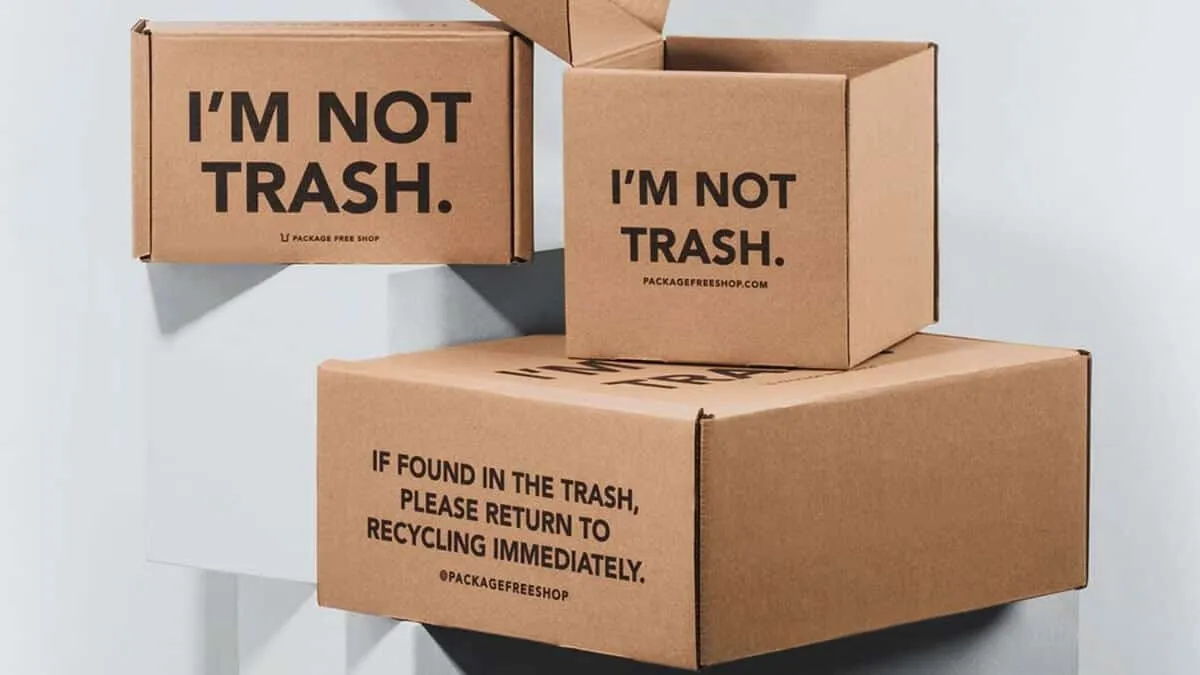
If you are someone who, at the mart, considers even the environmental impact and pays a little more attention to packaging material when choosing goods, you could also be called a "greensumer." As product types have become diversely subdivided and the "packaging industry" continues to develop to avoid the risk of content spoilage and to maintain freshness, the demands of consumers sensitive to the green trend have awakened companies. Consumers are also paying attention to whether product packaging is "eco-friendly or not." This is also because the environmental crisis has emerged as an important topic across industry as a whole, and, more broadly, across our society. In this way, eco-friendly packaging has become an important element from the standpoint of manufacturers' ESG management too.ESG Sustainable Packaging Fair @KINTEXReflecting such a trend in the packaging industry, an "ESG Sustainable Packaging Fair" is also said to be held at KINTEX on Earth Day, April 22. Here, it is said, one can see renewable packaging materials with one's own eyes, experience AI-based smart packaging technology, and glimpse the revolutionary change of eco-friendly packaging.So, let us look at domestic eco-friendly packaging cases worth noting in the packaging industry at this point, and how consumers responded to them.From Material Development to Participatory Campaigns: A Sustainable Future Made Together with the CJ GroupA representative company in Korea that has steadily developed eco-friendly packaging is the CJ Group. The plastic CJ developed is said to decompose both in soil and in the sea. This eco-friendly material, made by fermenting plant-based raw materials, is called "polyhydroxyalkanoate (PHA)," and this material — hard even to pronounce — is second to none as a replacement for existing plastic. Currently, CJ is leading the eco-friendly trend by applying this PHA material to various product containers, such as the "Water Velvet Vegan Cushion" of the beauty brand "Wakemake" and the "Clean It Zero Cleansing Balm" of "Banila Co."Also, CJ CheilJedang's bestselling product "Hetbahn" helped consumers join in resource circulation by collecting Hetbahn containers from consumers through a recycling campaign. The company recycled the collected containers to make various goods such as cheering sticks and humidifier kits and delivered them to consumers. Consumers communicated with the company that made "the product I chose" while also gaining an economic reward, so the response was hot. Moreover, consumers could gain, beyond economic utility, the satisfaction of joining in environmental protection that safeguards the Earth.[Hetbahn containers are upcycled to become a model of the environment and resource circulation © CJ CheilJedang]Don't Feel Guilty When Throwing Away Boxes: Thermolab KoreaThe wrapping that piles up when buying products is a problem, but seeing the delivery boxes that pile up in front of the house every day, one also worries whether these boxes are being recycled well. "Thermolab Korea," which has a vision of zeroing out the environmental burden created in the product distribution process, is solving that problem. Thermolab Korea is a company sincere about eco-friendly, reusable packaging, providing delivery boxes to some 200 distributors such as Coupang and Market Kurly. Its main product is "Eco Liner," a waste-paper-recycled packaging material made from waste newspaper, delivery boxes, and the like. Thermolab Korea uses insulation and protective materials recycled from waste paper instead of hard-to-decompose styrofoam, and strives to achieve "zero environmental pollution" with ice packs filled 100% with water. As the whole nation habitually uses delivery, customer response to the packaging appeared immediately. Positive reviews continued that recycling is convenient because the paper and insulation can be easily separated.Riding this momentum, Thermolab Korea is building its own technological capability, applying for some 40 intellectual-property rights. It is said that, beyond developing biodegradable materials, it will additionally develop AI predictive-analysis technology and combine it with sustainable packaging solutions. Furthermore, expanding its business scope with the single packaging business, it is preparing a leap into the Asian and North American markets.[Thermolab's eco-friendly packaging material "Eco Liner" © Thermolab]Packaging That Leads the Green Consumption Trend: SPCSPC's effort for eco-friendliness is also contained in the packaging of foods consumers enjoy, such as Paris Baguette and Baskin Robbins. SPC, in collaboration with SKC, developed a "polylactic acid (PLA) film" that is 100% biodegradable from ingredients extracted from corn, sugarcane, and the like. This packaging, used for bread wrappers and ice-cream cake boxes, is said to completely decompose in soil within 180 days. Compared with ordinary plastic, which takes over 500 years to decompose, this is a groundbreaking eco-friendly material.Also, for salad containers and disposable cups, it develops and uses "Bio-PET" material based on sugarcane in cooperation with Lotte Chemical. By utilizing Bio-PET material, the carbon footprint can be reduced by as much as 28% compared with existing plastic. Among the packaging materials from SPC, everything that looks like plastic does not become trash if disposed of properly. If well gathered in designated collection bins and separated for recycling, these packaging materials are recycled to make packaging for other SPC products. They can also be used as the outer packaging for "Kleannara" toilet paper. Through such a recycling system, an infinite-plastic-circulation ecosystem is created within SPC.Consumers can also collect SPC's packaging materials to receive gift vouchers such as coffee coupons. A campaign that improves the recycling rate also affects the consumer-participation-based green consumption trend. SPC's dense efforts for the environment led even to the first green-specialist company certification in the food industry, contributing to improving the corporate image.SPC's eco-friendly packaging decomposes easily and is continuously recycled @SPCEco-friendly packaging, which shows companies' sense of social responsibility, is thus establishing itself as consumers' choice. Consumers show active movement in the use of eco-friendly packaging and in participatory campaigns through which they can join in environmental protection while doing everyday consumption. If more companies well reflect this trend, the path of a "green revolution" created together by consumers and companies will be able to settle closer to our daily lives.[Packaging is no longer trash © IMPAKTER] by Editor L
April 10, 2025At the world's three major design awards, the winning of products containing a sustainability concept stands out. Recently, Korean works too are standing out in the sustainability category. ESG.ONL introduces sustainability products drawing attention at world-class design awards, seeking to look at how ESG ideas such as sustainability touch our lives.The scale of the sustainability market is growing more and more. According to the research firm "Mordor Intelligence," the sustainability market is estimated at 16.56 billion dollars in 2025, and is said to reach 27.63 billion dollars in 2030. There is a field through which one can know the future of the growing sustainability market — the world's three major design competitions, Germany's Red Dot Design Award and iF, and the US IDEA Design Award. The forms of the sustainability market are various, but the future of idea concepts and products can be foretold through the winners of these three awards. Today, let us look at the various sustainable solutions presented by the design products showcased at the Red Dot Design Award.Red Dot Design Award 2024 Winners — Best of the Best[Zero-waste camera © FOTOFOTO]① A zero-waste camera made from recycled waste, FF-1"FOTOFOTO" is a company that recycles camera waste to make single-use film cameras. The FF-1 camera, attractive for its compact pastel-toned design, at a glance looks no different from a traditional single-use camera. But this camera company, which above all puts forward "zero waste" as its brand value, provides a service of developing the film when customers return the single-use camera to the company after use. And it prevents the materials from becoming waste by recycling the camera's internal components. Thus a cycle of sustainable consumption that reduces the carbon footprint is completed. It does not fall short in function either. Using cinema film, with rich color reproduction, one can leave not single-use-camera photos that merely note down memories, but a life's masterpiece like a work of art.[The Buoy Bottle tumbler, recycled from marine trash © Buoy]② A perfect circular-economy model, the Buoy Bottle"Buoy" is a US company that makes reusable containers. Buoy drew the Red Dot Design Award's attention especially with the "Buoy Bottle," for resolving the seriousness of marine-ecosystem destruction and ocean pollution. The Buoy Bottle is made of 100% plastic collected from the seas and rivers of North America and Mexico. Making goods from a pure single material makes recycling easy and is said to reduce the carbon footprint by up to 80%. It also emphasizes that no additives to make the plastic flexible were used. When a long-used Buoy Bottle reaches the end of its life and is returned to the company, a new bottle is provided, creating a circular economy. The eco-friendly meaning is good, and its modular design, combining colorful hues, also catches the eye. In terms of function, complete separation — the advantage of a modular design — is possible, making it convenient for adding ice or washing. Buoy expands its brand value by donating part of its revenue to various NGOs that contribute to marine conservation.[Oyster shells transformed into tiles © Ecoshell]③ Oyster shells transformed into tiles for marine buildings, Eco shellEco shell, designed by Yingfei Zhuo, a young Chinese-born designer and architect, is an exterior tile made from discarded oyster shells and fish bones. The seafood industry worldwide discards millions of tons of oyster shells every year. When these enter the sea, they generate foul odor and wastewater. Eco shell, which can solve this problem, looks similar to concrete at a careless glance. But Eco shell is much lighter than concrete, so it has the advantages of being easy to install and reducing the building's load. The components from the fish bones act as a biodegradable adhesive, and when this combines with the oyster shells, it becomes a strongly cohesive tile. Because these oyster shells are resistant to salt corrosion, they can be used especially practically for coastal buildings.[Waste tires reborn as a longboard © Hankook Tire]④ Project Transformation, the longboardThis longboard, which has excellent shock absorption using recycled rubber, is a product that recycles tires. Our company "Hankook Tire" has previously made shoes and footwear as part of a tire-upcycling project. This upcycled longboard, developed by recycling tires for sustainable resource circulation, has a tire-recycled rubber sheet in the central deck to cushion shock and strengthen stability. As stability increases, it has become a longboard easy even for beginners to ride. Bio-polyurethane containing eco-friendly seaweed oil was also applied to the wheels, adding eco-friendly value. by Editor L