Loading Data
Please wait a moment...
Update Cal.
2026.08
03
Mon
04
Tue
05
Wed
06
Thu
07
Fri
08
Sat
09
Sun
Update Calendar
2026.08
01
Sat
02
Sun
03
Mon
04
Tue
05
Wed
06
Thu
07
Fri
08
Sat
09
Sun
10
Mon
11
Tue
12
Wed
13
Thu
14
Fri

Loading Data
Please wait a moment...
Evening ESG news and briefings to wrap up your day.
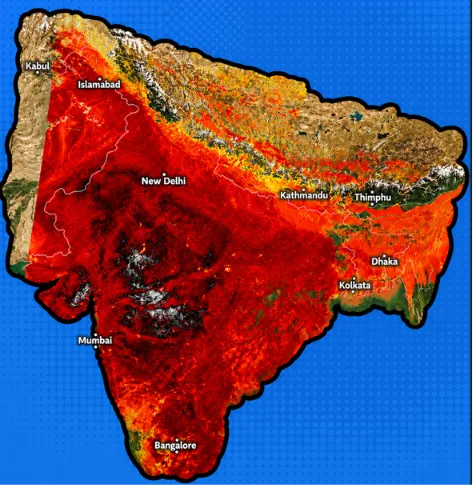
Even faster than South Korea, where recent summer heat feels unlike past years, India has been trapped in extreme warmth since April. In India, the period from May to June is typically considered the severe hot season, with intense heat persisting. This year, however, an early heatwave with maximum temperatures exceeding 45°C struck India as early as April, before the full onset of summer. In Rajasthan state, temperatures soared to 48.3°C, and major cities including Delhi and Lucknow have been enduring relentless heat day and night. Recently, even nighttime temperatures have risen sharply, prompting talk that there is effectively no time to escape the heat anymore.As of April 27 of this year, the fact that the top 50 cities worldwide recording the highest temperatures were all located in India’s interior is an event with few statistical precedents. [Heatwave in India, June 2026 © India Meteorological Department Official Facebook]Why Is India So Hot?This heatwave is not the result of a single factor but a complex combination of multiple meteorological phenomena and environmental factors. Western Disturbances — storms originating in the Mediterranean region that move eastward and bring rain to India — have weakened this year, with reduced frequency. Over the Gangetic Plain and eastern Indian region, a Heat Dome has formed, with hot air trapped by a stationary high-pressure system. In addition, abnormal climate patterns are a cause of India’s long-term climate change. According to the India Meteorological Department, since 1961, the frequency of heatwaves in India has increased by 0.1 days per decade, and average nighttime temperatures have also risen by approximately 0.21°C per decade. Cities retain heat longer due to densely packed buildings, limited green spaces, and high vehicle emissions, further accelerating nighttime temperature increases. Nighttime heat is more dangerous than daytime heat because it deprives the body of recovery time. Moreover, this year has added the potential for a Super El Niño, where tropical Pacific sea surface temperatures rise 2°C or more above normal. A Super El Niño can weaken the seasonal monsoon, which accounts for about 70% of India’s precipitation, potentially delivering compound blows to agriculture and the economy through reduced harvests, intensified water rationing, and power outages. Heat That Threatens SurvivalThe danger of heatwaves cannot be fully explained by temperature figures alone. The 2026 heatwave in India is even more lethal because it is accompanied by a sharp rise in humidity. India’s average relative humidity rose from 67.1% in 2015–2019 to 71.2% in 2020–2024, and among cities, Delhi showed the largest increase at 8 percentage points. [Atmospheric temperatures during the 2024 heatwave in Europe and Southeast Asia © NASA]When the wet-bulb temperature — an index that simultaneously reflects temperature and humidity — approaches 35°C, the human body loses its ability to regulate temperature through sweat evaporation, threatening life itself. Climate analyst Bruno Bresinski stated, “In some regions of India, the heat index is approaching 55°C, and the wet-bulb temperature is reaching levels close to the limit of human survival,” conveying the severity of the heatwave. While only air conditioning can remove both heat and moisture simultaneously, the reality is that most Indian households lack air conditioning.[ Medical facilities provided as heatwave shelters in India © Children’s Environment Health Collaborative]The Vicious Cycle of Climate and Economy Triggered by HeatwavesAlso notable is the structure in which efforts to overcome the heat — such as using fans or air conditioners — actually intensify the heatwave. Over 70% of India’s electricity is still generated by coal-fired power, and according to S&P Global Energy data, India’s coal-fired power generation averaged 164.9 GW in April 2026, an increase from the same period last year. Ultimately, the heatwave drives up electricity demand, which raises the utilization rate of coal power plants, leading to additional greenhouse gas emissions that in turn fuel further heatwaves — a structurally operating vicious cycle. Economists warn that such a vicious cycle will become a structural obstacle to India’s long-term economic growth. The heatwave has caused the loss of 247 billion labor hours in agriculture and construction, resulting in an economic blow of approximately USD 194 billion (around KRW 260 trillion) to India. This figure corresponds to up to 4.5% of India’s GDP, demonstrating that extreme summers are not a temporary shock but could be a recurring impediment to economic growth.In 2022, 2024, and 2025, India’s summers appeared before us each year carrying the modifier “unprecedented.” Yet this 2026 Indian summer has set yet another record. The problem is that this record is highly likely to keep being broken. As long as the vicious cycle of climate and economy triggered by heatwaves continues, the modifiers attached to India’s summers can only grow stronger each year. by Editor N

On a hot summer lawn, strangers stand shoulder to shoulder and become one. The ‘slam’ at festival venues — pushing, shoving, jumping, and colliding — is the moment when the most primal solidarity unfolds among strangers. Behind that heat-filled scene, alongside the enjoyment, something else is piling up.According to the Performance Market Analysis Report by the Korea Arts Management Service, popular music concert ticket sales in 2025 recorded ₩981.7 billion, a 29% year-on-year increase, showing explosive growth. From spring to fall this year, a series of large-scale festivals including music events are scheduled to arrive one after another. But alongside the ever-growing scale of festivals, the recurring waste problem has also begun to surface.After the Festival, It Wasn’t Just Fun That RemainedFor an event averaging 5,000 visitors per day, approximately 150 standard 100-liter garbage bags worth of waste are generated. For large-scale festivals drawing tens of thousands, the volume is difficult to estimate. Most festival waste comes from on-site banners, paper tickets, disposable cups, and food packaging. The Daegu Chimac Festival held in July 2025 aimed to be eco-friendly, preparing a total of 24,000 reusable containers, but that number was woefully inadequate compared to the approximately one million visitors. Even though both reusable and disposable containers were provided, many booths still used disposables, and only a single booth near the main stage was equipped with reusable containers. Two days after the festival ended, reports continued of trash, including reusable containers discarded as if disposable, appearing throughout the venue. [2025 Daegu Chimac Festival venue © Daegu Chimac Festival Official Website]How Festival Venues Are Changing for the EnvironmentThat said, efforts to reduce waste at festival venues are not absent. Trash Busters, a domestic reusable container startup, provides a reusable container rental service to reduce disposables generated at festivals and events. At the festival venue, visitors return their reusable containers to designated return booths after meals and get their deposit back. At TSWC, Trash Busters’ specialized washing center in Anyang, 140,000 reusable cups are cleaned daily — a scale three times that of Seoul World Cup Stadium. [Trash Busters providing reusable container rental services at festival venues © Trash Busters Official Instagram]At the Suwon Theater Festival held in May 2025, efforts to create a disposable-free venue were evident. The eco-friendly startup Eatgreen collaborated with Suwon City to place reusable container return bins throughout the festival venue and directly guided visitors on how to return containers. As a result, reusable items were actively collected throughout the festival period. The Regulatory Gap on Festival Disposables Between Korea and Overseas Overseas, government-level regulations on waste discarded at festivals are already well established. In Austria, the use of disposables at large music festivals attracting three million visitors annually is completely banned by government policy. In contrast, South Korea’s festival and event venues are evaluated as being close to a blind spot for disposable regulation. The Ministry of Climate, Energy and Environment has been implementing the ‘Guidelines for Reducing Disposable Product Use by Public Institutions’ since July 2018, which public enterprises and local governments must follow. However, critics point out that the guidelines are effectively toothless, as they merely state that public institutions should ‘strive’ not to use disposables in meetings or events.[Guidelines for Reducing Disposable Product Use by Public Institutions © Ministry of Climate, Energy and Environment]In the summer of 2026, hundreds of thousands of visitors will flock to various festival venues. For only joyful memories to remain after the festival, something as essential as the goodwill of the audience is needed: systematic design by organizers and policy support to reduce waste. A great festival is not built on stage alone. by Editor N

Corporate Social Responsibility (CSR) activities have evolved beyond simply sponsoring cultural content production into directly participating in production, discovering new talent, and supporting overseas distribution, thereby underpinning the entire industry ecosystem. Korean companies are investing in film and performance, while entertainment companies are investing in genre expansion, building foundations for the sustainable growth of K-content. Let us explore cases of corporate investment that functions as cultural ecosystem building rather than one-off marketing.Corporate Cultural Investment Expanding to the ScreenCorporate cultural content investment is particularly prominent in film industry participation. Hyundai Motor Group is pursuing a strategy of ‘selling culture, not cars’ through content marketing. The short film ‘Night Fishing,’ produced by Hyundai Motor Group and starring actor Son Suk-ku in 2024, won the Editing Award at the Montreal Fantasia International Film Festival and the Grand Prix in the Entertainment category at the 2025 Cannes Lions, proving the new possibilities of branded content. In January 2026, ‘Bedford Park,’ the first independent feature film in which Hyundai Motor Group participated as an investor, won the Special Jury Award at the Sundance Film Festival, extending those possibilities to feature-length film. After Sundance, it signed a global distribution deal with Sony Pictures Classics, earning recognition for both artistic merit and marketability — a significant achievement in terms of strengthening the international competitiveness of K-content. [Cast and crew of the independent feature film ‘Bedford Park’ © Hyundai Motor Group Official Website]The financial sector is also actively engaging in cultural investment. IBK Industrial Bank invested ₩1 billion in the production of the film ‘The Man Living with the King,’ which surpassed 16 million viewers in the first half of 2026, and is expected to achieve a return of approximately 400%. When selecting films to invest in, IBK applies its own checklist of 16 criteria including scenario and rating, scoring each stage — an approach focused on completeness and differentiating factors, which has consistently led to box office success. IBK launched the ‘IBK Cultural Content Loan’ in 2011 to provide loans to outstanding cultural content SMEs, and in 2012 became the first in the financial sector to establish a dedicated cultural content department. It has since expanded its investment scope beyond films to dramas such as ‘The Moon Rising During the Day’ and musicals like ‘Cats’ and ‘The Phantom of the Opera.’ While Hyundai Motor Group approaches cultural investment as a way to practice its marketing philosophy, IBK exemplifies a new model of CSR by expanding investment across the broader cultural ecosystem.Entertainment Companies Expanding the Music Ecosystem Beyond Genre BoundariesWhile the automotive industry and financial sector continue investing in the film industry, domestic entertainment companies are expanding their investment beyond popular music into classical and indie music, creating the additional value of cultural diversity. SM Entertainment established the ‘SM Classics’ label to arrange and perform K-pop with orchestras, leading the popularization of classical music. Through repeated collaborations with renowned orchestras such as the Seoul Philharmonic Orchestra and the Korean Symphony Orchestra, it has broadened the artistic horizons of K-pop, while also stepping into improving music accessibility for culturally underserved communities by supporting instruments and lessons for children in regions lacking classical music education. SM Entertainment is concretizing an approach that simultaneously pursues commercial success and social value through music-based social contribution activities. [SM CLASSICS LIVE 2025 in TOKYO © SM Entertainment]YG Entertainment, through its subsidiary YG Plus, is supporting global music distribution for indie and small-medium labels to expand the indie music ecosystem, operating the digital platform ‘Mixtape’ as part of that effort. The Mixtape platform contributes to lowering the barriers for overseas expansion of domestic indie music by distributing indie musicians’ tracks to global streaming services such as Spotify and Apple Music. The distribution networks and marketing know-how of a major agency are now being provided to small-medium labels, opening a channel for artists to enter overseas markets. In 2025, YG Plus signed an agreement with the Federation of Korean Music Performers, creating the first case of collaboration between a copyright trust management organization and a global distribution platform. Through this, artists can secure a foundation for sustainable music activities with guaranteed rights protection and global distribution. While SM has added artistic depth to K-pop through classical music, YG is supporting the diversity of the K-content industry by broadening the reach of the indie music ecosystem.For Cultural Investment to Build a Sustainable EcosystemCorporate cultural investment is settling into a structure that goes beyond short-term marketing effects to support the entire industry ecosystem. However, there is still insufficient verification as to whether such investment is taking place on a foundation of guaranteed creative autonomy and fair revenue distribution structures. Going forward, it is hoped that companies will recognize these aspects and embrace cultural investment as a sustainable growth engine for the content industry, rather than as a one-time CSR activity. by Editor N

The tvN drama A Military Cook Becomes a Legend, currently airing to great popularity, concludes today on the 16th. In the drama, the military cook creates the best meals that soldiers eagerly await, even under harsh conditions. What if our unit’s cook really was that good? Viewers with military service experience have likely had such thoughts at least once while watching — imagining a cook who can create the menu soldiers wait for even with limited ingredients, with lines naturally forming in front of the mess hall. [tvN drama ‘A Military Cook Becomes a Legend’ © CJ E&M]Mealtime in the military carries a peculiar significance. On some days, it is the most anticipated moment of the day; on others, it is simply a time to fill one’s stomach and quickly return to the barracks. Even within the same unit, the mess hall atmosphere changes dramatically depending on the menu. Some items disappear with remarkable speed, while certain side dishes remain until the very end. Some days, trays are left spotless; on other days, diners head to the return station with one or two side dishes barely touched. So just how much food is being left uneaten in the military right now? And why is it being left behind?Who Is Responsible for the Leftover Trays?There are certainly cases where soldiers leave side dishes because they do not like them, but it is also not uncommon for unwanted items to appear on their trays in the first place. On some days, meals must be rushed due to training or work schedules; on others, delayed serving times mean the food has deteriorated from its initial state. Additionally, while military mess halls prepare food considering the number of personnel, training schedules, and leave counts, errors in estimation are inevitable. Because running short of food poses a bigger problem, a certain margin is invariably prepared — and as a result, some food ends up untouched, never even reaching the serving line. [Military Food Waste Status © 2024 National Assembly National Defense Committee Audit, Office of Rep. Hwang Hee, Data Reorganized]In fact, according to data from the National Assembly National Defense Committee, food waste generated by the military exceeds 100,000 tons annually. Even more interesting is that a considerable portion of food waste originates not from leftovers that soldiers failed to finish, but from food prepared but never served. More food is being discarded before it even reaches the tray than is left uneaten on it.Changes Born from the Poor Meal ControversyThe decisive moment that brought military meals to public attention was the 2021 ‘COVID-19 Quarantined Soldier Poor Meal Controversy.’ The meal photos released at the time shocked not only those without military experience but also veterans. Among discharged soldiers, reactions included “The menu composition is worse than in my day” and “Why do these problems keep recurring?”The truth is, dissatisfaction with military meals is nothing new. However, while such issues were once regarded as something to be endured in the unique military environment, the perspective has now shifted toward viewing them as matters of soldier welfare. As standards for living conditions and welfare have risen across society, military meals have begun to be evaluated by the same benchmarks. [Launch Ceremony of the New Generation-Customized Military Meal Innovation TF © Republic of Korea Ministry of National Defense Blog ‘Donggodongnak’]Following the controversy, the Ministry of National Defense embarked on improving the meal system. Menus reflecting soldier preferences were expanded, and projects for upgrading cooking facilities and enhancing meal quality were pursued. The per-soldier meal budget has also been steadily increased. Where the goal was once ‘a meal to stave off hunger,’ it has now become ‘a meal that soldiers actually enjoy eating.’ This change is not merely about soldier satisfaction. The more food goes uneaten, the more ingredients and budget are wasted. In the end, a well-eaten meal is also the meal that leaves the least behind.A Story That Doesn’t End at the Tray ReturnFood waste is often regarded as little more than leftover food. But what disappears when food is thrown away is not just the food itself. The water, fertilizer, agricultural fuel, transport energy, and the electricity and gas used for cooking — all are discarded along with the food. Food waste is thus not merely a garbage problem but a resource problem.Leftover food is collected and may be repurposed as animal feed, compost, or biogas feedstock. Yet no matter how well it is recycled, nothing is as efficient as not being wasted in the first place. The treatment process itself requires additional cost and energy. This is why recent meal policies are moving beyond simply increasing the number of menu items to focusing on preference surveys and leftover management. The priority has shifted from cooking more to cooking exactly what is needed, and ensuring that what is prepared is actually consumed.In the drama, the legendary military cook moves people’s hearts. But what real-life mess halls need is not one legendary individual, but a meal system that makes such a person unnecessary. When recalling military life, remembering ‘a meal well eaten’ before ‘a tray left behind’ — perhaps that is the most practical goal that today’s military meals should aspire to. by Editor N
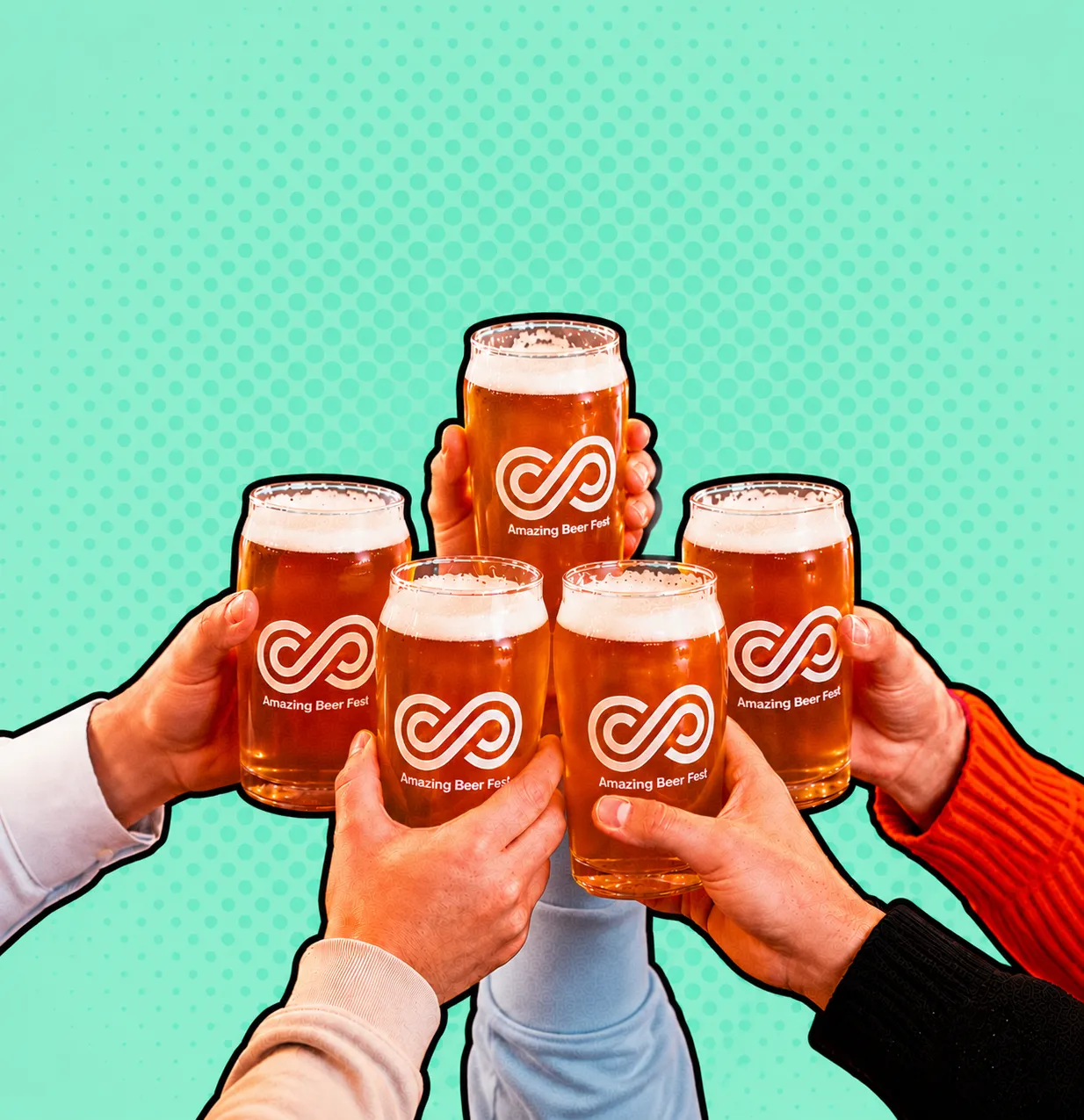
A few years ago, as small local breweries entered convenience store distribution channels, ‘craft beer’ began filling convenience store shelves. Collaboration products triggered sell-out frenzies, and it seemed the craft beer industry was ushering in a new wave of change in the domestic alcohol market. Then this past April, Amazing Brewing Company, which had anchored Seoul’s Seongsu-dong for a decade, filed for rehabilitation proceedings with the Seoul Bankruptcy Court.The rehabilitation filing of Amazing Brewing Company — which had been the first domestic craft brewery to attract Silicon Valley capital and had completed two large-scale breweries in Icheon, Gyeonggi Province — came as a significant shock to consumers. While the industry cites excessive facility investment as a primary cause, reading this event merely as one company’s strategic failure is somewhat superficial. The case of Amazing Brewing Company can be seen as a symbolic event signaling that alcohol consumption culture is fundamentally changing.From Craft Beer to Global Brands: A Broad Downturn Across the Alcohol MarketThe worsening conditions in the alcohol industry are not limited to Amazing Brewing Company. Last year, the domestic alcohol market shrank by over 5%, and the number of restaurants and bars decreased by approximately 10%. In the aftermath, Sevenbräu, known for its ‘Gompyo Wheat Beer,’ is also undergoing corporate rehabilitation, and Hanul & Jeju, widely known to the public as ‘Jeju Beer,’ continues to face management pressure as it has been unable to escape its deficit structure.It is not only the craft beer market; the performance of major liquor companies has also slumped. In 2025, Lotte Chilsung Beverage’s domestic alcohol segment revenue plunged 31.1% year-on-year, and HiteJinro’s annual operating profit fell 17.3% to ₩172 billion, recording an ‘earnings shock’ that fell far short of major securities firms’ estimates. [Amazing Brewing Company CEO Kim Tae-kyung’s post on the bankruptcy © Seongsu Bible Official Instagram]Notably, major global alcohol companies are also commonly facing difficulties. Constellation Brands, a leading North American alcohol company, saw its recent annual revenue decline by approximately 10% year-on-year to about ₩12.5 trillion, and the operating profit of Moët Hennessy, the spirits division of the world’s largest luxury group LVMH, plummeted 25% in 2025. Diageo of the UK, the world’s number one Scotch whisky company, is also experiencing a sharp drop in Asian market sales.How Changes in Lifestyle Are Reshaping Alcohol ConsumptionThe decline in alcohol consumption both domestically and internationally is a result of changing lifestyles. According to Gallup, the recent downward trend in U.S. drinking rates is being driven by young people aged 18 to 34. The situation in South Korea is not much different. Based on the Korea Disease Control and Prevention Agency’s National Health Statistics, the monthly drinking rate in Korea was 57.1% in 2024, down 1.2% from the previous year. Among these, the daily alcohol intake of people in their 20s fell by over 30% year-on-year to 64.8g, making it not only the sole age group to show a decrease but also lower than the alcohol intake of people in their 60s.Underlying this phenomenon is the practical reason of cutting spending amid high inflation, but more fundamentally, the wellness trend — which prioritizes ‘health and daily well-being’ above all else — is deeply embedded. Today’s younger generation is displaying strong fatigue toward the existing drinking culture of excessive consumption at the expense of the next day’s sleep, focus, and daily stability. The ‘Sober Curious’ culture of consciously drinking less or choosing non-alcoholic beverages can be seen as part of this vast wellness trend.A Drinking Culture as ‘Sustainable Taste’[Traditional liquor tasting class promotional poster ©Gaekje Brewery Official Instagram ]Human history is inseparable from alcohol. There is even a theory that the very reason humanity began agriculture was to brew alcohol — to such an extent that alcohol transcends mere preference to become a core element of religion, social life, and ritual. Today, however, we are contemplating ways to enjoy alcohol in a relatively healthier and more sustainable manner. This shift could become an opportunity to reshape drinking culture. The alcohol market is already experimenting with this potential through the expansion of non-alcoholic and low-alcohol product lines, and a tasting-centered drinking culture in which small quantities are savored using the senses of smell and taste.The era of a drinking culture in which pleasure is followed by regret or addiction harms one’s health is drawing to a close. What will take its place is a drinking culture as a ‘sustainable taste’ — one that enriches life while fully preserving one’s daily well-being. by Editor N

The ‘Wax Break Ball’ — a squishy toy wrapped in wax that you crack open with your hands — is currently all the rage. This toy, whose appeal lies in the satisfying sensation of breaking the wax shell encasing the squishy interior, is the latest example of a ‘consume-then-discard’ structure that raises concerns each time a new trend item emerges.A Trend Driven by Sensory Stimulation, Debris That Becomes WasteWhile conventional squishy toys are meant to be repeatedly touched and enjoyed, the Wax Break Ball derives its fun from the fleeting sound and tactile sensation of cracking the wax shell. The rapid spread of such sensory-driven products is fueled by the content consumption environment reorganized around short-form platforms such as TikTok and Instagram Reels. The problem with these products lies in their ‘materials.’ The wax used in the toys is typically petroleum-based paraffin wax, which has very low biodegradability, and the polyurethane-based synthetic resin of the internal squishy material is virtually impossible to sort for recycling. Mixing wax fragments and synthetic resin, Wax Break Balls have no applicable category under separated waste disposal standards and are mostly treated as general waste. [Wax Break Ball © ESG.ONL]This pattern of toy materials being discarded without proper recycling is nothing new. During the COVID-19 pandemic, as time spent at home increased, a craze erupted for silicone-based toys such as ‘Pop Its.’ Advertised as semi-permanently reusable devices that let users repeatedly press bubbles, these toys were discarded in large quantities once the trend faded. Since silicone materials are not covered by standard plastic separation and collection systems, most were incinerated or landfilled. The same goes for keycap consumption, which has even evolved into a collectibles culture amid the mechanical keyboard and merchandise craze. While the keycap material itself is plastic, its small, mixed-material nature prevents it from entering the recycling system. Moreover, replaced older keycaps end up in standard garbage bags destined for incineration or landfill. Waste Disposal Slower Than the Speed of TrendsThe structure of all these cases is identical. Trends spread rapidly through short-form platforms, and massive amounts of waste are generated during the brief trend cycle. Once the trend ends, social attention disappears along with it. According to research by Greenpeace and a team led by Professor Jang Yong-chul of Chungnam National University, disposable plastic waste accounts for nearly half of all plastic waste in South Korea. Trend-driven consumer goods that are difficult to separate for collection and impossible to recycle are exactly what is driving up this share of plastic waste. [Comparison of EU Environmental Regulation Impacts© Korea International Trade Association]Alongside consumer-level efforts to address plastic waste, institutional approaches must be pursued in parallel. Since 2021, the EU has imposed a tax of €0.80 per kilogram on non-recyclable plastic waste, and Spain and Italy have been levying separate taxes on non-reusable plastic products since 2023. The Extended Producer Responsibility (EPR) system, under which companies that produce trend-driven consumer goods also share the cost of material waste, needs to be concretized in South Korea as it has been in Europe. A single Wax Break Ball will not destroy the planet. But as long as trends repeat, so too will the accumulation of waste. by Editor N
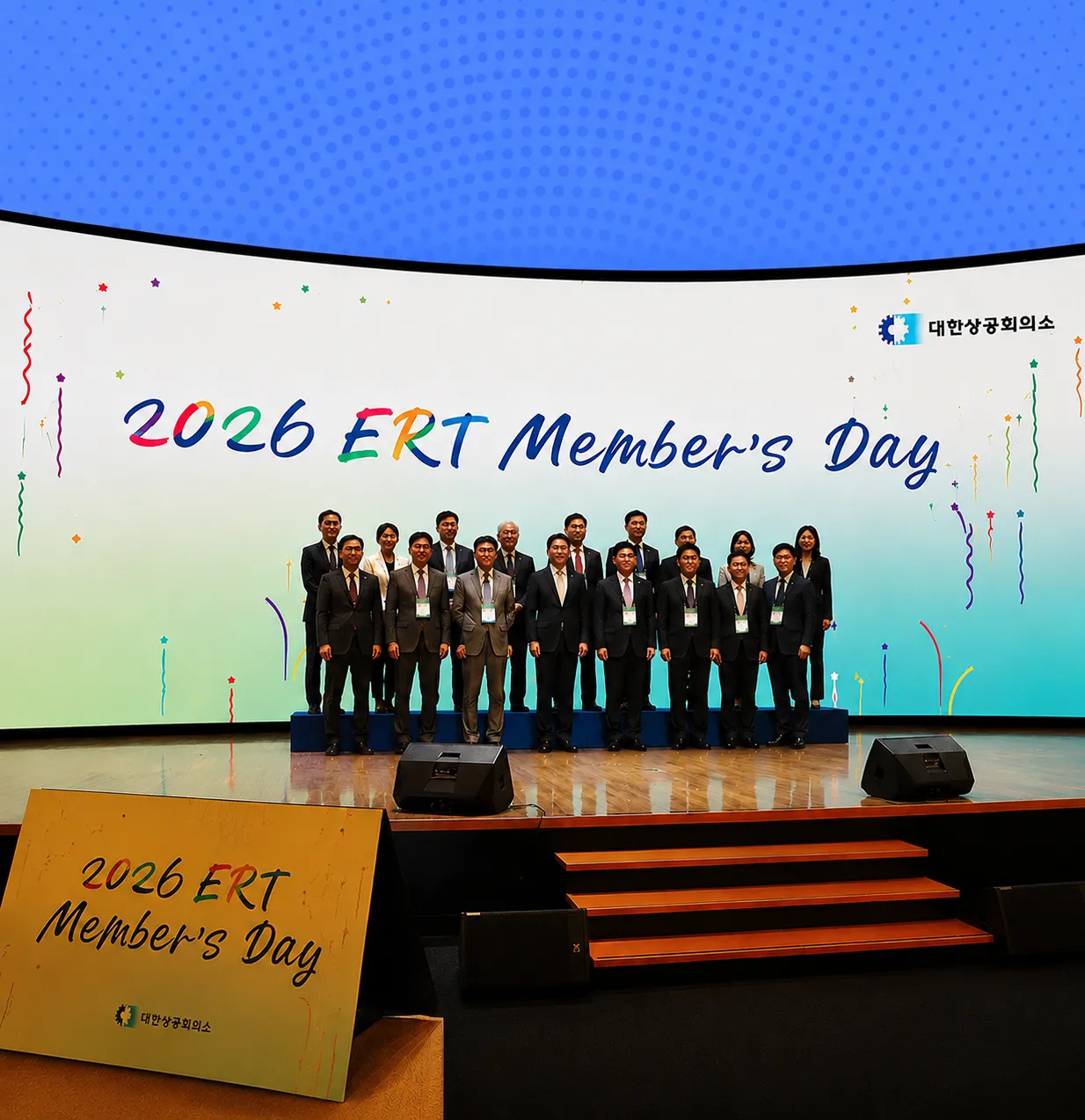
At 1:00 PM on May 20, the International Conference Hall of the Korea Chamber of Commerce and Industry in Jung-gu, Seoul, was filled with a diverse range of stakeholders — from government, regional, and social enterprise officials to citizens interested in ESG and solving social issues. They had gathered to attend ‘ERT Members Day 2026,’ hosted by the Entrepreneurship Round Table (ERT). ERT is a voluntary council of companies that leverage technology and capabilities to contribute to solving social issues, currently joined by some 1,900 companies and 72 regional chambers of commerce and industry. Now in its third year, Members Day is an annual event where ESG and social contribution managers from ERT member companies share examples of each company’s activities, experience hands-on programs, and expand inter-company exchange. This year’s event theme was ‘The AI Era: Connection and Collaboration.’ It started from the awareness that it is not that technology will solve social issues on its own, but rather that the more we enter the AI era, the more sophisticated the structures of collaboration among businesses, government, regions, and consumers must become. The event did not treat this theme as a single lecture, but concretized it through a flow that began with a keynote address presenting the concept, followed by member company collaboration case presentations and an experiential exhibition zone. The targets of collaboration were also distributed across sessions by level — government, platform, local community, and consumers — helping attendees understand the concept. [Group photo of key figures attending ERT Members Day 2026 © ESG.ONL]Before the full-fledged panel session programs began, the importance of collaboration among diverse actors for solving social issues was emphasized in the keynote speech and congratulatory remarks. In his keynote address, Korea Chamber of Commerce and Industry Chairman Chey Tae-won stated, “As social issues have become more complex than before, they are difficult to resolve through the efforts of a single company or government alone,” adding that “companies, government, social enterprises, and consumers must organically connect their respective capabilities to solve structured social issues.” Vice Minister of the Interior and Safety Kim Min-jae also shared in his congratulatory remarks, “Regional issues cannot be solved by institutions alone. When local governments, field expertise, and public-private ideas are combined, practical solutions can be found.” Government·Platform·Regional Collaboration Creating Sustainable Structures In the panel sessions that followed the keynote, examples of collaboration between regions, companies, and government were presented, along with specific cases of company-platform collaboration. The ‘Solvathon’ case — a regional problem-solving idea competition in which LG HelloVision collaborated with the Ministry of the Interior and Safety last year — and McDonald’s Korea’s ‘Taste of Korea’ campaign that incorporated regional specialty products demonstrated new possibilities for mutual prosperity that spreads regional distinctiveness while enhancing brand value. Naver Happy Bean introduced the ‘Drunk Driving Prevention’ Good Action campaign, a consumer-participatory social contribution activity carried out with OB Beer, showcasing ‘the power of a platform that connects companies and society.’ [LG HelloVision ESG Director Noh Sung-rae presenting on ‘Local Impact Created by Connection’ at ERT Members Day 2026]The ways in which companies measure social value and spread it together with consumers were also a major pillar of this year’s ERT Members Day. SK introduced its Social Progress Credit (SPC) model for measuring and rewarding social value. SPC is a policy experiment that measures the social performance created by social enterprises and provides incentives proportional to that performance. Over the past 10 years, SK has accumulated experience in measuring performance through collaboration with 468 social enterprises. Through the SPC case, SK presented the possibility that social value can lead to a structure of sustainable corporate growth. Hyundai Department Store added further depth to the session by sharing its ‘365 Recycle Campaign,’ part of its ESG program, in which customers’ unworn clothing is reborn as upcycled padding vests.[SK Social Value Institute Planning Director Park Sung-hoon presenting on ‘Social Progress Credit (SPC) Cases’ at ERT Members Day 2026 ]Where Technology Meets PeopleIn addition to the speaker presentation sessions and workshop networking, the ERT Members Day venue featured a workation exhibition zone addressing regional tourism and local extinction. The exhibition zone offered regional workation information for Jeju, Gangneung, Busan and other locations, as well as a test to find the workation type best suited to oneself and activities to discover desired workation destinations, drawing crowds of participants eager to experience regional value alongside entertainment.[The ‘Workation Exhibition Zone’ and ‘Helpful AI Experience Zone’ set up at the ERT Members Day 2026 venue]In another experiential space, the ‘Helpful AI Experience Zone,’ various companies showcased their latest technologies: ‘Dot,’ which supports information access for the visually impaired through proprietary braille cell technology; ‘WHEELY-X,’ which provides exercise solutions enabling wheelchair users to mount the wheelchair themselves; and ‘Local Universe,’ which demonstrated map-based AR (augmented reality) local content. A defining feature of this year’s ERT Members Day was that it did not leave the theme ‘The AI Era: Connection and Collaboration’ as a mere slogan but embedded it in the very structure of the event. Government, companies, local communities, and consumers each took the stage in their respective roles, and even the methods of measuring social value and spreading it together with consumers were addressed in a single venue. That said, the distance between the language of collaboration filling the event hall and its translation into substantive change remains. As ERT Members Day marks its third edition, we can look forward to next year’s event to see what record of collaboration it will accumulate beyond being an annual forum for sharing. by Editor N

The World Day for Cultural Diversity, observed every year on May 21, is an international commemorative day established by the UN General Assembly to promote the importance of mutual respect and understanding between cultures. Following UNESCO’s ‘Universal Declaration on Cultural Diversity’ in 2001, it was officially proclaimed by the UN General Assembly in 2002. UNESCO, which designated the World Day for Cultural Diversity, continues to carry out a variety of activities to protect cultural diversity, taking ‘promoting the rich diversity of cultures’ and ‘the free flow of words and images’ as its core values. The Universal Declaration on Cultural Diversity adopted in 2001 and the Convention on the Protection and Promotion of the Diversity of Cultural Expressions adopted in 2005 are regarded as representative international norms that recognize the cultural diversity of each nation as the common heritage of humanity and acknowledge the right to diverse cultural expressions. In today’s world, where cultural exchange is more active than ever due to globalization and the spread of digital media, what significance does the World Day for Cultural Diversity hold?The Growing Importance of Cultural Diversity in Our SocietyThe cultures of various countries are closely connected to our daily lives. It is natural to hear foreign languages spoken on the streets, and on social media, we easily find people sharing and enjoying culture across languages. The number of foreign residents in South Korea has steadily increased, now reaching approximately 2.6 million, accounting for about 5% of the total population. Roughly 5 out of every 100 people around us are foreign nationals. The number of international students has also surged from around 50,000 in 2013 to over 180,000 by 2023, rapidly transforming South Korean society into one that lives alongside people of diverse cultural backgrounds. Moreover, with the spread of social media and OTT platforms, it has also become natural to consume and exchange global content in real time — music, films, and dramas from all over the world. [2026 Cultural Diversity Week Official Poster © Cultural Diversity Archive Official Website]As intercultural exchange becomes more active, the importance of respecting cultural diversity in each country is also growing. South Korea joined the international community’s momentum by acceding to the Convention on the Protection and Promotion of the Diversity of Cultural Expressions in 2010. Subsequently, it enacted the ‘Act on the Protection and Promotion of Cultural Diversity’ and designates the week beginning May 21 each year as Cultural Diversity Week, continuing various activities to spread the value of cultural diversity.World Day for Cultural Diversity Events Taking Place Across the CountryIn celebration of this year’s World Day for Cultural Diversity, the Ministry of Culture, Sports and Tourism and the Korea Arts and Culture Education Service selected regions including not only Seoul but also Jeonnam, Busan, Chungbuk, and Gyeonggi Ansan as ‘2026 Cultural Diversity Hub Cities.’ This initiative is being promoted to spread the value of cultural diversity within local communities by connecting regional cultural assets, citizens’ lives, and artistic activities.[2026 Cultural Diversity Week Hub City Operating Foundation Logos © Korea Arts and Culture Education Service]A variety of cultural diversity programs — including film festivals, exhibitions, performances, forums, and citizen-participatory projects — will be operated in each region. Cultural Diversity Week events are held around May 21, the World Day for Cultural Diversity, providing opportunities for citizens to experience local cultural assets and diverse cultural values firsthand. Detailed information about related events and programs can be found on the Korea Arts and Culture Education Service website and the Cultural Diversity official Instagram channel.[<Cultural Diversity Curation Exhibition> Director Lee Ok-seob Poster © Cultural Diversity Week Official Instagram]The value of cultural diversity does not merely reside within grand discourses, but connects to daily life through our interest and participation in understanding and respecting each other’s cultures. In celebration of the World Day for Cultural Diversity, how about experiencing culture firsthand through film screenings, exhibitions, and citizen participation programs held across the country, and lending an ear to the stories of different cultures? We hope this Cultural Diversity Week will become a venue for culture where people go beyond enjoying culture only on digital platforms and come together to enjoy culture as one. by Editor N